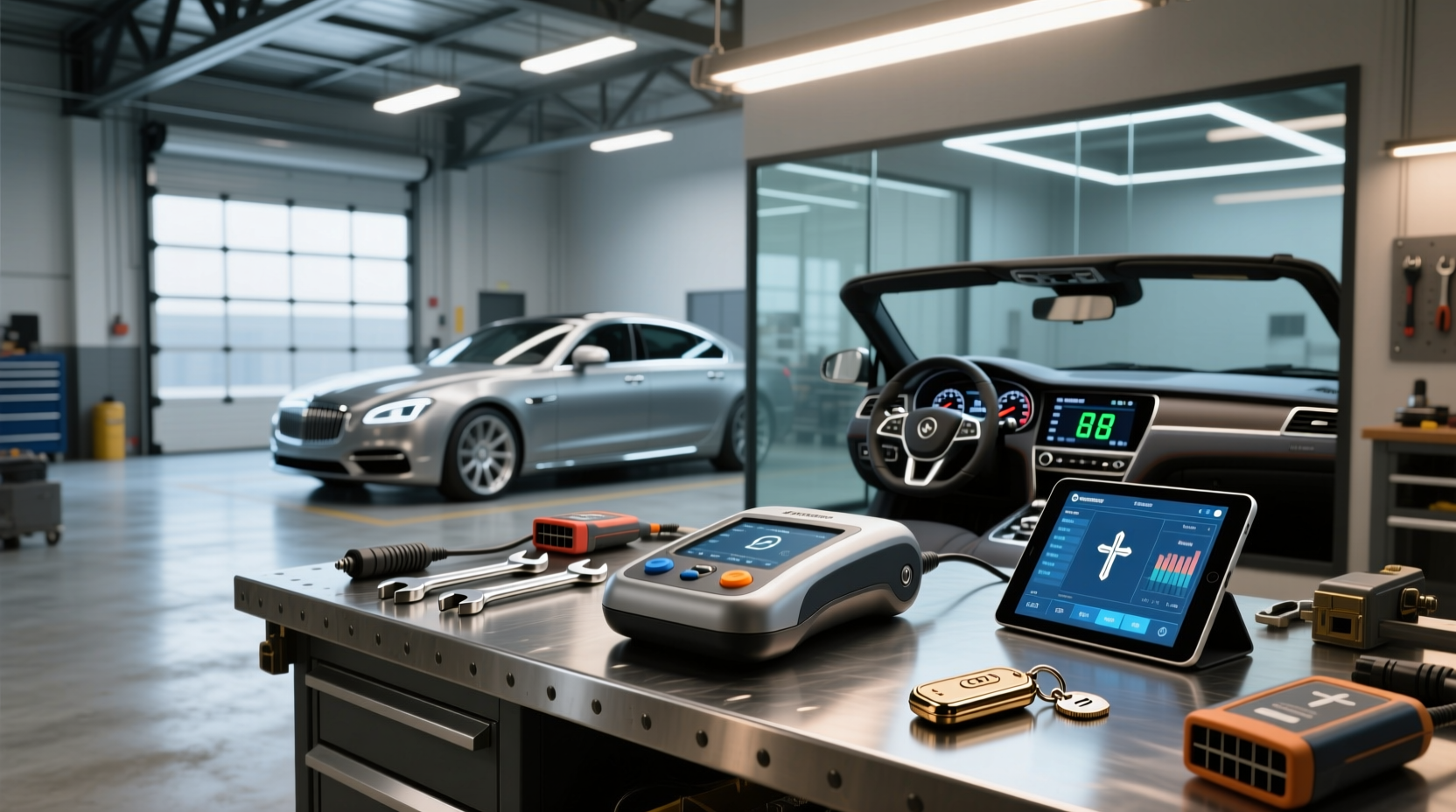
When searching for the best mileage correction tool, it's essential to understand that these devices are primarily designed for resetting or adjusting odometer readings after component replacements—such as instrument clusters or ECUs—not for fraudulent manipulation. The most effective tools offer compatibility across multiple vehicle brands, reliable firmware updates, and diagnostic functionality beyond simple mileage reset, such as oil service resets, ABS bleeding, and ECU programming. Tools like OBDSTAR X300M+, Yanhua Digimaster 3, and GODIAG GD801 provide advanced features through OBD2 ports, supporting protocols used by BMW, Toyota, and other major manufacturers ✅.
What Is a Mileage Correction Tool?
A mileage correction tool is a specialized diagnostic device that connects to a vehicle’s On-Board Diagnostics (OBD2) port or directly to engine control modules (ECMs) and instrument clusters to read, adjust, or calibrate the recorded mileage. These tools are commonly used in automotive repair shops, dealership service centers, and by professional technicians during cluster replacements, module swaps, or restoration projects 🔧.
Mileage correction becomes necessary when replacing a faulty dashboard cluster or reprogramming an ECU. Without proper calibration, the new unit may display incorrect mileage, triggering warning lights or causing registration issues. A high-quality mileage correction tool with OBD scanner functions ensures accurate synchronization between various onboard systems—including transmission, ABS, and airbag modules—that also store mileage data independently 📊.
How Do Mileage Correction Tools Work?
Modern vehicles store mileage information across multiple electronic control units (ECUs), not just the instrument cluster. This distributed storage makes simple tampering difficult and increases the need for sophisticated tools capable of accessing and synchronizing data from several modules simultaneously ⚙️.
The process typically involves:
- Connecting the tool via OBD2 port or direct chip reading/writing
- Reading current mileage from all relevant ECUs
- Adjusting values according to replacement part specifications
- Writing updated values back securely
- Verifying consistency across modules
Some tools require token-based access for certain brands (e.g., BMW, Mercedes), where each correction consumes one token. Others use subscription models or one-time firmware purchases. For example, some versions of the Yanhua Digimaster 3 support unlimited tokens, which can be cost-effective for frequent users but often come at a higher initial price point 💰.
Common Use Cases and Legal Considerations
It's important to distinguish between legitimate use and illegal odometer fraud. Legitimate scenarios include:
- Replacing a malfunctioning instrument cluster
- Restoring classic cars with upgraded digital dashboards
- Calibrating imported vehicles for local regulations
- Updating mileage after ECU remapping or tuning
In contrast, altering mileage to misrepresent a vehicle’s history is illegal in many countries, including the U.S. under the Motor Vehicle Information and Cost Savings Act, and can result in fines, criminal charges, or civil liability ❗.
Consumers should know that modern diagnostic scans can detect discrepancies. Dealerships and inspectors often compare mileage logs stored in multiple modules. If the engine ECU shows 150,000 km while the cluster shows 80,000 km, this mismatch raises red flags 🔍.
Key Features to Look for in a Mileage Correction Tool
Not all tools deliver the same performance. When evaluating options, consider the following criteria:
1. Vehicle Compatibility ✅
The best tools support a wide range of makes and models, especially European brands like BMW, Mercedes-Benz, Audi, and Volkswagen, which have complex anti-tampering protocols. Look for devices explicitly listing supported brands and years. Some tools specialize in Asian markets (Toyota, Honda, Hyundai), while others focus on North American or commercial vehicles.
2. Connection Methods ⚡
Tools may connect via:
- OBD2 port (plug-and-play, no disassembly)
- Direct EEPROM chip reading/writing (requires soldering skills)
- IMMO box or key programmer integration
- Bluetooth/Wi-Fi for mobile app control
OBD2-only tools are easier for beginners, while direct chip methods offer deeper access but require technical expertise.
3. Additional Diagnostic Functions 🛠️
Top-tier tools go beyond mileage adjustment. They include features like:
- Oil reset
- TPMS reset
- ABS/SRS diagnostics
- ECU coding and immobilizer programming
- Live data streaming
A multifunctional tool offers better long-term value than a single-purpose device.
4. Firmware Updates & Support 🌐
Vehicles receive software updates regularly, so your tool must keep pace. Check if the manufacturer provides regular firmware upgrades and whether they’re free or paid. Community forums and YouTube tutorials can help troubleshoot issues, but official technical support adds reliability.
5. User Interface and Ease of Use 👥
A clear menu structure, multilingual support, and step-by-step guidance reduce errors. Touchscreen interfaces (like on the OBDSTAR X300M+) improve navigation compared to basic button-driven models.
Popular Mileage Correction Tools Compared
Based on market availability and user feedback, here’s a comparison of widely used tools:
| Tool Model | Connection Type | Key Brands Supported | Special Features | Approx. Price Range |
|---|---|---|---|---|
| OBDSTAR X300M+ | OBD2, Direct Chip | BMW, Toyota, Honda, Ford | FCA adapter included, oil reset, IMMO | $700–$900 |
| Yanhua Digimaster 3 | OBD2, BDM, EEPROM | Mercedes, BMW, VW Group | Unlimited tokens, ECU cloning | $800–$1,100 |
| GODIAG GD801 ODOMASTER | OBD2 | Broad coverage, incl. FCA | Free cables, cloud updates | $600–$750 |
| OBDPROG M500 | OBD2 | Limited European/Asian | Affordable entry-level option | $450–$550 |
| X-TOOL D1 Pro | OBD2 + App | American, Asian, some European | Mobile integration, basic correction | $300–$400 |
Note: Prices vary based on region, seller, and included accessories. Always verify what’s included before purchasing.
Can OBD2 Change Odometer Readings?
Yes—but with limitations. While OBD2 allows access to live data and some configuration settings, many manufacturers restrict direct odometer modification through the standard port due to anti-fraud measures. In such cases, physical access to memory chips (e.g., 93C86, 24C32) inside the instrument cluster is required 🔧.
For example, newer BMWs encrypt mileage data across multiple modules. Simply changing the cluster won’t work without syncing with the ECU using a tool that supports CAS (Car Access System) coding. Similarly, Mercedes uses the SAM module to validate mileage, requiring specific procedures to avoid errors.
Can Mileage Correction Be Detected?
Yes, increasingly so. Modern vehicles log mileage in several control units:
- Engine Control Module (ECM)
- Transmission Control Module (TCM)
- Body Control Module (BCM)
- Airbag Control Unit (SRS)
- Instrument Cluster
A professional scan using OEM-level software (like ISTA for BMW or XENTRY for Mercedes) can reveal inconsistencies. Even third-party scanners like Autel MaxiCOM or Launch CRP129X can pull data from multiple modules and highlight mismatches 📈.
Additionally, maintenance records, dealership service logs, and digital inspection reports contribute to a vehicle’s documented history. Sudden drops in reported mileage raise suspicion regardless of electronic records.
How to Check Real Car Mileage Using OBD-II Scanner
To verify actual mileage:
- Connect an advanced OBD2 scanner to the vehicle’s port.
- Access individual modules: Engine, ABS, Airbag, Transmission.
- Read stored mileage from each unit.
- Compare values—if they differ significantly, tampering may have occurred.
This method is demonstrated in technical videos and used by pre-purchase inspectors to detect hidden alterations 🔍.
Regional Differences and Regulations
Laws regarding odometer correction vary globally:
- United States: Federal law prohibits rolling back odometers with intent to defraud. Disclosure is required if mileage is corrected legally.
- European Union: Member states enforce strict penalties; MOT tests in the UK include mileage verification.
- India & Middle East: Less stringent enforcement, but growing adoption of centralized vehicle history databases.
- Canada: Similar to U.S. rules, governed by provincial consumer protection laws.
Always check local regulations before performing any correction. Some countries require certification or documentation from authorized workshops.
Training and Skill Requirements
Using a professional-grade mileage correction tool with OBD scanner functions requires more than plug-and-play familiarity. Misuse can brick ECUs, trigger immobilizer locks, or invalidate warranties ⚠️.
Organizations like The OBD Company offer 1-day training courses covering safe procedures, error recovery, and brand-specific protocols. These programs teach how to:
- Safely back up original data
- Handle checksum recalculations
- Recover from failed writes
- Program keys post-correction
Self-taught users rely heavily on online communities (e.g., Reddit r/CarHacking), though success depends on model-specific knowledge and risk tolerance.
Myths and Misconceptions About Mileage Tools
Several myths persist about these devices:
Myth 1: All OBD2 Tools Can Reset Any Car’s Mileage
False. Many modern vehicles block direct OBD2 access to mileage settings. Physical chip programming is often needed.
Myth 2: Corrected Mileage Leaves No Trace
Incorrect. As explained, multiple modules retain historical data. Advanced diagnostics expose inconsistencies.
Myth 3: Cheap Tools Work Just as Well
Generally untrue. Low-cost tools lack firmware depth, update support, and multi-module sync capability, increasing failure risk.
Tips for Choosing the Right Tool
Follow these guidelines to make an informed decision:
- Define your primary use case: Are you servicing one personal vehicle or running a shop?
- Check supported makes/models: Confirm compatibility with your target vehicles.
- Evaluate total cost: Include firmware updates, adapters, and potential training.
- Assess skill level: Beginner-friendly tools minimize risks.
- Avoid counterfeit devices: Purchase from verified suppliers with after-sales support.
Where to Buy Reliable Tools
Platforms like Alibaba.com host numerous suppliers offering global shipping 🌍. When buying:
- Verify seller ratings and transaction history
- Ask about included software version and update policy
- Confirm language support (English interface is critical)
- Request demonstration videos or remote testing
- Ensure return policies and warranty terms
Be cautious of deals that seem too good to be true—counterfeit clones of OBDSTAR or Yanhua tools exist and may lack full functionality.
Conclusion: Balancing Functionality, Ethics, and Compliance
Selecting the best mileage correction tool isn't just about features or price—it's about responsible usage. The right tool enables accurate repairs and restorations while complying with legal standards. Prioritize devices with broad compatibility, robust support, and transparent operation. Remember: correcting mileage is a technical necessity in specific cases, not a loophole for deception.
By understanding how these tools work, what they can and cannot do, and how corrections are verified, both professionals and enthusiasts can make ethical, informed decisions.
Frequently Asked Questions
Can I change my car’s mileage using an OBD2 scanner?
Only on certain vehicles and under specific conditions. Many modern cars restrict OBD2 access to mileage settings for security reasons. In most cases, additional hardware or direct chip programming is required.
Is mileage correction legal?
Correcting mileage during legitimate repairs (e.g., cluster replacement) is legal if properly documented. Rolling back mileage to deceive buyers is illegal in most jurisdictions and can lead to serious penalties.
How do I know if a car’s mileage has been altered?
Use a professional OBD2 scanner to read mileage from multiple control modules (engine, ABS, airbag). Discrepancies indicate possible tampering. Also review service records and inspection reports.
Do mileage correction tools work on all cars?
No. Compatibility varies by brand, model year, and electronic architecture. High-end tools support more vehicles, but even they may not cover every make or require additional modules.
What happens if I make a mistake during mileage correction?
Mistakes can cause instrument cluster failure, ECU lockouts, or activation of theft-deterrent systems. Always back up original data first and follow manufacturer procedures carefully.




 浙公网安备
33010002000092号
 浙B2-20120091-4