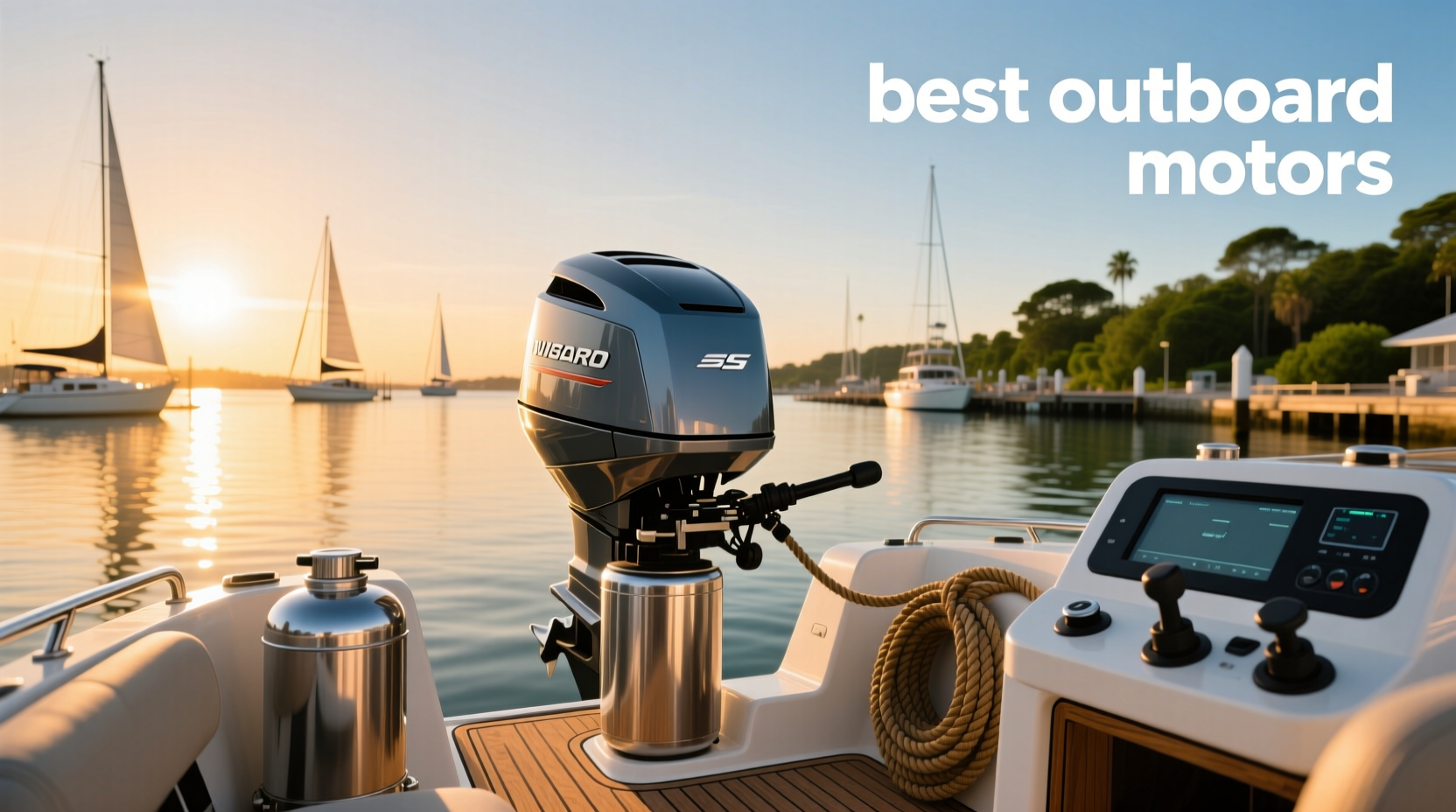
When searching for the best outboard motors for your boat, the most important factors include horsepower needs, engine type (2-stroke vs. 4-stroke vs. electric), weight, fuel efficiency, reliability, and intended use—whether it’s for fishing, recreational boating, or commercial operations. The right choice depends not on brand popularity alone, but on matching technical specifications and performance characteristics to your vessel size, operating environment, and budget. For example, a lightweight 9.9–25 hp 4-stroke motor may be ideal for a small aluminum jon boat used on inland lakes, while offshore anglers require high-thrust, corrosion-resistant models exceeding 115 hp with advanced digital controls.
Understanding Outboard Motor Types and Their Uses
Outboard motors come in three primary engine types: 2-stroke, 4-stroke, and electric. Each has distinct advantages and limitations that affect performance, maintenance, and suitability for different boating scenarios.
⚙️ 2-Stroke Outboard Motors
Historically known for their simplicity and power-to-weight ratio, modern 2-stroke outboards have evolved significantly with direct fuel injection (DFI) technology. These engines mix oil with fuel either manually or through an oil injection system, eliminating the need for pre-mixing in many newer models.
- Pros: Lightweight, high power output relative to size, fewer moving parts
- Cons: Higher emissions, increased noise, lower fuel efficiency compared to 4-strokes
- Best for: Small boats needing quick acceleration; older models are being phased out due to environmental regulations
While once dominant, traditional carbureted 2-strokes are largely replaced by cleaner, more efficient designs. However, they still appeal to users prioritizing raw power and minimal mechanical complexity.
⚙️ 4-Stroke Outboard Motors
Today’s most popular choice, 4-stroke outboards offer smoother operation, quieter running, better fuel economy, and reduced emissions. They operate similarly to car engines, using a dedicated oil reservoir and valvetrain.
- Pros: Fuel-efficient, quiet, reliable, low vibration, compliant with emissions standards
- Cons: Heavier than equivalent 2-strokes, more complex design can increase repair costs
- Best for: Family boating, fishing charters, long-range cruising where comfort and efficiency matter
Brands like Honda Marine, Yamaha, Mercury, and Tohatsu have led innovation in this category, introducing features such as lean-burn technology, dual propellers (e.g., Mercury’s Enertia), and integrated digital gauges.
⚡ Electric Outboard Motors
Electric propulsion is gaining traction, especially for smaller vessels and environmentally sensitive areas. Powered by lithium-ion batteries, these motors produce zero emissions and near-silent operation.
- Pros: Silent running, no fuel required, minimal maintenance, eco-friendly
- Cons: Limited range, long recharge times, higher upfront cost for battery systems
- Best for: Kayaks, canoes, dinghies, shallow-water fishing, urban waterways with noise restrictions
Models like Torqeedo’s Travel series or ePropulsion’s Navy series offer portable options up to 6 kW (equivalent to ~8 hp), suitable for trolling or short trips. While not viable for large boats yet, advances in battery density are expanding their practicality.
📋 How to Choose the Right Horsepower for Your Boat
Selecting the correct horsepower ensures optimal performance, safety, and fuel economy. Too little power results in poor planing and sluggish response; too much can overload the transom or cause instability.
⚖️ General HP Guidelines by Boat Size
| Boat Length | Recommended HP Range | Typical Use Case |
|---|---|---|
| Under 12 ft | 2–6 hp | Kayaks, inflatables, small jon boats |
| 12–16 ft | 9.9–25 hp | Fishing skiffs, bay boats, tenders |
| 17–21 ft | 60–115 hp | Inshore fishing, pontoon boats, bowriders |
| 22+ ft | 150–450+ hp | Offshore sportfishing, center consoles, dual-engine setups |
Always consult your boat’s capacity plate, which lists the maximum recommended horsepower. Exceeding this rating risks structural damage and voids insurance coverage.
🌊 Environmental & Operational Factors
- Water Conditions: Rough seas or strong currents demand higher thrust and torque
- Load Capacity: Frequent full loads (people, gear, fuel) benefit from oversizing by 10–15%
- Altitude: High elevations reduce air density, decreasing combustion efficiency—consider derating by 10% per 3,000 ft above sea level
🏭 Top Outboard Motor Brands: Strengths and Trade-offs
No single brand dominates all categories. Each manufacturer excels in specific segments based on engineering focus, service network, and regional availability.
🔧 Mercury Marine
One of the largest global producers, Mercury offers a full lineup from 2.5 hp to 450 hp Verado supercharged V8s. Known for robust build quality and digital integration via Mercury SmartCraft, their Pro XS line targets serious anglers with enhanced low-end torque.
- Strengths: Strong dealer support, innovative gearcase designs, extensive warranty options
- Limitations: Premium pricing, heavier than some competitors in mid-range brackets
🔧 Yamaha Outboards
Yamaha emphasizes durability and smooth operation. Their 4-stroke F-series engines feature offset driveshafts for improved weight distribution and handling. The XTO Offshore 425hp V8 set benchmarks for saltwater resilience.
- Strengths: Excellent corrosion protection, proven reliability over decades, strong resale value
- Limitations: Conservative design updates, limited presence in electric segment
🔧 Honda Marine
Honda focuses on refinement and fuel economy. Their BF series uses programmed fuel injection and lean-burn logic to maximize miles per gallon. The BF250 is often cited for its quietness and smooth idle.
- Strengths: Industry-leading fuel efficiency, low vibration, compact designs
- Limitations: Narrower model range, less aggressive marketing than rivals
🔧 Suzuki Marine
Suzuki integrates fuel-saving technologies like Lean Burn Control and Dual Injector System. Their DF300AP won multiple awards for power-to-weight ratio. Known for solid mid-tier offerings between 70–300 hp.
- Strengths: Competitive pricing, strong mid-range torque, reliable starting systems
- Limitations: Smaller service footprint in some rural areas
🔧 Tohatsu / Nissan Marine
Tohatsu manufactures engines sold under multiple brands (including some Mercury and Nissan models). Offers cost-effective solutions without sacrificing core reliability. Popular among rental fleets and government agencies.
- Strengths: Value-oriented, simple mechanics ease repairs, widely copied design
- Limitations: Fewer luxury features, basic instrumentation
⚡ Torqeedo (for Electric)
A leader in electric propulsion, Torqeedo provides scalable systems from 1 hp equivalents to 80 hp cruise motors for yachts. Integrated battery management and app connectivity enhance usability.
- Strengths: Cutting-edge tech, modular battery packs, silent operation
- Limitations: Expensive initial investment, range anxiety in remote locations
🛒 Price Ranges and Budget Considerations
The cost of an outboard motor varies widely based on horsepower, stroke type, and included electronics. Understanding price tiers helps avoid overspending or compromising on critical features.
💰 Breakdown by Price Segment
- Under $500: Entry-level 2–4 hp 2-stroke or basic electric motors (e.g., 30-lb thrust trolling motors)
- $500–$1,000: Reliable 6–9.9 hp 4-strokes or premium electric units (e.g., 3–5 hp equivalent)
- $1,000–$2,500: Mid-sized 15–25 hp workhorse motors; common for fishing guides and rental operators
- Over $2,500: High-performance 40 hp and above; includes digital controls, power trim, and advanced diagnostics
New vs. used decisions should factor in depreciation—outboards lose about 15–20% value annually in the first five years. A well-maintained used motor from 2018–2020 may offer 70% of new performance at 40–50% of the cost.
🧰 Key Components and Maintenance Tips
An outboard motor consists of several critical subsystems that require periodic inspection and servicing.
🔧 Core Components Overview
- Powerhead: Engine block, cylinder head, and internal components
- Midsection: Shaft housing containing gears and driveshaft
- Lower Unit: Gearcase with propeller shaft and final drive gears
- Trim & Tilt: Hydraulic or manual system adjusting angle for efficiency
- Controls: Throttle, shift linkage, and instrument integration
🧼 Routine Maintenance Checklist
- After every use: Rinse with fresh water, especially in saltwater environments
- Every 50 hours: Check spark plugs, inspect propeller for damage, verify fluid levels
- Annually: Replace gear lube, inspect anode (zinc) wear, test water pump impeller
- Every 300 hours: Valve clearance check (4-strokes), fuel system cleaning
Neglecting lower unit lubrication or cooling system maintenance leads to premature failure. Replacing a water pump impeller every 2–3 years prevents overheating—a leading cause of engine damage.
📍 Regional and Regulatory Considerations
Laws governing engine emissions, noise, and operation vary across regions. In the U.S., the EPA and Coast Guard regulate emissions and safety standards. California’s CARB regulations are stricter than federal requirements, affecting availability of certain 2-stroke models.
In Europe, the EU Recreational Craft Directive mandates CE marking and emission compliance. Some lakes and rivers restrict gasoline-powered motors entirely, allowing only electric propulsion to protect water quality and wildlife.
Before purchasing, verify local rules regarding:
- Fuel type restrictions (e.g., ethanol content limits)
- Noise ordinances (especially in residential zones)
- Registration requirements tied to horsepower
🔍 Common Misconceptions About Outboard Motors
Several myths persist among boaters that can lead to poor decisions.
❌ "More Horsepower Always Means Better Performance"
Excessive HP strains the transom, increases fuel consumption, and reduces control in tight spaces. Match power to hull design and weight.
❌ "Electric Motors Are Only for Tiny Boats"
While true historically, modern electric systems now power 24-foot sailboats and commercial patrol craft. Battery infrastructure remains the limiting factor.
❌ "All 25 HP Motors Are Interchangeable"
Differences in gear ratio, propeller options, and mounting configuration affect real-world performance. Test compatibility before buying.
📌 How to Evaluate Used Outboard Motors
Buying used requires diligence. Look for:
- Service records and winterization documentation
- Corrosion signs on clamps, fasteners, and exhaust housing
- Compression test results (should be within 10% across cylinders)
- Smoke during startup (blue = oil burn, white = coolant leak)
- Smooth shifting without grinding
A compression test below 90 psi typically indicates internal wear. Avoid motors stored outdoors without covers or those with mismatched serial numbers.
✅ Final Selection Checklist
Before committing to a purchase, confirm the following:
- Motor meets or exceeds minimum thrust for your boat’s dry weight + max load
- Shaft length matches transom height (short = 15", long = 20", extra-long = 25")
- Compatible with existing controls (cable routing, throttle type)
- Available service network within 100 miles
- Warranty terms and transferability (if used)
- Fuel type aligns with storage capabilities (ethanol-free preferred)
❓ Frequently Asked Questions
- Can I use a car battery for my electric outboard motor?
- No. Car batteries are designed for short bursts of high current (starting), not sustained discharge. Deep-cycle marine batteries are built to provide steady power over hours and withstand repeated charging cycles.
- How often should I replace the fuel filter on my outboard?
- Replace annually or every 100 operating hours, whichever comes first. Ethanol-blended fuels degrade filters faster, so consider semiannual changes in high-use regions.
- Is a 4-stroke always better than a 2-stroke outboard?
- Not necessarily. While 4-strokes are generally more fuel-efficient and quieter, modern direct-injected 2-strokes offer superior power-to-weight ratios and simpler maintenance in specific applications like racing or lightweight dinghies.
- Do I need to winterize my outboard if I live in a warm climate?
- Yes. Even in mild areas, moisture buildup, fuel degradation, and biofilm growth can occur during storage. Flushing, fogging, and stabilizing fuel protects internal components regardless of temperature.
- Can I mount a larger motor than my boat’s rated capacity?
- No. Exceeding the manufacturer’s maximum horsepower rating compromises safety, increases risk of swamping or loss of control, and may violate maritime laws.




 浙公网安备
33010002000092号
 浙B2-20120091-4