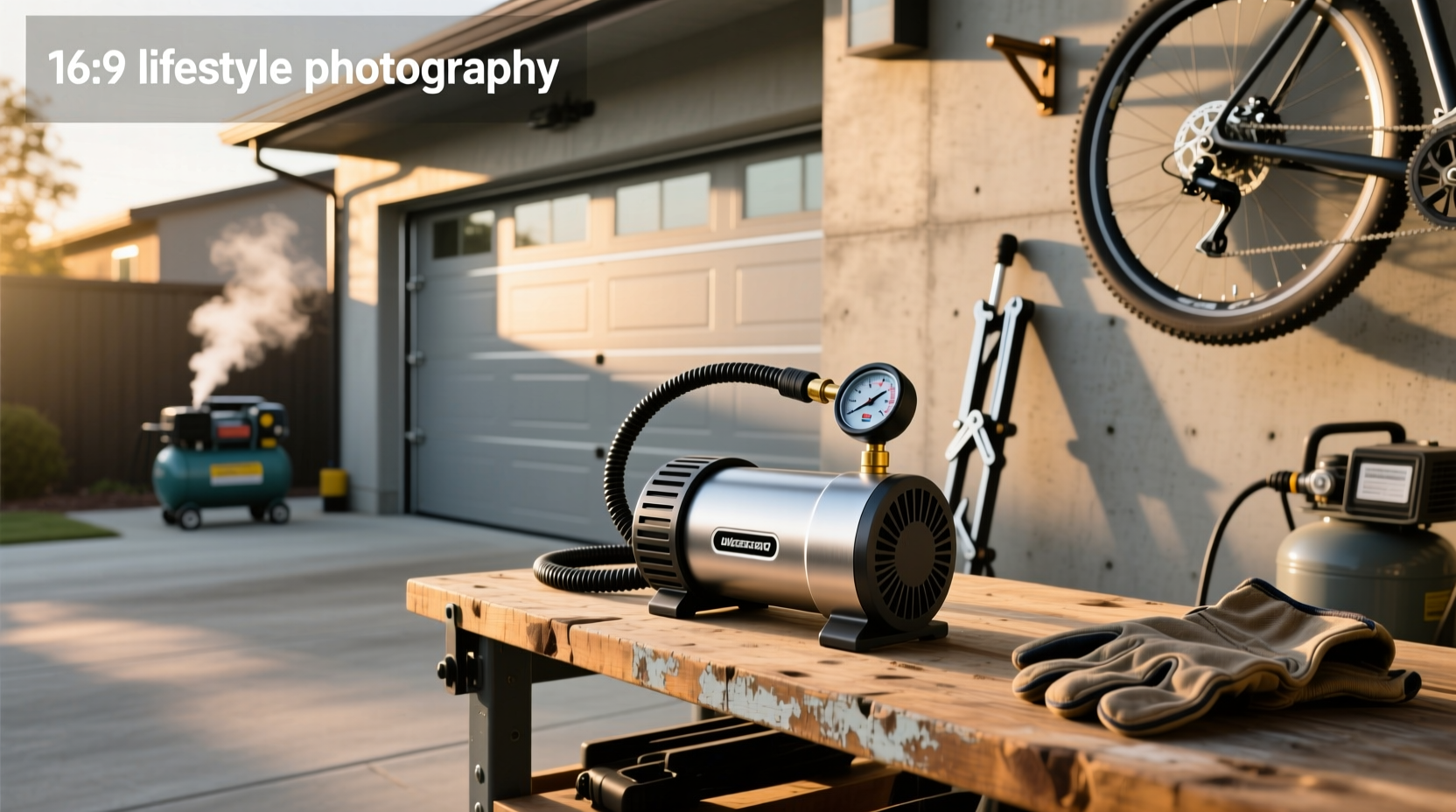
Keeping your car tires properly inflated is essential for safety, fuel efficiency, and tire longevity. A portable car tire pump offers a convenient, on-the-go solution when you notice low pressure or after temperature drops affect tire inflation. Unlike relying on gas station air compressors—which may be broken or inaccurate—having your own compact air pump lets you maintain optimal tire pressure anytime, anywhere. Whether you're preparing for winter driving, planning a road trip, or simply want peace of mind during daily commutes, understanding what makes a reliable, effective portable tire inflator is key.
This guide breaks down everything you need to know about choosing and using a portable car tire pump, from voltage types and inflation speed to battery life, durability, and smart features like digital gauges and automatic shutoff. We’ll cover common use cases, technical specifications that matter most, and practical advice to help you avoid buying an underpowered or short-lived device. By the end, you’ll understand exactly which factors align with your driving habits and vehicle type—so you can make an informed decision without falling for marketing hype.
Why Use a Portable Car Tire Pump?
Tire pressure fluctuates due to temperature changes, slow leaks, and normal wear. Underinflated tires increase rolling resistance, reducing fuel economy by up to 3%1. They also lead to uneven tread wear, shorter tire lifespan, and reduced handling performance—especially in wet conditions. Over time, even a small drop in PSI (pounds per square inch) can compromise braking distance and stability.
A portable electric tire pump gives drivers immediate control over their tire pressure. Instead of waiting until the next oil change or risking damage from prolonged underinflation, you can correct pressure within minutes. These devices are especially valuable for:
- 🚙 Drivers in regions with extreme seasonal temperature swings
- 🛣️ Long-distance travelers or frequent road trippers
- 🚛 Owners of SUVs, trucks, or RVs with higher PSI requirements
- 🚴 People who also inflate bike tires, sports balls, or inflatable gear
- 🌧️ Those living in areas where gas station air pumps are unreliable or unavailable
Unlike manual hand pumps—which require significant effort and time—a modern 12V DC or cordless lithium-powered inflator delivers consistent airflow with minimal user input. Most models plug into a vehicle’s cigarette lighter socket or run off rechargeable batteries, making them easy to store in a glove compartment or trunk.
Types of Portable Tire Inflators
Not all portable tire pumps work the same way. Understanding the differences between power sources, design layouts, and intended use helps narrow down suitable options.
🔌 Electric (12V DC) Tire Pumps
These are the most common type. They connect directly to your car’s 12-volt power outlet (cigarette lighter). Once turned on, they draw power from the vehicle's electrical system to run a small compressor motor.
✅ Pros:- Consistent power output as long as the engine is running or battery is charged
- No need to recharge the pump itself
- Generally more powerful than battery-operated models
- Lower cost compared to high-end cordless units
- Limited by cable length (typically 6–10 feet)
- Requires access to a working 12V socket
- Can drain car battery if used excessively with engine off
- Less convenient for non-car uses (e.g., bikes, camping gear)
Best for: Daily drivers looking for a budget-friendly, reliable option for occasional use.
🔋 Cordless (Battery-Powered) Tire Inflators
These operate on built-in rechargeable lithium-ion batteries (usually 14.8V, 18V, or 20V platforms). Many brands integrate these pumps into existing tool ecosystems (e.g., Ryobi ONE+, DeWalt 20V MAX).
✅ Pros:- True portability—no cords or vehicle dependency
- Can be used away from the car (bike paths, trailheads, garages)
- Often compatible with other tools’ battery systems
- Sleeker designs with integrated lights and pressure displays
- Battery depletes over time; needs recharging after several inflations
- Higher upfront cost
- May not sustain full pressure output throughout entire charge
- Some models take hours to recharge
Best for: Outdoor enthusiasts, DIYers, and owners of multiple vehicles needing flexibility.
>manual Hand & Foot Pumps
Rarely used for cars today, but still found in emergency kits. These require physical effort to generate air pressure.
✅ Pros:- No electricity needed
- Durable, no moving parts prone to failure
- Compact and lightweight
- Very slow and tiring for car tires
- Difficult to reach recommended PSI accurately
- Not practical for regular maintenance
Best for: Emergency backup only, or very light-duty applications like inflating small trailers or lawn equipment.
Key Features to Evaluate
When comparing different models, focus on measurable performance traits rather than flashy add-ons.
⚙️ Maximum PSI and CFM Output
The maximum PSI rating tells you how much pressure the pump can deliver. Most passenger cars require 32–35 PSI, while SUVs and trucks may need up to 50–60 PSI. Look for a pump rated at least 10–15 PSI above your vehicle’s requirement.
More important than peak PSI is the CFM (cubic feet per minute) at various pressures. Higher CFM means faster inflation. For example, a pump delivering 1.5 CFM at 30 PSI will fill a standard sedan tire in about 3–5 minutes. Lower-output models might take twice as long.
⚠️ Be cautious of advertised “max PSI” claims without context. Some low-quality pumps advertise 150+ PSI but deliver very little airflow beyond 50 PSI, making them ineffective for larger tires.
📏 Digital vs. Analog Pressure Gauges
Precise pressure control starts with accurate measurement.
- Digital gauges: Display exact PSI readings on an LCD screen. Often allow presetting desired pressure with auto-shutoff.
- Analog gauges: Use a mechanical dial. Can be less precise, especially in low light.
Digital models reduce guesswork and prevent overinflation. However, cheaper digital sensors may drift over time or fail in cold weather.
⏱️ Inflation Speed and Duty Cycle
Inflation speed depends on motor strength, hose diameter, and internal pump design. High-end models can inflate a flat passenger tire from 0 to 32 PSI in under 5 minutes.
Also consider the duty cycle—how long the pump can run before needing to cool down. Budget models may have a 50% duty cycle (run 2 minutes, rest 2 minutes), limiting continuous use. Premium units often support longer run times with thermal protection.
🔋 Battery Life and Charging Time (Cordless Models)
Rechargeable pumps vary widely in capacity. A typical 2000mAh battery might power two full car tire inflations before needing a recharge. Larger batteries (4000mAh+) can handle four or more.
Charging time ranges from 2 to 6 hours. Some support USB-C fast charging; others use proprietary docks. Check whether replacement batteries are available.
✨ Additional Features Worth Considering
- Auto shut-off: Stops pumping when target PSI is reached—prevents overinflation.
- Backlit display/LED light: Helps in dark environments (e.g., nighttime roadside stops).
- Multifunction nozzles: Include attachments for bikes, air mattresses, pool toys.
- Reverse mode (deflate): Allows fine-tuning pressure if slightly overfilled.
- Carry case: Protects the unit and keeps accessories organized.
Common Misconceptions About Portable Tire Pumps
Despite growing popularity, several myths persist:
❌ 'All 12V Pumps Work the Same'
No. While they all plug into the same socket, actual performance varies drastically. Low-cost models may stall when reaching higher pressures due to weak motors or poor heat dissipation.
❌ 'Higher Max PSI Means Better Performance'
Not necessarily. A pump claiming “160 PSI max” may only achieve that on a tiny balloon-like load. Real-world performance at 35–50 PSI matters more. Always check independent test results if available.
❌ 'They Can Inflate a Completely Flat Tire Quickly'
Depends on the pump. Many entry-level models struggle with tires below 10 PSI because the initial volume required is large. High-CFM compressors handle this better, but even then, expect 5–7 minutes per tire.
❌ 'Any Pump Works for Truck or Trailer Tires'
Most portable inflators are designed for passenger vehicles. Heavy-duty truck tires (requiring 80+ PSI) demand industrial-grade compressors. Confirm compatibility before purchase.
How to Use a Portable Tire Pump Safely and Effectively
Using a tire inflator seems straightforward, but mistakes happen.
- 🚗 Park on level ground and turn off the engine (if using 12V model).
- 🔋 If using a cordless pump, ensure it’s fully charged.
- 🌡️ Measure current tire pressure with a separate gauge (for accuracy).
- 🔌 Plug into power source or activate battery mode.
- 🎯 Set desired PSI on digital display (if supported).
- ⚡ Attach nozzle securely to valve stem. Listen for hissing—if present, connection is loose.
- ▶️ Start inflation. Monitor progress via gauge.
- 🛑 Stop and recheck with standalone gauge once target is reached.
- 🔧 Replace valve cap to prevent moisture and debris entry.
💡 Tip: Run the pump intermittently if it feels hot. Let it cool for 1–2 minutes every 3–4 minutes of continuous use to extend motor life.
When NOT to Rely on a Portable Tire Pump
While useful, these devices aren’t universal fixes.
- 🚫 Severe punctures or blowouts: A pump won’t help if air escapes faster than it’s added.
- 🚫 Slow leaks from sidewall damage: Temporary inflation won’t solve structural issues.
- 🚫 Commercial fleet vehicles: Require higher-duty equipment.
- 🚫 Winter emergencies in subzero temps: Battery performance drops significantly below freezing.
In such cases, prioritize safety: pull over, signal, and seek professional assistance.
Price vs. Value: What’s a Fair Cost?
Portable tire pumps range from $15 to over $150.
| Price Range | Typical Features | Best For |
|---|---|---|
| $15–$30 | Basic 12V, analog gauge, short hose, no auto-shutoff | Occasional users, emergency backup |
| $30–$60 | Digital display, LED light, moderate CFM, some with auto-shutoff | Daily drivers, families, light RV use |
| $60–$100+ | Cordless operation, high PSI/CFM, durable build, app connectivity | Enthusiasts, off-roaders, professionals |
You don’t need to spend top dollar unless you have specific demands. A well-reviewed $35 digital 12V pump often outperforms pricier gimmicky models.
Where to Buy and What to Watch For
Many major auto parts stores carry portable tire pumps. However, avoid basing decisions solely on shelf placement or promotions. Read customer reviews focusing on:
- Long-term reliability (does it last 6+ months?)
- Accuracy of pressure reading
- Build quality (plastic vs. rubberized casing)
- Customer service responsiveness
Check return policies and warranty terms. Reputable brands typically offer 1–2 year warranties.
Final Tips Before Buying
- 📌 Know your vehicle’s recommended tire pressure (found on driver’s door jamb or owner’s manual).
- 📌 Match pump output to your typical use case (city driving vs. off-road adventures).
- 📌 Prioritize verified performance metrics over brand name alone.
- 📌 Test the unit upon arrival—verify it reaches your target PSI accurately.
- 📌 Store it in a dry place; extreme heat or cold reduces battery and sensor life.
Frequently Asked Questions
- Can I leave a portable tire pump plugged in while driving?
- Yes, as long as the engine is running, the alternator will supply power without draining the battery. Avoid extended use with the engine off to prevent battery depletion.
- How often should I check my tire pressure?
- At least once a month and before long trips. Temperature drops of 10°F can reduce pressure by 1–2 PSI.
- Do portable tire pumps work on nitrogen-filled tires?
- Yes. The pump only adds compressed air; it doesn’t distinguish between oxygen and nitrogen. However, mixing gases dilutes nitrogen purity.
- Can I use a tire inflator to deflate tires?
- Some models include a reverse function or deflation button. Others require manually pressing the valve core to release air.
- Are cordless tire pumps worth the extra cost?
- If you value convenience, independence from vehicle power, or multi-use scenarios (bikes, inflatables), yes. For basic car maintenance, a 12V model may suffice.




 浙公网安备
33010002000092号
 浙B2-20120091-4