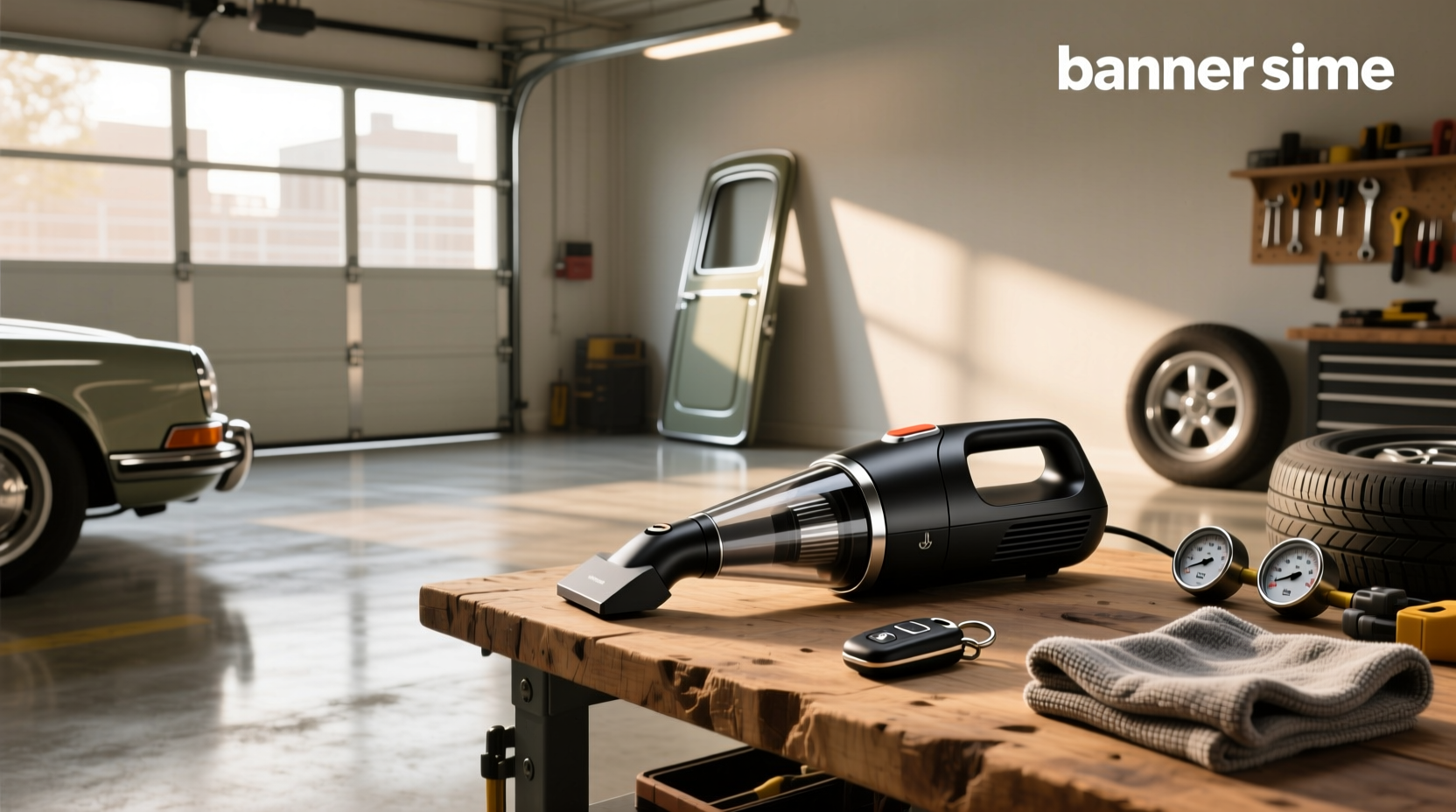
When searching for a car vacuum cleaner portable solution, the most important factor is finding a lightweight, cordless handheld device with strong suction, long battery life, and versatile attachments that can handle both dry debris and light wet spills. These compact cleaners are designed to stay in your vehicle for quick cleanups of crumbs, pet hair, dirt, and spilled liquids—making them essential for maintaining interior cleanliness between professional detailing sessions.
Why Choose a Portable Car Vacuum?
🚗 Regular maintenance of your car’s interior extends its lifespan and improves air quality. Unlike full-sized home vacuums, portable car vacuums are engineered for mobility and convenience. They typically plug into a 12V socket (cigarette lighter) or use built-in rechargeable batteries, allowing unrestricted movement during cleaning.
✅ The best models offer:
- Cordless operation for unrestricted access to tight spaces
- USB-C or USB charging compatibility for faster recharging \li>
- Wet/dry capability to clean up minor spills
- HEPA filters for trapping allergens and fine dust
- Multipurpose nozzles like crevice tools and brush heads
Key Features to Evaluate
Before purchasing a portable car vacuum, assess these core performance indicators to ensure it meets real-world demands.
🔋 Battery Life and Charging Method
Battery runtime directly affects usability. Most cordless handheld vacuums last between 10–30 minutes on a single charge. Models with removable lithium-ion batteries allow swapping for extended use, while integrated units require downtime for recharging.
⚡ Fast-charging models using USB-C ports can reach full charge in under 2 hours—a significant advantage over older micro-USB versions. Some high-end devices include a power bank function, letting you charge phones via the same unit.
💨 Suction Power (Measured in kPa or Air Watts)
Suction strength determines how well the vacuum picks up embedded dirt, sand, and pet hair. Entry-level models may offer around 6,000 Pa, while premium options exceed 15,000 Pa. For reference:
| Suction Range (kPa) | Cleaning Capability |
|---|---|
| 4,000 – 7,000 Pa | Suitable for light dust, crumbs, surface debris |
| 8,000 – 12,000 Pa | Effective on pet hair, ground-in dirt, floor mats |
| 13,000+ Pa | Strong enough for deep carpet cleaning and wet messes |
Note: Advertised suction values should be verified through independent testing, as some manufacturers inflate numbers under ideal conditions.
🗑️ Dustbin Capacity and Emptying Mechanism
Most portable vacuums have bins ranging from 0.3L to 0.6L. Larger bins reduce emptying frequency but increase size and weight. Look for models with one-touch eject mechanisms that minimize contact with debris—especially important when removing pet waste or food residue.
🧼 A transparent bin helps monitor fill level, while washable filters make long-term maintenance easier and more hygienic.
🔧 Attachments and Nozzle Types
Versatility comes from included accessories. Common attachments include:
- Crevice tool: Reaches between seats and door panels
- Upholstery brush: Gently lifts pet hair without damaging fabric
- Soft dusting brush: Ideal for dashboards and vents
- Extension wand: Adds reach for rear seats or trunk areas
Some advanced models also feature blow mode to dislodge stubborn particles before suction.
Differences Between Handheld, Canister, and Stick Styles
While all fall under “portable,” design impacts functionality:
🖐️ Handheld Vacuums
The most common type for car use. Weighing under 3 lbs, they fit easily in glove compartments. Their compact shape allows precise control in confined areas like cup holders and seat tracks.
📦 Canister Models
Slightly larger with separate motor and hose assembly. Offer stronger suction and bigger dust capacity but sacrifice portability. Best suited for users who store the vacuum at home and bring it to the car as needed.
📏 Stick-Style Vacuums
Rare in dedicated car models. More commonly used for homes but adaptable if compact. Generally too bulky for permanent storage in vehicles.
Weight and Ergonomics Matter
Lightweight models (<1.5 lbs / ~700g) reduce fatigue during prolonged use. However, very light units may compromise build quality or suction power. Balance is key—look for ergonomic grips and button placement that don’t strain fingers during operation.
📍 Tip: If you plan to keep the vacuum in the car year-round, consider temperature resistance. Extreme heat (e.g., summer interiors above 140°F/60°C) can degrade battery life over time.
Wet/Dry vs. Dry-Only Models
Not all portable vacuums handle liquid. Always check product specifications before attempting to clean up spills.
💧 Wet-capable models include sealed motors and moisture-resistant filters. They often have dual chambers or float valves to prevent water from entering the motor. Never use a dry-only vacuum on liquids—it risks permanent damage.
🧽 After wet use, disassemble and dry all components thoroughly within 24 hours to prevent mold and odor buildup.
Filter Types and Maintenance
Filtration impacts both performance and indoor air quality. Common types:
- Foam Filters: Washable and reusable; good for large particles but less effective on allergens
- Paper Bag Filters: Disposable; trap fine dust but reduce airflow over time
- HEPA Filters: Capture 99.97% of particles down to 0.3 microns; ideal for allergy sufferers
- Cyclonic + Multi-stage Filtration: Used in higher-end models to maintain suction by separating dust before it reaches the filter
🔧 Replace or clean filters every 1–3 months depending on usage. Clogged filters reduce suction and strain the motor.
How to Use a Portable Car Vacuum Effectively
Maximize results with this step-by-step routine:
- Prep the space: Remove loose items like floor mats, trash, and personal belongings.
- Start with dry settings: Use low suction first on delicate surfaces to avoid pulling fabric.
- Target high-traffic zones: Focus on driver’s seat, footwells, center console, and cup holders.
- Use appropriate nozzles: Crevice tool for gaps, brush for upholstery.
- Vent cleaning tip: Pair vacuum with compressed air to remove dust from HVAC vents.
- Empty immediately after use: Prevents odors and keeps filter efficiency high.
Common Misconceptions About Portable Car Vacuums
❌ Myth: All USB-powered vacuums are weak.
Reality: Modern USB-C models with efficient motors can deliver over 10,000 Pa of suction—enough for most car cleaning tasks.
❌ Myth: Cordless means unreliable.
Reality: Advances in lithium-ion technology have made cordless models consistently powerful and durable, especially those using standardized battery platforms (like Ryobi One+, DeWalt 20V Max).
❌ Myth: Higher voltage always means better performance.
Reality: Voltage alone doesn't determine suction. Motor efficiency, airflow design, and filtration play equal roles. A 12V model with optimized engineering can outperform a poorly designed 20V unit.
Who Should Buy a Portable Car Vacuum?
👥 This tool benefits several user groups:
- Parents: Quickly remove spilled juice, snacks, or toys debris
- Pet owners: Manage shedding fur and muddy paw prints
- Rideshare drivers: Maintain cleanliness for passenger comfort and ratings
- Outdoor enthusiasts: Clean sand, mud, or leaves after trips
- Urban commuters: Handle daily accumulation of paper, receipts, and food wrappers
Where to Store It Safely
🛠️ Ideal storage locations include:
- Glove compartment (if size permits)
- Center console
- Trunk organizer pocket
- Under-seat netting
Avoid leaving the vacuum exposed to direct sunlight or extreme cold. Prolonged exposure reduces battery longevity.
Price vs. Performance: What's Justified?
🛒 Budget models ($10–$30) work well for occasional cleanup but may lack durability or consistent suction. Mid-range units ($40–$80) offer balanced performance, better materials, and longer warranties. Premium models ($100+) often integrate smart features like LED displays, app connectivity, or modular battery systems.
📊 Consider total cost of ownership: cheaper vacuums may need replacement within a year due to motor burnout or broken plastic parts.
Environmental and Safety Considerations
🌍 When disposing of old vacuums, recycle batteries separately. Many retailers offer take-back programs for electronic waste.
❗ Never attempt to vacuum flammable liquids, chemicals, or hot ashes. Even wet-capable models are not designed for hazardous substances.
Alternatives to Dedicated Car Vacuums
If space or budget is limited, consider:
- Compressed air dusters: Blow dust out of vents and crevices
- Microfiber cloths with static charge: Pick up light debris manually
- Shop vacs with automotive kits: Powerful but impractical for daily carry
- Manual hand pumps: Low-tech, no-battery option for dust removal
How Often Should You Clean Your Car Interior?
⏱️ Frequency depends on usage:
- Daily drivers: Weekly light vacuuming, monthly deep clean
- Families with kids/pets: Every few days for high-use areas
- Seasonal vehicles: Before and after storage periods
Regular upkeep prevents dirt abrasion on fabrics and reduces allergen buildup.
Tips for Extending Vacuum Lifespan
- Clean filter after every 3–5 uses
- Store in a cool, dry place
- Avoid overfilling the dustbin
- Don’t run continuously beyond recommended time
- Inspect seals and gaskets annually for wear
Regional Differences and Availability
🔌 Electrical standards vary globally. In North America, 12V DC outlets operate at 10–13.5V. European and Asian vehicles follow similar norms but may differ slightly in plug design. Always confirm compatibility if importing a model.
Battery certifications (e.g., UL, CE, RoHS) indicate compliance with safety standards—important when buying online from international sellers.
DIY Upgrades and Modifications
🔧 Some users modify their vacuums for enhanced performance:
- Add foam padding to reduce vibration noise
- Install aftermarket HEPA filters for better filtration
- Use third-party battery packs for longer runtime
⚠️ Warning: Modifications may void warranty or create fire hazards if improperly done. Proceed with caution and knowledge of electrical systems.
Final Selection Checklist
Before buying, ask:
- Does it support both wet and dry pickup?
- Is the filter washable or replaceable?
- Can it charge via USB-C?
- Does it come with a crevice tool and brush?
- Is the bin easy to empty without touching debris?
- What is the manufacturer’s warranty period?
- Are replacement parts available long-term?
Frequently Asked Questions
Can I leave a portable car vacuum in my vehicle year-round?
Yes, but avoid prolonged exposure to extreme temperatures. Heat above 140°F (60°C) can degrade lithium-ion batteries. Store in shaded compartments or remove during summer months if possible.
How do I clean a portable car vacuum?
Disassemble the dustbin, filter, and nozzle. Rinse non-electrical parts with water and mild soap. Let all components air-dry completely before reassembly. Do not submerge the motor unit.
Are cordless car vacuums powerful enough for pet hair?
Yes, models with over 10,000 Pa suction and a motorized brush roll effectively remove embedded pet hair from carpets and upholstery. Look for units specifically labeled for pet use.
What does 'Pa' mean in vacuum specs?
'Pa' stands for Pascals, a unit measuring suction pressure. Higher Pa values indicate stronger vacuum force. For car use, aim for at least 8,000 Pa for reliable performance on pet hair and debris.
Can I use a home handheld vacuum in my car?
You can, but dedicated car vacuums are smaller, lighter, and often designed with 12V adapters or long-lasting batteries. Home models may lack portability and specialized attachments for tight automotive spaces.




 浙公网安备
33010002000092号
 浙B2-20120091-4