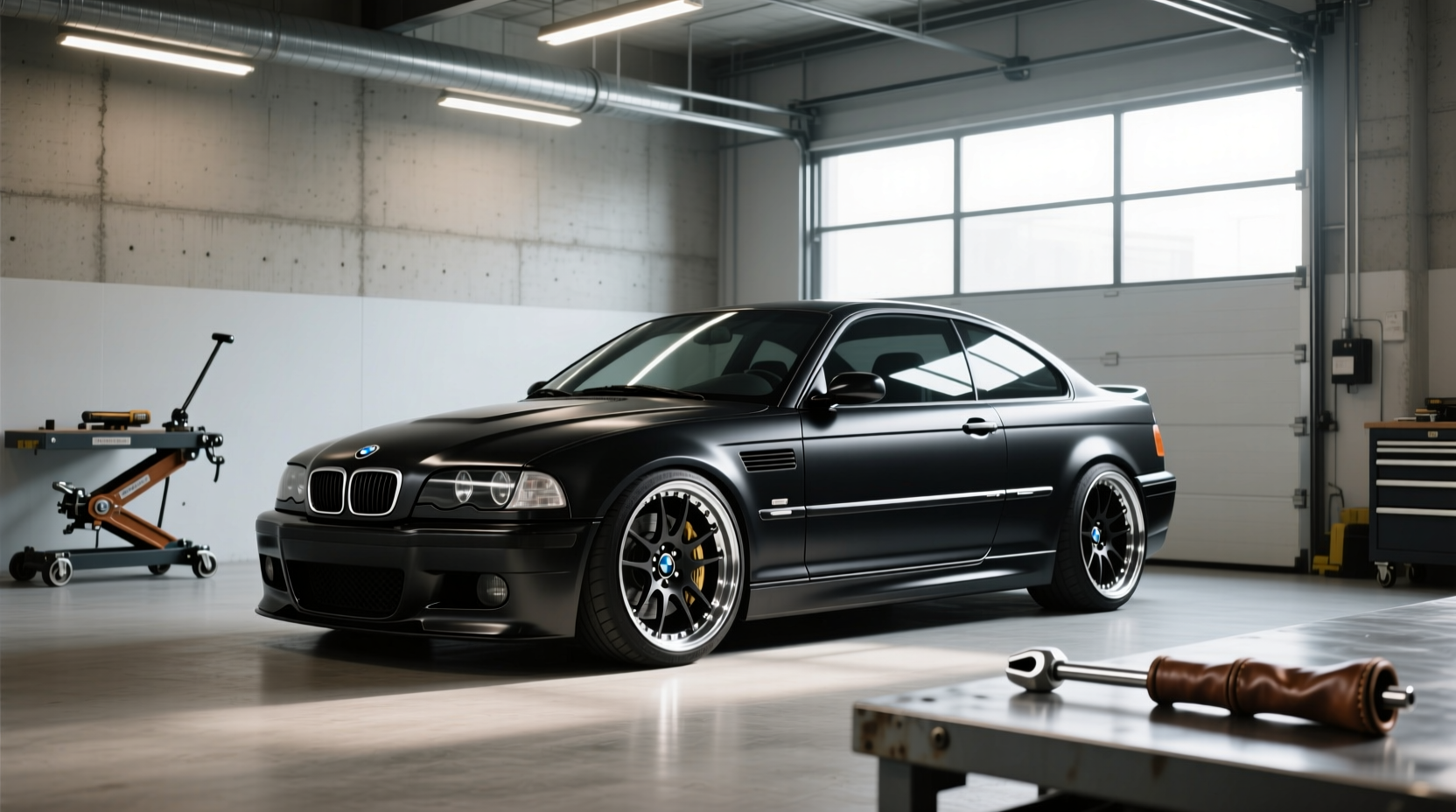
When searching for the best wheels for BMW E46, the most critical factors are proper fitment, bolt pattern (5x120), center bore (72.6mm), and offset range (+20 to +43). The ideal wheel diameter typically falls between 17 and 19 inches, balancing aesthetics, performance, and ride comfort. Aftermarket options like Apex ARC-8, BBS RSII, or OEM Style 68s offer excellent compatibility, while staggered setups (e.g., 18x8.5 front / 18x9.5 rear) enhance handling on M3 models. This guide breaks down everything you need to know—from technical specs to real-world installation tips—so you can confidently select wheels that fit perfectly and improve your E46’s driving experience.
Understanding BMW E46 Wheel Specifications
The BMW E46 (produced from 1998 to 2007) is one of the most beloved generations of the 3 Series, known for its balanced chassis, responsive steering, and timeless design. Whether you own a 325i, 330i, or M3, upgrading the wheels is a popular modification—but only if done correctly. Choosing the right wheels for a BMW E46 requires understanding several key technical parameters that determine compatibility and safety.
Bolt Pattern: 5x120 Is Standard
All E46 models use a 5x120 bolt pattern, meaning five lug bolts spaced evenly around a 120mm diameter circle. This is non-negotiable; any wheel not designed for this pattern will not mount safely without adapters—which come with trade-offs in alignment, stress distribution, and vibration control 1. Always verify the bolt pattern before purchasing.
Center Bore: 72.6mm Hub-Centric Design
The E46 has a hub-centric wheel design with a center bore of 72.6mm. This means the wheel centers itself on the hub before the lug bolts secure it, reducing vibration at speed. Some aftermarket wheels have larger bores and require hub-centric rings to fill the gap. While these rings are inexpensive and widely available, they must be used properly to maintain balance and safety.
Offset (ET): Critical for Clearance and Handling
Wheel offset—measured in millimeters as “ET”—determines how far the wheel sits in relation to the suspension and fender line. For the E46, the recommended offset range is generally +20 to +43 ET, depending on width and suspension setup:
- Front Axle: ET35 to ET43 works well for stock or mildly lowered cars.
- Rear Axle: ET35 to ET40 provides optimal clearance and flush fender alignment.
Too low an offset (e.g., ET20) pushes the wheel outward, risking rubbing against fenders or suspension components. Too high (e.g., ET50) tucks the wheel inward, increasing stress on wheel bearings and altering scrub radius.
Common OEM Wheel Sizes and Fitments
Familiarizing yourself with factory wheel sizes helps set expectations for what fits well. Common OEM configurations include:
| Model | Wheel Size | Offset (ET) | Designation |
|---|---|---|---|
| E46 325i/330i | 17x7.5 | ET47 | Style 68 |
| E46 M3 (Standard) | 18x8.5 (F), 18x9.5 (R) | ET47 (F), ET25 (R) | OEM M Double Spoke |
| E46 M3 CSL | 18x8.5 (F), 18x9.5 (R) | ET47 (F), ET25 (R) | Lightweight Alloy |
| Late Non-M Models | 17x7.5 or 18x7.5 | ET47 | Style 125, 137 |
These factory specs serve as a baseline when selecting aftermarket wheels. Staggered setups (wider rears) are especially effective on the M3 due to its rear-wheel-drive dynamics and wider rear track.
Aftermarket Wheel Options: Types and Materials
Aftermarket wheels fall into three main manufacturing categories: cast alloy, flow-formed, and forged. Each offers different benefits in weight, strength, and cost.
Cast Alloy Wheels
✅ Pros: Affordable, widely available
❌ Cons: Heavier, less durable under impact
Cheap cast wheels are common on budget builds but add unsprung weight, which hurts ride quality and responsiveness. However, some higher-end cast wheels (like BBS SR or RK) use refined processes for better integrity.
Flow-Formed Wheels
✅ Pros: Lighter than cast, stronger barrel, mid-range price
❌ Cons: Not as light as forged
Flow-forming stretches the rim area during production, aligning metal grains for increased strength. Brands like Apex ARC-8 and Volk TE37 use this method, offering near-forged performance at lower cost. These are among the best value wheels for BMW E46 owners seeking performance gains without breaking the bank.
Forged Wheels
✅ Pros: Extremely strong, very lightweight, customizable
❌ Cons: Expensive, longer lead times
Forged wheels start as solid aluminum blanks pressed under extreme pressure. They’re significantly lighter—often 2–4 lbs per wheel less than flow-formed equivalents—improving acceleration, braking, and handling. Examples include Apex EC-7RS and Vorsteiner VSE-104. Ideal for track-focused E46s, though overkill for daily drivers on a budget.
Popular Aftermarket Wheel Choices for E46
Based on community feedback, durability, and aesthetic harmony with the E46’s design, certain wheels stand out as top recommendations.
Apex ARC-8
One of the most respected flow-formed wheels for the platform, the Apex ARC-8 combines a classic 5-spoke design with modern engineering. Available in 17x9 ET35 and 18x9.5 ET35, it fits both square and staggered setups. Its low weight (~17.2 lbs for 17”) reduces rotational mass, improving throttle response 2.
BBS Wheels (RSII, LM, CH)
BBS has long been synonymous with BMW performance. The BBS RSII (18x8.5 ET45) offers a clean mesh look and legendary build quality. The BBS LM (18x8.5 ET47) is a period-correct choice for show or restoration builds. While older models may be used, new BBS wheels remain a benchmark for fit and finish.
Work Meister S1
A favorite in the JDM-inspired scene, the Work Meister S1 features a deep concave 10-spoke design. Typically run in 18x9 ET35 (front) and 18x10 ET25 (rear), they require careful fender and camber checks. Their visual impact is high, but fitment isn’t plug-and-play on stock suspensions.
OEM+ Style Replicas
For those who prefer subtle upgrades, replica versions of OEM designs like Style 68, Style 85, or Style 137 offer authentic looks at lower prices. Many are made with improved finishes and tighter tolerances than original equipment.
Choosing the Right Diameter and Width
While the best wheel size for BMW E46 depends on use case, here’s a breakdown by application:
Daily Drivers: 17-inch Wheels
🔧 Recommended: 17x8 ET35 or 17x7.5 ET47
✨ Benefits: Softer ride, better bump absorption, lower tire cost
A 17-inch wheel paired with a 225/45R17 front and 255/40R17 rear offers excellent all-around performance. It maintains speedometer accuracy and avoids excessive sidewall strain.
Street Performance: 18-inch Wheels
⚡ Recommended: 18x8.5 ET35 (F), 18x9.5 ET35 (R)
⚙️ Tire Combo: 225/40R18 front, 255/35R18 rear
This is the sweet spot for most enthusiasts. It enhances visual presence without sacrificing too much ride comfort. Properly aligned, it supports aggressive driving and cornering grip.
Track or Show Builds: 19-inch and Larger
❗ Caution: Increased risk of curb damage, harsh ride, potential fender contact
📌 Use Case: Lowered cars with modified fenders or widebody kits
Wheels over 19 inches (e.g., 19x10 ET25) demand precise suspension tuning. Without adequate camber or fender rolling, rubbing is likely. Only recommended for dedicated builds.
Staggered vs. Square Wheel Setups
A common decision point is whether to run a staggered (different front/rear widths) or square (same all around) configuration.
Staggered Setup
- Typical Sizes: 18x8.5 F / 18x9.5 R
- Pros: Improved rear traction, sportier appearance, better for RWD dynamics
- Cons: Cannot rotate tires front-to-back, slightly uneven wear patterns
Ideal for M3 owners or those prioritizing corner exit grip.
Square Setup
- Typical Sizes: 18x8.5 all around
- Pros: Full tire rotation possible, balanced handling, simpler maintenance
- Cons: Slightly less rear grip than staggered
Better for N/A 325i/330i models or drivers focused on longevity and serviceability.
Common Fitment Mistakes to Avoid
Even experienced modifiers make errors when upgrading E46 wheels. Here are frequent pitfalls:
Ignoring Suspension Changes
If you’ve lowered your E46 with coilovers or springs, your wheel clearance changes. A wheel that fits stock may rub when compressed over bumps. Always test-fit or use a fitment calculator.
Using Incorrect Center Bore Adapters
Never rely solely on lug bolts to center the wheel. Use proper 72.6mm hub-centric rings to prevent vibration and uneven loading.
Overlooking Tire Stretching
Mounting narrow tires on wide wheels (“stretched”) can compromise safety. While a slight stretch (e.g., 225mm tire on 8.5” wheel) is acceptable, going beyond manufacturer limits risks bead unseating.
Mismatched Lug Hardware
E46 uses 14mm x 1.5 thread pitch lug bolts. Aftermarket wheels may require different seat types (conical, ball seat, flat). Using incorrect lugs can lead to loosening or damage.
Tire Selection: Matching Your Wheels
No wheel upgrade is complete without proper tires. Recommended pairings:
- 17x8 ET35: 225/45R17 (F), 255/40R17 (R)
- 18x8.5 ET35: 225/40R18 (F), 255/35R18 (R)
- 19x9.5 ET35: 245/35R19 (F), 275/30R19 (R)
Always consult a tire fitment guide and ensure load/speed ratings meet or exceed OEM specs.
Where to Buy Wheels for E46
🛒 Trusted sources include specialized online retailers like Turner Motorsport, Fitment Industries, and fifteen52. eBay and forums like r/BMW offer used options, but inspect for curb rash, cracks, and true roundness. New wheels should come with warranty and fitment support.
Maintenance Tips After Installation
📍 Once installed, check lug torque after 50 miles. Recheck periodically, especially after off-road use or impacts. Clean wheels regularly with pH-neutral cleaners to avoid corrosion, especially with polished or machined finishes.
Final Recommendations
The best wheels for BMW E46 depend on your priorities: OEM elegance, track performance, or street presence. For most users, a set of 18-inch flow-formed wheels like the Apex ARC-8 in ET35 offers the best balance of function, form, and reliability. Always prioritize correct offset, hub centricity, and tire compatibility over aesthetics alone.
Frequently Asked Questions
❓ Can I use E39 or E53 wheels on my E46?
No. While some BMWs share the 5x120 bolt pattern, E39 and X5 (E53) models often have a larger center bore (74.1mm) and incompatible offsets. Even with adapters, alignment and bearing stress become concerns.
❓ What is the ideal offset for 18-inch wheels on E46?
For 18x8.5 wheels, ET35 to ET40 is ideal. This keeps the wheel flush with the fender without rubbing. Wider 18x9.5 wheels should also aim for ET35, especially in the rear.
❓ Do I need spacers for aftermarket wheels on E46?
Only if the offset is too high (wheels tucked in). Small spacers (5–10mm) with extended studs can help achieve a flush look. Avoid large spacers (>15mm) unless using hub-centric designs and proper hardware.
❓ Are forged wheels worth it for a daily-driven E46?
For daily drivers, forged wheels offer marginal real-world benefits unless paired with performance tires and suspension. Flow-formed wheels provide 80–90% of the benefit at half the cost.
❓ Can I run square 19-inch wheels on my E46 M3?
Possible, but not ideal. The M3’s rear fenders accommodate wider tires better. Running 19x9.5 all around may underutilize rear grip. A staggered setup (e.g., 19x9.5 F / 19x10.5 R) is preferred for balance.




 浙公网安备
33010002000092号
 浙B2-20120091-4