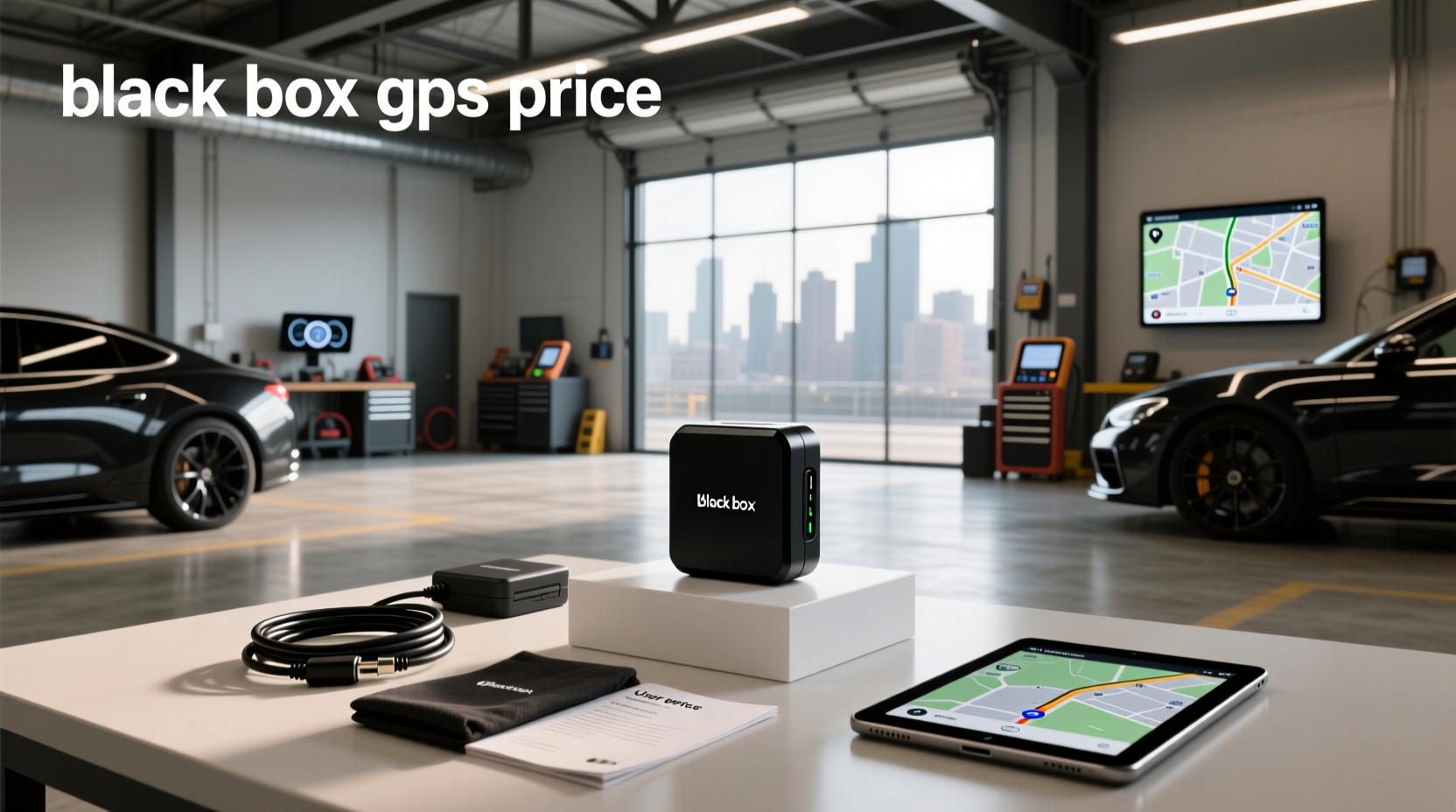
If you're searching for black box GPS price information, you're likely comparing vehicle tracking devices for personal or commercial use. The average cost of a black box GPS tracker ranges from $35 to $150 (₹2,500–₹12,000), depending on features like real-time tracking, engine lock compatibility, SIM validity, and installation type. However, the true value isn’t just in the upfront cost—it’s in reliability, coverage, data accuracy, and long-term usability. This guide breaks down every factor that influences black box GPS pricing, helps you avoid overpaying for unnecessary features, and shows how to choose the right device based on your actual needs—whether it’s for a car, bike, fleet, or asset monitoring.
What Is a Black Box GPS Device?
A black box GPS (also known as a vehicle tracking device or telematics unit) is a compact electronic system installed in vehicles to monitor location, speed, driving behavior, and engine status. It typically combines GPS technology with cellular networks (GSM/GPRS) to transmit data to a cloud-based platform accessible via smartphone apps or web dashboards 🌐. These devices are used by individuals for theft prevention and by businesses for fleet management, route optimization, and driver safety monitoring ⚙️.
The term "black box" comes from aviation, where flight data recorders store critical operational information. In automotive contexts, it refers to an unobtrusive device that continuously logs vehicle activity without user intervention ✅.
Understanding Black Box GPS Price Ranges
When evaluating black box GPS prices, it's essential to understand that cost varies significantly based on functionality, brand, region, and service inclusions. Based on current market trends in India and other emerging markets (where such devices are widely adopted due to regulatory requirements like AIS-140), here’s a general breakdown:
| Price Range (INR) | Price Range (USD) | Common Features | Typical Use Cases |
|---|---|---|---|
| ₹2,500 – ₹4,000 | $35 – $55 | Basic GPS tracking, SMS alerts, OBD-II plug-and-play, 1-year SIM validity | Personal cars, bikes, small fleets |
| ₹4,000 – ₹8,000 | $55 – $110 | Real-time tracking, mobile app access, geofencing, speed alerts, water-resistant design | Fleets, commercial trucks, rental vehicles |
| ₹8,000 – ₹30,000+ | $110 – $400+ | AIS-140 compliance, IRNSS support, remote engine cut-off, CAN bus integration, tamper detection | Government-regulated transport, logistics companies, school buses |
As shown, lower-priced models (under ₹4,000) often prioritize affordability and ease of installation but may lack advanced analytics or durability 🔧. Mid-range units offer better software integration and customer support, while high-end trackers meet legal standards for public transportation and heavy-duty operations 🚚.
Key Features That Impact Black Box GPS Cost
Not all GPS trackers are created equal. Several technical and functional aspects directly influence the final black box GPS price. Understanding these will help you assess whether a higher price is justified or if you’re paying for features you don’t need.
1. Connectivity and Network Support 📶
Most black box GPS devices rely on cellular networks (2G/3G/4G) to send location data. Devices supporting dual-mode GNSS (GPS + IRNSS/GLONASS) provide more accurate positioning, especially in urban canyons or remote areas. Support for India’s indigenous IRNSS (NavIC) is now mandatory under AIS-140 regulations for commercial vehicles, which increases manufacturing costs ⚡.
Additionally, built-in SIM cards with nationwide coverage add to the initial price but eliminate setup hassles. Some vendors bundle 12 months of data plans—this should be factored into total ownership cost rather than just hardware price alone.
2. Installation Type: Plug-and-Play vs Hardwired 🔌
OBD-II plug-and-play trackers are cheaper and easier to install—they simply connect to the vehicle’s diagnostic port. However, they can be easily unplugged, making them less secure for anti-theft purposes.
Hardwired installations, though requiring professional setup, are more reliable and discreet. They draw power directly from the battery and are often integrated with ignition circuits for remote engine locking—a feature common in mid-to-high-end models priced above ₹5,000.
3. Real-Time Tracking and App Integration 📱
Entry-level trackers may only offer periodic updates or require manual queries via SMS. True real-time tracking—updating every 10–30 seconds—is available in pricier models and requires constant internet connectivity. Companion apps (like BLACK BOX FMS on Google Play) enhance usability with live maps, trip history, and alert systems 🔍.
Look for apps that allow multiple users, geofence creation, and report generation. These tools are crucial for business fleets managing multiple vehicles simultaneously.
4. Durability and Environmental Protection 🛡️
Water resistance (IP65 or higher rating), dustproofing, and wide operating temperature ranges increase production costs. For vehicles exposed to harsh conditions (e.g., construction equipment, agricultural machinery), ruggedized enclosures justify a premium price tag.
5. Compliance with Local Regulations 🏛️
In India, the AIS-140 standard mandates specific technical requirements for GPS tracking devices used in public transport. AIS-140 certified units must include features like emergency buttons, data logging, and interoperability with government monitoring systems. This certification process adds to development and testing expenses, pushing prices upward.
If you operate a commercial fleet, purchasing non-compliant devices could result in fines or rejection during inspections. Always verify AIS-140 certification before buying for regulated applications.
Hidden Costs Beyond the Initial Black Box GPS Price
The sticker price is only part of the story. To make an informed decision, consider the following ongoing or indirect costs:
- Subscription Fees: Many platforms charge monthly or annual fees for server access, data storage, and software updates. While some brands offer free basic services, advanced features (e.g., video integration, AI-driven analytics) usually require paid tiers.
- SIM Recharge Plans: After the included 12-month validity expires, users must renew data plans. Check current rates with providers—some offer bundled IoT SIMs at lower rates than consumer plans.
- Installation Charges: While OBD-II devices are DIY-friendly, hardwired units may cost ₹500–₹1,500 extra for professional installation, depending on complexity and location.
- Maintenance & Repair: Dust, moisture, and vibration can degrade performance over time. Ensure warranty coverage (typically 1 year) and availability of local service centers.
Ignoring these elements can lead to unexpected expenses months after purchase. Always ask: "What does this quote include beyond the device?"
Use Case Scenarios: Matching Device Type to Need
Choosing the right black box GPS isn’t about finding the cheapest or most expensive option—it’s about alignment with your use case. Here’s how different users should approach selection:
For Personal Vehicle Owners 👨👩👧
If you want peace of mind against theft or wish to monitor family members’ driving habits, a budget-friendly OBD-II tracker (₹2,500–₹4,000) with real-time alerts and app access is sufficient ✅. Prioritize ease of use, battery backup, and SMS notifications in case of unauthorized movement.
For Two-Wheeler Protection 🏍️
Bikes are frequent targets for theft. Due to limited space and exposure to weather, opt for compact, waterproof models with internal antennas. Since OBD ports aren’t standard on motorcycles, hardwired installation is typical. Expect to pay ₹3,500–₹6,000 for a reliable solution.
For Fleet Managers and Logistics Companies 🏭
Businesses managing five or more vehicles benefit from centralized dashboards, fuel monitoring, and driver behavior analysis. Invest in AIS-140 compliant devices (₹8,000+) even if not legally required—standardization improves scalability and reduces vendor lock-in risks.
Also evaluate API access for integrating tracking data into existing ERP or dispatch systems. Long-term savings from optimized routing and reduced idle time far outweigh initial hardware costs 📈.
For Asset Tracking (Trailers, Generators, Equipment) 🧰
Non-vehicle assets often sit idle for weeks. Choose low-power GPS trackers with extended battery life (6–12 months). Solar-powered variants exist for continuous outdoor use. These specialized units fall outside typical “black box” categories but serve similar functions at comparable price points.
Regional Differences in Availability and Pricing
While much of the online discussion around black box GPS price focuses on Indian markets (due to strong domestic demand and regulation), availability and cost vary globally:
- India: High competition among local manufacturers keeps prices competitive. Brands like BlackBox GPS Technology dominate due to early adoption of AIS-140 standards.
- USA/Europe: Emphasis is on privacy laws and data security. Devices may cost more ($100–$200) but come with stronger encryption and GDPR compliance.
- SE Asia/Africa: Imported units face import duties, increasing retail prices. However, open-source platforms and generic Chinese modules offer affordable alternatives, albeit with spotty support.
Always confirm regional network compatibility—devices designed for Indian 2G bands may not work reliably in North America.
Common Misconceptions About Black Box GPS Trackers
Before finalizing a purchase, dispel these myths that often mislead buyers:
❌ Myth: All GPS Trackers Work Everywhere
Reality: Signal loss occurs in tunnels, underground parking, and dense forests. Assisted GPS (A-GPS) helps, but no device guarantees 100% uptime. Also, cellular dead zones prevent data transmission even when GPS works.
❌ Myth: Cheaper Devices Are Just as Good
Lower-cost units may skimp on firmware quality, leading to delayed alerts or inaccurate coordinates. Independent reviews suggest that sub-₹3,000 trackers have higher failure rates within 18 months.
❌ Myth: Once Installed, No Maintenance Is Needed
All electronic components degrade. Moisture ingress, loose connections, and SIM deactivation are common issues after 1–2 years. Schedule periodic checks to ensure continued operation.
How to Evaluate Vendor Credibility
With numerous sellers offering similar specs at varying prices, vetting suppliers is crucial. Consider these checkpoints:
- Certifications: Look for ISO standards, AIS-140 marks, or CE/FCC approvals.
- Customer Support: Test response times via email or phone before buying. Delayed support during emergencies defeats the purpose of tracking.
- Software Updates: Does the company release regular firmware patches? Outdated software can introduce security vulnerabilities.
- User Reviews: Search for independent feedback on forums like Reddit or industry-specific groups. Be cautious of overly positive listings on e-commerce sites.
Tips for Getting the Best Value
To maximize return on investment when purchasing a black box GPS:
- Define Your Needs First: List must-have features (e.g., engine cutoff, SOS button) versus nice-to-haves (voice calling, camera).
- Compare Total Cost of Ownership: Include SIM renewals, software fees, and potential installation.
- Negotiate Bundles: For fleets, request volume discounts or free installation.
- Check Return Policies: Ensure you can test the device in real-world conditions.
- Avoid Lock-In Contracts: Prefer platforms that allow data export and third-party integrations.
Frequently Asked Questions (FAQs)
Can a black box be tracked?
Yes, a black box GPS device itself transmits its location using satellite and cellular networks. The data is sent to a server where authorized users can view it via apps or websites.
Does Black Box have GPS?
Yes, all modern black box tracking devices include GPS receivers to determine precise geographic position. Most also support additional satellite systems like GLONASS or IRNSS for improved accuracy.
What is the best hidden GPS tracker?
The "best" depends on use case. For covert installation, look for magnet-mounted or hardwired mini-trackers with long battery life. Key factors include size, signal strength, and stealth design.
How do I tell if there's a tracking device on my car?
Physically inspect common hiding spots: under seats, near the OBD-II port, inside bumpers, or wheel wells. Use a radio frequency (RF) detector to scan for active transmitters. Unusual battery drain may also indicate a hidden device.
Are black box GPS devices legal?
They are legal when used transparently and ethically. In many countries, installing a tracker on a vehicle you own is permitted. However, placing one on someone else’s vehicle without consent may violate privacy laws.




 浙公网安备
33010002000092号
 浙B2-20120091-4