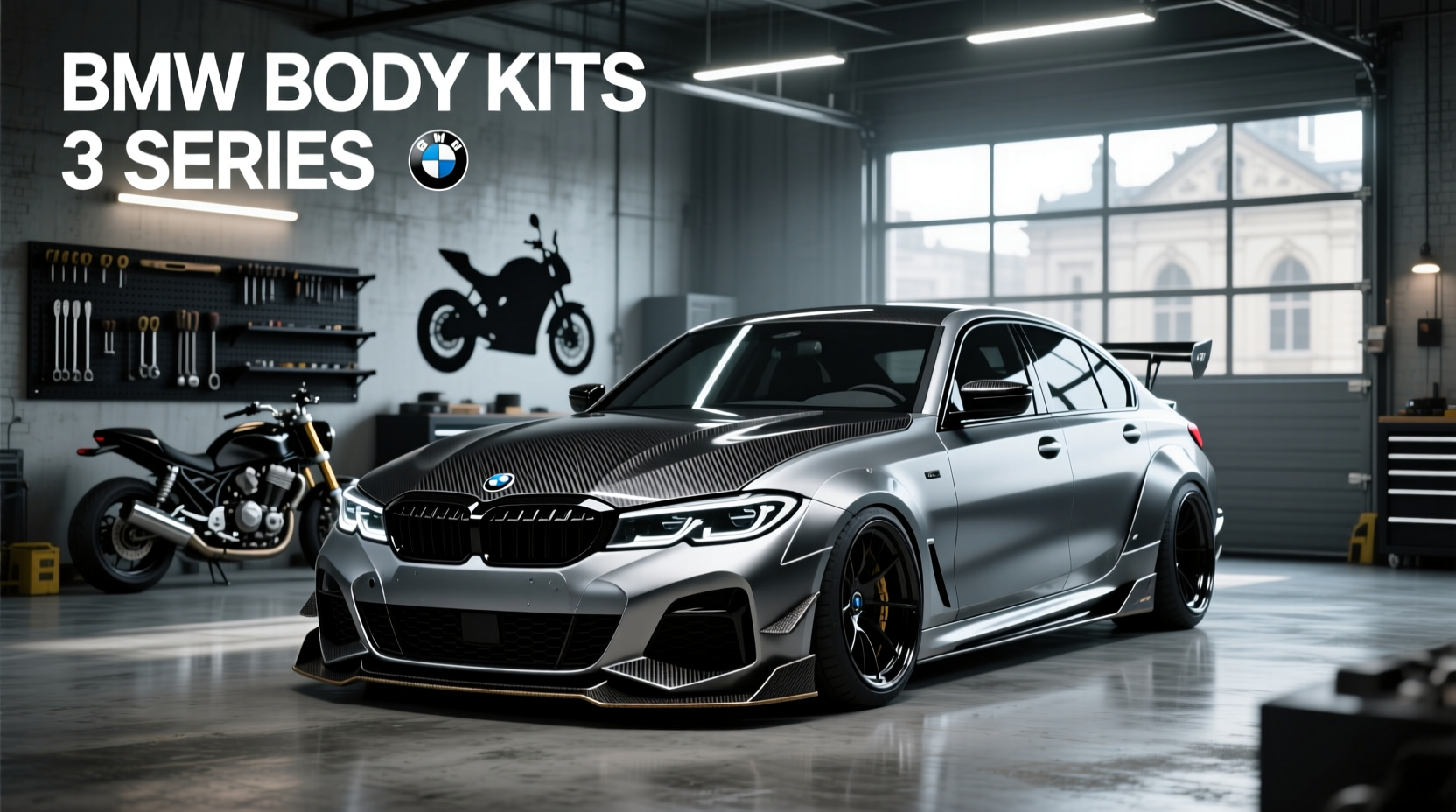
If you're searching for a BMW body kits 3 series that enhances both aesthetics and aerodynamics, you’re not alone. Thousands of enthusiasts upgrade their E46, F30, G20, and other 3 Series models each year with aftermarket body kits to achieve an aggressive stance, improved airflow, and M3-inspired styling. But choosing the right one involves more than just looks—it requires understanding fitment compatibility, material durability, pricing ranges, and installation complexity. This guide breaks down everything you need to know before buying a BMW 3 Series body kit, including real-world costs, common pitfalls, and expert tips to help you make a confident decision.
Understanding BMW 3 Series Body Kits: What They Are and Why People Install Them
A body kit is a collection of exterior components designed to modify the appearance and sometimes the aerodynamic performance of a vehicle. For the BMW 3 Series—spanning generations like the E36 (1990–1998), E46 (1999–2006), E90/E91/E92/E93 (2005–2011), F30/F31/F34/F35 (2012–2019), and G20/G28 (2019–present)—body kits typically include front and rear bumpers, side skirts, fender flares, hood vents, and spoilers.
🛒 Why install a body kit? Enthusiasts choose body kits for several reasons:
- Styling transformation: Turn a stock sedan into a track-inspired machine.
- Wider stance: Accommodate larger wheels and tires, especially with widebody kits.
- Aerodynamic gains: Some kits are engineered to reduce lift and improve high-speed stability.
- Personalization: Stand out from factory trims with unique designs like Pandem, ISB, or BKSS styles.
However, not all kits deliver equal value. The difference between a successful upgrade and a costly mistake often comes down to research, fitment accuracy, and material choice.
BMW 3 Series Generations and Compatibility: Matching Kits to Your Model
One of the most common mistakes buyers make is assuming body kits are interchangeable across 3 Series generations. They are not. Each chassis has distinct dimensions, mounting points, and lighting configurations.
📍 Key BMW 3 Series Chassis Codes and Years:
| Generation | Model Code | Production Years | Common Body Kit Types |
|---|---|---|---|
| Third Gen | E36 | 1990–1998 | ISB Style, Pandem Widebody, OEM+ |
| Fourth Gen | E46 | 1999–2006 | I-Design, Duraflex, Streetfighter LA |
| Fifth Gen | E90/E92 | 2005–2011 | Carbonado PCF8460M1, CSL-style |
| Sixth Gen | F30/F35 | 2012–2019 | GV Style, DarwinPRO Aerodynamic |
| Seventh Gen | G20/G28 | 2019–Present | BKSS Style, Carbon Fiber Aero |
🔧 Tips for Ensuring Fitment:
- Always verify your exact model code (found on driver’s door jamb or VIN decoder).
- Check whether the kit is designed for sedan, wagon (Touring), coupe, or convertible variants.
- Confirm if headlights, fog lights, or sensors require modification.
For example, a DarwinPRO Aerodynamic GV Style Carbon Fiber Full Body Kit listed at $5,665 is specifically made for F30/F35 models (2013–2019). Installing it on a G20 would require extensive modifications—or be impossible.
Types of BMW 3 Series Body Kits: From Mild to Wild
Body kits vary widely in design philosophy and aggressiveness. Understanding these categories helps align expectations with real-world results.
1. OEM+ Style Kits
These mimic factory M Sport or M Performance parts but offer subtle enhancements. Often made from factory-compatible materials like ABS plastic, they bolt on with minimal modification.
- ✅ Pros: Clean look, easy installation, paintable to match.
- ❌ Cons: Less visual impact; may not accommodate wide wheels.
2. Full Body Kits (Front + Rear + Sides)
The most common type, including front bumper, rear valance, and side skirts. Brands like Duraflex and DrivenByStyle offer 4-piece kits starting around $700.
- ✅ Pros: Balanced aesthetic upgrade, widely available.
- ❌ Cons: May require trimming or alignment adjustments.
3. Widebody Kits
These dramatically widen the fenders to allow for stretched tire setups or aggressive offsets. Examples include the STREETFIGHTER LA Wide Body Kit for E36 ($1,895–$2,295) or Krotov kits for E46.
- ✅ Pros: Enables extreme wheel fitment, race-car stance.
- ❌ Cons: Requires professional fabrication, high cost, potential legal issues in some regions.
4. Carbon Fiber Kits
Made from real or faux carbon fiber, these kits prioritize weight savings and premium finish. Real carbon fiber kits (like those from DarwinPRO or CarbonCreations) can exceed $5,000.
- ✅ Pros: Lightweight, UV-resistant, high resale appeal.
- ❌ Cons: Expensive, prone to cracking under impact.
Materials Used in BMW 3 Series Body Kits: Pros, Cons, and Longevity
The material determines durability, repairability, and final appearance. Here’s a breakdown of the most common options:
| Material | Pros | Cons | Avg. Price Range |
|---|---|---|---|
| Fiberglass | Inexpensive, lightweight, paintable | Brittle, cracks easily, hard to repair | $400–$1,200 |
| Duraflex (Polyurethane Blend) | Flexible, impact-resistant, OEM-like finish | Can warp in heat, harder to paint | $600–$1,500 |
| ABS Plastic | Durable, factory-match quality, easy install | Limited availability, higher cost | $800–$2,500 |
| Real Carbon Fiber | Lightweight, stiff, premium look | Very expensive, fragile, UV degradation over time | $3,000–$14,000+ |
| FRP (Fiberglass Reinforced Polymer) | Balanced strength and cost | Heavier than carbon, less flexible than urethane | $500–$1,800 |
🏭 Manufacturing Notes: Fiberglass kits are often hand-laid, leading to slight variances between units. Pre-painted kits are rare; most arrive unpainted and require professional prep and paint.
Pricing Breakdown: How Much Should You Expect to Pay?
Based on current market data, prices for BMW 3 Series body kits range from under $100 for individual unpainted fiberglass pieces to over $14,000 for full carbon fiber widebody systems.
💰 Price Tiers:
- Budget (<$800): Basic fiberglass kits (e.g., 4-piece unpainted sets from CARiD or eBay).
- Mid-Range ($800–$3,000): Durable polyurethane or well-finished fiberglass kits (e.g., DrivenByStyle I-Design).
- Premium ($3,000–$7,000): Carbon fiber or widebody systems (e.g., DarwinPRO GV Style).
- High-End (>$7,000): Custom-built, race-proven widebody kits with suspension integration.
⚠️ Be cautious of extremely low-priced kits (<$300). These may use thin fiberglass, lack reinforcement, or have inaccurate molds, leading to poor fitment and safety risks.
Installation: DIY vs Professional – What You Need to Know
Installing a body kit is not as simple as bolting on new wheels. It involves precise alignment, potential drilling, and often custom painting.
⏱️ Time & Skill Requirements:
- DIY Installation: Possible for experienced owners with tools and a garage. Expect 10–20 hours for a full kit. Risk of misalignment or damage during removal of factory bumpers.
- Professional Installation: Recommended for carbon fiber, widebody, or complex kits. Labor costs range from $800 to $2,000 depending on region and shop expertise.
🧰 Tools Typically Needed:
- Socket set, trim removal tools
- Measuring tape, clamps
- Fiberglass resin (if modifying)
- Paint booth access (for finishing)
❗ Critical Step: Always dry-fit components before final installation. This reveals gaps, misalignments, or interference with suspension or cooling systems.
Painting and Finishing: Don’t Skip This Step
Most body kits arrive in raw, unpainted form (black gelcoat or primer). Painting is essential for durability and aesthetics.
🎨 Paint Options:
- Match to Factory Color: Most popular. Use your VIN to get exact paint code.
- Contrast Wrap or Decals: Lower cost alternative, but less durable.
- Naked Carbon Fiber Finish: Only for real carbon fiber; requires UV protection coating.
🧼 Maintenance Tip: Fiberglass and carbon fiber are porous. Without proper clear coat, they degrade under sun exposure and road grime.
Legal and Insurance Considerations
Modifying your BMW’s bodywork can affect legality and insurance coverage.
🌐 Regional Differences:
- In the EU, widened fenders may require technical inspection approval.
- In the US, regulations vary by state—some prohibit protruding body panels beyond the original wheel arch limits.
- In Australia and Canada, modified vehicles must pass safety inspections to remain road-legal.
👥 Insurance Impact: Declare modifications to your insurer. Failure to do so could void coverage in an accident. Some insurers increase premiums for aftermarket body kits due to higher repair costs.
Where to Buy BMW 3 Series Body Kits: Online Retailers and Marketplaces
Several platforms offer body kits, each with trade-offs:
- Specialty Tuning Shops (e.g., Andy's Auto Sport, Vivid Racing): High reliability, fitment guides, customer support. Prices reflect premium service.
- eBay & Facebook Marketplace: Can find used or discounted kits, but risk of damage, scams, or incorrect fitment.
- AliExpress & Alibaba: Source for budget fiberglass kits. Long shipping times, inconsistent quality control, no local returns.
- Brand Direct (e.g., DarwinPRO, Bulletproof Automotive): Best for latest designs and engineering. Direct warranties and tech support.
🚚 Shipping Note: Large kits (especially widebody) are heavy and may incur high delivery fees. Check if shipping includes handling for fragile items.
Common Mistakes to Avoid When Buying a BMW 3 Series Body Kit
Even seasoned enthusiasts make errors. Here are the top pitfalls:
- Ignoring Fitment Charts: Assuming a kit fits “all 3 Series” leads to costly returns.
- Skipping Paint Budget: A $1,000 kit needs $500–$1,200 in paint and labor to look factory-quality.
- Underestimating Installation Complexity: Widebody kits often require welding or fender rolling.
- Choosing Cheap Materials: Thin fiberglass cracks on speed bumps or minor impacts.
- Not Checking Local Laws: Aggressive kits may fail emissions or safety inspections.
Performance vs. Aesthetics: Do Body Kits Improve Driving Dynamics?
While many buyers focus on looks, some kits claim aerodynamic benefits.
⚙️ Real-World Impact:
- Well-designed front lips can reduce front-end lift at high speeds.
- Side skirts streamline airflow along the underbody.
- Rear diffusers manage turbulent air, potentially improving stability.
However, most aftermarket kits are not wind-tunnel tested. True performance gains require matching with suspension, alignment, and underbody panels. For daily drivers, the benefit is mostly cosmetic.
Resale Value and Depreciation
Modified cars often face lower resale value unless the audience is niche collectors.
📈 Consider:
- A tasteful OEM+ kit may not hurt value much.
- Extreme widebody setups limit buyer pool and may require reversion to stock for maximum sale price.
- Keep original factory parts in case you want to restore the car later.
FAQs About BMW 3 Series Body Kits
Here are answers to common follow-up questions based on user searches and forum discussions.
Can I install a BMW 3 Series body kit myself?
Yes, if you have mechanical experience, the right tools, and patience. Simple bolt-on kits (like 4-piece fiberglass sets) are DIY-friendly. Widebody or carbon fiber kits should be installed professionally due to precision requirements.
Are carbon fiber body kits worth the price?
Only if you prioritize weight reduction and premium appearance. Real carbon fiber is expensive and brittle. Many buyers opt for high-quality painted fiberglass or Duraflex for better durability at lower cost.
Do body kits affect fuel efficiency?
Minimal impact. While aerodynamic kits can reduce drag, most aftermarket designs aren’t optimized for efficiency. Added weight from larger bumpers may offset any gains.
What’s the difference between a body kit and a ground effects kit?
Term usage varies, but generally, “body kit” refers to full front/rear/side upgrades, while “ground effects” often means just side skirts and small add-ons. In practice, the terms are used interchangeably.
Will a body kit void my BMW warranty?
Not automatically. Under the Magnuson-Moss Warranty Act (US), manufacturers can’t void a warranty solely because of aftermarket parts—unless the part directly causes the failure. However, damage related to the body kit (e.g., cooling issues from blocked intakes) may not be covered.




 浙公网安备
33010002000092号
 浙B2-20120091-4