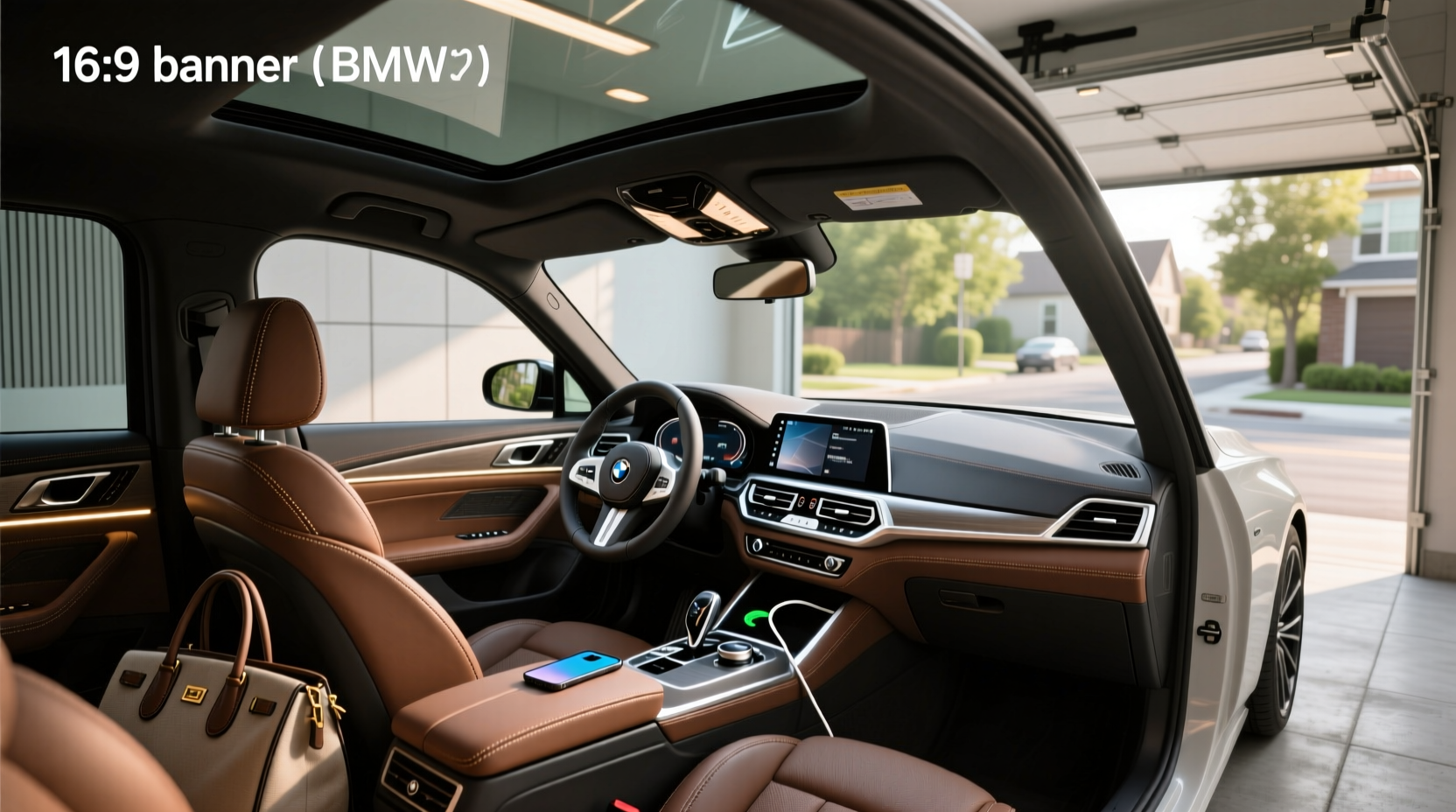
The 2025 BMW 3 Series interior continues the brand’s legacy of blending driver-focused ergonomics with premium materials and intuitive technology. With refinements to the dashboard layout, expanded use of sustainable surfaces, and enhanced digital integration through the curved iDrive 9 display, this generation offers a more refined cabin experience than previous models ✅. Whether you're considering the base 330i, high-performance M3, or electric i3 (in markets where available), understanding the differences in seating, trim options, and usability is key to making an informed decision 🔍.
Evolution of the BMW 3 Series Interior Over Generations
Understanding how the interior has evolved helps contextualize current design choices. The BMW 3 Series has long been praised for its balance between sporty driving dynamics and daily usability, and the cabin reflects that duality ⚙️. Early generations like the E30 (1980s) prioritized simplicity and mechanical feedback, with minimal padding and analog gauges. As expectations shifted toward comfort and connectivity, interiors became more sophisticated.
By the time the F30 generation arrived (2012–2019), soft-touch plastics, wood or aluminum inlays, and dual-zone climate control became standard. The G20 generation (2019–present) marked a significant leap with digital instrument clusters and larger infotainment screens. Now, the 2025 model year introduces subtle but meaningful upgrades aligned with BMW’s broader shift toward electrification and digital-first interfaces 🌐.
Dashboard Layout and Driver-Centric Design
One of the defining traits of the BMW 3 Series interior is its driver-oriented cockpit. Every control falls easily within reach, and sightlines are optimized for forward visibility 📍. The center console angles slightly toward the driver, reinforcing this philosophy.
In 2025, the most noticeable change is the adoption of the BMW Curved Display—a single glass panel housing both the 12.3-inch digital gauge cluster and a 14.9-inch touchscreen running iDrive 8/9 software. This replaces the split-screen setup used earlier in the G20 lifecycle. While some purists miss physical buttons, the new interface supports voice commands ('Hey BMW'), over-the-air updates, and gesture controls.
However, reliance on touch inputs can be distracting while driving. For example, adjusting fan speed or selecting drive modes requires multiple taps unless customized via shortcut buttons on the steering wheel. Drivers who value tactile feedback may prefer higher trims equipped with optional haptic feedback controls or those retaining certain rotary dials near the gear selector.
Materials and Trim Options Across Trims
Material quality varies depending on trim level and optional packages. The base 330i comes with Sensatec synthetic leather upholstery, which mimics the look of real leather but is easier to maintain and more sustainable ✨. Real leather (called Dakota by BMW) is available as an upgrade, while top-tier trims like the M Sport Professional offer Merino leather with contrast stitching.
Beyond seating, attention turns to surface finishes. Standard models feature matte-finish plastic and metallic-effect trim. Optional upgrades include open-pore wood, brushed aluminum, or even carbon fiber inserts—especially on M3 variants. Notably, BMW now offers a fully vegan interior on select models across its lineup; however, as of 2025, this option is not yet available on the 3 Series 1.
Carpeting uses recycled fibers, and door panels incorporate bio-based materials. These efforts reflect BMW’s broader sustainability goals without compromising perceived luxury. Still, some competitors like Mercedes-Benz offer more extensive eco-friendly material choices across all trim levels.
Seating Comfort and Rear Passenger Space
Front seats in the 2025 3 Series are supportive and well-bolstered, especially in M Sport models. Available 14-way power adjustment includes lumbar support and thigh extension, helping reduce fatigue on long drives. Heated front seats are standard in cold-weather markets, with ventilation offered as an option.
Rear seat space remains competitive within the compact executive sedan class. Legroom measures approximately 37 inches—enough for average-height adults on shorter trips. However, taller passengers may find headroom tight due to the sloping roofline, particularly when equipped with a panoramic sunroof. The transmission tunnel creates a central hump, limiting middle-seat comfort for three occupants.
Folding the rear seats (40/20/40 split) expands trunk capacity from 17 cu ft to about 40 cu ft, useful for carrying longer items. Unlike some rivals such as the Genesis G70, the 3 Series does not offer rear-seat heating or USB charging ports as standard, though they can be added via package selections.
Technology Integration: iDrive 9 and Connectivity
The heart of the modern 3 Series cabin is the iDrive 9 operating system, which debuted in newer BMW models like the iX and i5. It brings faster processing, improved graphics, and better natural language recognition for voice commands. Apple CarPlay and Android Auto remain standard, with wireless connectivity supported from launch.
A notable enhancement in 2025 is the integration of cloud-based navigation powered by AWS, allowing for real-time traffic rerouting and predictive destination suggestions based on driving habits. Over-the-air updates ensure the system evolves post-purchase, though major version upgrades may require dealership visits depending on region.
Available augmented reality navigation overlays directional cues onto live video from the front camera, displayed in the instrument cluster. While visually impressive, it functions best at low speeds and in urban environments. Some users report occasional lag when switching between apps, particularly if multiple connected devices are paired simultaneously.
Storage and Practicality in Daily Use
Despite its sleek appearance, the 3 Series offers reasonable storage solutions for everyday use 🧰. The center armrest bin is deep enough for phones and wallets, and there are two cupholders in the front (with retractable covers). A small tray ahead of the gear selector works well for keys or coins.
Door pockets fit standard water bottles, though larger ones may protrude into seating areas. There’s no dedicated slot for wireless charging pads—this feature is built into the console but only accommodates one device. If you frequently carry multiple gadgets, consider using the USB-C ports (two up front, two in the back) alongside a multi-device charger.
The glove compartment is modestly sized and lacks cooling functionality found in some luxury rivals. Trunk organization includes hooks and a 12V outlet, but no underfloor storage compartment. Owners often add aftermarket organizers to maximize utility during road trips or commutes.
Differences Between Gas, Hybrid, and Electric Models
While the core interior dimensions remain consistent across powertrains, there are minor variations. The gasoline-powered 330i and M3 form the bulk of sales and feature traditional gear selectors. Plug-in hybrid versions (like the 330e) share the same cabin layout but may include specific displays showing electric range and charging status.
In China and select European markets, a battery-electric variant called the i3 eDrive35 exists—but it's essentially a rebadged G20 3 Series rather than a ground-up EV like the i4. As such, interior space and design mirror the combustion models closely, though weight distribution differences are imperceptible to most drivers.
Unlike the i4 or iX, the i3 doesn’t feature unique ambient lighting themes or soundscapes tied to driving modes. This makes the experience familiar but perhaps less distinctive compared to full EVs from rival brands.
Common Complaints and Owner Feedback
Real-world owner reports highlight several recurring points. One frequent critique involves the glossy black finish around the climate controls, which attracts fingerprints and smudges easily. Another concerns the lack of physical volume knobs—replaced by touch-sensitive sliders on the steering wheel that sometimes register inputs inconsistently.
Noise insulation has improved over earlier G20 models, but highway roar from run-flat tires remains noticeable, especially on coarse pavement. Switching to non-run-flat tires with proper tire liners can mitigate this but voids certain warranty conditions related to mobility systems.
Some owners also note that automatic wipers and lights occasionally fail to activate in marginal conditions, requiring manual override. Software glitches, while rare, have been reported after OTA updates—typically resolved by restarting the display unit through hidden menu options.
How to Evaluate Interior Quality When Buying
When test-driving or inspecting a 3 Series, focus on five key aspects:
- Fit and Finish: Check for even gaps between panels, smooth operation of switches, and absence of creaks over bumps ✅
- Seat Adjustment Range: Ensure both driver and passenger can achieve comfortable positions, especially if sharing the vehicle frequently 👥
- Visibility: Assess blind spots created by thick pillars or camera placement. Test the surround-view system if equipped 🔧
- Climate Control Response: Verify rapid heating/cooling and ease of setting zones independently 🌡️
- Sound System Clarity: Play familiar tracks at varying volumes to judge speaker balance and bass response 🎵
Additionally, request a demonstration of all safety features—including lane departure warning, adaptive cruise, and parking assist—to confirm functionality and user-friendliness.
Regional Variations and Market-Specific Features
Interior specifications vary by region due to regulatory requirements and consumer preferences. In North America, standard equipment tends to emphasize convenience tech like remote start and larger screens. European models often prioritize fuel efficiency displays and EU-compliant charging infrastructure integration.
In China, the long-wheelbase version of the 3 Series (not sold in the U.S.) adds extra rear legroom and rear entertainment screens—an option unavailable elsewhere. Similarly, certain wood trims or color combinations may only appear in specific markets based on local demand forecasts.
If importing or relocating with your vehicle, verify compatibility of navigation maps, Bluetooth profiles, and emergency call systems (eCall), which differ by country. Language settings and character display for Chinese or Arabic scripts should also be tested if needed.
Maintenance and Long-Term Care Tips
To preserve interior condition over time, follow these practices:
- Clean Spills Immediately: Use pH-neutral cleaners on fabric or leather to avoid staining or material breakdown 🧼
- Condition Leather Regularly: Apply manufacturer-approved conditioners every 6–12 months to prevent cracking ✈️
- Protect Surfaces from UV Exposure: Park in shade or use windshield shades to minimize dashboard fading 🔆
- Vacuum Floor Mats Frequently: Remove dirt and moisture buildup, especially in winter climates with road salt 🚚
- Update Software Promptly: Install iDrive updates when notified to maintain security and feature performance ⏱️
Using OEM or certified aftermarket accessories—such as floor mats with retention clips—helps prevent shifting and damage to carpeting. Avoid abrasive cleaning tools that could scratch screens or trim pieces.
Comparison with Key Competitors
How does the 3 Series interior stack up against rivals? The Mercedes-Benz C-Class features a more dramatic design with a floating central screen and advanced ambient lighting. However, its MBUX system can feel cluttered, and base models lack standard navigation.
The Lexus IS offers simpler controls and higher standard equipment but lags in digital refinement. The Audi A4 provides a minimalist aesthetic with dual touchscreens, though haptic feedback is absent, increasing distraction risk.
| Feature | BMW 3 Series | Mercedes C-Class | Audi A4 |
|---|---|---|---|
| Standard Infotainment Screen Size | 14.9-inch | 11.9-inch | 10.1-inch |
| Digital Gauge Cluster | 12.3-inch (standard) | 12.3-inch (optional) | 12.3-inch (standard) |
| Wireless Apple CarPlay | Yes | Yes | Yes |
| Vegan Interior Option | No (as of 2025) | Yes | Limited |
| Rear Seat Heating | Optional | Optional | Optional |
This comparison shows the 3 Series holds strong in tech specs but trails slightly in sustainable material offerings.
Frequently Asked Questions (FAQs)
- What materials are used in the BMW 3 Series interior?
- The 3 Series uses Sensatec synthetic leather as standard, with optional Dakota or Merino leather. Dashboard surfaces combine soft-touch plastics, metallic accents, and optional wood or carbon fiber trims.
- Does the 2025 BMW 3 Series have a fully digital dashboard?
- Yes, all 2025 models come with a standard 12.3-inch digital instrument cluster integrated into the Curved Display alongside a 14.9-inch infotainment touchscreen.
- Is the BMW 3 Series interior suitable for tall passengers?
- Front seating accommodates most adult heights comfortably. Rear headroom may be limited for individuals over 6 feet, especially with the panoramic roof.
- Can I get a vegan interior in the BMW 3 Series?
- As of 2025, a fully vegan interior is not available on the 3 Series, unlike on the newer 5 Series 2.
- How do I update the iDrive system in my BMW 3 Series?
- Software updates can be delivered over-the-air or installed at a dealership. Ensure your vehicle is parked safely and connected to Wi-Fi when prompted.




 浙公网安备
33010002000092号
 浙B2-20120091-4