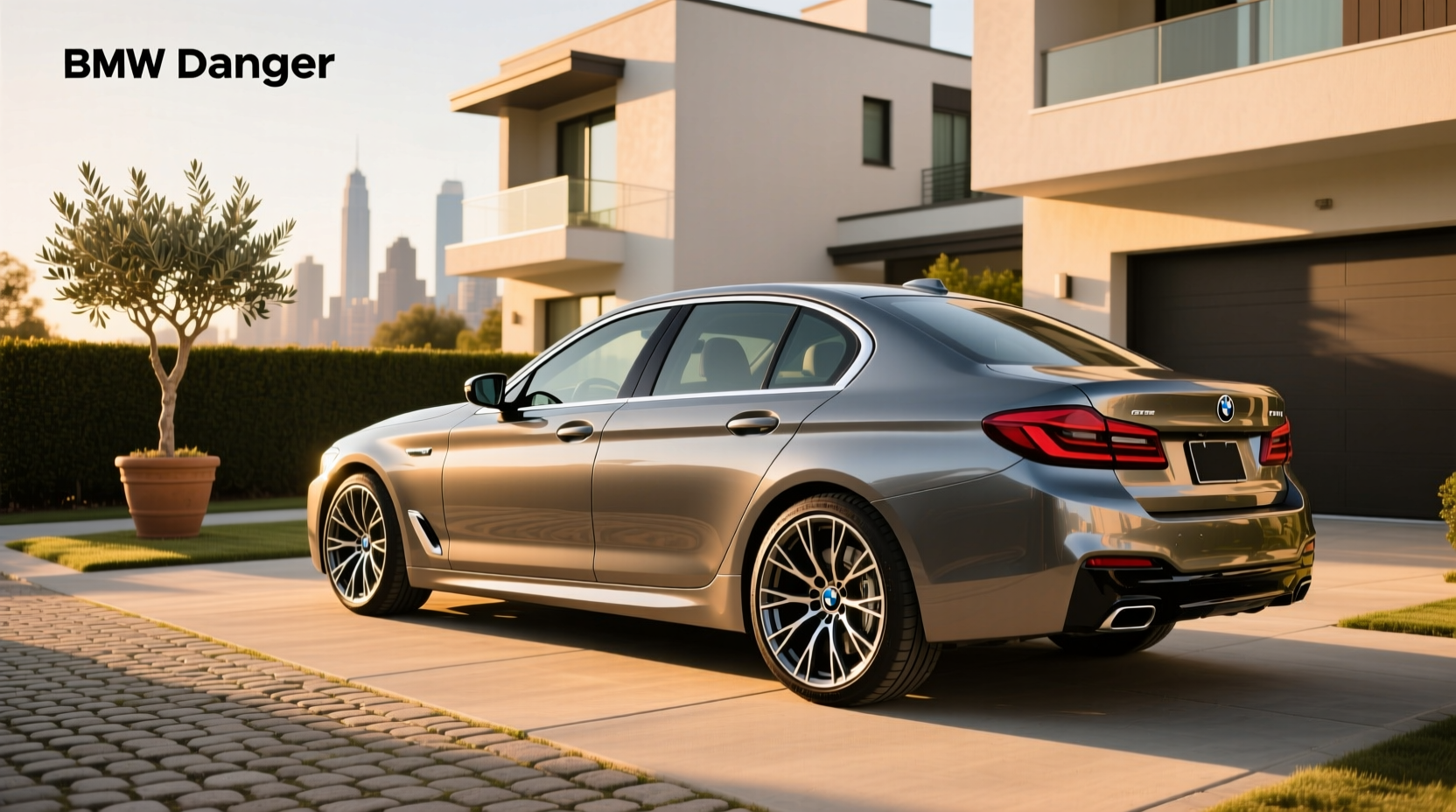
If you're searching for 19 inch wheels for a BMW 5 Series, the key is understanding fitment specifications like bolt pattern (5x120), center bore (72.6mm), and proper offset (ET20–ET35). Factory 19-inch options include styles like 647, 799M, and 827M—available as OEM or reconditioned sets. Aftermarket choices from trusted manufacturers offer similar dimensions with finishes in gloss black, machined, or silver. This guide breaks down everything you need to know before buying, including tire sizing, staggered setups, ride comfort trade-offs, and where to source reliable wheels.
Why Consider 19-Inch Wheels for the BMW 5 Series?
The BMW 5 Series has long been praised for balancing luxury, performance, and daily drivability. One of the most popular upgrades owners explore is switching to 19-inch alloy wheels. These larger rims enhance visual presence, improve steering response, and allow for lower-profile tires that can sharpen handling.1 However, choosing the right set requires more than just aesthetics—it demands attention to technical compatibility.
Many G30 (2017–present) and F10/F11 (2010–2017) generation 5 Series models came factory-equipped with 19-inch wheel options, especially on higher trims like the 540i, 550i, or M550i. If you're replacing damaged OEM wheels or upgrading from smaller 17" or 18" setups, matching original equipment (OE) specs ensures seamless integration with suspension, brakes, and electronic systems like ABS and DSC.
Key Fitment Specifications You Must Know
Not all 19-inch wheels fit every BMW 5 Series model. Even within the same generation, trim levels may have different standard wheel sizes and offsets. Here are the core parameters to verify:
- Bolt Pattern (PCD): 5x120 mm — Five lug bolts spaced 120mm apart on a circle.
- Center Bore: 72.6 mm — The hole in the center of the wheel that fits over the hub.
- Offset (ET): Typically between ET20 and ET35 depending on front/rear position and whether it's a staggered setup.
- Hub-Centric Design: OEM wheels are hub-centric; aftermarket ones should use hub-centric rings if not exact match.
- Valve Stem Hole Size: Some OEM TPMS sensors require specific valve stem diameters (usually 10–11mm).
Using wheels with incorrect offset can lead to inner clearance issues with suspension components or outer rubbing against fenders, especially during turns or over bumps. Incorrect center bore can cause vibrations at speed unless properly shimmed with adapter rings.
OEM vs Aftermarket: Pros, Cons, and Real-World Tradeoffs
When shopping for BMW 5 Series 19-inch rims, buyers typically face two paths: original equipment manufacturer (OEM) wheels or aftermarket alternatives. Each comes with distinct advantages and limitations.
OEM 19-Inch Wheels ✅
OEM wheels are produced by suppliers like Borbet, Ronal, or BBS under contract for BMW. They’re engineered specifically for each chassis variant and undergo rigorous testing for durability, weight, and balance.
| Feature | OEM Wheel Advantage |
|---|---|
| Fitment Accuracy | Perfect match for hub, calipers, and fender lines |
| Ride Quality | Engineered to maintain factory suspension tuning |
| Tire Pressure Monitoring (TPMS) | Pre-drilled for BMW sensors; no retrofitting needed |
| Resale Value | Maintains stock appearance preferred by many buyers |
| No Balancing Issues | Consistent manufacturing tolerances reduce vibration risk |
Popular OEM styles for the 5 Series include:
- Style 647 – Double-spoke design, often seen on 535i models
- Style 799M – Sporty twin-spoke with polished face
- Style 827M – Matte black multi-spoke used on M Sport packages
- Style 949 – Flow-formed lightweight option for efficiency-focused trims
Reconditioned OEM wheels are widely available online through specialty dealers and marketplaces. While cost-effective, inspect them carefully for curb rash, cracks near spokes, or improper refinishing that could compromise structural integrity.
Aftermarket 19-Inch Wheels 🔧
Aftermarket brands such as Apex, Vorsteiner, or Hamann offer custom designs, finishes, and widths not available from BMW. These appeal to drivers seeking a unique look or slight performance gains.
| Consideration | Aftermarket Challenge |
|---|---|
| Weight | Some heavy cast alloys increase unsprung mass, hurting ride quality |
| Clearance | Deeper lips or concave designs may interfere with control arms |
| TPMS Compatibility | Sensors may not fit without modification or new stems |
| Warranty Coverage | May void coverage if linked to damage (e.g., cracked wheel) |
| Resale Impact | Non-stock wheels can deter conservative buyers |
High-end forged options like the APEX VS-5RS are well-regarded for strength-to-weight ratios and precise fitment data tailored to BMW platforms. But they come at a premium price compared to basic cast replicas.
Staggered Setup: Is It Right for Your 5 Series?
A staggered wheel and tire configuration means running wider wheels and tires on the rear axle than the front. Common for RWD-based 5 Series models, typical staggered 19-inch fitments are:
- Front: 19x8.5" ET30
- Rear: 19x9.5" ET20
This setup enhances rear grip and gives the car a more aggressive stance. However, there are important downsides:
- No Tire Rotation: Front and rear tires aren’t interchangeable, reducing tread life.
- Increased Understeer Tendency: Wider rears can make the car less eager to turn in.
- Cost: Requires two different tire sizes, increasing replacement expenses.
For all-wheel-drive (xDrive) models, maintaining identical overall tire diameter across all four corners is critical to prevent drivetrain binding. Always confirm total revs per mile match when mixing widths.
Tire Sizing and Performance Implications
With 19-inch wheels, common tire sizes for the BMW 5 Series include:
- Standard Fit (non-staggered): 245/45R19 front and rear
- Staggered Fit: 245/40R19 front, 275/40R19 rear
Lower sidewall heights (like 40-series vs 45-series) mean stiffer ride characteristics and greater susceptibility to pothole damage. On rough roads, this translates to a firmer feel and potential for bent rims.2
Additionally, winter driving with 19-inch setups poses challenges. Narrower tires perform better in snow, but many 19" wheels don’t accommodate narrower rubber due to width constraints. Some owners opt to keep a separate set of 17" or 18" wheels with dedicated winter tires for improved traction and reduced wear.
Where to Buy Reliable 19-Inch Wheels
Purchasing wheels involves evaluating seller reputation, return policies, and authenticity verification. While marketplaces host numerous listings for used BMW 19-inch rims, proceed with caution:
- Check for Damage: Request high-resolution photos showing the inner barrel and behind spokes.
- Verify Authenticity: True OEM wheels will have part numbers stamped inside (e.g., 36 11 2 351 072).
- Confirm Finish Type: "Gloss Black," "Matte Black," and "Jet Black" differ visually and in coating durability.
- Ask About TPMS: Sensors are expensive (~$100+ each); ensure compatibility or budget for replacements.
Specialty online retailers focusing on European vehicles often provide detailed fitment guides and customer support. Avoid generic wheel shops that lack BMW-specific knowledge.
Installation Best Practices
Mounting new wheels isn't just about bolting them on. Follow these steps to avoid problems:
- Use Torque Wrench: BMW specifies 140 Nm (103 lb-ft) for aluminum wheels. Over-tightening stretches studs; under-tightening risks loosening.
- Hub-Centric Rings: Even if bolt pattern matches, use plastic/metal adapters to center the wheel perfectly on the hub.
- Dynamic Balance: Ensure tires are road-force balanced, not just spin-balanced, to detect radial runout.
- Relearn Steering Angle Sensor: Some models require recalibration after wheel changes affecting alignment readings.
Common Misconceptions About 19-Inch Wheels
Several myths persist among owners considering larger wheels:
- Myth: Bigger wheels always improve handling. Reality: Beyond a point, added weight hurts responsiveness. Lightweight forged wheels help, but cheap heavy alloys degrade performance.
- Myth: All 5x120 wheels fit any BMW. Reality: Offset and center bore vary significantly between makes (e.g., Mercedes also uses 5x112, close but incompatible).
- Myth: You can safely mix tire brands. Reality: Mixing brands/sizes—even with same specs—can affect stability control behavior.
Maintenance Tips for Longevity
To protect your investment in 19-inch wheels:
- Regular Cleaning: Use pH-neutral cleaners; avoid high-pressure washes near bearings.
- Inspect Monthly: Look for curb damage, paint chipping, or signs of stress cracking near spoke roots.
- Rotate Tires (if applicable): Every 5,000–7,500 miles to promote even wear—unless staggered.
- Store Properly: If keeping seasonal wheels, store vertically in cool, dry place away from sunlight.
Final Decision Checklist
Before purchasing 19-inch wheels for your BMW 5 Series, ask yourself:
- ✅ Do I know my current wheel’s part number and offset?
- ✅ Am I replacing due to damage, upgrade, or seasonal change?
- ✅ Will this fitment work with my existing tires—or do I need new ones?
- ✅ Does my vehicle have xDrive? If so, am I maintaining matched diameters?
- ✅ Have I verified TPMS compatibility?
- ✅ Is ride comfort a priority? Larger wheels tend to be harsher on broken pavement.
Answering these questions helps avoid costly mistakes and ensures satisfaction with both form and function.
Frequently Asked Questions
- Can I put 19-inch wheels from an X5 on my 5 Series?
- Only if they share the same 5x120 bolt pattern, 72.6mm center bore, and correct offset. While some crossover compatibility exists, always verify fitment using VIN-specific databases.
- Are 19-inch wheels bad for daily driving?
- They can be less comfortable on rough roads due to low-profile tires. If you frequently encounter potholes or unpaved roads, consider 17" or 18" for better compliance.
- How much do genuine BMW 19-inch wheels cost?
- New OEM wheels range from $600–$1,200 each depending on style and finish. Reconditioned sets are available for $400–$800 for a full set of four.
- Do I need hub-centric rings for aftermarket wheels?
- Yes, unless the aftermarket wheel has a 72.6mm bore. Using rings prevents vibration and uneven loading on lug bolts.
- Can I run non-staggered tires on a staggered wheel setup?
- No. Mixing tire widths on staggered axles defeats the purpose and creates imbalance. Always pair correct tire size to wheel width.




 浙公网安备
33010002000092号
 浙B2-20120091-4