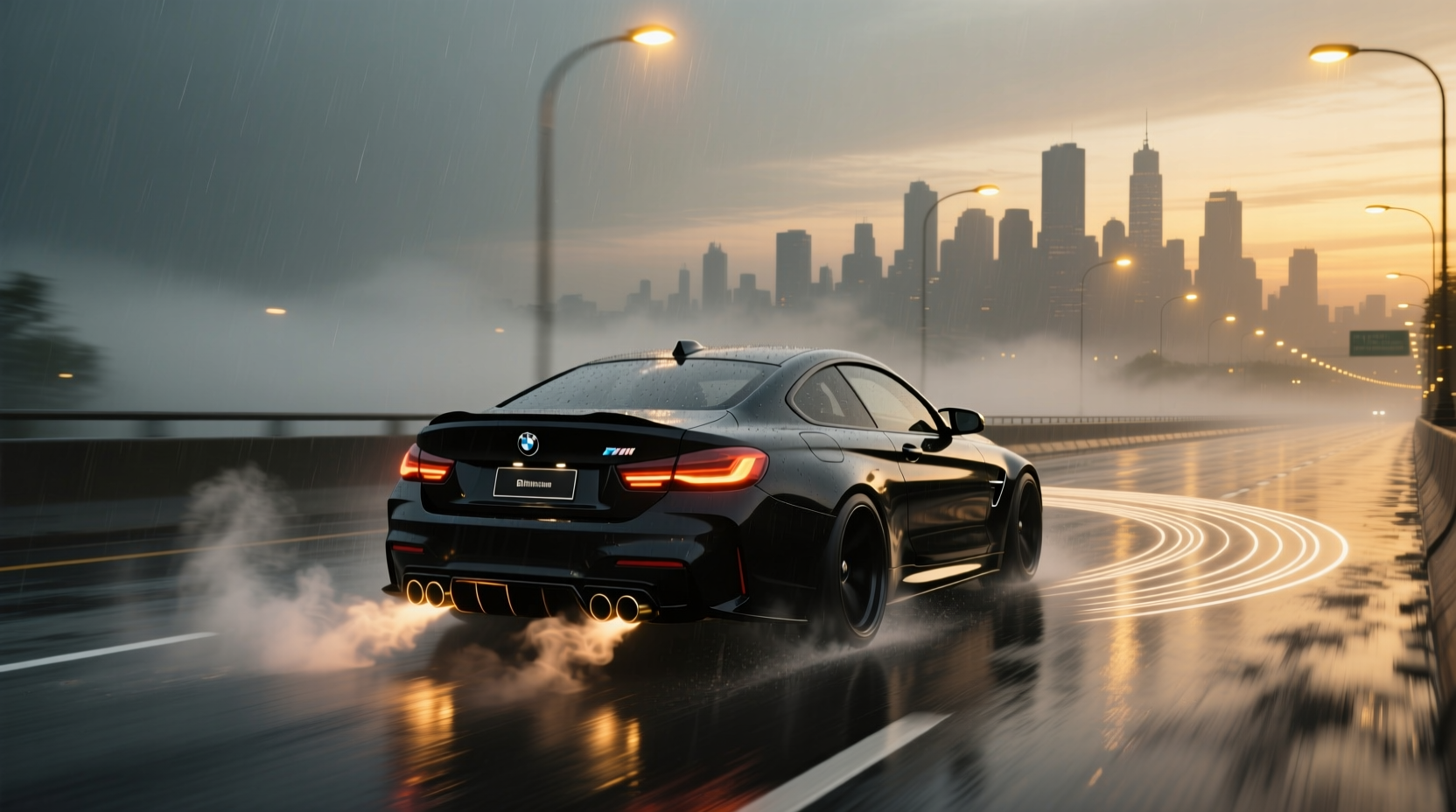
If you've ever wondered how to make your BMW sound more aggressive or what causes the difference between a deep growl and a high-pitched roar, you're not alone. The BMW exhaust sound is one of the most discussed aspects among owners, especially when upgrading from stock systems. Whether you drive an F30 3 Series, G20 M340i, or an F80 M3, the exhaust note can be significantly enhanced through aftermarket modifications like cat-back, axle-back, or header-back systems—each altering tone, volume, and character in distinct ways ✅.
Why Do BMWs Have Different Exhaust Sounds?
The base exhaust note of any BMW depends on several engineering factors: engine configuration (inline-6, V8, turbocharged), factory tuning, muffler design, and whether the vehicle includes a valved exhaust system ⚙️. Stock BMWs, particularly non-M models, are often tuned for refinement rather than raw sound. This means engineers prioritize cabin comfort and emissions compliance over aggressive acoustics.
For example, many modern turbocharged BMWs (like the B48 or S55 engines) naturally produce less exhaust noise due to turbo dampening and increased use of sound-deadening materials. As a result, even high-performance trims like the M340i may feel subdued under acceleration unless modified 🔧.
Understanding Exhaust System Types That Affect Sound
When exploring options to change your BMW’s exhaust sound, it's crucial to understand the three primary configurations available: axle-back, cat-back, and header-back systems. Each impacts sound differently based on where they replace factory components.
Axle-Back Exhaust Systems 📍
An axle-back system replaces only the rear portion of the exhaust—from the rear axle to the tailpipes. This is typically the most affordable and least invasive upgrade option.
- Sound Impact: Moderate change; mainly affects volume and minor tonal qualities
- Installation Difficulty: Low – usually bolt-on with basic tools
- Cost Range: $500–$1,500
- Best For: Drivers seeking a slightly sportier tone without major modifications
Because axle-backs retain factory mid-pipes and catalytic converters, they don’t increase horsepower significantly but can still sharpen the exhaust note at higher RPMs.
Cat-Back Exhaust Systems 🛠️
A cat-back system runs from the outlet of the catalytic converter to the exhaust tips. It replaces everything behind the front pipe, including resonators and mufflers.
- Sound Impact: Significant improvement in both volume and timbre
- Flow Efficiency: Improved due to larger piping and freer-flowing mufflers
- Performance Gain: Minor HP/TQ gains possible (typically 5–10 hp)
- Cost Range: $1,000–$3,000+
- Best For: Enthusiasts wanting a balanced mix of sound, performance, and legality
Cat-back systems offer greater control over sound profile because they allow changes to muffler type (e.g., straight-through vs chambered), pipe diameter, and exit configuration. Brands like Valvetronic Designs and BimmerWorld specialize in engineered solutions that maintain drivability while enhancing auditory feedback.
Header-Back (or Long-Tube) Exhaust Systems ⚡
This full-system replacement starts at the exhaust manifold and goes all the way to the tailpipe. It often includes equal-length headers, high-flow catalytic converters, and performance mid-pipes.
- Sound Impact: Dramatic transformation—fuller, raspier, more race-like tone
- Performance Potential: Highest among exhaust upgrades (up to 20+ hp gains)
- Complexity: High; may require ECU tuning or DME flash
- Cost Range: $2,500–$6,000+
- Best For: Track-focused builds or heavily modified engines
These systems maximize exhaust scavenging and reduce backpressure, which improves both power delivery and sound richness. However, they’re often louder at idle and low speeds, potentially drawing unwanted attention or violating local noise ordinances.
Do Valved Exhaust Systems Make a Difference?
Yes—valved exhaust systems are among the most popular upgrades for drivers who want flexibility between daily comfort and weekend aggression ✨.
Valves (usually electronically controlled) open under load or when Sport mode is activated, bypassing restrictive muffler chambers. When closed, they muffle sound for quiet cruising. When open, they unleash a deeper, more resonant exhaust note.
Many OEM M Performance and aftermarket systems (such as those from Valvetronic Designs for F30/F80 platforms) include solenoid-controlled valves. Aftermarket kits also allow retrofitting valve control to non-valve-equipped models using Bluetooth-enabled controllers.
| System Type | Sound Change Level | HP Gain Potential | Average Cost | Installation Time |
|---|---|---|---|---|
| Axle-Back | Moderate | 0–5 hp | $500–$1,500 | 1–2 hours |
| Cat-Back | High | 5–15 hp | $1,000–$3,000 | 2–4 hours |
| Header-Back | Very High | 15–25+ hp | $2,500–$6,000+ | 6–10 hours |
Factory vs Aftermarket: What’s the Real Difference in Sound?
Stock BMW exhaust systems are designed with emissions, fuel economy, and NVH (noise, vibration, harshness) in mind. While newer M Performance models come with sport exhausts (e.g., M Performance Stainless Steel Exhaust), these still fall short of enthusiast expectations compared to premium aftermarket brands.
Aftermarket systems improve sound by:
- Using thinner-walled, mandrel-bent tubing for smoother flow
- Incorporating high-flow mufflers (e.g., straight-through designs)
- Reducing or eliminating resonators that deaden sound
- Adding titanium or carbon fiber tips for aesthetic and acoustic enhancement
Brands like Akrapovič, AWE, and Fabspeed are known for their signature tones—Akrapovič delivering a sharp, metallic crack on overrun, while AWE emphasizes a deep, throaty burble. These differences stem from internal baffle design and material choices.
Model-Specific Exhaust Sound Characteristics
Not all BMWs respond the same way to exhaust upgrades. Here’s how some popular models differ:
F30 / F32 / F36 (2012–2019)
The N55 and B58-powered sedans and coupes benefit greatly from cat-back systems. The inline-six produces a smooth, harmonic tone when unrestricted. Adding a valved axle-back (like Valvetronic’s offering) allows dynamic sound adjustment without sacrificing civility.
G20 / G22 330i & M340i
The B48 engine in the 330i is relatively muted stock. An axle-back can wake it up slightly, but true transformation requires a cat-back with de-catted midpipe (check local laws). The M340i’s B58 engine already has strong potential—pairing it with a performance exhaust unlocks its full baritone character.
F80 M3 / F82 M4
With the S55 twin-turbo inline-six, sound modification focuses on reducing turbo drone and increasing exhaust crackle. Full cat-back systems with switchable valves are ideal. Some owners remove the secondary cats (“de-cat”) for sharper response and louder pops on lift-off.
E36 / E46 Classics
Naturally aspirated M52, M54, and S50/S54 engines thrive with simple cat-back systems. These older models lack complex emissions hardware, making upgrades easier. MagnaFlow and BimmerWorld offer classic-sounding systems that preserve vintage BMW character.
Can You Install an Exhaust System Yourself?
Yes, but success depends on mechanical skill and tool access ⚒️. Most bolt-on systems (axle-back and some cat-backs) can be installed with jack stands, wrenches, and penetrating oil. Header-back systems often require welding or professional help.
Common challenges include:
- Rusted hangers or bolts (use heat and lubricant)
- Clearance issues with new mufflers
- Need for ECU recalibration after removing catalytic converters
- Ensuring proper alignment of dual exhaust tips
Professional installation costs $200–$600 depending on complexity. If you’re unsure, consult a specialist shop familiar with BMW chassis dynamics and exhaust routing.
Legal and Environmental Considerations 🌍
Modifying your exhaust isn't just about sound—it has legal implications. In many U.S. states and EU countries, removing catalytic converters or exceeding decibel limits is illegal.
Key points to consider:
- Catalyst Laws: Removing factory cats may violate EPA or Euro emissions standards
- Decibel Limits: Many areas cap exhaust noise at 95 dB measured at 50 ft
- Inspection Requirements: States like California (CARB) require CARB-approved parts (look for EO number)
- Resonator Delete: Often legal, but may increase cabin drone
To stay compliant, choose systems with high-flow catalytic converters and verify certification status before purchase.
How to Choose the Right Exhaust for Your Needs
Selecting the best exhaust involves balancing four key factors:
- Daily Usability: Will you drive in traffic? Opt for valved systems.
- Performance Goals: Are you tracking the car? Prioritize header-back setups. \li> Budget: Axle-backs offer entry-level value; full systems demand investment.
- Local Regulations: Confirm noise and emissions rules in your area.
Also consider sound samples—many retailers provide video demonstrations showing idle, cruise, and wide-open throttle notes. Listen across different RPM ranges to assess tone balance.
Debunking Common Myths About BMW Exhaust Sound
Several misconceptions persist in the BMW community:
Myth 1: “Bigger Pipes Always Mean Better Sound” ❌
Incorrect. Oversized piping (>3”) can reduce exhaust velocity, leading to flat spots and weak low-end torque. Match pipe diameter to engine output (2.5”–3” optimal for most inline-6s).
Myth 2: “All Aftermarket Exhausts Add Horsepower” ❌
Only systems that reduce backpressure meaningfully (e.g., header-back with high-flow cats) yield measurable gains. Axle-backs rarely add power.
Myth 3: “Valved Exhausts Are Just for Show” ❌
Well-designed valved systems genuinely alter flow paths, not just noise. They provide real acoustic and performance benefits when properly engineered.
Tips for Maintaining Your Exhaust System
Even the best exhaust needs care. To extend lifespan:
- Wash undercarriage regularly to prevent salt/corrosion buildup
- Avoid prolonged idling, which traps moisture inside pipes
- Inspect hangers and gaskets annually for wear
- Use stainless steel or titanium systems in snowy climates
Titanium systems (like those from Akrapovič) resist corrosion better than aluminized steel but cost significantly more.
Where to Buy Reliable BMW Exhaust Systems
Purchase from reputable suppliers specializing in BMW performance parts. Turner Motorsport, BimmerWorld, and FCP Euro are well-established vendors offering technical support and warranty coverage. Avoid unknown eBay sellers claiming “OEM+” specs without documentation.
Look for:
- Real customer reviews with sound clips
- Clear return policies
- Manufacturer warranties (minimum 1-year)
- Certifications (CARB, TÜV, etc.) if applicable
Final Thoughts: Matching Sound to Driving Experience
Ultimately, improving your BMW exhaust sound isn’t just about being loud—it’s about enhancing the emotional connection between driver and machine. The right exhaust should complement your driving style: refined yet present during commute, exhilarating when pushed.
Start with your goals: subtle enhancement, track-ready aggression, or weekend-only drama. Then match the system type, materials, and valve functionality accordingly. And always test-drive (or listen to verified audio samples) before committing.
Frequently Asked Questions (FAQ)
- Can I make my BMW exhaust louder without replacing the whole system?
- Yes. Installing an axle-back exhaust or adding a resonator delete are cost-effective ways to increase volume and sharpen the tone, especially on turbocharged models like the 330i or X3.
- Why does my BMW sound flat after installing a new exhaust?
- This could be due to poor tuning, mismatched pipe diameter, or lack of engine modification. Turbocharged engines need sufficient exhaust flow to develop rich tones—consider pairing exhaust work with software tuning.
- Are valved exhaust systems reliable long-term?
- Most modern valved systems from reputable brands are durable if maintained. However, solenoids and actuators can fail over time, especially in wet climates. Regular operation helps prevent sticking.
- Do exhaust upgrades affect fuel economy?
- Minimal impact. While reduced backpressure can improve efficiency slightly, aggressive driving habits post-upgrade often offset any gains.
- What’s the loudest legal exhaust for a BMW?
- Systems like the Akrapovič Evolution Line or AWE Touring Edition offer maximum legal sound within noise regulations. Always verify local laws and avoid de-catted setups in regulated regions.




 浙公网安备
33010002000092号
 浙B2-20120091-4