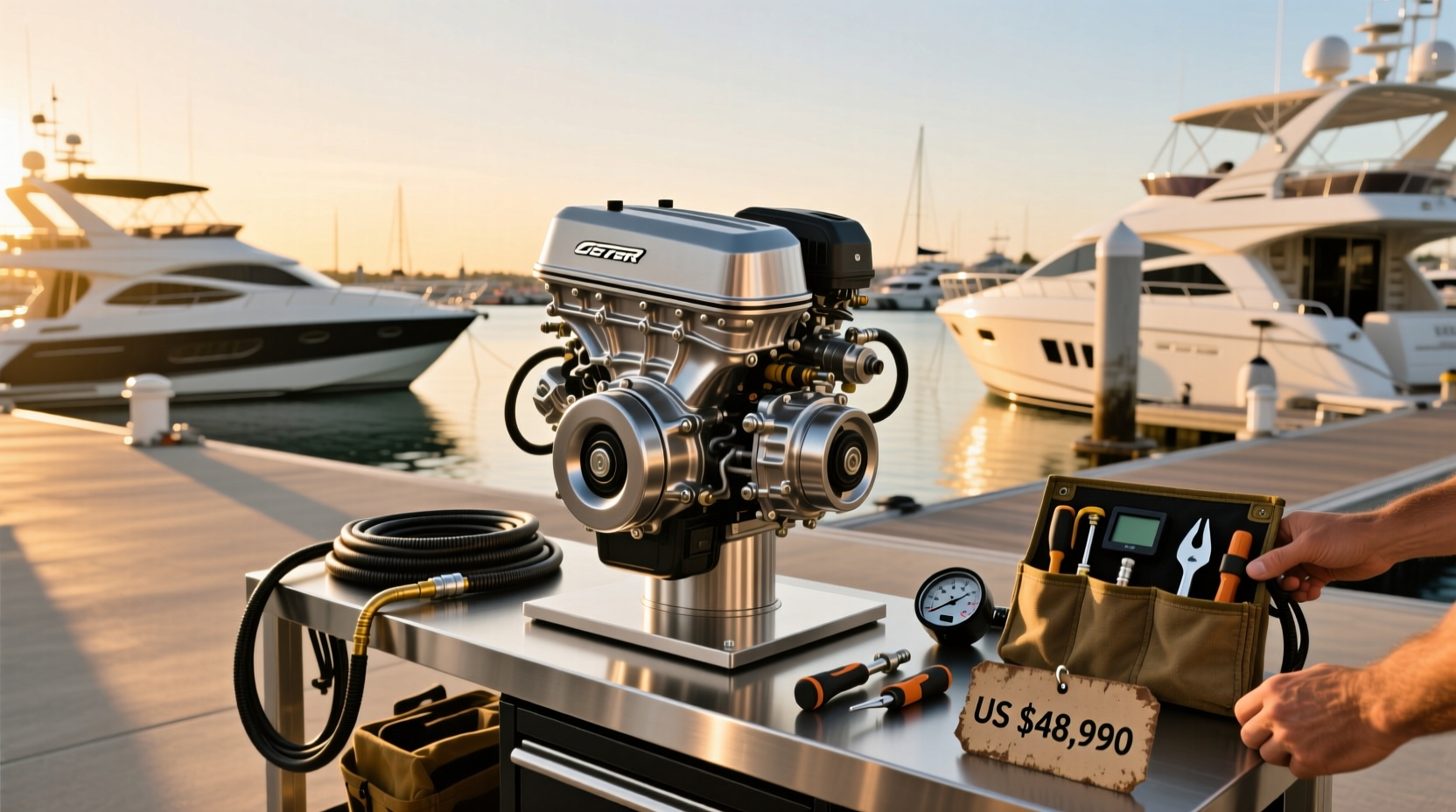
Navigating the boat engine price landscape can be overwhelming, especially when comparing models across horsepower ranges, propulsion types, and geographic markets. On average, small outboard motors under 3 hp start around $700, while high-performance inboards or twin 300 hp outboards can exceed $40,000. Understanding what drives these differences—such as engine type (outboard, inboard, trolling), fuel compatibility (gasoline, diesel, electric), brand, condition (new vs used), and regional availability—is essential for making a cost-effective and reliable choice. This guide breaks down every major factor influencing boat engine for sale pricing today, helping buyers avoid overpaying and select the right powerplant for their vessel and budget.
Understanding the Main Types of Boat Engines and Their Price Ranges
When researching boat engine prices, the first distinction to make is between engine types: outboard, inboard, sterndrive, and trolling motors. Each serves different vessel sizes, usage scenarios, and performance needs—all of which directly impact cost.
Outboard Motors: Most Common and Widely Priced
🛒 Typical Price Range: $700 – $50,000+
Outboard motors are mounted externally on the transom and combine the engine, gearbox, and propeller into one unit. They dominate the recreational boating market due to their ease of installation, maintenance access, and versatility.
- Under 3 hp: Ideal for inflatable boats and small dinghies; prices range from $700–$1,000.
- 3–15 hp: Suitable for kayaks, jon boats, and small fishing craft; typically priced between $1,000–$3,500.
- 15–150 hp: Mid-range engines for larger fishing boats and cruisers; expect to pay $4,000–$15,000.
- Over 150 hp: High-performance options for speedboats and offshore vessels; often $18,000–$30,000 per unit.
For example, a new Yamaha F25 25 hp outboard may list around €2,990 in Germany1, while a 300 hp OXE Diesel outboard can reach over $30,0002.
Inboard Engines: Higher Cost, Built-In Power
⚙️ Typical Price Range: $4,800 – $45,000+
Inboard engines are installed inside the hull and drive a propeller via a driveshaft. They’re common in larger boats like cruisers, wakeboard boats, and yachts. Because they require more complex installation and plumbing, they generally carry higher upfront and maintenance costs.
- 16–33 hp diesel: Entry-level marine diesels (e.g., Vetus M2.18) sell for about $4,800–$8,400.
- 435 hp Volvo Penta D6: A premium option used in sportfishing and luxury yachts, priced at approximately $42,3003.
These engines offer better weight distribution and quieter operation but come with longer repair timelines and higher labor costs.
Trolling Motors: Electric Precision for Anglers
⚡ Typical Price Range: $200 – $5,000
Trolling motors are low-power electric units used primarily for silent maneuvering during fishing. While not primary propulsion systems, they play a critical role in angling efficiency.
- Battery-powered models: Range from $200 (small transom mounts) to $2,000 (bow-mount with GPS).
- High-end systems: Torqeedo Cruise 6.0 T retails near $4,900, offering hybrid-like integration and long runtime4.
Their growing popularity reflects a shift toward eco-friendly, low-noise boating, especially in inland waterways.
How Horsepower Affects Boat Engine Pricing
📈 One of the strongest predictors of boat motor price is horsepower (hp). However, price doesn’t scale linearly—it increases exponentially as power rises due to engineering complexity, materials, and fuel delivery systems.
| Horsepower Range | Engine Type | Average Price (USD) | Common Use Cases |
|---|---|---|---|
| Under 3 hp | Outboard | $700–$1,000 | Dinghies, inflatables |
| 3–6 hp | Outboard | $1,000–$1,800 | Kayaks, small fishing boats |
| 6–15 hp | Outboard | $1,800–$3,500 | Jon boats, tenders |
| 15–100 hp | Outboard/Inboard | $4,000–$15,000 | Fishing boats, runabouts |
| 100–300 hp | Outboard | $15,000–$30,000 | Offshore, performance craft |
| Over 300 hp (total) | Twin Inboard/Outboard | $30,000–$60,000+ | Luxury yachts, commercial |
Buyers should match horsepower to boat weight, intended use, and local water conditions. Overpowering leads to unnecessary cost and fuel consumption; underpowering risks poor handling and safety issues.
New vs Used Boat Engines: Cost Differences and Risks
🔧 Purchasing a used boat engine can save 30%–60% compared to new models, but comes with significant risk if not evaluated properly.
Advantages of New Engines
- Full manufacturer warranty (typically 3–5 years)
- Latest fuel injection, emissions, and efficiency tech
- No hidden wear or prior misuse
- Easier financing and dealer support
Drawbacks of Used Engines
- Unknown maintenance history
- Potential for seized components or corrosion
- No warranty unless certified pre-owned
- May require immediate repairs (gaskets, impellers, carbs)
✅ Tip: Always request service records, perform a compression test, and verify serial numbers against theft databases before buying used. Platforms like Autoline.info list used marine engines from Germany and elsewhere, but buyer diligence is critical5.
Fuel Type and Efficiency: Long-Term Cost Impacts
⛽ The choice between gasoline, diesel, and electric propulsion affects both initial price and lifetime operating cost.
Gasoline Outboards
- Pros: Lower upfront cost, widespread fuel availability, lighter weight.
- Cons: Lower fuel efficiency, higher emissions, more frequent maintenance.
- Avg. Price: $1,000–$25,000
Diesel Inboards
- Pros: Better torque, fuel economy, longer lifespan, safer fuel storage.
- Cons: Higher initial cost, heavier, more expensive repairs.
- Avg. Price: $8,000–$45,000+
Electric Motors
- Pros: Zero emissions, quiet operation, minimal maintenance.
- Cons: Limited range, long recharge times, high battery replacement cost.
- Avg. Price: $2,000–$5,000 (excluding vessel modifications)
Brands like Torqeedo and RiPower (Germany-based) are expanding electric options, particularly for rental fleets and eco-tourism operators6.
Regional Price Variations: Why Location Matters
📍 Boat engine prices vary significantly by country due to taxes, import duties, local demand, and authorized dealer networks.
Germany and EU Market Trends
In Germany, VAT (19%) is included in listed prices, and environmental regulations favor cleaner engines. For instance:
- Yamaha F6CMHL (6 hp): Listed at €1,290 (~$1,400)7
- Grünwelt GW-600WK: Priced at €1,118 (~$1,220) on eBay8
- Volvo Penta D6-435: ~€38,000 before shipping
European buyers often pay premiums for CE-certified equipment and after-sales service networks.
North American Pricing Comparison
In the U.S., prices are typically lower due to competitive retail channels and absence of VAT. However, state sales tax applies. Examples:
- Mercury 9.9 hp: ~$1,300 (before tax)
- Yamaha F250: ~$22,000 MSRP
- Torqeedo Travel 1103: ~$3,500
🚚 Shipping costs can negate savings when importing from abroad due to weight and hazardous material classification.
Brand Influence on Boat Engine Value and Reliability
⭐ Major brands like Yamaha, Honda, Mercury, Suzuki, and Volvo Penta command price premiums due to reputation for reliability, parts availability, and resale value.
Top Brands Overview
- Yamaha: Known for durability and smooth operation; strong presence in both Japan and Europe.
- Honda: Emphasizes fuel efficiency and quiet running; slightly higher cost than average.
- Mercury: Popular in North America; offers broad range from 2.5 hp to 400+ hp.
- Suzuki: Competitive pricing with good reliability; often paired with Yamaha in supplier networks9.
- Volvo Penta: Premium inboard specialist; trusted in commercial and yacht segments.
Lesser-known brands (e.g., Grünwelt, Tohatsu) may offer savings but could lack local service support—a crucial consideration for long-term ownership.
Hidden Costs Beyond the Sticker Price
📌 Many buyers underestimate total ownership cost. Beyond the base boat engine price, consider:
- Installation: Professional rigging and controls setup: $500–$2,000
- Propeller: Not always included; quality props add $200–$600
- Winterization: Annual service: $150–$400
- Fuel System Upgrades: Tanks, lines, vents for larger engines
- Registration & Licensing: Required in most regions; varies by jurisdiction
- Insurance: Increases with engine value and horsepower
⏱️ Budgeting for these ensures no surprise expenses post-purchase.
Where to Buy Boat Engines: Online vs Dealership
🌐 Buyers now have multiple channels, each with trade-offs:
Authorized Dealerships
- Pros: Warranty coverage, factory training, diagnostic tools
- Cons: Higher markup, limited negotiation
Online Marketplaces (eBay, Autoline, Boat24)
- Pros: Wider selection, potential savings, user reviews
- Cons: Risk of fraud, no hands-on inspection, shipping delays
🔍 Always verify seller ratings, return policies, and whether the engine includes necessary accessories (controls, mounting hardware).
Marine Auctions and Trade Shows
- Opportunities for floor models or demo units at discounts
- Networking with technicians and owners
Common Misconceptions About Boat Engine Pricing
❗ Several myths mislead buyers:
- "More horsepower always means better performance": Incorrect. Excessive power strains hulls and increases fuel use without benefit.
- "All 25 hp engines are the same": False. Weight, starting mechanism (pull vs electric), and fuel system (2-stroke vs 4-stroke) differ greatly.
- "Used engines are always a bargain": Not true. High-hour or poorly stored engines may cost more in repairs than a new unit.
- "Electric motors are cheaper to run": Partially true—but battery replacement every 5–7 years adds significant long-term cost.
How to Prepare Before Buying a Boat Engine
📋 Follow this checklist to ensure a smart purchase:
- Assess your boat’s requirements: Max recommended horsepower, weight capacity, transom height.
- Determine primary use: Fishing, cruising, towing? This guides engine type and power needs.
- Set a realistic budget: Include engine, installation, accessories, and first-year maintenance.
- Research local regulations: Some areas restrict engine type or noise levels.
- Check service network: Can you get parts and technician support locally?
- Compare multiple quotes: Get at least three from dealers or suppliers.
- Inspect in person (if possible): Look for corrosion, oil leaks, and clean air filters.
Conclusion: Making an Informed Decision on Boat Engine Price
Selecting the right boat engine involves balancing upfront cost, long-term reliability, and suitability for your specific needs. While entry-level small boat motor in germany options may start below $1,000, high-performance or commercial-grade systems can surpass $40,000. By understanding the key variables—horsepower, engine type, fuel compatibility, new vs used condition, and regional pricing—you can avoid overspending and ensure safe, efficient operation. Always factor in installation, maintenance, and hidden costs, and never skip due diligence when buying used or imported units. With careful research, you’ll find a solution that delivers value and peace of mind on the water.
Frequently Asked Questions
Q: What is the average price of a 25 hp outboard motor?
A: A new 25 hp outboard typically costs between $2,500 and $4,000, depending on brand and features. Used models may be available for $1,500–$2,200.
Q: Are electric boat motors worth the investment?
A: For short-range, calm-water use (like lakes or canals), yes. They offer quiet, emission-free operation. However, limited range and high battery costs make them less ideal for extended trips.
Q: How much does it cost to install a new boat engine?
A: Professional installation ranges from $500 for small outboards to over $2,000 for inboard systems, depending on complexity and required components.
Q: Can I replace an outboard motor myself?
A: If you have mechanical experience and the right tools, swapping a smaller outboard is feasible. Larger engines require lifting equipment and precise alignment—best left to professionals.
Q: Is it cheaper to buy a boat engine in Europe or the U.S.?
A: Generally, U.S. prices are lower due to competition and lack of VAT. However, shipping, import fees, and compliance adjustments can erase savings for international buyers.




 浙公网安备
33010002000092号
 浙B2-20120091-4