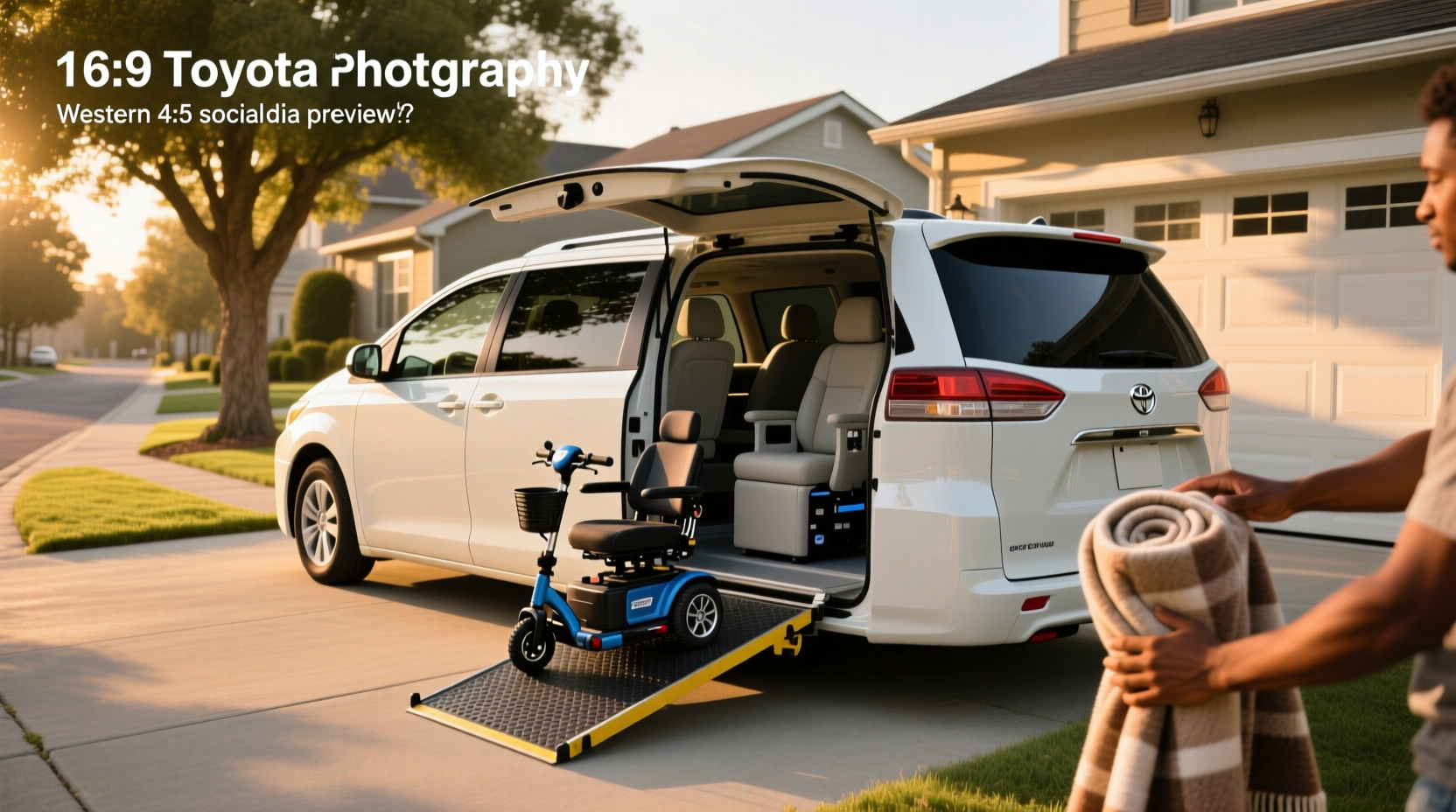
If you're searching for a Toyota Sienna wheelchair van for sale by owner, you're likely looking for affordability, flexibility, and direct communication with the seller. Unlike dealership purchases, private-party sales can offer lower prices and more negotiation room—but they also come with higher risk if not approached carefully. This guide breaks down everything you need to know before buying a converted minivan from an individual, including common conversion brands like BraunAbility and VMI, what to inspect mechanically and structurally, average price ranges, and how to verify accessibility features actually meet your mobility needs. Whether you're shopping for personal use or as a non-emergency medical transport (NEMT) vehicle, understanding these factors is critical to making a safe, informed decision.
Why Buy a Toyota Sienna Wheelchair Van?
The Toyota Sienna has become one of the most popular platforms for wheelchair-accessible conversions in North America—and for good reason. Since 2021, every Sienna model comes standard with a hybrid powertrain, offering improved fuel efficiency over traditional gasoline-powered vans—a major advantage for high-mileage users or commercial operators1. Its spacious interior, sliding side doors, and reliable reputation make it ideal for adaptive modifications.
When converted by certified manufacturers such as BraunAbility, Vantage Mobility International (VMI), or MobilityWorks, the Sienna becomes a fully accessible vehicle capable of accommodating power wheelchairs, manual chairs, and caregivers. These conversions typically involve floor lowering, ramp installation (side- or rear-entry), reinforced seating, tie-down systems, and reconfigured interiors for optimal maneuverability ⚙️.
Understanding Conversion Types: Side vs. Rear Entry
One of the first decisions you’ll face when evaluating a used Toyota Sienna wheelchair van is whether it has a side-entry or rear-entry conversion. Each type offers distinct advantages depending on your usage scenario.
Side-Entry Conversions ✅
- Pros: Allows curb-side access, enabling passengers to enter from sidewalks without stepping into traffic. Often includes in-floor ramps that don’t obstruct passenger movement once deployed.
- Cons: More complex and expensive due to structural modifications. May reduce cargo space on the driver’s or passenger’s side.
- Best For: Urban environments, frequent drop-offs/pickups, and users who travel independently.
Rear-Entry Conversions 🔧
- Pros: Simpler design, often less costly. Preserves interior width and side seating configurations.
- Cons: Requires backing up to curbs; entering from the street can be unsafe in busy areas. Ramps may take up trunk space when stowed.
- Best For: Rural settings, home garages, or families using the van primarily in controlled environments.
| Feature | Side-Entry | Rear-Entry |
|---|---|---|
| Avg. Price Premium | + $8,000–$15,000 | Base cost |
| Safety (Urban Use) | High ✅ | Moderate ❗ |
| Cargo Space Impact | Moderate 📦 | Low 🧰 |
| Common Brands | BraunAbility, VMI | FMI, National Mobility Equipment |
Top Conversion Manufacturers to Look For
Not all wheelchair vans are created equal. The quality of the conversion significantly affects safety, durability, and long-term reliability. When reviewing listings from private sellers, check which company performed the modification.
BraunAbility ⭐
BraunAbility is one of the most respected names in mobility vehicle conversions. Their Entervan and Minivan Plus models based on the Sienna feature smooth automatic ramps, Access360® turning radius for tight spaces, and seamless integration with factory electronics ✨. Vehicles modified by BraunAbility tend to hold value better and are easier to resell.
VMI (Vantage Mobility International) 🌐
VMI's Northstar platform uses a patented in-floor ramp system that retracts flush with the cabin floor. This allows unimpeded movement inside the van and maintains ground clearance. Their conversions are known for engineering precision and compatibility with advanced driver assistance systems (ADAS).
Other Converters: FMI, MobilityWorks, Drive Master
FMI (Freedom Motors Inc.) offers budget-friendly rear-entry options but may lack some premium features found in side-entry models. MobilityWorks operates both as a dealer and converter, often installing Braun or VMI units. Drive Master provides conversions focused on durability for fleet use.
Pricing: What Should You Expect to Pay?
Used Toyota Sienna wheelchair vans vary widely in price based on age, mileage, trim level, conversion type, and brand. As of 2024–2025, here are typical market ranges for privately listed vehicles:
- 2018–2020 Models (Rear-Entry): $25,000 – $38,000
- 2021–2023 Models (Hybrid, Rear-Entry): $35,000 – $48,000
- 2022–2024 Models (Side-Entry, VMI/Braun): $50,000 – $68,000
- New Conversions (Dealer Price Reference): $70,000+
Buying from an owner typically saves 10–20% compared to buying through a mobility dealership. However, private sellers usually don’t offer warranties or post-purchase support 🚚.
Where to Search for Private Listings
Finding a Toyota Sienna wheelchair van for sale by owner requires targeted searching beyond general marketplaces. Here are effective strategies:
Online Marketplaces 🔍
- Facebook Marketplace: Use location filters and keywords like “wheelchair van,” “handicap accessible,” or “mobility van.” Join local disability advocacy groups where members sometimes post leads.
- Craigslist: Still active in many regions. Search under “Cars & Trucks” or “Services – Other” sections. Be cautious of scams.
- Autotrader, Cars.com: Filter by keywords and review seller type. Some private parties list here despite fees.
Niche Platforms & Forums
- Reddit Communities: Subreddits like r/DisabledParking, r/WheelchairUsers, or r/VanLife occasionally have buyers/sellers connecting directly.
- Disability Advocacy Networks: Organizations like United Spinal Association or local independent living centers sometimes host classified boards.
Red Flags to Watch For When Buying Privately
Purchasing a specialized vehicle from an individual means you assume full responsibility for due diligence. Here are warning signs that should prompt further investigation—or walking away:
- No Documentation of Conversion: Legitimate conversions include certification labels, manuals, and service records. Ask for proof of work from Braun, VMI, or other authorized modifiers.
- Rust or Water Damage Around Ramp Area: Common in older conversions due to exposure. Can compromise structural integrity and electrical components.
- Unusual Noises During Ramp Operation: Grinding, stuttering, or slow deployment may indicate motor failure or track misalignment.
- Modified Tie-Down Points or Seat Anchors: Aftermarket changes to securement systems could violate ADA guidelines or FMVSS standards.
- Price Significantly Below Market Value: Could signal hidden damage, flood history, or stolen parts.
Essential Inspection Checklist Before Purchase
Before transferring money, conduct a thorough inspection—ideally with a qualified mechanic familiar with adaptive vehicles.
1. Mechanical Inspection 🛠️
- Verify engine health, transmission performance, and hybrid battery condition (Sienna uses a Nickel-Metal Hydride pack).
- Check suspension and alignment—especially important after floor lowering.
- Review maintenance history: Has the van been regularly serviced?
2. Conversion-Specific Checks ⚙️
- Test the ramp operation multiple times: Does it deploy smoothly? Is there resistance?
- Inspect welds around the lowered floor section for cracks or corrosion.
- Ensure handrails, grab bars, and non-slip flooring are securely attached.
- Confirm tie-down anchors (e.g., four-point docking system) are functional and undamaged.
3. Interior Accessibility Evaluation 👥
- Measure headroom and turning radius while seated in your own wheelchair.
- Assess door opening height and ramp angle—are transfers easy and safe?
- Evaluate caregiver space: Can someone assist during entry/exit?
4. Electrical Systems & Safety Features ⚡
- Ensure backup camera activates when reversing.
- Test emergency stop buttons on powered ramps.
- Confirm integration with Sienna’s stock safety suite (e.g., Blind Spot Monitor, Rear Cross-Traffic Alert).
Financing and Insurance Considerations
Unlike standard used cars, financing a privately purchased wheelchair van can be challenging. Many lenders hesitate to fund modified vehicles unless they’re bought through certified dealers. Consider:
- Credit Unions: Some offer special loans for adaptive equipment.
- Nonprofit Assistance Programs: Organizations like Easterseals or The Independence Fund may provide grants or low-interest loans.
- Private Party Loan Platforms: Peer-to-peer lending networks sometimes allow secured loans with clear titles.
Insurance premiums may be higher due to the vehicle’s increased value from conversion. Notify your provider about the modifications to ensure coverage includes liability related to ramp operation or passenger loading.
Legal and Title Issues You Must Address
In the U.S., converted vehicles must meet Federal Motor Vehicle Safety Standards (FMVSS). While the original manufacturer (Toyota) certifies the base vehicle, the modifier (e.g., BraunAbility) must certify compliance for structural and operational changes.
When buying from an owner:
- Request the **Secondary Manufacturer’s Statement of Origin (SMMSO)** or **Certificate of Conformity**.
- Verify the title reflects the correct GVWR (Gross Vehicle Weight Rating), which increases after conversion.
- Check for any liens using the VIN via your state DMV.
Failure to document these properly can lead to registration issues or failed inspections.
Common Misconceptions About Private Sales
Many buyers assume purchasing from an owner is inherently riskier than going through a dealer. While caution is warranted, private sales aren’t automatically unsafe. Conversely, others believe all converted vans are eligible for tax exemptions or government rebates—this varies by state and program eligibility.
Another myth: “Any Toyota Sienna can be easily converted.” In reality, only certain trims and years are approved for specific conversions due to differences in frame construction and electronic architecture.
Tips for Negotiating With Owners
Since private sellers aren’t bound by dealer pricing, there’s often room to negotiate—especially if the van has been listed for several weeks.
- Use recent comparable sales (comps) from similar markets to justify your offer.
- Point out needed repairs or outdated features (e.g., missing Bluetooth, worn upholstery).
- Ask if the seller will include accessories: extra batteries, charging stations, or portable lifts.
- Avoid lowballing—it can end negotiations prematurely.
Final Steps: Transfer, Registration, and Post-Purchase Actions
Once you’ve agreed on a price:
- Complete a Bill of Sale: Include VIN, mileage, sale price, and signatures from both parties.
- Obtain Title Transfer: Ensure the title is signed correctly and free of errors.
- Register the Vehicle: Visit your local DMV with proof of insurance, ID, and required forms.
- Schedule a Professional Inspection: Even if you inspected earlier, get a second opinion from a mobility vehicle specialist.
- Service Immediately: Replace fluids, check ramp lubrication, and test all electrical circuits.
Alternatives to Buying From an Owner
If the process seems overwhelming, consider:
- Certified Pre-Owned Mobility Vans: Offered by dealerships like AMS Vans or MobilityWorks, often with warranties.
- Rental-to-Own Programs: Test the vehicle before committing.
- Leasing Through VA or Medicaid Waivers: Available in select states for qualifying individuals.
Conclusion
Finding a reliable Toyota Sienna wheelchair van for sale by owner can save money and give you more control over the selection process. But success depends on careful research, verification of conversion quality, and understanding the unique challenges of buying a modified vehicle outside traditional channels. Focus on transparency, insist on documentation, and never skip a professional inspection. With the right approach, you can find a safe, efficient, and comfortable mobility solution tailored to your needs.
Frequently Asked Questions
- Can I convert a regular Toyota Sienna into a wheelchair van myself?
- No. Conversions must be done by federally certified manufacturers to meet safety standards. DIY modifications are illegal and void insurance.
- How do I verify if a conversion was done legally?
- Ask for the Secondary Manufacturer’s Statement of Origin (SMMSO) and look for a certification label inside the van, usually near the driver’s seat.
- Are hybrid Toyota Siennas reliable for wheelchair conversions?
- Yes. The hybrid drivetrain is durable and improves fuel economy. However, ensure the converter accounted for battery placement and weight distribution.
- What should I do if the ramp stops working after purchase?
- Contact the original modifier if under warranty. Otherwise, seek repair from an authorized mobility technician—don’t attempt fixes yourself.
- Do private sellers have to disclose conversion history?
- Legally, sellers must disclose known defects. However, disclosure laws vary by state. Always investigate independently regardless of claims.




 浙公网安备
33010002000092号
 浙B2-20120091-4