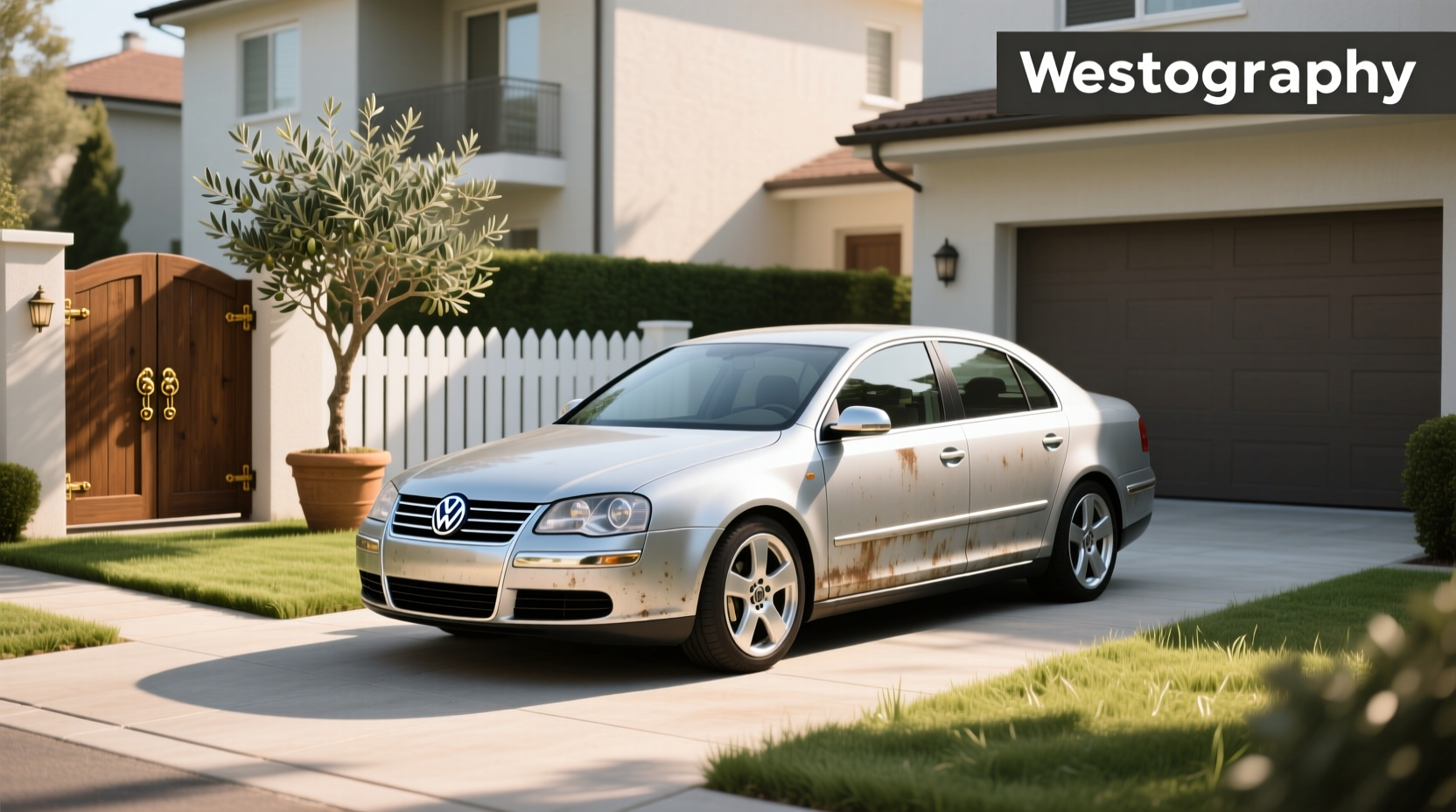
If you're searching for a VW Passat B5 for sale, understanding its reliability, common mechanical issues, and model variations from 1996 to 2005 is crucial. This guide breaks down everything you need to know before purchasing—engine types, interior condition concerns, rust risks, and how to verify a clean history. Whether you’re looking at a 1.8T, 1.9 TDI, or 2.8 V6 model, knowing what to look for can save you thousands in repairs.
Understanding the VW Passat B5 (1996–2005)
The Volkswagen Passat B5, produced from 1996 to 2005, marked a significant evolution in Volkswagen’s midsize sedan lineup. Replacing the B4, the B5 introduced a modern design, improved aerodynamics, and a more refined interior with higher-quality materials compared to its predecessor 1. Available as both a sedan and wagon (Variant), the B5 was built on the same platform as the Audi A4 (B5), sharing many mechanical components, including suspension systems and engine options.
One of the most appealing aspects of the Passat B5 is its balanced blend of comfort, practicality, and driving dynamics. It offered available all-wheel drive (4Motion) on certain trims, which was rare in its class at the time. However, due to its age, finding a well-maintained example today requires careful inspection and awareness of known weaknesses.
Model Years and Generational Differences: B5 vs B5.5
A common point of confusion among buyers is the difference between the B5 and B5.5 models. While often grouped together, they are distinct in several key areas:
- B5 (1996–1999): Features round headlights, simpler dashboard layout, and older electronics. Engines include the 1.8 20V, 1.9 TDI ALH/AFN, and 2.8L VR6.
- B5.5 (2000–2005): Introduced updated styling with oval-shaped headlights, revised interior with softer-touch materials, improved HVAC controls, and upgraded infotainment options. The 1.8T engine received AVU/AGU variants with better performance and reliability.
Despite these changes, both generations are commonly referred to under the 'Passat B5' umbrella in used car listings, so it's essential to verify the exact year and VIN when evaluating a vehicle labeled as such.
Engine Options and Reliability Concerns ⚙️
The Passat B5 came with a range of gasoline and diesel engines, each with unique strengths and potential failure points:
| Engine | Horsepower | Common Issues | Expected Lifespan |
|---|---|---|---|
| 1.8L 20V Turbo (AGU/AVU) | 150–170 HP | Timing belt failures, oil leaks, carbon buildup | 150,000+ miles with maintenance |
| 1.9L TDI (ALH/AFN/AXR) | 90–130 HP | Glow plug control module, injection pump, head gasket | 300,000+ miles possible |
| 2.8L V6 (AAA/AQY) | 190–204 HP | Intake manifold flaps, coil packs, water pump | 180,000+ miles |
The 1.9 TDI remains one of the most durable diesel engines ever made, especially the ALH version found in North American models. With proper care, these engines can exceed 300,000 miles. However, neglect leads to costly repairs like head gasket replacement or injection pump failure.
The 1.8T engine, while powerful and responsive, demands strict maintenance. A missed timing belt service can result in bent valves and catastrophic engine damage. Always confirm if the timing belt and water pump were replaced within the last 60,000 miles or 5 years.
The 2.8L VR6 offers smooth power delivery but suffers from complex intake manifold flap systems that often fail, causing rough idling or check engine lights. Replacement parts can be expensive, and labor-intensive.
Interior Condition and Common Wear Points ✨
When evaluating a VW Passat B5 interior, pay close attention to material degradation, electrical functions, and signs of moisture intrusion. Early B5 models featured hard plastics and optional leather upholstery, while B5.5 versions upgraded to softer dash materials and better sound insulation.
Common issues include:
- Faded center console screens or non-functional climate controls
- Worn driver’s seat bolsters due to lack of lateral support
- Cracked dash pads from UV exposure (especially in sun-heavy regions)
- Inoperative window regulators or door lock actuators
- Moldy smell from clogged AC drain tubes or wet floor mats
Check all buttons, switches, and display panels during a test drive. Many B5s suffer from failing instrument clusters or dimming LCD segments. Aftermarket LED interior lighting kits are widely available for upgrades 2, but ensure compatibility with your model year.
Rust and Structural Integrity 🔍
Rust is one of the biggest threats to long-term ownership of a European sedan in climates with road salt or high humidity. The Passat B5 is particularly prone to corrosion in the following areas:
- Wheel arches (front and rear)
- Lower door sills
- Rear quarter panels near taillights
- Suspension mounting points
- Undercarriage, especially around brake lines and fuel tank
Lift the car or use a flashlight to inspect hidden spots. Surface rust can be treated, but structural rot compromises safety and value. Avoid vehicles with repaired rocker panels unless documentation proves professional restoration.
Transmission and Drivetrain Considerations 🏭
Manual and automatic transmissions in the B5 series have different risk profiles:
- 5-speed manual (02A): Generally robust, but syncros wear over time, especially in 1st and 2nd gear. Check for grinding during shifts.
- Automatic (01M / 09A): Known for valve body issues and slipping gears. Regular fluid changes extend life significantly. Look for delayed engagement or harsh shifting.
- 4Motion AWD system: Uses a Haldex clutch pack (on later B5.5). Ensure it engages properly by testing traction on low-grip surfaces. Leaking rear differential seals are common.
Always request service records showing transmission fluid replacements. Neglect here often leads to $2,000+ rebuild costs.
Pricing and Market Trends (2024) 💰
As of 2024, the average price for a running VW Passat B5 for sale ranges from $800 to $4,500 depending on condition, mileage, location, and engine type. Well-documented examples with full service histories command premiums, especially wagons with low mileage.
Factors influencing value:
- Diesel models (TDI): Higher demand due to fuel efficiency and longevity.
- Manual transmission: Preferred by enthusiasts; holds value better than automatics.
- Complete maintenance records: Adds 15–25% to resale value.
- Modified interiors or aftermarket parts: Can decrease value unless professionally done.
Be cautious of deals that seem too good to be true—hidden flood damage, salvage titles, or odometer rollback are red flags.
What to Inspect Before Buying 🧰
Before committing to a purchase, conduct a thorough inspection using this checklist:
- Verify Vehicle History: Use the VIN to run a Carfax or AutoCheck report. Look for accidents, title brands, or frequent ownership.
- Inspect for Rust: Focus on wheel wells, undercarriage, and door bottoms.
- Test All Electronics: Windows, locks, mirrors, HVAC, radio, and warning lights.
- Check Engine Health: Cold start noise, oil condition, exhaust smoke (blue = oil burn, white = coolant leak).
- Review Maintenance Records: Timing belt, transmission fluid, brake jobs, and cooling system services.
- Drive It Thoroughly: Listen for suspension clunks, steering wander, or transmission hesitation.
- Scan for Error Codes: Use an OBD-II scanner to detect stored faults even if no CEL is lit.
Consider hiring a trusted mechanic for a pre-purchase inspection (PPI), ideally one familiar with German cars. A $150 inspection could prevent a $3,000 mistake.
Ownership Costs and Maintenance Schedule 📋
Maintaining a Passat B5 affordably requires planning. Here’s a breakdown of typical annual costs based on U.S. data:
- Oil change (synthetic): $70–$120
- Tire rotation & alignment: $80–$150
- Coolant flush: $150–$250
- Brake pad replacement: $200–$400
- Timing belt + water pump: $800–$1,400 (critical every 60k–90k miles)
Recommended service intervals:
- Oil and filter: Every 5,000–7,500 miles
- Air filter: Every 30,000 miles
- Spark plugs: Every 60,000 miles (iridium recommended)
- Fuel filter (diesel): Every 30,000 miles
- Transmission fluid: Every 60,000 miles (manual), 40,000 (automatic)
Using genuine VW fluids and OEM-spec parts improves longevity. Aftermarket sensors or thermostats may fail prematurely.
Where to Find a VW Passat B5 for Sale 📍
Popular sources include:
- Local dealerships: Some specialize in used European sedans.
- Private sellers (Facebook Marketplace, Craigslist): Often offer lower prices but require more diligence.
- Online auctions (Copart, IAAI): Riskier but can yield bargains if you understand salvage titles.
- Enthusiast forums (VWVortex, Passatworld): Trusted community members often sell well-maintained examples.
Avoid imports from countries with poor emissions standards or where diesel tuning is widespread unless verified by a specialist.
FAQs About Buying a VW Passat B5
- ❓ What year Passat B5 is the most reliable?
- The 2002–2004 models with the ALH 1.9 TDI engine are widely considered the most reliable due to proven durability and simpler electronics compared to earlier versions.
- ❓ How much should I expect to pay for a drivable Passat B5?
- Prices typically range from $1,500 for a project car to $4,500 for a clean, low-mileage example with documented maintenance.
- ❓ Is the VW Passat B5 suitable for daily driving?
- Yes, if properly maintained. The ride comfort and cabin space make it a capable daily driver, though parts availability should be confirmed beforehand.
- ❓ Does the Passat B5 have common electrical problems?
- Yes, particularly in humid climates. Window regulators, door locks, and instrument clusters are frequent failure points after 15+ years.
- ❓ Can I tow with a VW Passat B5?
- Some trims support up to 3,500 lbs with factory hitch and proper cooling. Check your VIN-specific towing capacity before attempting.




 浙公网安备
33010002000092号
 浙B2-20120091-4