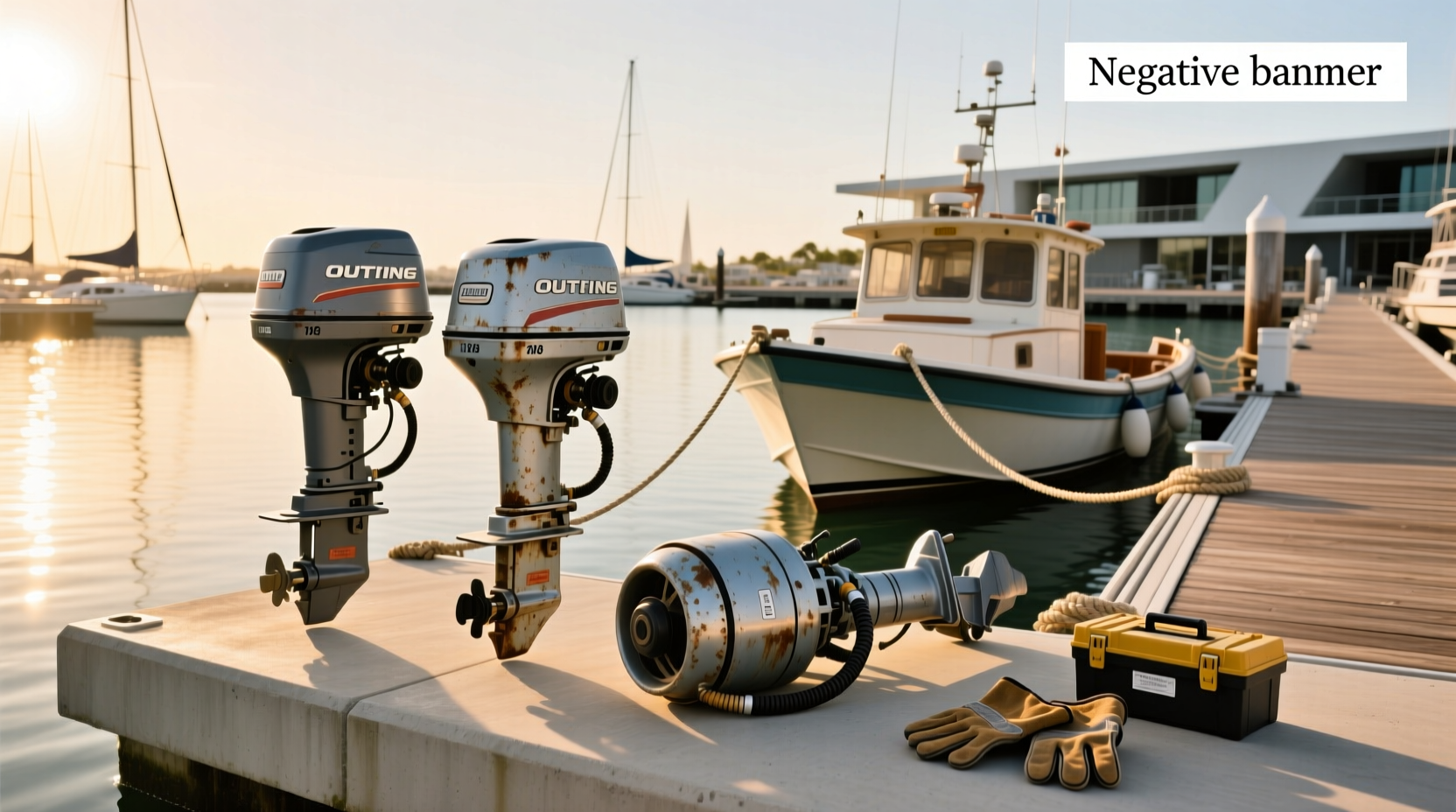
When searching for used outboard motors, buyers often face uncertainty about reliability, performance, and value. The right choice depends on your boat size, intended use, and maintenance knowledge. This guide breaks down everything you need to know—from horsepower selection and fuel type differences to identifying red flags during inspection—so you can make an informed decision when purchasing a pre-owned outboard motor.
Why Consider a Used Outboard Motor?
Many boaters turn to the used market to save money without sacrificing performance. New outboard motors can cost thousands, especially high-horsepower models. A well-maintained used unit from brands like Mercury, Honda Marine, or Tohatsu may offer similar reliability at a fraction of the price1. However, buying used comes with risks: hidden damage, lack of service history, or outdated technology.
The key is knowing what to look for. Whether you're powering a small fishing kayak with a 4 hp motor or upgrading a center console with a 115 hp engine, understanding specifications and wear indicators helps avoid costly mistakes. In this article, we’ll explore how to assess condition, compare two-stroke vs four-stroke engines, estimate fair pricing, and verify compatibility with your vessel.
Understanding Horsepower Requirements
One of the first decisions when shopping for used outboard motors is selecting the correct horsepower (hp). Too little power means poor acceleration and underperformance; too much can strain your transom or cause instability.
A general rule is 25–30 lbs of boat weight per 1 hp. For example:
- A 1,500-lb boat typically needs 50–60 hp
- A lightweight jon boat (under 800 lbs) works well with 9.9–25 hp
- Dock tenders and inflatables often use 4–9.9 hp motors
Check your boat’s capacity plate (usually near the helm) for maximum recommended horsepower. Exceeding it increases safety risks and may void insurance. Also consider usage: calm lake fishing allows lower hp, while offshore trolling or watersports demand more thrust.
| Boat Type | Typical Weight | Recommended HP Range |
|---|---|---|
| Kayak/Canoe | 50–100 lbs | Under 4 hp |
| Inflatable Dinghy | 200–500 lbs | 4–9.9 hp |
| Jon Boat | 600–1,200 lbs | 9.9–25 hp |
| Fishing Skiff | 1,000–2,000 lbs | 25–115 hp |
| Center Console | 3,000+ lbs | Over 115 hp |
Two-Stroke vs Four-Stroke Engines
Another critical factor in evaluating used outboard motors is engine type. Historically, two-stroke engines dominated due to simplicity and lighter weight. Today, most new units are four-stroke or electric, but many older two-strokes remain in circulation.
⚙️ Two-Stroke Motors
- Pros: Lighter, simpler design, higher power-to-weight ratio
- Cons: Less fuel-efficient, louder, produce more emissions, require oil-gas mixing (unless direct injection)
- Best for: Small boats where weight matters, occasional use
Older carbureted two-strokes need proper winterization and fresh fuel to start reliably. Look for signs of corrosion in the carburetor bowl or exhaust housing.
⚙️ Four-Stroke Motors
- Pros: Quieter, better fuel economy, cleaner burning, longer lifespan with maintenance
- Cons: Heavier, more complex internal components
- Best for: Daily drivers, family boats, long-distance cruising
Four-strokes have valves, camshafts, and oil reservoirs—components that wear over time. Check oil level and color: milky oil suggests water intrusion, a sign of a failed lower unit seal or cracked block.
⚡ Electric Options
While not common in traditional used markets, electric outboards like Torqeedo or Newport Vessels are gaining popularity for small craft. They’re quiet, emission-free, and low-maintenance—but limited by battery life and thrust output. Most max out around 6 hp equivalent, suitable only for light displacement vessels.
Key Components to Inspect Before Buying
Unlike cars, boats don’t come with Carfax reports. So physical inspection is essential when buying a used outboard motor. Here’s what to check:
🔧 Lower Unit & Propeller
The lower unit contains gears and seals that protect against water ingress. Signs of trouble include:
- Oil leakage or milky appearance in gear lube (indicates water contamination)
- Excessive play in the prop shaft
- Bent or damaged propeller blades
Ask for a gear oil sample—if it looks chocolate-milk-like, suspect internal corrosion.
🔧 Engine Compression
Poor compression leads to hard starts and reduced power. Use a compression tester (available at marine shops) to measure psi across cylinders. Acceptable readings vary by model, but generally:
- Two-strokes: 90–110 psi
- Four-strokes: 110–130 psi
- Variation between cylinders should be less than 10%
If one cylinder reads significantly lower, there could be piston ring or valve issues.
🔧 Fuel System & Carburetion
Old gasoline degrades within 3–6 months, leaving varnish in carburetors and fuel lines. Symptoms include:
- Engine cranks but won’t start
- Stalling after warm-up
- Difficulty idling
Request a running test. If the seller can’t start it on-site, assume the fuel system needs cleaning. Avoid motors stored with old fuel unless recently serviced.
🔧 Corrosion & Mounting Hardware
Saltwater exposure accelerates corrosion. Inspect:
- Anode (zinc) wear – replace if more than 50% gone
- Rust on clamp brackets or swivel bracket
- Pitting on aluminum housing
Heavy pitting or seized tilt mechanisms indicate neglect. Freshwater-only motors typically show less corrosion.
Pricing Trends for Used Outboard Motors
Used prices depend on age, brand, horsepower, and condition. As of 2025, average resale values include:
- Under 4 hp: $200–$500
- 4–9.9 hp: $500–$1,200
- 9.9–25 hp: $1,200–$2,500
- 25–115 hp: $2,500–$8,000
- Over 115 hp: $8,000+
Newer four-stroke models retain value better. For example, a 2018 Honda BF90 (~90 hp) might sell for $6,500, while a comparable 2005 Evinrude two-stroke may go for $3,000 despite similar output.
Be cautious of deals that seem too good to be true. Extremely low prices often reflect mechanical problems or theft risk. Always verify serial numbers against national databases like the U.S. Coast Guard National Registry.
Where to Buy Used Outboard Motors
Several channels exist for finding used outboard motors:
🛒 Online Marketplaces
Websites like Craigslist, Facebook Marketplace, and Boattrader list local options. Benefits include immediate viewing and negotiation flexibility. Risks include scams and incomplete documentation. Always meet in person and test the motor if possible.
🏭 Dealer Trade-Ins
Authorized dealers sometimes resell trade-ins after inspection and servicing. These units may come with short warranties and verified histories, though priced higher than private sales.
👥 Marinas & Repair Shops
Local marinas occasionally have customer-trade units or repair returns. Technicians can often provide insight into mechanical condition. Some shops offer trial periods or installation checks.
🌐 Auctions & Estate Sales
Government surplus auctions or estate liquidations may offer discounted motors. However, these usually sell “as-is” with no return policy. Due diligence is crucial.
Common Mistakes When Buying Used
Even experienced buyers make errors. Avoid these pitfalls:
- Skipping a sea trial: Never buy without seeing the motor run. Listen for knocking, excessive vibration, or smoke.
- Ignoring tilt mechanism: Test full range of motion. Stiffness or grinding suggests bearing wear.
- Overlooking paperwork: Service records, original manuals, and warranty documents add value and insight.
- Assuming all mounts are compatible: Transom height (shaft length) must match. Common sizes: 15" (short), 20" (standard), 25" (long).
- Not checking local regulations: Some states restrict two-stroke engines on certain lakes due to emissions.
Maintenance History: Why It Matters
A motor with documented annual servicing is worth more than one with unknown upkeep. Ask for:
- Last oil change date
- Gear lube replacement
- Impeller changes (critical for cooling)
- Winterization proof (antifreeze flush, fogging)
Lack of impeller replacement every 2–3 years raises overheating risks. Similarly, improper winterization in cold climates can crack engine blocks.
Environmental & Regional Considerations
Location affects both availability and suitability. In saltwater regions, corrosion resistance becomes critical. Stainless steel hardware and protective coatings help extend life. In freshwater areas, algae buildup and freezing temperatures pose different challenges.
Some northern states require specific starting systems for cold weather. Carbureted engines struggle below 40°F unless modified. Fuel-injected models handle temperature extremes better.
Final Checklist Before Purchase
Before handing over payment, complete this checklist:
- ✅ Verify serial number matches title or bill of sale
- ✅ Inspect for rust, leaks, and physical damage
- ✅ Test start and idle behavior
- ✅ Check gearshift operation (forward/neutral/reverse)
- ✅ Confirm shaft length fits your transom
- ✅ Review maintenance logs (if available)
- ✅ Compare price to recent sales of same model/year
If buying online, request detailed photos of internals and video of operation. Consider hiring a marine surveyor for high-value purchases ($3,000+).
Frequently Asked Questions
- Can I use a used outboard motor immediately after purchase?
- It's recommended to inspect and possibly service the motor before first use. At minimum, check gear oil, fuel lines, and propeller condition. Run it on a test tank to ensure proper cooling and shifting.
- How do I tell if a used outboard has been well-maintained?
- Look for clean oil (not milky or dark), intact anodes, smooth shifting, and responsive throttle. Service records, consistent compression readings, and absence of corrosion are strong indicators.
- Are older two-stroke outboards reliable?
- Yes, if properly maintained. Many vintage two-strokes from the 1980s–90s remain functional. However, parts availability decreases over time, and they’re less fuel-efficient and noisier than modern four-strokes.
- What should I do if the motor doesn’t start during inspection?
- Don’t assume it’s dead. Common causes include stale fuel, fouled spark plugs, or weak batteries. But persistent failure without obvious fixes may signal deeper issues like compression loss or electrical faults.
- Is it safe to buy a used outboard motor online?
- It can be, but requires extra caution. Only buy from sellers who provide clear photos, videos of operation, and allow third-party inspections. Use secure payment methods and avoid wire transfers.




 浙公网安备
33010002000092号
 浙B2-20120091-4