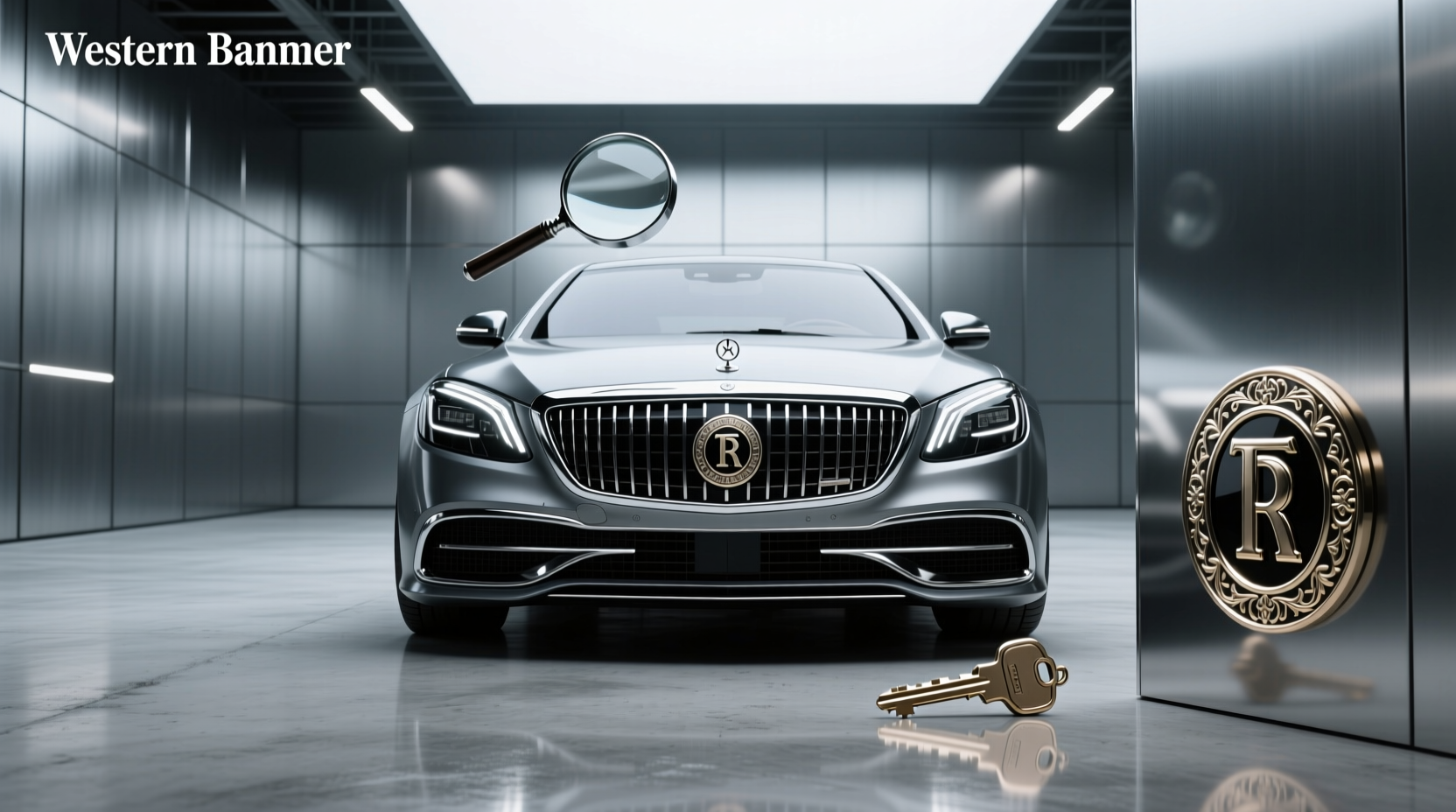
Car grille badges—those small but distinctive emblems mounted on the front of vehicles—are more than just decorative elements. They serve as brand identifiers, style statements, and even resale value indicators. Whether you're looking to replace a damaged badge, customize your vehicle's appearance, or simply understand the meaning behind different designs, this guide covers everything you need to know about car grille badges, including types, materials, installation methods, and common user concerns like legality, durability, and compatibility.
What Are Car Grille Badges?
A car grille badge is a manufacturer-issued emblem typically located in the center of the vehicle’s front grille. It displays the brand logo (e.g., Toyota, Ford, Chevrolet) and sometimes model-specific insignia (like BMW M or Mercedes-AMG). These badges help identify the make and model at a glance and contribute to the overall aesthetic of the vehicle.
While most factory-installed badges are made from metal, chrome-plated plastic, or composite materials with adhesive backing or pin mounts, aftermarket versions vary widely in quality and design. Some owners choose to remove them (a practice known as “debadging”), while others upgrade to 3D metal or illuminated versions for a bolder look ✨.
Common Types of Car Grille Badges
Understanding the different types of grille badges helps in selecting replacements or upgrades that match your vehicle and preferences.
1. OEM (Original Equipment Manufacturer) Badges
OEM badges are produced by the automaker and installed during assembly. They are designed to perfectly match the vehicle’s color, finish, and dimensions. These are often available through dealership parts departments or authorized online retailers.
- Pros: Exact fit, color-matched, durable finishes
- Cons: Higher cost, limited customization options
2. Aftermarket Badges
Third-party manufacturers produce these badges to mimic OEM designs or offer unique variations. Materials range from ABS plastic to stainless steel, and many include epoxy doming for a glossy, raised effect.
- Pros: Lower price, wide variety, custom options
- Cons: Quality varies, potential fitment issues
3. Custom and Personalized Badges
These allow owners to add names, logos, or themed designs (e.g., racing stripes, national flags, fictional emblems like Captain America’s shield). Often made using laser-cut metal or 3D-printed resin with domed epoxy coating.
- Use Cases: Show cars, fleet branding, personal expression
- Note: May not be street-legal in all regions if they obscure official identification
4. Illuminated Badges
Gaining popularity in luxury and EV segments, illuminated badges use LED backlighting to enhance visibility at night. Found on models like Tesla, Audi e-tron, and certain Lexus trims.
- Installation: Requires wiring into the vehicle’s lighting circuit ⚙️
- Caution: DIY installations may void warranty or cause electrical issues
Materials Used in Grille Badges
The material affects durability, appearance, and price. Here’s a breakdown of common options:
| Material | Appearance | Durability | Cost Range |
|---|---|---|---|
| Metal (Stainless Steel/Aluminum) | Polished, brushed, or chrome finish | High – resistant to UV and weather | $15–$50 |
| Chrome-Plated Plastic | Shiny, reflective surface | Medium – prone to peeling over time | $10–$30 |
| ABS Plastic | Matt or gloss, paintable | Low to medium – can fade or crack | $5–$20 |
| Epoxy-Domed Resin | 3D glossy effect, vibrant colors | Medium – protects underlying layer | $8–$40 |
For long-term outdoor exposure, metal or epoxy-domed badges generally perform best 🌍.
Why Do People Replace or Customize Grille Badges?
There are several reasons drivers choose to modify their original badges:
Restoration & Repair
Over time, badges can become faded, cracked, or damaged due to car washes, road debris, or corrosion. Replacing them restores the vehicle’s clean appearance 🔧.
Debadging Trend
Some owners prefer a minimalist look and remove all emblems for a sleeker front end. This is common among luxury sedan and SUV owners seeking a subtler profile.
- Tip: Use a heat gun or hair dryer to soften adhesive before removal to avoid paint damage 🧼
Personalization
Custom badges let drivers express identity—whether it’s showing team loyalty, military service, or a favorite superhero emblem like the SHIELD logo from Marvel.
Brand Identity Clarification
In cases where a vehicle has been repainted or modified, replacing an incorrect or missing badge ensures accurate representation.
How to Identify Your Current Badge
Before purchasing a replacement, confirm the exact type and size:
- Check the Manufacturer’s Website: Most automakers provide part numbers for emblems under “parts” or “accessories.”
- Measure Dimensions: Use a ruler to record diameter or height/width (e.g., 60mm round, 80x40mm rectangular).
- Note Mounting Style: Does it use adhesive tape, screw pins, or snap-in clips? This affects compatibility.
- Color Match: Compare against the vehicle’s body or trim color. Some badges come in black, silver, white, or chrome finishes.
For example, a Toyota grille badge might have a red-and-white oval design, while a Subaru emblem features a six-star constellation within a stylized shape 📍.
Can You Legally Modify or Remove Car Grille Badges?
In most countries, removing or replacing a grille badge is legal as long as:
- It doesn’t obstruct required identification (e.g., VIN plate, safety certification labels)
- The replacement doesn’t misrepresent the vehicle (e.g., putting a Porsche badge on a Honda)
- Local regulations don’t prohibit modifications to frontal markings (rare, but check municipal codes)
However, altering badges to deceive (e.g., evading tolls or law enforcement) could lead to penalties ❗. Always verify local laws before major changes.
Step-by-Step: How to Replace a Grille Badge
Replacing a worn or damaged badge is usually straightforward. Follow these steps:
Tools Needed:
- Replacement badge
- Plastic pry tool or floss (for pin-mounted types)
- Isopropyl alcohol and microfiber cloth
- Heat gun or hair dryer (optional)
- Gloves (to prevent fingerprints)
Removal Process:
- Warm the Area: Apply gentle heat to soften adhesive (if present).
- Carefully Pry Off: Insert a plastic tool around the edge and lift slowly. For pin-style badges, gently wiggle side-to-side until released.
- Clean the Surface: Remove residue with alcohol. Avoid abrasive pads to prevent scratches.
Installation Tips:
- Align the new badge precisely before pressing down.
- If adhesive-backed, press firmly for 30 seconds and avoid washing the car for 24 hours.
- For pin-mount types, ensure clips engage fully to prevent vibration loosening.
⏱️ Total time: ~10–20 minutes per badge.
Popular Brands with Shield-Shaped Logos
One recurring theme in search results is the interest in shield-shaped car logos. Several automakers use this iconic design:
- Ford: Blue oval within a silver surround (sometimes styled as a shield)
- Chevrolet: Bowtie inside a rounded rectangle/shield form
- Alfa Romeo: Classic Milanese cross and serpent in a circular shield
- Dodge: Bold ram head within a pointed shield
- Pontiac (discontinued): Arrowhead inside a circular badge
The shield symbol traditionally represents protection, strength, and heritage—common themes in automotive branding 🛡️.
Where to Buy Replacement Grille Badges
You can source badges from various channels:
1. Dealerships
OEM parts with guaranteed fit and finish. Expect higher prices but full authenticity ✅.
2. Online Marketplaces (e.g., eBay, Etsy, Alibaba.com)
Wide selection of OEM-style and custom badges. Be cautious of counterfeit products and inaccurate descriptions.
- Etsy: Handmade or personalized options (e.g., domed epoxy badges)
- eBay: New and used OEM parts from global sellers
- Alibaba.com: Bulk purchases from manufacturers; ideal for shops or fleets 🏭
3. Specialty Auto Accessory Stores
Websites like CarChromeDecals.com or ManOfMany-recommended vendors offer curated selections with better quality control than general marketplaces.
Price Ranges and Value Considerations
Prices vary significantly based on brand, material, and origin:
- Budget: $5–$15 (plastic, unbranded)
- Mid-Range: $15–$30 (metal, epoxy-domed, OEM-style)
- Premium: $30+ (illuminated, branded originals, rare collectibles)
🛒 Pro Tip: Compare total cost including shipping and import fees when buying internationally.
Common Misconceptions About Car Grille Badges
Let’s clarify some frequent misunderstandings:
Misconception 1: All Badges Are Interchangeable
No. Even within the same brand, badge sizes and mounting systems differ by model year and trim level. Always verify compatibility.
Misconception 2: Bigger Is Better
Larger or flashy badges may detract from aesthetics or violate local modification rules. Subtlety often enhances resale appeal.
Misconception 3: Adhesive Lasts Forever
Most adhesives degrade after 5–10 years due to sun exposure and temperature swings. Regular inspection helps prevent sudden detachment.
Trends in Modern Grille Badging
Recent shifts reflect broader industry changes:
- Minimalist Designs: Electric vehicles like Hyundai Ioniq 5 and Kia EV6 use flat, flush-mounted badges to reduce drag.
- Illumination: Used for nighttime visibility and premium feel.
- Hidden Badges: Some high-end models conceal logos until activated (e.g., lit up on approach).
- Sustainability: Automakers exploring recyclable materials and reduced plating chemicals.
When Not to Replace or Modify a Badge
Consider avoiding changes in these situations:
- Under Warranty: Modifications involving drilling or wiring could void coverage.
- Historic or Collector Vehicles: Originality affects value; consult appraisal experts first.
- Rental or Fleet Vehicles: Unauthorized changes may breach lease agreements.
- Uncertain Fitment: If specs aren’t confirmed, risk poor alignment or damage.
Final Thoughts
Car grille badges play a subtle yet significant role in vehicle identity and styling. Whether you’re repairing a chipped emblem, embracing the debadging trend, or adding a personal touch, understanding the types, materials, and installation methods ensures a professional result. Prioritize fit, durability, and compliance with local norms to maintain both function and aesthetics.
As automotive design evolves—especially with electrification and digital integration—the role of physical badges may change, but their symbolic importance remains strong.
Frequently Asked Questions (FAQs)
- What car brand has a shield logo?
- Several brands use shield-inspired logos, including Chevrolet, Ford, Alfa Romeo, and Dodge. Each incorporates historical or regional symbolism into the design.
- Is car debadging illegal?
- No, removing badges is generally legal as long as it doesn’t hide required identification or mislead about the vehicle’s identity.
- What does a shield logo represent in car branding?
- A shield typically symbolizes protection, strength, heritage, and trust—values many automakers aim to associate with their brand.
- Can I replace a grille badge myself?
- Yes, most replacements can be done at home with basic tools. Just ensure proper cleaning and alignment for best results.
- How do I clean and maintain my car grille badge?
- Use mild soap and water, dry with a soft cloth, and avoid harsh chemicals. For metal badges, occasional waxing helps prevent tarnishing.




 浙公网安备
33010002000092号
 浙B2-20120091-4