When searching for ways to enhance your vehicle’s interior or exterior lighting, car LED light strips offer a flexible, energy-efficient solution that many drivers are now adopting. Whether you’re looking to improve visibility, add ambient lighting, or customize your ride’s appearance, understanding how to choose the right type, ensure proper voltage compatibility, and install them safely is essential. This guide breaks down everything you need to know—from waterproof ratings and color temperatures to wiring methods and legal restrictions—so you can make informed decisions without risking damage to your vehicle’s electrical system.
What Are Car LED Light Strips and How Do They Work?
LED light strips are flexible circuits embedded with small light-emitting diodes (LEDs) that produce illumination when powered by a direct current (DC) source, typically 12V in automotive applications. Unlike traditional bulbs, these strips use solid-state technology, making them more durable, cooler-running, and longer-lasting. In vehicles, they're commonly used for underglow lighting, footwell illumination, trunk accents, dashboard backlighting, or even functional purposes like cargo area lighting.
Most automotive LED strips operate on a 12-volt DC system, matching standard car battery output. However, some advanced models may require a step-down converter or constant-current driver to prevent overheating or flickering. They come in various lengths—typically ranging from 16 inches to 16 feet—and can be cut at designated points to fit specific spaces. The LEDs themselves are usually surface-mounted devices (SMDs), such as SMD3528, SMD5050, or newer high-density variants like SMD2835, each offering different brightness levels and beam angles.
Common Uses of LED Strips in Vehicles
Understanding where and why people install LED light strips helps clarify what features matter most during selection:
- Interior Ambient Lighting: Installed along door sills, beneath dashboards, or around cup holders to create mood lighting. These are often RGB (red-green-blue) strips allowing color changes via remote control or smartphone app ⚡.
- Functional Interior Lighting: Used in glove compartments, trunks, or footwells to improve visibility at night. White or warm-white strips with consistent lumen output work best here ✅.
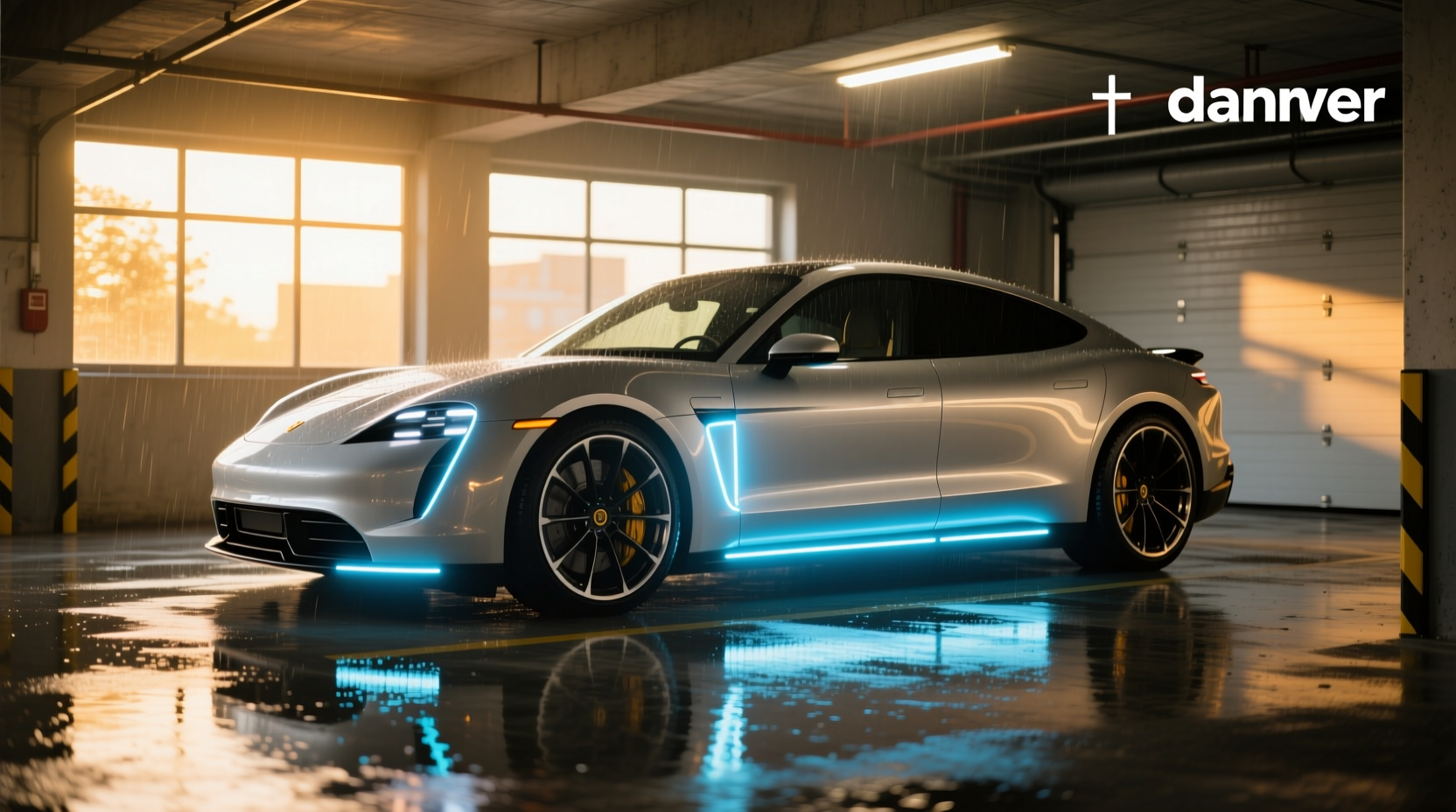
- Exterior Accent Lighting: Mounted underneath the chassis (underglow), wheel arches, or license plate areas for visual customization. These must be waterproof and UV-resistant to withstand road conditions 🌧️.
- Utility Lighting: Added inside vans, SUVs, or trucks for cargo illumination. Often paired with motion sensors or door switches for automatic activation 🔧.
While aesthetics drive many installations, functionality should not be overlooked. Poorly chosen strips may cause glare, drain the battery, or interfere with onboard electronics.
Key Factors When Choosing Car LED Light Strips
Selecting the right LED strip involves evaluating several technical and practical aspects:
Voltage Compatibility (12V vs. 24V)
Most passenger cars run on a 12V electrical system, so 12V DC LED strips are standard. Never connect a 12V strip directly to a higher voltage without a regulator—it will burn out instantly. Some heavy-duty vehicles (e.g., commercial trucks) use 24V systems, requiring compatible strips or buck converters.
Waterproof Rating (IP Code)
If installing outdoors or in wet environments (like wheel wells), look for an IP65 rating or higher:
- IP65: Protected against water jets
- IP67: Can withstand temporary submersion
- IP68: Suitable for continuous underwater use
Non-waterproof strips should only be used indoors and away from moisture sources.
Brightness and Color Temperature
Brightness is measured in lumens per foot (lm/ft). For subtle ambient effects, 100–300 lm/ft is sufficient; task lighting may require 400+ lm/ft. Color temperature, measured in Kelvin (K), affects the light's tone:
- 3000K: Warm white (yellowish, cozy feel)
- 6000K: Cool white (daylight-like, crisp appearance)
- RGB: Full-color spectrum via controller
Avoid excessively bright or blue-heavy lights inside the cabin, as they can cause eye strain during night driving.
Flexibility and Mounting Options
Rigid bars are better for straight edges, while flexible silicone-coated strips conform to curves. Adhesive backing (usually 3M tape) works well on clean, dry surfaces. For permanent installations, consider screw mounts or clips.
Dimming and Control Features
Some strips support PWM (pulse-width modulation) dimming, allowing integration with factory dimmer switches. RGB versions often include IR remotes, Bluetooth controllers, or app-based interfaces for dynamic effects like fading, strobing, or music synchronization.
| Feature | Recommended Spec | Why It Matters |
|---|---|---|
| Voltage | 12V DC | Matches car battery; prevents overvoltage damage |
| IP Rating | IP65 or higher (exterior) | Resists moisture and dust ingress |
| Lumens per Foot | 100–400 lm/ft | Balances visibility and comfort |
| Color Temp | 3000K–6000K (white); RGB optional | Affects ambiance and usability |
| Length | Customizable (cuttable every 1–3 LEDs) | Fits tight or irregular spaces |
Powering LED Strips: Direct Battery vs. Switched Sources
How you power your LED strip determines safety, convenience, and battery life:
- OBD2 Port: Convenient but keeps lights active even when engine is off—risking battery drain after prolonged parking.
- Fuse Tap (Add-a-Circuit): Connects to existing fuse box circuits. Use switched fuses (only live when ignition is on) for automatic shutoff.
- Direct Battery Connection: Most reliable but requires inline fuse (typically 3A–5A) within 18 inches of the battery terminal to prevent fire hazards.
- Cigarette Socket: Easy plug-and-play option, though limited by socket availability and potential overload if other devices are used.
Always use appropriate gauge wire (usually 18–22 AWG for short runs) and secure connections with solder or crimp terminals. Loose wires can short-circuit or trigger error messages on modern CAN bus systems.
Installation Steps for Safe and Secure Setup
Follow this step-by-step process to avoid common pitfalls:
- Plan Layout: Measure the target area and determine total strip length needed. Mark locations for cuts and connectors.
- Clean Surface: Wipe mounting area with alcohol to remove grease and ensure strong adhesive bond.
- Test Before Mounting: Power the strip temporarily to check for dead zones or inconsistent brightness.
- Mount Strip: Peel backing and press firmly into place. Avoid stretching or bending beyond minimum radius.
- Route Wires: Hide cables under trim panels using plastic pry tools to avoid damaging clips.
- Connect Power: Wire to a fused circuit using ring terminals or quick-splice connectors.
- Seal Exposed Ends: Use silicone caps or heat shrink tubing to protect cut ends from moisture.
For RGB strips, test all color modes and transitions before finalizing installation. If using a controller, mount it in an accessible but hidden location.
Legal Considerations and Road Safety
While personalization is appealing, certain uses of LED light strips may violate local laws:
- Underglow Lights: Banned or restricted in many U.S. states (e.g., California, Arizona, New York) if they emit flashing, rotating, or red/blue colors associated with emergency vehicles.
- Front-Facing Colors: White or amber only—avoid blue or red, which can be mistaken for police or ambulance lights.
- Interior Glare: Bright overhead or dashboard lighting can impair night vision and distract the driver.
Check your state’s motor vehicle code before installing exterior accent lighting. Even if not explicitly prohibited, overly bright or distracting lights could result in a citation under “equipment violations” or “distraction statutes.”
Common Mistakes to Avoid
Many DIYers encounter issues due to oversight or incorrect assumptions:
- Mixing 12V and 24V Components: Results in immediate failure or fire risk.
- Ignoring Heat Dissipation: High-power strips generate heat—don’t enclose them in sealed plastic housings without ventilation.
- Using Non-Automotive Grade Tape: Standard double-sided tape fails in high-heat environments like dashboards.
- Connecting Too Many Strips in Series: Exceeding maximum run length causes voltage drop and dimming at the far end.
- Skipping Fuses: A direct battery connection without a fuse creates a serious fire hazard.
Alternatives to LED Strips for Vehicle Lighting
If strips aren't ideal for your needs, consider these alternatives:
- LED Modules: Compact, focused beams for puddle lights or DRLs.
- Flexible Neon Rope Lights: Softer glow, less efficient than LEDs but easier to shape.
- Plug-and-Play Kits: Pre-wired sets designed for specific vehicles (e.g., footwell kits for BMW or Toyota).
- Replacement Bulbs: Upgrading OEM incandescent bulbs to LED equivalents in map lights or dome lamps.
Each has trade-offs in cost, ease of installation, and customization level.
Maintenance and Troubleshooting Tips
Even well-installed LED strips can develop issues over time:
- Flickering Lights: Caused by loose ground connection, insufficient power supply, or incompatible dimmer.
- Partial Failure: One section goes dark—likely due to a broken solder joint at a cut point.
- Color Inconsistency (RGB): May indicate controller malfunction or data signal loss.
- Peeling Adhesive: Reapply with automotive-grade bonding tape like VHB (Very High Bond).
Regularly inspect connections and clean dust buildup, especially in engine bay or undercarriage installations.
Cost vs. Quality: What Price Range Should You Expect?
Pricing varies significantly based on quality and features:
- $10–$30: Basic single-color strips, often no-name brands with minimal waterproofing.
- $30–$80: Mid-tier kits with better brightness, IP65+ rating, and remote controls.
- $80–$150+: High-output, addressable RGBW strips with app control and memory functions.
Wholesale options exist through distributors like Voltage Automotive or HID Nation, but individual buyers should prioritize reliability over bulk savings. Look for products with clear specifications, not just marketing claims.
Environmental and Longevity Considerations
Quality LED strips last 30,000 to 50,000 hours—over 10 years with average use. However, lifespan depends on operating temperature, drive current, and enclosure design. Avoid placing strips near exhaust components or in direct sunlight without UV protection. Also, consider recyclability: most contain electronic components and shouldn’t be disposed of in regular trash.
Final Recommendations Before Buying
Before purchasing car LED light strips, ask yourself:
- Is this for interior or exterior use?
- Do I need waterproofing or UV resistance?
- Will it be powered continuously or switched with ignition?
- Are there local laws restricting color or placement?
- Does my vehicle have a CAN bus system that might detect low-draw LEDs?
Answering these questions ensures you select a product that’s safe, compliant, and suited to your actual needs—not just aesthetic appeal.
Frequently Asked Questions (FAQs)
Here are answers to common follow-up questions about car LED light strips:
- Can I install LED light strips without drilling or permanent modifications?
- Yes, most strips use adhesive backing and can be powered via cigarette socket or OBD2 port without cutting wires. Just ensure cables are secured and won’t interfere with pedals or moving parts.
- Do LED light strips drain the car battery?
- They consume very little power (typically 2–10 watts per foot), but if connected to a constant-power source, extended parking (e.g., over 24–48 hours) could cause noticeable discharge. Use a switched circuit or timer module to prevent this.
- Are RGB LED strips street legal?
- It depends on color and location. Static white or amber is generally acceptable indoors. Flashing, blue, or red lights—even on RGB strips—are often illegal when visible from outside the vehicle, especially at the front or rear.
- How do I extend an LED strip beyond its maximum run length?
- You cannot daisy-chain beyond the manufacturer’s specified limit due to voltage drop. Instead, split the installation into multiple independently powered sections fed from the same source.
- Can I use household LED strips in my car?
- No. Household strips are typically AC-powered (120V) or lack automotive-grade components. Using them risks fire, malfunction, or interference with sensitive electronics. Always choose DC 12V strips rated for automotive environments.




 浙公网安备
33010002000092号
 浙B2-20120091-4