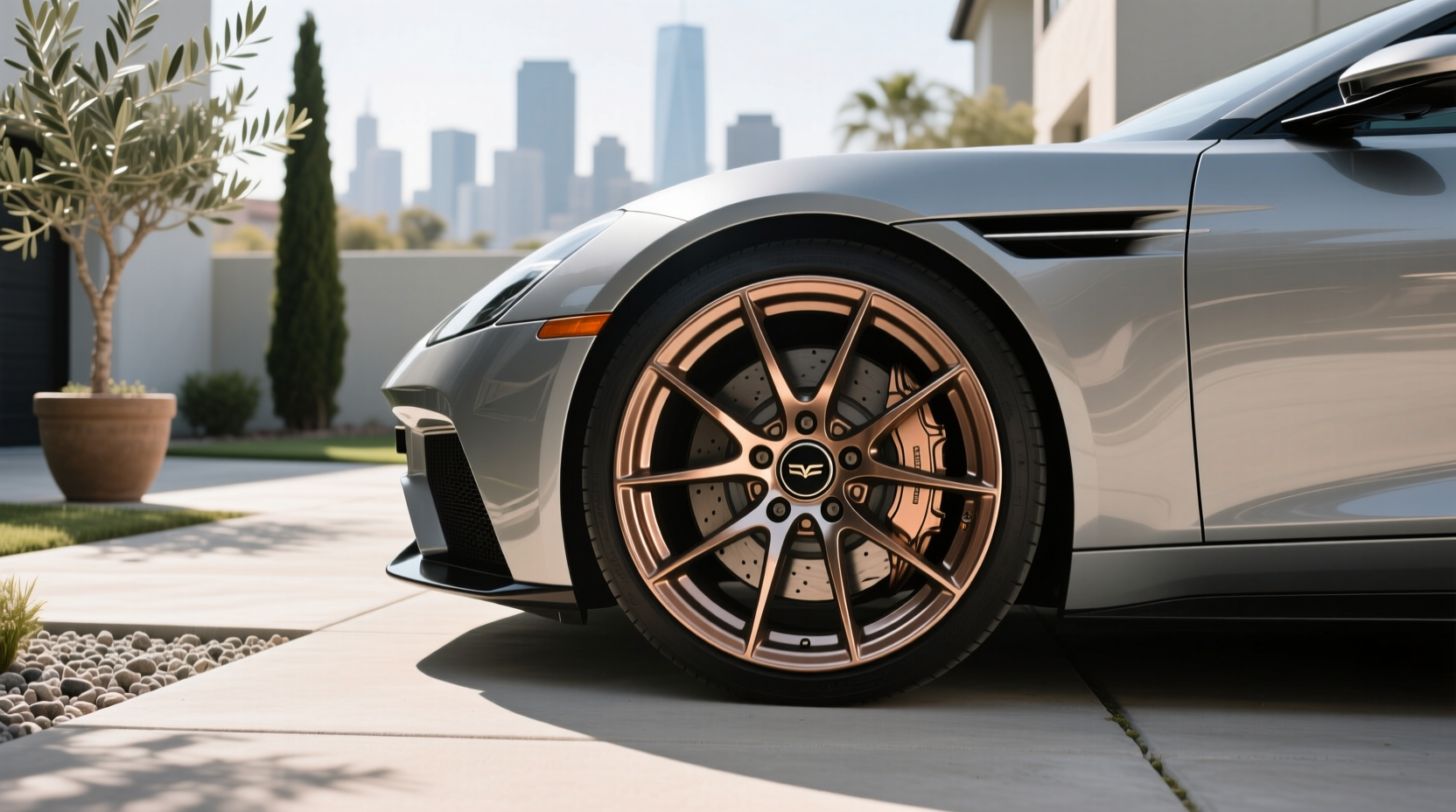
Understanding the car wheel center hub cap is essential for maintaining your vehicle’s appearance, protecting critical components, and ensuring compatibility during replacements. Often confused with larger hubcaps or wheel covers, the center hub cap specifically refers to the small, central cover that fits over the wheel hub—hiding lug nuts, reducing corrosion, and enhancing aesthetic appeal. Whether you’re replacing a lost cap, upgrading for style, or troubleshooting fitment issues, knowing the differences between types, sizes, retention methods, and material options can prevent costly errors and improve long-term durability.
This guide breaks down everything drivers need to know about center hub caps: their function, variations across vehicle models, correct measurement techniques, installation best practices, and how to avoid common pitfalls when purchasing online or from third-party suppliers. We’ll also clarify misconceptions between center caps, full hubcaps, and trim rings—especially relevant for owners of SUVs, trucks, and OEM steel wheels.
What Exactly Is a Car Wheel Center Hub Cap?
A car wheel center hub cap is a small, circular component mounted at the center of a wheel, covering the axle hub and lug nut assembly. Unlike full-size hubcaps that stretch across the entire face of a steel wheel, center hub caps are compact—typically ranging from 2.5 to 4.5 inches in diameter—and serve both functional and cosmetic purposes.
🔧 Primary Functions:
- Protection: Shields the wheel bearings, spindle, and lug nuts from dirt, moisture, brake dust, and road debris.
- Corrosion Prevention: Reduces rust buildup on metal fasteners, especially important in humid or salty environments.
- Aesthetic Finish: Provides a clean, factory-like look by concealing mechanical parts and often displaying brand logos (e.g., Ford, BMW, VW).
- Theft Deterrence (in some cases): Some locking-style center caps require special tools for removal, adding minimal security.
Center hub caps are commonly found on both alloy and steel wheels. On alloy rims, they're nearly universal, while on basic steel wheels, some vehicles use full hubcaps instead. However, many modern cars—even those with steel wheels—still utilize a separate center cap design.
Different Types of Center Hub Caps
Not all center hub caps are created equal. Choosing the wrong type can lead to poor fitment, vibration, or premature loss while driving. Below are the main categories based on attachment method, material, and design.
1. Snap-In (Press-Fit) Center Caps
✅ Most common type for OEM alloy wheels.
⚙️ Attaches via internal spring clips or tabs that compress during installation and lock into grooves behind the wheel center bore.
🛒 Found on brands like Toyota, Honda, Hyundai, and most European models.
Pros: Easy to install/remove with proper technique; secure when undamaged.
Cons: Clips can break if forced; not suitable for off-road or high-vibration conditions without reinforcement.
2. Screw-On Center Caps
🔧 Uses small screws (usually Torx or Allen head) to attach directly through the cap into threaded holes in the wheel center.
🏭 Common on performance vehicles, luxury sedans, and some Audi/VW models.
✅ Offers superior retention compared to snap-in designs.
Pros: Highly secure; ideal for track use or rough terrain.
Cons: Requires tools for removal; risk of stripping screw heads if over-tightened.
3. Lug-Centric Caps (Less Common)
These sit over the lug nuts themselves rather than fitting into the center bore. They rely on the tension of the lug nuts to hold them in place.
⚠️ Rarely used today due to lower reliability and potential for loosening.
4. Universal Fit vs. Vehicle-Specific Caps
📌 Universal caps: Designed to fit a range of diameters using adjustable inserts or flexible tabs. Often sold in multi-packs.
🔍 Risk of improper fit leading to wobbling or ejection.
📌 OEM/Model-specific caps: Made to exact specifications for particular makes and models (e.g., “Cap for VW TIGUAN 1K0601173”).
✅ Higher compatibility and longevity.
| Type | Attachment Method | Common Use Case | Retention Level |
|---|---|---|---|
| Snap-In | Spring Clip / Press Fit | Standard Alloy Wheels | Moderate |
| Screw-On | Small Screws | Luxury/Performance Vehicles | High |
| Lug-Centric | Fits Over Lug Nuts | Older Models, Aftermarket | Low |
| Universal | Adjustable Tabs | Budget Replacements | Variable |
How to Measure and Identify Your Center Hub Cap Size
Getting the right size is crucial. A mismatched cap won’t stay in place and may damage your wheel.
📍 Step-by-Step Measurement Guide:
- Remove the Existing Cap: Gently pry it out using a plastic trim tool or flathead screwdriver wrapped in cloth to avoid scratching.
- Measure Inner Bore Diameter: Use calipers or a ruler to measure the inside diameter of the wheel’s center hole (where the cap sits), not the outer edge of the cap itself.
- Check Cap Diameter: Measure the outer diameter of the cap. Standard sizes include 70mm (~2.75”), 82.5mm (~3.25”), and 100mm (~3.94”).
- Note Retention Mechanism: Look for clips, screw holes, or lug patterns.
- Look for Part Numbers: Many OEM caps have molded numbers (e.g., 43252M67L00-CZ2 for Maruti Suzuki) which help ensure exact replacement.
📌 Tip: If the original cap is missing, consult your owner’s manual or contact a dealership parts department with your VIN to get the correct specification.
Material Choices: Plastic, Metal, Chrome, or ABS?
The material impacts durability, weather resistance, and appearance.
- Plastic (ABS): Lightweight and cost-effective. Used widely on economy cars. Can become brittle in extreme temperatures.
- Chrome-Plated Steel or Zinc: Offers shiny finish and better impact resistance. Common on American trucks and SUVs. May flake over time if coating is low quality.
- Stainless Steel: Premium option for commercial vehicles and heavy-duty applications. Resists rust and lasts longer but heavier and more expensive.
- Aluminum: Rare, mostly seen in custom or racing setups. Corrosion-resistant and lightweight.
🧼 Maintenance Tip: Clean plastic or chrome caps with mild soap and water. Avoid harsh solvents that can degrade plastic or strip plating.
Common Issues and How to Avoid Them
Despite their simplicity, center hub caps frequently cause problems when ignored or replaced incorrectly.
Problem 1: Cap Falls Off While Driving
Cause: Poor fit, broken clips, or incorrect installation.
✅ Solution: Ensure full seating by tapping evenly around the edges with a rubber mallet and microfiber cloth. Never force one side first.
Problem 2: Misalignment or Wobble
Cause: Debris in the bore, warped cap, or mismatched size.
✅ Solution: Clean the wheel center before installation. Verify cap lies flush with the wheel surface.
Problem 3: Broken Clips During Removal
Cause: Using metal tools or excessive pressure.
✅ Solution: Use plastic pry tools and apply even pressure on opposite sides.
Problem 4: Wrong Logo or Branding Installed
Cause: Buying generic or unverified aftermarket caps.
✅ Solution: Match part numbers exactly or purchase from authorized suppliers.
Installation Tips for Long-Term Reliability
Proper installation prevents future issues and extends cap life.
🛠️ Tools Needed: Rubber mallet, microfiber cloth, plastic trim tool, gloves.
- Clean the wheel center thoroughly—remove brake dust, grease, or old adhesive residue.
- Align the cap squarely with the center bore.
- Press gently with your palm until seated.
- Use a rubber mallet wrapped in cloth to tap evenly around the perimeter until fully engaged.
- Do NOT hammer directly—this damages clips or warps the cap.
- After installation, spin the wheel slowly to check for rubbing or imbalance.
⏱️ Time Required: Less than 5 minutes per wheel.
Can You Replace a Center Hub Cap Without Replacing the Whole Wheel?
Yes—center hub caps are designed as standalone replaceable components. You don’t need to buy new wheels or tires to replace a damaged or missing cap.
🛒 Where to Buy:
- Dealerships: Guaranteed OEM match, higher price.
- Online Auto Parts Suppliers: Broader selection, competitive pricing, but verify compatibility carefully.
- Specialty Retailers: Companies focusing on spare parts (like Boodmo or Tradeindia) offer model-specific options for Indian and global markets.
❗ Warning: Be cautious with marketplace listings claiming “universal fit” or “compatible with many models.” Always cross-check dimensions and retention type before ordering.
Are Aftermarket Center Caps Worth It?
Aftermarket caps range from budget clones to premium styled versions. Here’s how to evaluate value:
✅ Good Reasons to Go Aftermarket:
- You want a custom look (e.g., colored centers, illuminated caps).
- OEM caps are discontinued or too expensive.
- Need a temporary replacement while waiting for OEM delivery.
❌ Risks of Low-Quality Aftermarket Caps:
- Poor clip design leads to early failure.
- Inaccurate sizing causes rattling or detachment.
- Plating peels within months.
- No warranty or return policy.
📌 Recommendation: Stick to reputable suppliers who provide detailed specs, customer reviews, and clear return policies. Avoid ultra-cheap options unless used as short-term spares.
Regional Variations and Market Trends
Center hub cap designs and availability vary by region due to manufacturing standards, climate, and consumer preferences.
🌍 India & Emerging Markets: High demand for durable, affordable replacements due to rough roads and frequent corrosion. ABS plastic and reinforced steel caps are popular. Platforms like Tradeindia and OLX list numerous local suppliers offering model-specific fits for Tata, Maruti Suzuki, Mahindra, etc.
🌐 North America & Europe: Emphasis on OEM authenticity and brand-matching. Locking caps and screw-on variants are more common in colder climates where road salt increases corrosion risks.
🚚 Commercial Fleets: Often switch to stainless steel or locking caps to reduce maintenance frequency and prevent theft.
Myths and Misconceptions About Center Hub Caps
Let’s dispel some common misunderstandings:
- Myth: All center caps are interchangeable.
Reality: Even slight differences in bore size or clip configuration can result in failure. - Myth: Losing a cap isn’t a big deal.
Reality: Exposed lug nuts collect moisture and rust, potentially affecting wheel balance and safety over time. - Myth: Bigger caps offer better protection.
Reality: Only the correctly sized cap will seal properly. Oversized caps don’t engage retention mechanisms. - Myth: You need special tools for all caps.
Reality: Most snap-in types require no tools—only care during installation.
When Should You Replace a Center Hub Cap?
Don’t wait until it falls off. Replace under these conditions:
- Visible cracks or broken tabs/clips
- Loose fit or wobbling
- Peeling chrome or discoloration
- Missing entirely
- Desire to upgrade appearance or branding
Regular inspection during tire rotations or car washes helps catch issues early.
Final Checklist Before Buying a Replacement
Before making a purchase, confirm the following:
- ✅ Vehicle Make, Model, and Year
- Ensures compatibility with factory specifications.
- ✅ Center Bore Diameter
- Measured in millimeters or inches—match precisely.
- ✅ Attachment Type
- Snap-in, screw-on, or other? Check your current cap.
- ✅ OEM Part Number (if available)
- Eliminates guesswork and ensures perfect fit.
- ✅ Material and Finish
- Choose based on environment and desired durability.
- ✅ Supplier Reputation
- Look for verified sellers with return options and real customer feedback.




 浙公网安备
33010002000092号
 浙B2-20120091-4