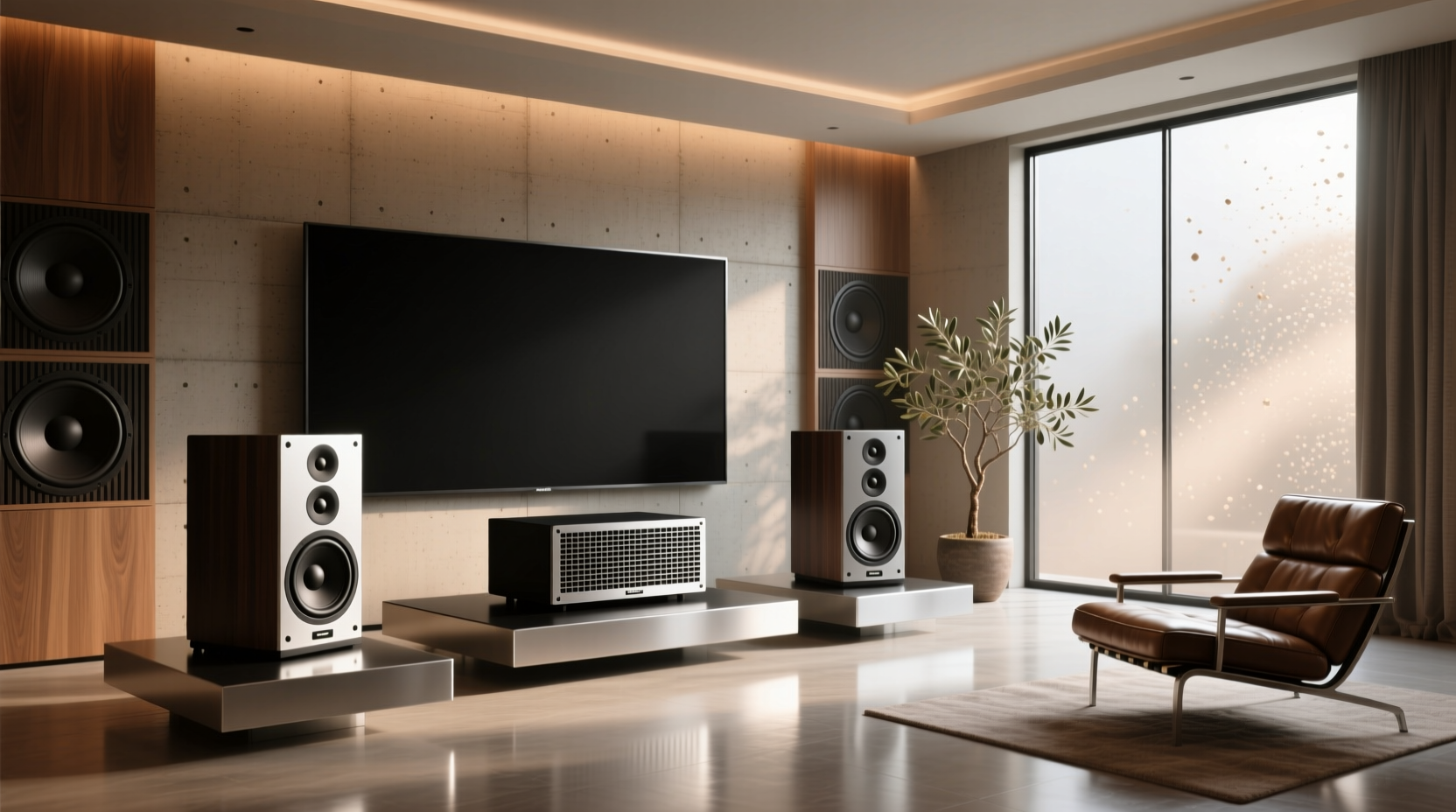
If you're searching for affordable yet powerful audio upgrades, Chinese subwoofers have become a popular choice in both car and home theater setups. With increasing visibility on platforms like Alibaba and Reddit discussions highlighting real-world experiences1, many users are asking: can budget-friendly Chinese-made subwoofers deliver reliable bass performance without sacrificing durability? The answer depends on several factors — from manufacturer reputation to proper system integration. This guide breaks down everything you need to know about Chinese subwoofers, including their advantages, potential drawbacks, key selection criteria, and how they compare to established Western brands.
Why Are Chinese Subwoofers Gaining Popularity?
Over the past decade, there's been a noticeable shift in the global audio market. Consumers are increasingly turning to Chinese-made subwoofers not just for cost savings but also due to improvements in manufacturing standards and component availability. Many OEM factories in China produce speakers for well-known international brands under contract, giving them access to advanced materials and design expertise.
🛒 Cost Efficiency: One of the biggest draws is price. A typical branded 12-inch powered subwoofer might retail for $300–$600 in the U.S., while a comparable model from a Chinese manufacturer may be available for $100–$200 directly via B2B platforms like Alibaba2. This makes Chinese subwoofers especially appealing for DIY enthusiasts, custom installers, or those building high-wattage SPL (Sound Pressure Level) systems on a budget.
🏭 Manufacturing Scale: China hosts some of the largest speaker component suppliers and assembly plants globally. Companies such as Lavoce Electronics, Jiaxing Jinlida (JLD Audio), and China Future Sound Electronics have built reputations for producing consistent-quality drivers and enclosures at scale3. These factories often export to Europe, North America, and Southeast Asia, either as white-label products or private-label builds.
Common Applications: Where Do Chinese Subwoofers Fit Best?
📍 Car Audio Systems: In automotive applications, Chinese subwoofers are frequently used in modified vehicles where extreme bass output is desired. Models like the ToneWinner SW-D4000 and SVD8000 have gained attention on YouTube for delivering high RMS wattage (up to 3500W peak) and deep ported cabinet designs that emphasize low-frequency impact4. However, integrating these into factory sound systems requires careful amplifier matching and enclosure tuning.
🏠 Home Theater & Outdoor Use: For home use, larger passive subwoofers (e.g., 15-inch or 18-inch models) are sometimes purchased in bulk by integrators looking to build custom surround-sound setups. MR Audio, a known Chinese supplier, offers 18-inch subwoofers rated up to 1000W for home theater installations5. These are typically sold unbranded and require external amplification and proper room acoustics to perform optimally.
🎪 Portable & Party Speakers: Smaller active subwoofers integrated into Bluetooth party speakers (like Teknova or TECHXEWOO models) are another growing segment. While not audiophile-grade, they offer decent bass response for casual listeners and outdoor events. Their affordability makes them common in emerging markets and rental businesses.
Key Features to Evaluate Before Buying
When considering a Chinese subwoofer for car or home use, it’s essential to look beyond advertised power ratings. Here are critical technical aspects to verify:
- ⚡ RMS vs. Peak Power: Many listings exaggerate performance using peak (max) wattage. Always prioritize RMS (Root Mean Square) values, which reflect continuous power handling. A 5000W max claim might only equate to 1000–1500W RMS.
- 🔧 Voice Coil & Magnet Structure: Dual voice coil (DVC) options provide more wiring flexibility. Look for aluminum formers and neodymium magnets for better heat dissipation and lighter weight.
- 📦 Enclosure Type: Sealed, ported, or bandpass — each affects frequency response and efficiency. Some Chinese suppliers ship bare drivers only; ensure you have plans for proper box construction.
- 🔌 Impedance & Sensitivity: Match impedance (usually 2Ω or 4Ω) with your amplifier. Higher sensitivity (e.g., 90dB+) means louder output with less power.
- 🛠️ Build Quality: Check for thick MDF cabinets, internal bracing, and durable foam surrounds. Thin plastic baskets or poorly glued joints can lead to early failure.
| Feature | What to Look For | Potential Red Flags |
|---|---|---|
| Power Rating | RMS value clearly listed | Only "peak" or "max" power mentioned |
| Frequency Response | Below 30Hz extension | No spec provided or unrealistic range |
| Materials | MDF cabinet, rubber surround, metal grille | Plastic housing, paper cone, no protection |
| Brand Transparency | Known factory name or contact info | No company details, fake certifications |
Pros and Cons of Choosing Chinese-Made Subwoofers
Like any product category, Chinese subwoofers come with trade-offs. Understanding these helps set realistic expectations.
✅ Advantages
- Lower Cost: Significant savings compared to premium brands like JL Audio or Rockford Fosgate.
- High Power Options: Access to ultra-high wattage drivers suitable for SPL competitions.
- Customization: Factories often allow modifications in size, impedance, or magnet type for bulk orders.
- Availability: Direct shipping from manufacturers reduces middleman costs.
❗ Challenges and Risks
- Inconsistent Quality Control: Batch-to-batch variation is possible, especially with lesser-known suppliers.
- Limited Warranty Support: International returns are often impractical; warranties may not be honored outside China.
- Misleading Specifications: Overstated power, frequency range, or sensitivity claims are common in online listings.
- No Local Service: If a unit fails, repair options may be limited unless you’re technically skilled.
How to Source Reliable Chinese Subwoofers
Finding trustworthy suppliers requires research and due diligence. Here’s how to minimize risk when purchasing Chinese subwoofers for cars or home theaters.
🌐 Use B2B Platforms Wisely: Alibaba remains one of the most widely used platforms for sourcing audio components directly from Chinese factories. Focus on suppliers with:
- Verified business licenses
- Years in operation (5+ preferred)
- Responsive communication
- Real product photos (not stock images)
- Third-party inspection options (e.g., SGS)
🔍 Request Technical Datasheets: Reputable manufacturers will provide full Thiele/Small parameters (Fs, Qts, Vas, etc.), impedance curves, and mechanical drawings. These help in designing enclosures and ensuring compatibility.
📦 Order Samples First: Before committing to large quantities, order a single unit to test build quality, sound performance, and packaging integrity. Pay attention to solder joints, terminal strength, and cone alignment.
📋 Check References: Ask for customer testimonials or case studies. Some suppliers list projects they’ve supported in nightclubs, churches, or vehicle modification shops.
Chinese Subwoofers vs. Branded Alternatives: A Reality Check
Many users wonder: Can a Chinese subwoofer really compete with Pioneer, Kicker, or JBL? The short answer is: in raw output, sometimes yes — but in long-term reliability and tonal accuracy, usually no.
Branded manufacturers invest heavily in R&D, material science, and acoustic modeling. Their subwoofers undergo rigorous testing for distortion, thermal compression, and longevity. While a Chinese-made driver might match a Kicker in decibel output during a short burst, it may distort earlier or fail faster under sustained load.
However, for niche uses — such as drag racing sound-offs, mobile DJ rigs, or temporary event setups — Chinese subwoofers offer a practical balance of power and cost. Just don’t expect the same refinement or musicality in everyday listening scenarios.
Installation Tips for Optimal Performance
Even the best Chinese car subwoofer won’t perform well without proper setup. Follow these guidelines:
- ParallelGroup>Match Amplifier to Subwoofer: Ensure your amp can handle the impedance and deliver clean power within the sub’s RMS range. Underpowering causes clipping, which damages voice coils.
- SequentialGroup>Seal All Enclosure Joints: Air leaks reduce efficiency and muddy bass response. Use silicone sealant on all seams.
- SequentialGroup>Position for Acoustic Coupling: In cars, place the subwoofer facing the rear seat or trunk wall to maximize cabin gain.
- SequentialGroup>Use High-Pass Filters: Protect smaller speakers by routing only low frequencies (<80Hz) to the subwoofer.
- SequentialGroup>Break In Gradually: New subwoofers benefit from a 20–40 hour break-in period at moderate volume to loosen suspensions.
Common Misconceptions About Chinese Audio Gear
Several myths persist about Chinese-made electronics and speakers. Let’s clarify:
- Myth: All Chinese subwoofers are cheap knockoffs.
Reality: While counterfeit products exist, many legitimate factories produce original designs or OEM units for global brands. - Myth: Higher wattage always means better bass.
Reality: Efficiency, enclosure design, and room/car acoustics matter more than raw power alone. - Myth: You can’t get good sound from an unbranded driver.
Reality: Skilled integrators often prefer unbranded drivers because they offer transparency in specs and avoid marketing markups.
Final Considerations Before You Buy
Before investing in a Chinese-made subwoofer, ask yourself:
- Is this for daily use or occasional high-impact applications?
- Do I have the technical knowledge to integrate and tune it properly?
- Am I prepared to handle potential defects or lack of support?
- Have I verified the actual RMS power and physical dimensions?
If you're building a competition-level system or working within tight budget constraints, Chinese subwoofers can be a smart option — provided you source carefully and manage expectations. For mainstream home or car audio where consistency and ease of use matter, established brands still hold an edge.
Frequently Asked Questions (FAQs)
- Are Chinese subwoofers reliable for long-term use?
Reliability varies by manufacturer. Units from reputable factories with solid build quality can last years, but cheaper models may suffer from premature wear. Always check reviews and request sample testing when buying in bulk. - What should I look for when buying a Chinese subwoofer online?
Focus on RMS power rating, Thiele/Small parameters, build materials, supplier verification, and real user feedback. Avoid listings that only advertise "maximum" power or lack detailed specifications. - Can I use a Chinese subwoofer in my factory car audio system?
Yes, but it typically requires an external amplifier and possibly a line-output converter (LOC) to interface with factory head units. Impedance and sensitivity must match your amplifier’s capabilities. - Do Chinese subwoofers work well for home theater setups?
They can, especially if paired with a quality AV receiver and placed correctly. However, passive models need proper enclosures, and active ones should include crossover controls and phase adjustment for seamless integration. - How do I verify if a Chinese subwoofer is genuine and not a clone?
Ask the seller for factory documentation, serial numbers, and independent lab test results. Compare physical details (logo placement, wiring, basket design) with known authentic models if available.




 浙公网安备
33010002000092号
 浙B2-20120091-4