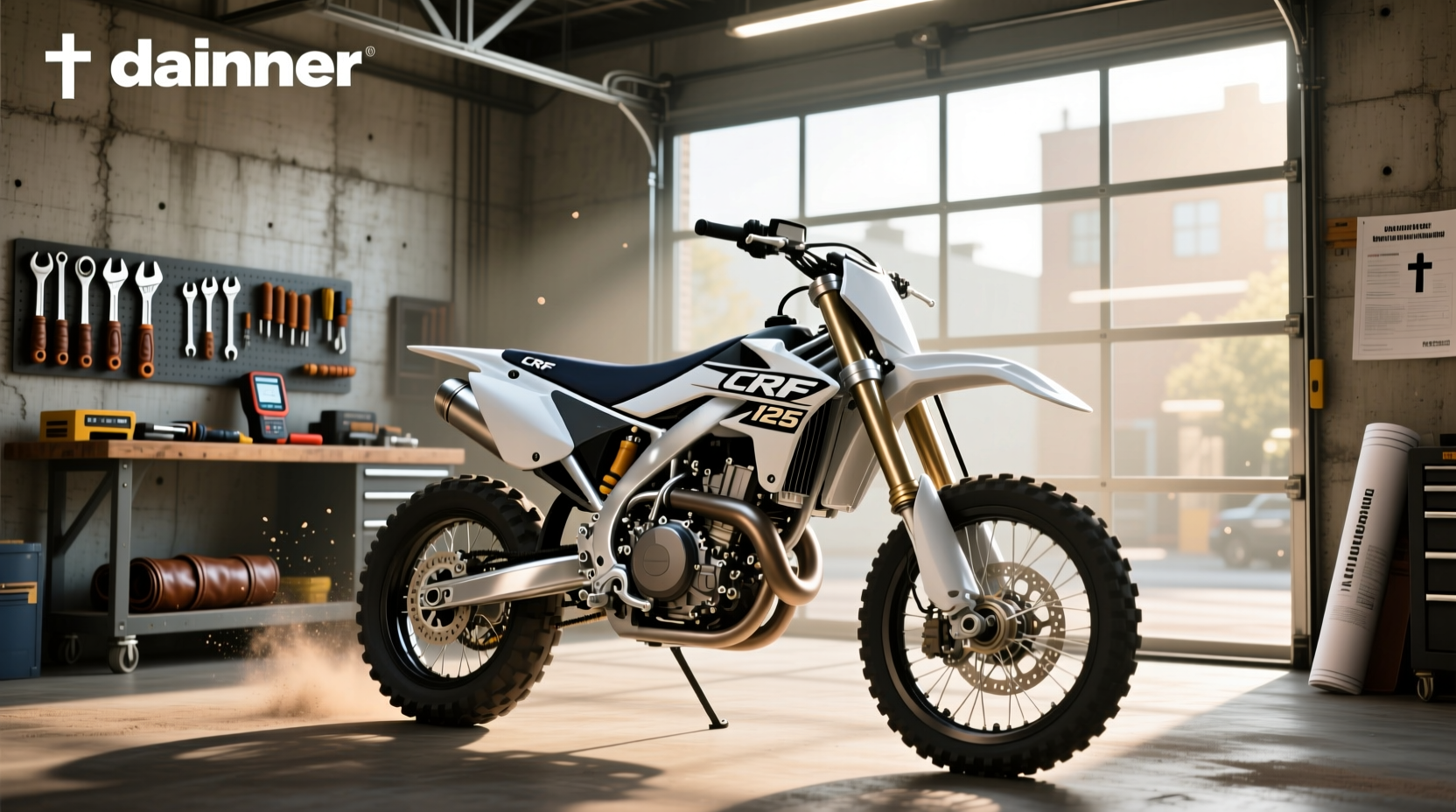
If you're looking to significantly boost the power and performance of your Honda CRF125, installing a CRF 125 big bore kit is one of the most effective mechanical upgrades available. These kits increase engine displacement by enlarging the cylinder bore and fitting a larger piston, resulting in improved torque and horsepower across the mid-to-high RPM range. Unlike bolt-on modifications such as exhaust systems or air filters, a big bore kit requires engine disassembly but delivers measurable gains in acceleration and top-end speed. This guide covers everything you need to know about selecting, installing, and tuning a CRF 125 big bore kit—including compatibility concerns, required supporting modifications, and realistic performance expectations.
What Is a CRF 125 Big Bore Kit?
A CRF 125 big bore kit replaces the stock cylinder, piston, and piston rings with oversized components that increase the engine’s total displacement. Most kits upgrade the engine from its original 124cc to around 140–160cc, depending on the bore size (commonly 58mm, 62mm, or even 66mm). This modification alters the engine's breathing capacity and combustion efficiency, allowing it to produce more power under load.
The core components of a typical big bore kit include:
- New cylinder with increased internal diameter
- Oversized forged or cast piston
- Piston rings matched to the new bore size
- Gaskets and hardware for reassembly
- Sometimes includes a high-compression piston or ported cylinder head
These kits are designed specifically for off-road use and are commonly used in motocross, trail riding, and mini-supercross applications where extra low-end and mid-range punch can make a noticeable difference.
Why Upgrade to a Big Bore Kit?
Riders typically consider a big bore kit for CRF125 when they’ve outgrown the stock engine’s limitations. While the factory setup prioritizes reliability and ease of control—especially for beginner riders—it lacks the excitement and responsiveness desired by more experienced riders.
Key benefits include:
- Increased displacement: More air-fuel mixture per cycle means greater combustion force and higher output.
- Better throttle response: Especially noticeable when exiting corners or climbing hills.
- Improved mid-range torque: Helps maintain momentum without constant shifting.
- Enhanced competitiveness: On tracks with older teens or adults, a stock CRF125 may struggle; a big bore closes the gap.
However, this upgrade isn’t just about adding power—it also changes how the bike behaves dynamically. A well-tuned big bore engine feels more aggressive and engaging, which some riders prefer once they’ve mastered the basics.
Compatibility: Which Models Fit?
Not all CRF125 models are compatible with every big bore kit. The primary distinction lies between the CRF125F (automatic clutch) and the CRF125R (manual transmission), as their engines differ mechanically despite similar naming.
Most aftermarket big bore kits are designed for the CRF125F, which uses a semi-automatic transmission and is popular among younger riders and recreational users. Kits for the CRF125R are less common due to lower market demand and tighter tolerances in the race-oriented design.
Before purchasing, confirm:
- Model year range (e.g., 2004–2022)
- Engine type (horizontal vs. vertical mounting)
- Carburetion system (stock Keihin or aftermarket)
- Cylinder head configuration (some kits require modified ports)
Some manufacturers offer model-specific versions, so always check product descriptions carefully. Using an incompatible kit can lead to improper sealing, overheating, or catastrophic engine failure.
Performance Gains: Realistic Expectations
While marketing materials often claim "+30% more power," real-world results vary based on supporting modifications and tuning. A standalone big bore kit installed without adjustments may actually perform poorly due to mismatched fuel delivery and ignition timing.
Typical gains when properly tuned:
- Horsepower increase: +3 to +6 hp at peak
- Torque improvement: Up to +25% in mid-range (6,000–9,000 RPM)
- Top speed boost: ~5–10 mph faster depending on gearing
To maximize these benefits, additional upgrades are usually necessary:
- Carburetor jetting adjustment or replacement with a larger bore carb
- Exhaust system optimized for higher flow (e.g., full racing header)
- High-lift camshaft to improve valve timing and airflow synchronization ⚙️
- Air filter upgrade (high-flow foam or dual-stage intake)
- Ignition advancer or programmable ECU (on fuel-injected models)
Without these complementary parts, the engine may run lean, overheat, or fail to reach its potential power band efficiently.
Choosing the Right Bore Size
Big bore kits come in various displacements, each offering different trade-offs between power, reliability, and complexity.
| Bore Size | Displacement | Power Gain | Reliability | Best For |
|---|---|---|---|---|
| 58mm | ~140cc | Moderate | High | Beginners upgrading gently |
| 62mm | ~152cc | Significant | Medium | Intermediate riders seeking balance |
| 66mm+ | 160cc+ | Maximum | Lower | Racers willing to service frequently |
Selecting the right size depends on your riding style, maintenance willingness, and intended usage. Larger bores generate more heat and stress on internal components, requiring more frequent top-end rebuilds.
Installation Process Overview
Installing a CRF 125 big bore kit is not a beginner-level task. It involves complete engine disassembly and precision measurement. Here’s a step-by-step breakdown:
- Remove the engine from the frame for better access.
- Drain coolant and oil, then disconnect wiring and linkages.
- Open the crankcase by removing side covers and flywheel.
- Extract the piston and connecting rod via the cylinder.
- Hone or replace the cylinder—most kits include a new sleeved cylinder.
- Install the new piston with correct orientation (arrow toward exhaust).
- Reassemble top end with new gaskets and torque specs.
- Reinstall engine and refill fluids.
- Break-in procedure: Follow manufacturer guidelines strictly.
🔧 Torque specifications are critical. Over-tightening head bolts can warp the cylinder; under-tightening risks head gasket blowout. Always refer to a service manual for exact values.
Common Mistakes to Avoid
Even experienced mechanics can make errors during a big bore install. Watch out for these frequent issues:
- Incorrect piston ring gap: Must be measured and filed if needed to match bore diameter.
- Improper cam chain tension: Affects valve timing and can cause piston-to-valve contact.
- Ignoring break-in procedures: Premature full-throttle use leads to scuffing or seizure.
- Skipping carburetor re-jetting: Results in lean conditions and overheating.
- Using low-octane fuel: Higher compression ratios require premium gasoline or race fuel.
✅ Pro Tip: Use a dial indicator to verify piston-to-valve clearance after assembly, especially if using a performance camshaft alongside the big bore kit.
Supporting Modifications You Should Consider
A big bore engine demands more from every part of the intake, exhaust, and ignition systems. To unlock its full potential, integrate these supporting upgrades:
1. Performance Camshaft
A high-lift or long-duration camshaft (like those from CJR Performance or BBR Motorsports) improves airflow timing to match the increased displacement. This enhances throttle response and broadens the powerband.1
2. Exhaust System
Stock mufflers restrict flow. A free-flowing aftermarket exhaust reduces backpressure and allows the engine to breathe better at high RPMs.
3. Carburetor Upgrade
Larger carbs (e.g., 28mm or 30mm Mikuni TM series) deliver more fuel-air mixture. Re-jet main, pilot, and needle settings accordingly.
4. Air Intake
Replace the stock airbox with a high-flow pod filter or velocity stack setup to reduce intake resistance.
5. Ignition Timing
Advanced ignition modules help ignite the richer mixture earlier, improving combustion efficiency.
Cost Breakdown: What to Expect
The total investment varies widely depending on component quality and whether you do the work yourself.
| Component | Avg. Cost (USD) | Notes |
|---|---|---|
| Big bore kit (62mm) | $180–$250 | Includes cylinder, piston, rings |
| Performance camshaft | $150–$180 | Optional but recommended |
| Racing exhaust | $200–$350 | Fully tuned header + silencer |
| Carburetor upgrade | $120–$200 | New carb + jets |
| Professional labor | $300–$500 | If outsourced |
🛒 DIY installation saves hundreds but requires tools, time, and expertise. Factor in additional costs like new gaskets, coolant, and oil.
Maintenance After Installation
Engines with big bore kits run hotter and under greater stress. Therefore, maintenance intervals should be shortened:
- Check valve clearance every 5–10 hours of ride time
- Inspect piston and rings every 20–30 hours
- Clean air filter after every ride in dusty conditions
- Use high-quality synthetic 10W-40 oil designed for small-displacement performance engines
- Monitor cylinder temperature—avoid prolonged idling or lugging
Regular inspection helps prevent costly failures and keeps performance consistent.
Legal and Warranty Implications
Modifying your CRF125 with a big bore kit may affect street legality and void certain warranties:
- Emissions compliance: Most big bore kits are not EPA-approved and cannot be used on public roads.
- Warranty coverage: Honda will not honor engine-related claims after non-OEM modifications.
- Insurance considerations: Some insurers require disclosure of performance upgrades.
📍 These kits are best suited for closed-course or off-road use only.
Frequently Asked Questions (FAQ)
- Can I install a CRF 125 big bore kit myself?
- Yes, if you have mechanical experience and proper tools. However, incorrect assembly can lead to engine damage. Follow a service manual closely and double-check all clearances.
- Do I need to rejet the carburetor after installing a big bore kit?
- Yes. The larger displacement increases airflow, requiring richer jetting to maintain the correct air-fuel ratio and prevent overheating.
- Will a big bore kit make my CRF125 faster?
- Yes, particularly in acceleration and mid-range power. Top speed increases depend on gearing, rider weight, and terrain.
- How much does a typical CRF 125 big bore upgrade cost?
- Total costs range from $600 to $1,200+, including parts and optional upgrades. Labor adds significantly if not done DIY.
- Are big bore kits reliable for daily riding?
- They can be, but require stricter maintenance. They’re primarily designed for off-road recreation, not commuting or long-distance trail use.




 浙公网安备
33010002000092号
 浙B2-20120091-4