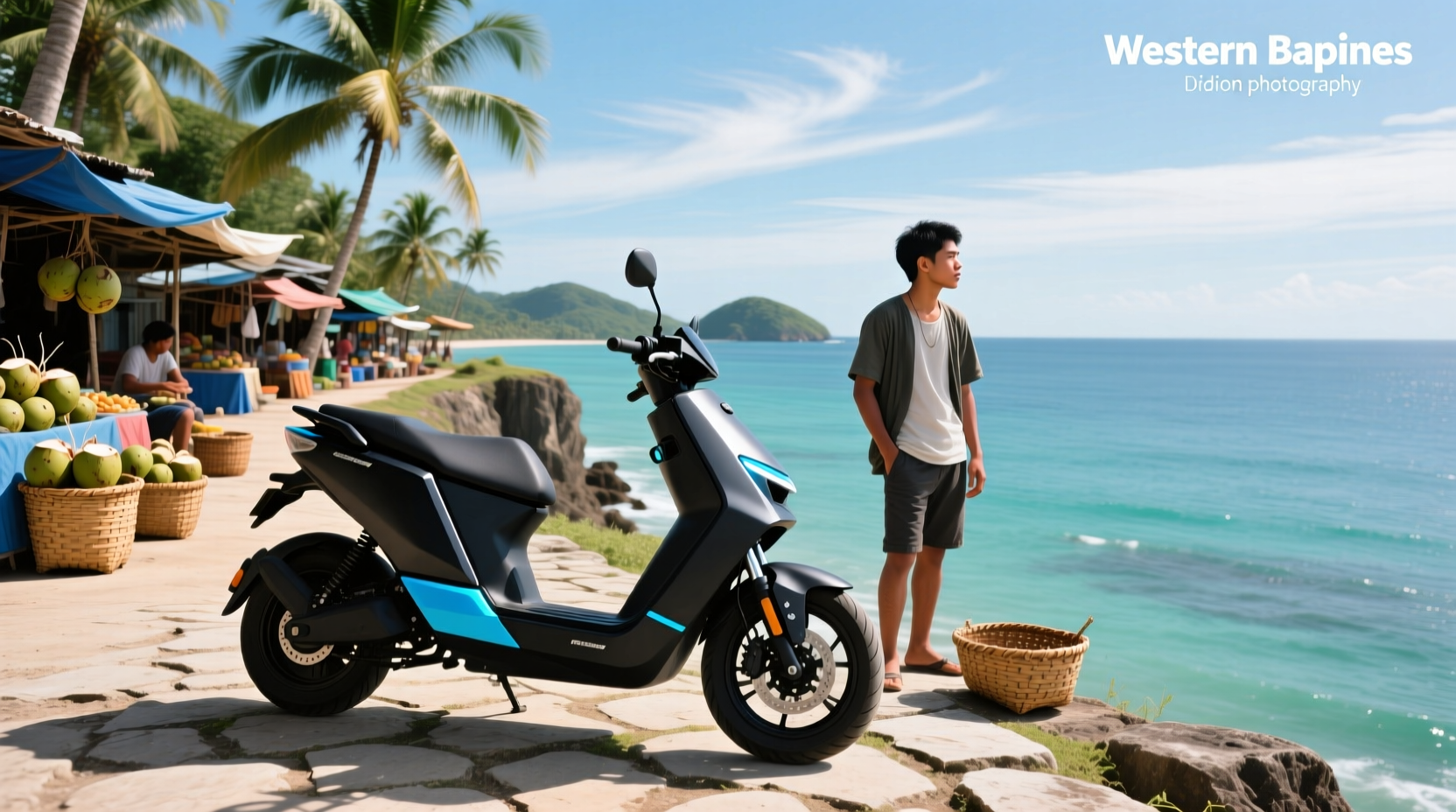
If you're searching for electric motorcycle Philippines options, you're not alone. With rising fuel costs and growing environmental awareness, many Filipinos are turning to electric two-wheelers as a practical, cost-efficient alternative to traditional motorcycles. The market is expanding fast, led by global brands like Yadea, which has established a regional presence through localized websites such as yadea.ph1. While selection is still developing compared to gasoline bikes, several models are now available either officially or through import channels, offering real-world ranges from 50km to over 120km per charge. This guide breaks down everything you need to know—from pricing and performance to charging infrastructure and ownership costs—so you can make an informed decision tailored to Philippine roads and urban commuting needs.
Finding the Right Electric Motorcycle for Philippine Conditions
The Philippines presents unique challenges and opportunities for electric motorcycle adoption. Traffic congestion in Metro Manila, frequent rain, hilly terrain in provincial areas, and inconsistent electricity supply all influence what makes a good fit. Unlike in countries with extensive highway systems, most daily commutes in the Philippines are short- to medium-distance urban trips, often under 30 kilometers one way. This actually favors electric motorcycles, which excel in stop-and-go traffic and have lower operating costs than internal combustion engine (ICE) bikes.
When evaluating models, consider three core aspects: range, power, and durability. Range anxiety is a common concern, but realistically, most riders don’t travel more than 60km per day. A mid-tier electric scooter with a 60–80km range is sufficient for daily city use. Power is measured in watts (W), and for Philippine roads—including steep streets in cities like Baguio—a motor of at least 1,000W is recommended for reliable hill climbing and safe acceleration. As for durability, look for IP-rated components (e.g., IP65 or higher) that protect against water and dust, crucial during monsoon season.
Pricing and Availability: What Models Are Accessible?
One of the biggest hurdles for buyers is availability. There is no widespread local manufacturing of electric motorcycles in the Philippines yet, so most units are imported. This affects both price and service network coverage. Currently, Yadea is among the few brands with a dedicated .ph website, suggesting formal distribution2. However, official dealerships may be limited to major cities like Manila, Cebu, or Davao.
Pricing varies significantly based on specs and sourcing. Entry-level models, often marketed as e-scooters, start around ₱80,000–₱120,000 ($1,400–$2,100). These typically feature 500W–800W motors and 48V–60V batteries with ranges under 60km. Mid-range options like the Yadea T5 or Kemper-style models fall between ₱150,000–₱200,000 ($2,600–$3,500), offering 72V systems, 1,000W+ motors, and better build quality. High-performance or long-range variants can exceed ₱250,000 ($4,400), putting them close to entry-level gasoline motorcycles in cost.
Some buyers turn to international platforms like Alibaba.com to source directly from manufacturers. While this can reduce upfront cost—some listings show prices around $380 for basic models—it introduces risks: lack of warranty support, unclear compliance with Philippine vehicle standards, and potential customs delays or fees. Additionally, shipping heavy lithium-ion batteries internationally is complex and sometimes restricted.
| Model Type | Avg. Price (PHP) | Motor Power | Battery Voltage | Estimated Range |
|---|---|---|---|---|
| Entry-Level E-Scooter | ₱80,000–₱120,000 | 500W–800W | 48V–60V | 40–60 km |
| Mid-Range Electric Bike | ₱150,000–₱200,000 | 1,000W–1,500W | 72V | 80–120 km |
| Premium/High-Performance | ₱200,000+ | 2,000W+ | 72V+ | 100–150+ km |
Charging Infrastructure: Can You Charge at Home?
🔌 One of the advantages of electric motorcycles is home charging. Most models use standard Level 1 chargers that plug into a regular 220V household outlet, similar to air conditioning units or washing machines. Charging time depends on battery capacity and charger output. A typical 72V 20Ah battery might take 6–8 hours to fully charge from empty using a 2A charger. Some advanced models support faster charging—for example, Yadea’s Kemper concept claims 10-minute rapid charging—but these are not yet widely available in the Philippine market.
Before purchasing, assess your living situation. If you live in a house with a garage or covered parking, installing a dedicated outlet is straightforward. Condo dwellers or those in apartment buildings may face challenges if building management doesn’t allow private electrical modifications or lacks designated EV charging zones. Public charging stations remain extremely limited outside pilot programs in select business parks or malls. Therefore, self-reliance on home charging is currently essential.
Maintenance and Long-Term Ownership Costs
🔧 Electric motorcycles generally require less maintenance than gasoline-powered ones. There’s no need for oil changes, spark plug replacements, or exhaust system repairs. However, they aren’t maintenance-free. Key components to monitor include tires, brakes, suspension, and the electrical system—especially connectors, controllers, and the battery itself.
The battery is the most expensive part to replace, often costing 30–50% of the original vehicle price. Lithium-ion batteries typically last 3–5 years or 800–1,000 charge cycles before their capacity drops below 80%. To extend battery life, avoid full discharges, extreme heat exposure, and overnight charging once full. Using a voltage stabilizer can protect against power surges common during brownouts.
In terms of running costs, electricity is far cheaper than gasoline. At an average rate of ₱10/kWh and assuming 10km per kWh efficiency, operating an electric motorcycle costs roughly ₱1 per kilometer. Compare this to a 150cc gasoline bike averaging ₱7–₱9 per km at current fuel prices. Over 10,000 km, that’s a savings of over ₱60,000—enough to offset a significant portion of the higher initial purchase price.
Legal and Regulatory Landscape
📌 As of now, the Land Transportation Office (LTO) in the Philippines recognizes electric motorcycles under existing categories, typically registering them as motorcycles or scooters depending on specifications. Riders still need a valid driver’s license (usually License Class 3 for motorcycles under 400cc equivalent). Insurance is required, though some providers may not yet offer specialized EV policies.
There are no nationwide tax incentives or subsidies specifically for electric two-wheelers, unlike in countries such as Thailand or Vietnam. However, some local government units (LGUs) have introduced pilot programs promoting e-trikes and e-bikes for public transport drivers. The Department of Energy (DOE) and Department of Trade and Industry (DTI) have expressed support for electrification, but concrete national policy—such as reduced import duties or charging infrastructure mandates—is still evolving.
Importers should ensure vehicles meet Philippine Standards (PNS) for safety and emissions, even though EVs produce zero tailpipe emissions. Non-compliant units may face registration issues or import restrictions. Always verify whether a model has been type-approved by the LTO before purchasing, especially when importing privately.
Popular Brands and Models: Yadea and Beyond
🌐 Among the brands visible in search results, Yadea stands out due to its global presence and dedicated marketing in Southeast Asia. According to its website, Yadea claims to be the world’s top-selling electric two-wheeler brand for eight consecutive years3. Its lineup includes retro-style bikes, sporty scooters, and high-speed models like the Keer and Kenis unveiled at EICMA 2024. Features often highlighted include dual suspension, digital dashboards, LED lighting, and removable batteries for easier charging.
While Yadea dominates online visibility, other brands appear through B2B platforms like Alibaba.com. These include generic manufacturers selling under names like "Yide" or "Yadi," offering customizable specs and wholesale pricing. However, buyer beware: these suppliers rarely provide after-sales service in the Philippines, and spare parts may be difficult to source locally. Without a formal dealer network, repairs could become costly and time-consuming.
Common Misconceptions About Electric Motorcycles
❌ Despite growing interest, several myths persist. One is that electric motorcycles are slow. In reality, electric motors deliver instant torque, meaning strong acceleration from a stop—ideal for beating traffic. Another myth is that they’re unsafe. Modern models come with disc brakes, ABS (on higher trims), and sturdy frames. However, waterproofing varies; while motors and controllers are sealed, poor assembly can lead to water ingress during heavy rains.
Some believe electric bikes are automatically cheaper. While operating costs are lower, the upfront price remains higher than comparable ICE bikes. Payback time depends on usage—if you ride daily, savings accumulate faster. Occasional riders may never recoup the price difference.
How to Evaluate Your Needs Before Buying
📋 Before committing, ask yourself the following:
- What’s your daily commute distance? Match it to a model with at least 20% more range to account for weather, terrain, and battery degradation.
- Where will you charge? Confirm access to a safe, dry, and reliable power source.
- Is service available nearby? Check if the brand has technicians or authorized repair centers in your area.
- What’s your budget including total cost of ownership? Factor in insurance, potential battery replacement, and any needed electrical upgrades at home.
- Are you comfortable with early-adopter risks? Technology is improving rapidly, but software bugs, compatibility issues, or discontinued models can happen.
Test rides are invaluable. If possible, visit a showroom or connect with owners’ groups on Facebook or Reddit to get firsthand feedback. Online forums like r/Electricmotorcycles have discussions about real-world experiences with brands like Yadea4.
Future Outlook and Final Considerations
📈 The electric motorcycle market in the Philippines is still in its early stages but shows strong potential. Rising fuel prices, increasing urbanization, and climate goals are driving interest. As battery technology improves and costs decline, adoption is expected to grow. Government support, clearer regulations, and expanded charging networks will be critical catalysts.
For now, early adopters should prioritize reliability, service access, and realistic expectations. Don’t buy solely based on low price or flashy specs. Focus on proven models with accessible support. If you’re a daily commuter in a city with stable electricity and moderate distances, an electric motorcycle can offer quiet, clean, and economical transportation. But if you frequently travel long distances outside urban centers or lack secure charging, a gasoline bike may still be more practical.
Frequently Asked Questions
- Can I legally ride an electric motorcycle in the Philippines?
- Yes, electric motorcycles can be registered with the LTO as standard motorcycles. You need a valid license, registration, and insurance just like gasoline-powered bikes.
- How much does it cost to charge an electric motorcycle in the Philippines?
- At average electricity rates (₱9–₱11 per kWh), charging costs about ₱1–₱1.50 per kilometer, depending on battery efficiency and riding conditions.
- Are there government incentives for buying electric motorcycles?
- As of now, there are no nationwide tax rebates or subsidies for electric two-wheelers, though some local governments run pilot programs for e-trikes.
- What happens if the battery fails after warranty?
- Battery replacement can cost 30–50% of the original bike price. It’s important to check warranty terms (typically 1–2 years) and consider future replacement costs before buying.
- Is Yadea available in the Philippines?
- Yes, Yadea has a dedicated website (yadea.ph) indicating official presence, though physical dealerships may be limited to major cities.




 浙公网安备
33010002000092号
 浙B2-20120091-4