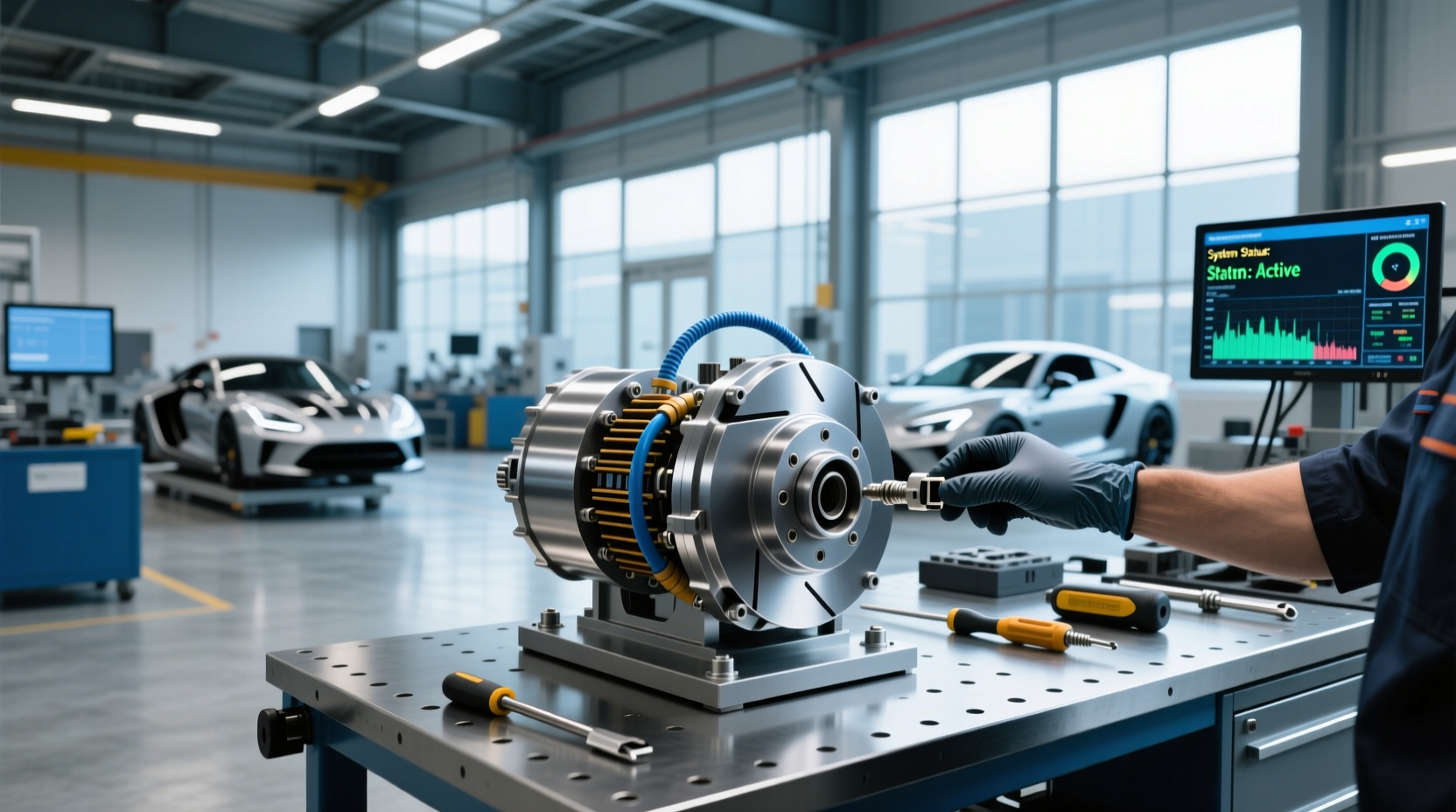
⚡ An electric power brake booster is a critical component in modern braking systems, especially in vehicles without consistent engine vacuum—such as hybrids, electric cars, or those with turbocharged engines. Unlike traditional vacuum-assisted brake boosters that rely on intake manifold suction, the electric power brake booster uses an electric motor to generate the necessary assist force, ensuring reliable pedal feel and stopping performance under all driving conditions. This technology supports advanced driver assistance systems (ADAS), including automatic emergency braking and adaptive cruise control, by providing precise and rapid brake actuation.
Why Modern Vehicles Use Electric Power Brake Boosters
As automotive engineering shifts toward electrification and enhanced safety features, the limitations of conventional vacuum brake boosters have become increasingly apparent. In internal combustion engine (ICE) vehicles, the brake booster typically draws vacuum from the engine’s intake manifold. However, hybrid and fully electric vehicles lack a constant source of engine vacuum, making traditional systems ineffective 🌐.
To address this gap, manufacturers adopted electric power brake boosters, which operate independently of engine vacuum. These systems use a combination of sensors, an electric motor, and a hydraulic accumulator to deliver consistent brake assist. The integration allows for faster response times and improved compatibility with regenerative braking strategies used in hybrid and EV platforms ✅.
How an Electric Power Brake Booster Works
The operation of an electric power brake booster differs significantly from its vacuum-powered counterpart. Here's a breakdown of the core components and their functions ⚙️:
- Electric Motor: Provides mechanical force to pressurize the brake system when the driver applies the pedal.
- Hydraulic Accumulator: Stores pressurized fluid to ensure immediate brake assist, even if the motor hasn't spooled up yet.
- Master Cylinder Integration: Often combined into a single unit with the master cylinder, especially in integrated brake control modules.
- Sensors: Monitor pedal travel, pressure, and vehicle dynamics to adjust braking force dynamically.
- Electronic Control Unit (ECU): Communicates with the vehicle’s CAN bus network to coordinate braking with stability control, ABS, and ADAS functions.
When the driver presses the brake pedal, the sensor detects movement and signals the ECU. The ECU then activates the electric motor, which drives a piston to increase hydraulic pressure in the master cylinder. This amplified pressure is sent to the calipers, resulting in effective wheel braking. Because the system responds electronically rather than mechanically, it can be fine-tuned for different driving modes (e.g., eco, sport) or automatically engage during collision avoidance maneuvers.
Common Symptoms of a Failing Electric Power Brake Booster
Identifying issues early can prevent dangerous situations and costly repairs. Drivers should watch for these warning signs ❗:
- Hard Brake Pedal: One of the most noticeable symptoms. If the booster fails, the driver must apply significantly more force to stop the vehicle.
- ABS or Brake Warning Light: A malfunctioning booster often triggers dashboard alerts due to communication errors or pressure inconsistencies.
- Buzzing or Grinding Noises: Unusual sounds coming from the firewall area may indicate motor wear or gear train damage within the booster assembly.
- Inconsistent Braking Performance: Variability in stopping distance or pedal feel across multiple applications suggests sensor or control module problems.
- Delayed Brake Response: Especially concerning in emergency situations, where split-second delays can lead to accidents.
- Failure to Support Regenerative Braking: In hybrids and EVs, a faulty booster can disrupt energy recovery, reducing efficiency and battery charging capability.
Unlike vacuum boosters, which may fail gradually, electric units can fail suddenly due to electronic faults. Regular diagnostic scans using an OBD2 scanner capable of reading brake system codes are recommended every 12 months or 15,000 miles.
Differences Between Electric and Vacuum Brake Boosters
Understanding the distinction helps in diagnosing issues and evaluating retrofit options. Below is a comparison based on design, function, and application:
| Feature | Electric Power Brake Booster | Vacuum Brake Booster |
|---|---|---|
| Power Source | Electric motor powered by 12V/48V system | Engine intake manifold vacuum |
| Vehicle Compatibility | Hybrids, EVs, turbocharged engines | Traditional ICE vehicles |
| Pedal Feel Consistency | Maintains assist regardless of engine load | Can weaken under high engine load |
| Integration with ADAS | Full support for AEB, ACC, ESC | Limited or no native support |
| Failure Mode | Sudden loss possible; may require software reset | Gradual hardening of pedal |
| Maintenance Needs | Low; mostly electronic diagnostics | Check vacuum hoses and check valves periodically |
| Retrofit Feasibility | Complex; requires wiring, programming | Straightforward mechanical swap |
Compatibility and Retrofitting Considerations
Replacing or upgrading to an electric power brake booster isn’t as simple as swapping parts. Several factors affect compatibility:
- Vehicle Make and Model: Systems are often tailored to specific platforms. For example, Toyota Prius models from 2010–2015 use a unique actuator and accumulator setup that integrates with the vehicle’s hybrid control logic 1.
- Electronic Communication Protocol: The new booster must match the vehicle’s CAN bus configuration. Mismatches can cause error codes or non-functional brakes.
- Physical Mounting and Clearance: Some aftermarket units may not fit due to firewall shape, master cylinder orientation, or pedal linkage geometry.
- Software Calibration: After installation, many systems require reprogramming or initialization using manufacturer-level tools or compatible scan devices.
For classic car restorations or performance builds, companies offer universal electric brake boost kits that include controllers, pumps, and accumulators. These are designed for vehicles lacking factory vacuum sources, such as LS-swapped trucks or track-focused builds. However, proper installation demands expertise in both hydraulics and electrical systems.
Cost and Replacement Options
The price of an electric power brake booster varies widely depending on the vehicle and whether you choose OEM, remanufactured, or aftermarket components:
- OEM Units: Typically range from $300 to over $600. Offer guaranteed fit and function but come at a premium.
- Remanufactured Assemblies: Cost between $200 and $400. Refurbished by specialists who replace worn motors, seals, and electronics.
- Aftermarket Kits: Universal setups start around $150 but may require additional sensors or adapters.
Labor costs add significantly to the total. Due to complexity, professional installation usually takes 3–6 hours, bringing labor charges to $300–$600 at dealership rates. Some users report success replacing only the motor portion of the ABS pump/booster combo, which can save hundreds compared to full assembly replacement 2.
DIY vs Professional Repair: What You Should Know
While some enthusiasts attempt repairs, working on an electric brake booster involves real risks:
- High Voltage Exposure: Though most operate on 12V, improper grounding can damage ECUs.
- Hydraulic System Contamination: Opening the brake lines introduces air and moisture, requiring thorough bleeding.
- Calibration Requirements: Post-replacement calibration ensures correct pedal travel and force mapping.
- Safety Implications: A poorly installed booster can result in brake fade, delayed response, or complete failure.
If you're considering a DIY approach, verify access to a factory service manual, proper scan tool, and bleeding equipment. Otherwise, entrusting the job to a certified technician familiar with electronic braking systems is strongly advised.
Myths and Misconceptions About Electric Brake Boosters
Several misunderstandings persist among drivers and even some mechanics:
- Myth: They’re less reliable than vacuum boosters. Reality: While more complex, they eliminate dependency on vacuum leaks and perform better in stop-and-go traffic.
- Myth: You can easily convert any car to electric assist. Reality: Conversion requires matching control logic, power supply, and physical space—far beyond plug-and-play.
- Myth: All buzzing noises mean the booster is failing. Reality: Some noise during startup or ABS activation is normal; persistent grinding indicates wear.
- Myth: Replacing the motor fixes everything. Reality: Sensors, seals, and internal valves also degrade and may need attention.
Maintenance Tips to Extend Lifespan
Preventive care can delay costly replacements:
- Regular Brake Fluid Flushes: Every 2 years or 30,000 miles prevents moisture buildup and internal corrosion.
- Inspect Wiring Harnesses: Look for chafing or loose connections near the booster module.
- Monitor Dashboard Warnings: Address ABS or brake lights immediately instead of ignoring them.
- Avoid Deep Water Exposure: Submerging the unit can damage electronics and lead to short circuits.
- Use Quality Replacement Parts: Low-cost motors may lack thermal protection or durable gearing.
Frequently Asked Questions
- ❓ Can a bad electric brake booster affect ABS operation?
- Yes. Since the ABS relies on consistent hydraulic pressure and communication with the brake control module, a failing booster can trigger false error codes or disable ABS functionality.
- ❓ How do I know if my vehicle has an electric or vacuum brake booster?
- Check under the hood: electric boosters are connected to wires and often labeled with part numbers like "ABS Actuator" or "Brake Control Module." Vacuum boosters connect to a large hose from the intake manifold.
- ❓ Is it safe to drive with a failed electric brake booster?
- You can still stop the vehicle, but the brake pedal will be extremely stiff, requiring much greater effort. Driving long distances or at high speeds is unsafe and not recommended.
- ❓ Can I rebuild my electric brake booster instead of replacing it?
- Some specialized shops offer rebuild services, particularly for common models like the Toyota/Lexus ABS actuators. However, success depends on internal damage level and availability of replacement subcomponents.
- ❓ Are there aftermarket upgrades for better performance?
- Yes, performance-oriented electric brake boost kits exist for racing or heavy-duty applications, offering quicker response and higher pressure capacity. Ensure compatibility before purchase.




 浙公网安备
33010002000092号
 浙B2-20120091-4