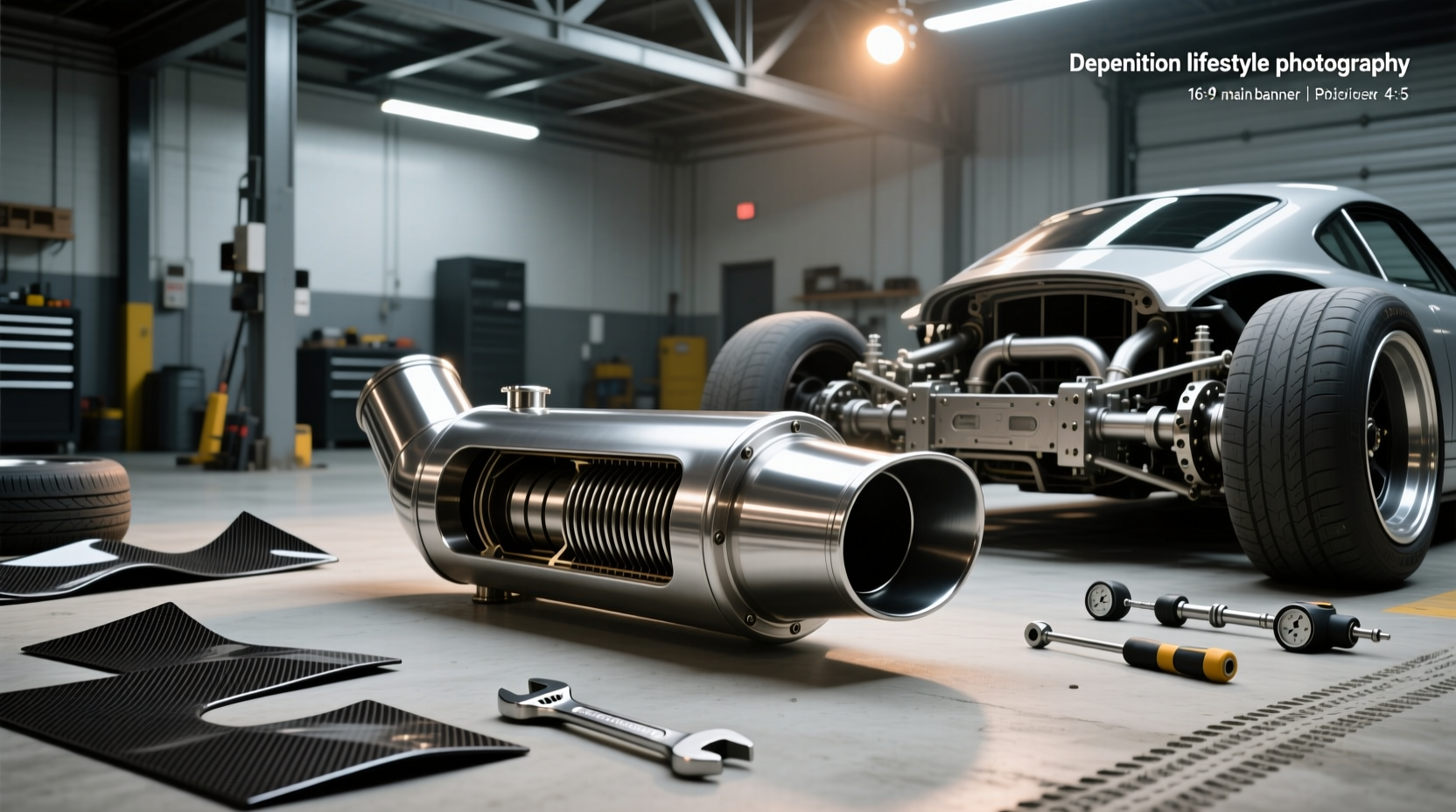
If you've ever wondered can drilling holes in your exhaust muffler make it louder, the short answer is yes—but with significant trade-offs. While creating holes in the muffler can increase exhaust noise and give a more aggressive tone, it often leads to premature rust, reduced performance, and potential legal issues. This comprehensive guide breaks down the science behind exhaust systems, explains how mufflers work, evaluates the popularity of DIY sound modification (like drilling), and compares safer, more effective alternatives such as aftermarket exhausts or resonator deletes. Whether you're considering this mod for aesthetics or performance, understanding the long-term consequences is critical before picking up a drill.
What Is an Exhaust Muffler and How Does It Work?
The exhaust muffler is a key component of your vehicle’s exhaust system, designed primarily to reduce engine noise generated during combustion. As high-pressure exhaust gases exit the engine, they create sound waves that travel through the exhaust piping. Without suppression, these sounds would be extremely loud and unpleasant.1
Mufflers use internal baffles, chambers, and sound-absorbing materials (like fiberglass or steel wool) to cancel out or dampen sound waves through destructive interference and absorption. There are several types of muffler designs:
- Chambered Mufflers: Use a series of tuned chambers to reflect and cancel sound waves.
- Straight-Through (Glasspack) Mufflers: Feature a perforated central tube wrapped in sound-dampening material, offering less restriction and a deeper tone.
- Turbo Mufflers: Combine elements of both designs for balanced sound and flow.
Each design affects not only sound but also backpressure—which can influence engine efficiency and power output.
Why Do People Drill Holes in Their Mufflers?
Many car enthusiasts seek a more aggressive or sporty exhaust note without investing in expensive upgrades. Drilling holes into the muffler has become a popular DIY method due to its low cost and immediate results. Videos on platforms like YouTube show users making their cars noticeably louder within minutes using basic tools ⚙️.2
Common motivations include:
- Desire for a deeper, raspier exhaust sound ✨
- Avoiding costly aftermarket exhaust systems 🛒
- Quick aesthetic modification before car shows or events
- Influence from online videos showing instant results 🔧
However, while the sound change may be noticeable, the impact on vehicle health and longevity raises serious concerns.
Does Drilling Holes in a Muffler Actually Work?
Yes, drilling holes in the outer shell of a muffler will typically make the exhaust louder by allowing sound waves to escape before being fully suppressed. The size, number, and location of the holes affect how much noise increases and what kind of tone results.
According to user reports and forum discussions on Reddit and Bimmerforums, starting with small holes (e.g., 3/8 inch) and gradually enlarging them allows incremental tuning of the sound 📈.3
Some users report achieving a deeper, throatier rumble—especially on V6 engines—while others describe the result as harsh, unrefined, or resembling a “lawnmower.”
| Hole Size | Expected Sound Change | Risk Level |
|---|---|---|
| 1/4 inch (6mm) | Slight increase in volume | Low |
| 3/8 inch | Noticeable growl | Moderate |
| 1/2 inch or larger | Significantly louder, potentially illegal | High |
| Multiple large holes | Raspy, uneven tone; rapid corrosion likely | Very High |
It’s important to note that drilling into the outer casing does not modify internal baffles—the actual components responsible for noise reduction. True “muffler drilling” in professional contexts sometimes refers to altering internal structures, which is far more complex and not feasible with handheld tools.
The Hidden Dangers of Drilling Your Muffler
While the appeal of a louder exhaust might seem harmless, there are multiple technical and practical downsides to consider ❗
1. Accelerated Rust and Corrosion
Once a hole is drilled, moisture and road debris enter the muffler cavity. Since most mufflers are made from mild steel (even if aluminized), internal exposure to water leads to rust formation inside the chamber. Over time, this compromises structural integrity and can cause complete failure.
As noted in a Bimmerforums thread, “Drill the hole EXACTLY where you want the rust to start.”3 This highlights a major flaw: any penetration invites corrosion.
2. Potential Engine Performance Impact
Altering exhaust backpressure can affect engine operation. While some believe reducing backpressure improves performance, modern vehicles rely on carefully calibrated exhaust systems. Excessive leakage can confuse oxygen sensors, leading to incorrect air-fuel mixture calculations and reduced fuel economy or increased emissions.
3. Legal and Noise Ordinance Violations
In many regions, including the U.S., EU, and Canada, vehicle exhaust noise is regulated. For example:
- Federal U.S. standards limit exhaust noise to 95 dB at 50 feet under SAE J1470 testing conditions.
- California’s Title 13 restricts modifications that increase noise beyond stock levels.
- European Union mandates conformity to original type approval specifications.
Drilled mufflers often exceed local noise limits, potentially resulting in fines or failed inspections 🌍.
4. Reduced Resale Value
A visibly modified or corroded exhaust system can deter buyers. Mechanics inspecting used cars may flag a drilled muffler as a sign of poor maintenance or reckless modifications, lowering perceived value.
Better Alternatives to Drilling Holes in Your Muffler
If you’re looking to enhance your car’s exhaust note safely and legally, several superior options exist 👥.
Option 1: Install an Aftermarket Performance Muffler
Reputable brands offer mufflers engineered for specific sound profiles—deep, aggressive tones without sacrificing durability. These maintain proper sealing and are built with stainless steel or high-grade alloys to resist corrosion.
Benefits:
- Predictable, refined sound quality
- No risk of internal moisture ingress
- May improve exhaust flow and efficiency
- Warranty coverage available
Option 2: Resonator Delete or Cat-Back Exhaust System
A resonator delete removes a secondary sound-tuning chamber in the exhaust line, increasing volume subtly. A full cat-back system replaces everything from the catalytic converter rearward, offering greater control over sound and performance.
These are reversible and do not compromise the muffler’s integrity.
Option 3: Electronic Exhaust Valves (for Modern Vehicles)
Newer performance models (e.g., BMW, Mercedes, Audi) come with electronically controlled exhaust valves. These allow drivers to switch between quiet and sport modes via a button or driving mode selector—offering flexibility without permanent changes.
Where Should You Drill If You Still Want To Try It?
For those determined to proceed despite the risks, certain guidelines may minimize damage 🔍:
- Location: Drill on the underside of the muffler to reduce water pooling.
- Size: Start with a 1/4-inch pilot hole and test the sound before expanding.
- Number: Limit to 1–3 holes maximum to avoid excessive leakage.
- Sealing (Optional): Some apply high-temperature epoxy around the hole externally to slow rust—but this is temporary.
Even with precautions, expect shortened muffler life and possible inspection failures.
Regional Differences and Legal Considerations
Laws regarding exhaust modifications vary significantly by country and even state:
- United States: Federally regulated under the Clean Air Act; individual states enforce noise laws. California, New York, and Texas have strict enforcement.
- United Kingdom: The MOT test includes exhaust noise and condition checks. Modified systems must not be “excessively noisy” or leak emissions.
- Australia: Each state sets noise limits; modifications require compliance certification.
- Germany: TÜV approval needed for non-stock parts; unauthorized changes void insurance in some cases.
Always verify local regulations before modifying your exhaust system. Contact your Department of Motor Vehicles or transport authority for official guidance.
Debunking Common Myths About Muffler Drilling
Myth 1: “Drilling Makes My Car Faster”
There’s little evidence that simply drilling holes improves horsepower. Real gains come from optimized exhaust flow, not random leaks.
Myth 2: “It’s Reversible”
Once metal is compromised, rust begins. Welding shut a hole is possible but doesn’t restore original protection against internal corrosion.
Myth 3: “Everyone Else Is Doing It”
Popularity on social media doesn’t equate to safety or legality. Many viral videos show short-term results without addressing long-term degradation.
How to Test the Effect Safely Before Committing
Instead of permanent drilling, consider temporary methods:
- Use removable exhaust tips with adjustable baffles.
- Install a switchable valve system (available as aftermarket kits).
- Record stock exhaust sound and compare with videos of known aftermarket setups to set realistic expectations.
This helps determine whether a louder sound truly suits your preferences before risking damage.
Conclusion: Weighing Risk vs. Reward
While drilling holes in your exhaust muffler can make it louder, the practice comes with notable drawbacks—including accelerated rust, potential check engine lights, legal issues, and decreased resale value. For most drivers, especially those seeking reliable, long-term results, investing in a purpose-built performance exhaust system is a smarter, safer choice.
Modifications should enhance both enjoyment and vehicle integrity—not compromise one for the other. If sound is your goal, explore engineered solutions rather than quick fixes that may cost more in repairs down the road.
Frequently Asked Questions
- Can drilling holes in my muffler damage the engine?
- Direct engine damage is unlikely, but altered backpressure and exhaust leaks can affect oxygen sensor readings, leading to poor fuel trim, reduced efficiency, or elevated emissions.
- Is it better to drill fast or slow through the muffler pipe?
- Drill slowly with light pressure to avoid warping thin metal. Use a lubricant or cutting oil to reduce heat and extend bit life.
- Will plugging the holes fix the problem later?
- Plugging holes externally (e.g., with welds or patches) stops noise leakage but won’t prevent internal rust already initiated by moisture entry.
- Does drilling a hole in the muffler affect fuel economy?
- Potentially yes. Leaks near sensors can disrupt air-fuel ratio calculations, causing the engine to run richer and consume more fuel.
- Are there any safe ways to make my exhaust louder?
- Yes. Installing a performance muffler, doing a resonator delete, or adding an electronic exhaust valve system are all safer, legal, and more durable options.




 浙公网安备
33010002000092号
 浙B2-20120091-4