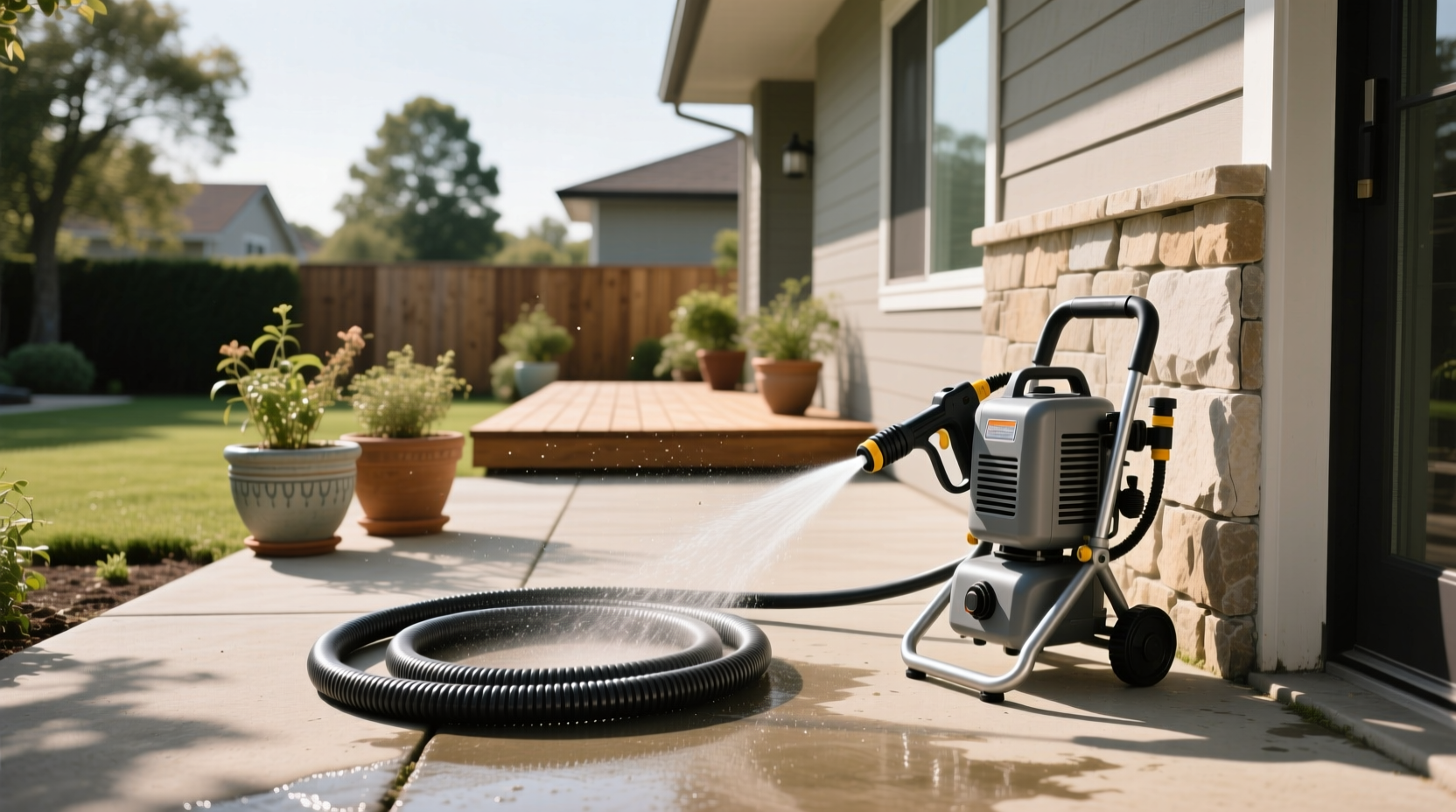
If you're searching for a pressure washer hose nearby, the fastest and most reliable options are typically home improvement stores like Home Depot, Lowe's, or specialty retailers such as Northern Tool. These locations often carry in-stock hoses with PSI ratings from 2500 to over 4000, diameters of 1/4", 5/16", or 3/8", and lengths ranging from 25 to 100 feet—ensuring you can find a compatible replacement or upgrade without delay. Key factors like connector type, maximum PSI tolerance, and kink resistance should guide your selection to ensure safe, efficient operation.
Why You Need the Right Pressure Washer Hose
A pressure washer hose is not just a simple extension—it's a high-pressure conduit designed to handle intense water flow under extreme conditions. Using an incompatible or low-quality hose can lead to leaks, bursts, reduced cleaning efficiency, or even safety hazards. When searching for a pressure washer hose nearby, it’s essential to match the new hose to your machine’s specifications. This includes checking the inner diameter (ID), maximum PSI rating, fitting type (e.g., M22, R1/8", QD), and length requirements based on your typical cleaning tasks.
Common Types of Pressure Washer Hoses
Not all hoses are created equal. Understanding the differences helps you make an informed choice when purchasing locally.
By Material & Construction
- Rubber Hoses: Typically used in commercial or industrial settings due to their durability and heat resistance. They can handle hot water applications (up to 160°F) and higher PSI levels (4000+). However, they are heavier and less flexible than polymer alternatives.
- Polyurethane/PVC Hoses: Lightweight and more affordable, these are common in residential models. While flexible and easy to maneuver, they may degrade faster under UV exposure or extreme temperatures.
- Hybrid Polymer Hoses: Made from advanced materials like Flexible Hybrid Polymer (FHP), these offer excellent flexibility across temperature ranges (-25°F to 140°F), resist kinking, and maintain burst strength up to 4000 PSI. Brands like Flexzilla use this technology, though availability at local stores varies.
By Diameter
The inner diameter directly affects water flow and pressure delivery:
| Diameter | Max Recommended PSI | Best For |
|---|---|---|
| 1/4 inch | Up to 3200 PSI | Residential electric or gas washers, shorter runs |
| 5/16 inch | 3200–4000 PSI | Mid-range gas units, moderate-duty use |
| 3/8 inch | 4000+ PSI | Commercial units, long-distance setups, continuous use |
Selecting a larger diameter reduces friction loss, maintaining optimal pressure at the wand—especially important for jobs requiring consistent force over distance.
Where to Buy a Pressure Washer Hose Nearby
Finding a replacement quickly matters when downtime means postponed projects. Here are the most accessible retail options:
🛒 Home Improvement Stores
Home Depot and Lowe's are among the top places to find pressure washer hoses in-store or via same-day delivery. Both carry well-known brands and standard sizes (e.g., 25 ft, 50 ft) with clear labeling of PSI and diameter. Many offer online inventory checks so you can verify stock before visiting.
Tips:
- Use the store’s website to filter by “in-stock at your location.”
- Bring your old hose end or model number to ensure compatibility.
- Ask staff in the outdoor power equipment section—they often assist with parts matching.
🏭 Specialty Equipment Retailers
Northern Tool specializes in heavy-duty equipment and carries hoses rated for commercial use, including those compatible with cold and hot water systems. Their in-store inventory tends to include higher PSI-rated options (4000–5000 PSI) and longer lengths (75–100 ft).
Harbor Freight Tools offers budget-friendly replacements, often under $30, but verify quality and PSI ratings carefully. Some customer reviews note variability in build consistency.
📍 Local Hardware & Auto Detailing Shops
Smaller shops like Ace Hardware may stock basic models for common residential machines. Additionally, auto detailing supply stores sometimes carry premium hoses (like Adam’s Polishes or McKillins) featuring swivel fittings and quick-connect ends, ideal for mobile professionals.
What Specs to Check Before Buying
To avoid buying the wrong hose, confirm these four critical specs:
🔧 Connector Type
This is the #1 reason for return trips. Common thread types include:
- M22 x 1.5 mm: Most common on consumer-grade machines.
- R1/8" (NPT): Found on some AR, Simpson, and DeWalt models.
- Quick-Connect (QD): Allows tool-free attachment; must match brand-specific systems (not universal).
⚠️ Warning: Even if threads look similar, slight pitch or diameter differences can cause cross-threading or leaks. Always compare your existing hose end or consult your manual.
⚙️ PSI Rating
The hose must be rated at or above your pressure washer’s maximum output. For example, a 3200 PSI unit requires a hose rated for at least 3200 PSI—preferably higher (e.g., 4000 PSI) for safety margin.
📏 Length vs. Performance
Longer hoses increase convenience but also introduce pressure drop. General rule:
- For 1/4" ID: Keep under 50 ft to minimize flow loss.
- For 3/8" ID: Up to 100 ft is acceptable with minimal performance impact.
If using over 50 ft, consider stepping up to 5/16" or 3/8" diameter.
✨ Kink Resistance & Flexibility
Kinks reduce water flow and strain pump components. Look for hoses with built-in bend restrictors or helical reinforcement. Hybrid polymer hoses generally outperform rubber or PVC in cold weather flexibility.
Can All Pressure Washer Hoses Be Used Interchangeably?
No—despite appearances, hoses are not universally compatible. While some manufacturers adhere to industry standards (like M22), others use proprietary connectors or sealing methods. Attempting to force-fit a mismatched hose can damage both the pump and the hose fitting, potentially voiding warranties.
Additionally, hot water pressure washers require hoses rated for elevated temperatures (typically up to 160°F). Using a cold-water-only hose on a hot water system will cause rapid degradation and failure.
How to Replace a Pressure Washer Hose Safely
If you're installing a new hose yourself, follow these steps:
- Disconnect power and turn off the water supply.
- Release residual pressure by pulling the trigger on the gun.
- Unscrew the old hose from both the pump outlet and the wand assembly.
- Clean the threads and inspect for debris or damaged seals.
- Apply Teflon tape (if recommended) to male threads—only 2–3 wraps to avoid over-tightening.
- Screw on the new hose hand-tight first, then give a quarter-turn with a wrench if needed. Do not overtighten.
- Test for leaks at low pressure before full operation.
When to Upgrade Your Hose (Even If It Works)
You might consider upgrading your current hose even if it hasn’t failed yet. Signs it’s time for a change:
- Visible cracking or bulging along the outer jacket.
- Stiffness or poor coiling after storage, indicating material fatigue.
- Frequent kinking during use, disrupting workflow.
- Need for longer reach without adding multiple extensions.
- Switching to professional use, where reliability and uptime matter.
Upgraded hoses with features like pre-installed quick connects, swivel joints, or abrasion-resistant covers can improve ergonomics and longevity.
Budget Considerations: Cost vs. Longevity
Hose prices vary widely:
- Under $25: Basic PVC or polyurethane hoses, suitable for occasional use.
- $25–$50: Mid-tier options with better flexibility and 3000–4000 PSI ratings.
- $50–$100: High-flex polymer or reinforced rubber hoses for frequent or semi-pro use.
- Over $100: Commercial-grade, often 3/8" or larger, with lifetime warranties.
While cheaper hoses save money upfront, they may need replacing every 1–2 seasons. Investing in a durable model can reduce long-term costs and frustration.
Common Misconceptions About Pressure Washer Hoses
Several myths persist that can mislead buyers:
- “Longer is always better”: Not true. Excessive length without adequate diameter causes significant pressure drop.
- “Any high-pressure hose will work”: Garden hoses or air compressor hoses cannot withstand pressure washer PSI levels and will fail dangerously.
- “All M22 fittings are the same”: While M22 is a standard thread, seal design (O-ring placement, depth) can differ between brands.
- “You don’t need to winterize the hose”: Trapped water can freeze and split the inner liner, even in mild climates.
Maintenance Tips to Extend Hose Life
Proper care prevents premature wear:
- Drain completely after each use to prevent internal moisture buildup.
- Store loosely coiled in a shaded, dry area—avoid sharp bends or kinks.
- Avoid dragging over rough surfaces or gravel, which can abrade the cover.
- Inspect fittings monthly for cracks, corrosion, or loose connections.
- Never run the machine without water flowing, as this overheats the pump and stresses the hose.
Environmental & Regional Factors
Climate impacts hose performance:
- In cold regions, standard PVC hoses become brittle below freezing. Opt for hybrid polymer models that remain flexible down to -25°F.
- In sunny or hot areas, UV exposure degrades rubber and plastic. Choose hoses with UV inhibitors or store them indoors.
- In commercial environments (e.g., car washes, construction sites), abrasion-resistant jackets and swivel couplings reduce stress at connection points.
DIY Repairs: Are They Safe?
Some users attempt to repair leaking hoses by cutting off old fittings and crimping on new ones. While technically possible with proper tools (e.g., hydraulic crimper, correct ferrules), this approach carries risks:
- Improper crimping leads to blowouts under pressure.
- Most manufacturer warranties are voided by third-party repairs.
- Replacement hoses are often cost-competitive with repair kits.
For safety and reliability, replacement is generally preferred over repair.
Final Checklist Before Buying a Pressure Washer Hose Nearby
Before heading to the store or placing an order, gather this information:
- Model number of your pressure washer.
- Current hose length, diameter, and PSI rating.
- Photo or physical sample of the connector end.
- List of intended uses (home garage, fleet washing, etc.).
- Budget range and preference for features (quick connect, kink resistance).
With this data, you’ll make a confident, compatible purchase—and get back to cleaning faster.
Frequently Asked Questions
- Can I use a garden hose as a pressure washer hose?
- No. Garden hoses are typically rated for 100–300 PSI, while pressure washers operate at 2000–4000+ PSI. Using a garden hose creates a serious rupture risk.
- Are pressure washer hose quick connects universal?
- No. Quick-connect systems vary by brand and are often not interchangeable. Always verify compatibility before purchasing.
- How long should a pressure washer hose last?
- With proper care, a quality hose lasts 3–5 years for residential use. Commercial use may require replacement every 1–2 years.
- Can I connect two pressure washer hoses together?
- It’s not recommended. Coupling hoses increases pressure drop, risk of disconnection, and potential failure points. Use a single longer hose instead.
- Do I need a special hose for hot water pressure washers?
- Yes. Hot water models require hoses specifically rated for high temperatures (usually up to 160°F). Standard hoses will degrade quickly and may burst.




 浙公网安备
33010002000092号
 浙B2-20120091-4