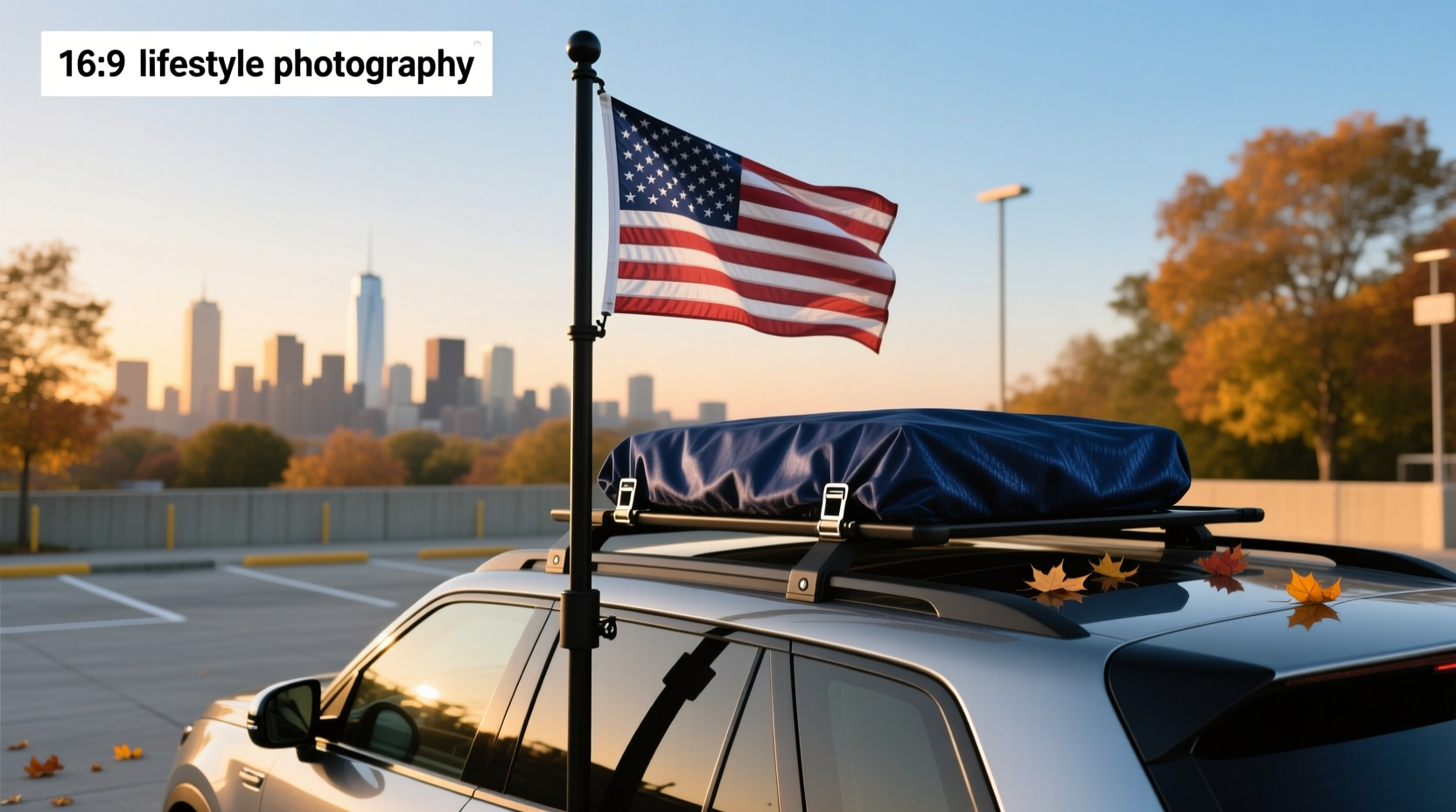
When searching for a flag rod cover for car, many drivers are looking for a way to securely mount decorative or national flags on their vehicles without causing damage or violating local laws. These accessories—often part of a complete flag mounting system—include the rod, clamp, bracket, and protective sleeve or cover that shields the metal shaft from weather, corrosion, and paint scratches. Understanding how these components work together helps ensure safe, compliant, and long-lasting use, especially during parades, rallies, or international travel.
What Is a Flag Rod Cover for Car?
A flag rod cover is typically a protective sheath or housing designed to encase the metal pole (flag rod) used to display a flag from a vehicle. While some users may refer to the entire assembly—rod, clamp, and bracket—as a 'flag rod cover,' technically, the cover refers only to the outer sleeve. This component serves several purposes:
- 🛡️ Prevents scratches on your car’s paint or window surfaces
- 🌧️ Shields the rod from moisture, reducing rust and corrosion
- 🎨 Enhances appearance with color-matched or branded finishes (e.g., black, red, gold)
- 🔧 Provides structural support by stabilizing the rod within the clamp
The full setup usually includes:
- Flag rod: A rigid or telescoping metal shaft (often stainless steel or aluminum)
- Mounting clamp: Attaches to hood, trunk, or window using suction cups, magnets, or mechanical brackets
- Bracket or base: Holds the rod vertically and absorbs vibration
- Cover: Slips over the rod or integrates into the bracket design
Together, this system is sometimes referred to as a car bonnet flag rod, judgment rod, or corner rod, particularly in markets like India and Southeast Asia.
Why Do Drivers Use Flag Rods on Cars?
There are multiple reasons why someone might install a flag rod setup on their vehicle:
1. National Pride and Cultural Expression ✅
Many people attach national flags during Independence Day celebrations, sporting events (like the Olympics or World Cup), or patriotic processions. The Indian flag on car bonnet is a common sight during Republic Day and Independence Day observances. However, regulations often dictate how such displays must be mounted and oriented.
2. Branding and Advertising 🏭
Businesses use custom flags on service vehicles for visibility. Real estate agents, political campaigns, and event promoters often equip cars with retractable flag poles to increase roadside recognition. In these cases, durability and wind resistance become key factors.
3. Off-Road and Rally Identification 🌍
In off-road racing or desert rallies, teams use colored flags to identify vehicles from a distance. Trail flags also improve safety by making low-profile vehicles more visible in dusty or forested terrain. Some organizations require specific flag types for participation.
4. Personal Identity and Advocacy 👥
LGBTQ+ pride flags, environmental banners, or memorial ribbons are sometimes flown via temporary mounts. Users in online forums frequently ask about discreet, removable systems that don’t damage vehicles1.
Types of Flag Mounting Systems
Not all flag rod setups include a dedicated cover, but most incorporate protective elements. Here are the main types available:
Suction Cup Mounts 🔧
These use strong vacuum pads to attach to glass surfaces (side windows or rear windshield). They’re popular because they’re non-permanent and easy to remove.
- Pros: No drilling, reusable, portable
- Cons: Can fail at high speeds or in extreme temperatures
- Cover integration: Often includes a plastic shroud around the base
Magnetic Mounts ⚡
Strong neodymium magnets secure the rod to steel body panels (hood, roof, trunk).
- Pros: Stable at moderate speeds, quick installation
- Cons: Only works on ferrous metals; risk of scratching if debris gets trapped
- Cover integration: Rubberized coating acts as both grip and protection
Clamp-Based Hood Mounts 📎
These clamp onto the edge of the hood or trunk lid, commonly seen in parade vehicles.
- Pros: Very stable, supports larger flags
- Cons: Risk of denting thin metal edges; requires precise fit
- Cover integration: Often features a padded liner inside the clamp and a sleeve over the rod
Permanent Bracket Systems 🛠️
Some luxury or commercial vehicles have factory-installed or aftermarket welded brackets.
- Pros: Maximum stability, clean look
- Cons: Requires professional installation; not removable
- Cover integration: May include a hinged cap or weather boot
| Mount Type | Speed Rating | Installation | Cover Protection | Best For |
|---|---|---|---|---|
| Suction Cup | Up to 60 mph | Tool-free | Base shroud only | Short-term display |
| Magnetic | Up to 70 mph | Tool-free | Rubber-coated rod | Daily commuter use |
| Hood Clamp | Up to 50 mph | Adjustable screw | Full rod sleeve + clamp padding | Parades, ceremonies |
| Permanent Bracket | Up to 80+ mph | Professional | Integrated weather cap | Fleet vehicles, rallies |
Are Flag Rod Covers Universal?
While many sellers advertise universal fit for all car models, compatibility depends on several factors:
- Clamp size: Must match hood thickness (typically 2–6 mm)
- Rod diameter: Common sizes are 6mm, 8mm, and 10mm
- Vehicle material: Magnetic mounts won’t work on aluminum or composite bodies
- Surface curvature: Suction cups struggle on highly curved glass
Always check product specifications before purchase. Some brands offer model-specific kits (e.g., Maruti Suzuki Ertiga 2018–2024), which reduce fitting issues.
Legal Considerations: Is It Legal to Put a Flag on Your Car?
This is one of the most frequently asked questions related to flag rod cover for car installations. Laws vary significantly by country and even by state or province.
United States 🇺🇸
The First Amendment protects flying a national flag on a private vehicle. However, individual states regulate how it's mounted:
- ❌ Obstruction: Flags cannot block driver visibility (front windshield or side mirrors)
- ⚠️ Loose objects: Must be securely fastened to prevent detachment at speed
- 🛣️ Highway safety: Some states prohibit protruding poles beyond certain lengths
The U.S. Flag Code does not apply to vehicles, but respectful display is encouraged.
India 🇮🇳
The Prevention of Insults to National Honour Act, 1971 governs flag usage. Key rules include:
- ✅ Permitted on motorcades of dignitaries or during national holidays
- 🚫 Not allowed for general public unless participating in official events
- 📏 If permitted, the flag must not touch the ground or be flown upside down
Despite enforcement challenges, courts have upheld restrictions on unauthorized use2.
European Union 🇪🇺
Regulations differ by member state:
- Germany: Political symbols restricted under Strafgesetzbuch §86a
- France: No general ban, but offensive symbols can be prosecuted
- UK: Legal if not promoting hate or disrupting public order
Always verify local traffic codes before installing any external accessory.
How Fast Can You Drive With a Flag on Your Car?
Speed affects both safety and flag longevity. Most consumer-grade systems are rated for:
- 🚗 Under 50 mph: Suitable for clamps and suction cups
- 🚗 50–70 mph: Requires magnetic or reinforced mounts
- 🚗 Over 70 mph: Only permanent or competition-grade systems recommended
At higher speeds, fluttering increases stress on the mount and can cause fatigue failure. Using a streamlined flag (e.g., pennant shape) reduces drag.
Installation Tips for Longevity and Safety
To get the most out of your flag rod cover for car system:
- Clean mounting surface: Wipe glass or metal with alcohol before applying suction or magnets
- Check alignment: Ensure the rod is vertical to minimize wobble
- Inspect regularly: Look for cracks in plastic parts or wear on rubber seals
- Remove when not in use: Prevents theft and weather exposure
- Store properly: Keep in a dry place, preferably in a protective case
Common Misconceptions About Flag Rod Covers
Several myths persist among users:
- Myth: Any flag can be flown on any car
Reality: Legal restrictions apply in many countries - Myth: All ‘universal’ mounts fit every vehicle
Reality: Fit depends on body material, thickness, and curvature - Myth: Covers are purely decorative
Reality: They protect both the vehicle and the rod from damage - Myth: You can drive highway speeds safely with any mount
Reality: Most temporary systems fail above 60–70 mph
Where Should You Place a Flag on Your Car?
The optimal location balances visibility, safety, and compliance:
- Rear window (suction): High visibility, minimal aerodynamic impact
- Hood front (clamp): Traditional look, but risks paint chips from vibration
- Trunk lid (magnetic): Stable on sedans and SUVs with steel decks
- Side mirror (mini flag): Low-profile option for short-term use
Avoid placing flags near sensors, cameras, or radar units (e.g., adaptive cruise control), as they may interfere with operation.
DIY vs. Commercial Solutions
Some users attempt DIY flag mounts using zip ties, tape, or homemade brackets. While cheaper, these pose risks:
- 🛑 Increased chance of flag detachment
- 🛑 Scratches or dents from unbuffered metal contact
- 🛑 Non-compliance with traffic laws
Commercial systems with proper covers and tested clamps offer better reliability and peace of mind.
Material Quality and Durability
Look for these features when evaluating a flag rod cover system:
- Stainless steel rod: Resists rust better than chrome-plated alternatives
- UV-resistant plastics: Prevents yellowing and brittleness
- Reinforced clamps: Metal screws instead of plastic knobs
- Weather sealing: Gaskets or O-rings in suction bases
Poor-quality rods may bend or corrode within months, especially in coastal or winter climates.
Cost Range and Value Comparison
Prices vary widely based on materials and design:
- 💰 Under $10: Basic suction or magnetic sets; limited durability
- 💰 $10–$25: Mid-tier kits with better clamps and protective sleeves
- 💰 $25–$50: Heavy-duty systems with universal joints and extended warranties
Spending more upfront often saves money over time due to longer lifespan and reduced replacement frequency.
Maintenance and Care
To extend the life of your flag rod and cover:
- After each use: Wipe down the rod and clamp with a damp cloth
- Monthly: Lubricate moving parts (if applicable) with silicone spray
- Seasonally: Inspect for rust, cracks, or weakened suction
- Before storage: Disassemble and pack in a dry container
Environmental and Safety Concerns
Flags left unattended can become litter if torn loose. Always:
- Use ripstop fabric flags designed for outdoor use
- Avoid oversized flags in high-wind areas
- Remove the assembly during storms or long-term parking
Final Recommendations
When choosing a flag rod cover for car, prioritize safety, legality, and build quality over price. Check your local regulations first, then select a mounting method suited to your vehicle type and intended use. Look for systems that include full rod coverage, secure fastening mechanisms, and corrosion-resistant materials. Regular maintenance ensures reliable performance and protects your vehicle’s finish.
Frequently Asked Questions
- Can I use a flag rod without the flag?
- Yes, but only if local laws allow protruding objects. Some people install bare rods for aesthetic reasons, though this may violate vehicle modification rules in certain jurisdictions.
- Do flag rod covers prevent rust?
- Partially. A cover reduces exposure to rain and road salt, but regular cleaning and drying are still necessary. Stainless steel rods resist corrosion better than coated metals.
- Are magnetic flag mounts safe for modern cars?
- Generally yes, but avoid placing them near electronic sensors or hybrid/electric vehicle charging ports. Also, clean the surface thoroughly to prevent scratching.
- How do I stop my car flag from flapping excessively?
- Use a heavier fabric flag, shorten the pole, or add a wind line (small string connecting flag bottom to car). Aerodynamic shapes like pennants reduce flutter.
- Can I fly a foreign flag on my car legally?
- In most democratic countries, yes—provided it doesn't promote illegal activity or hate speech. However, some nations restrict foreign symbols; always research local laws before travel.




 浙公网安备
33010002000092号
 浙B2-20120091-4