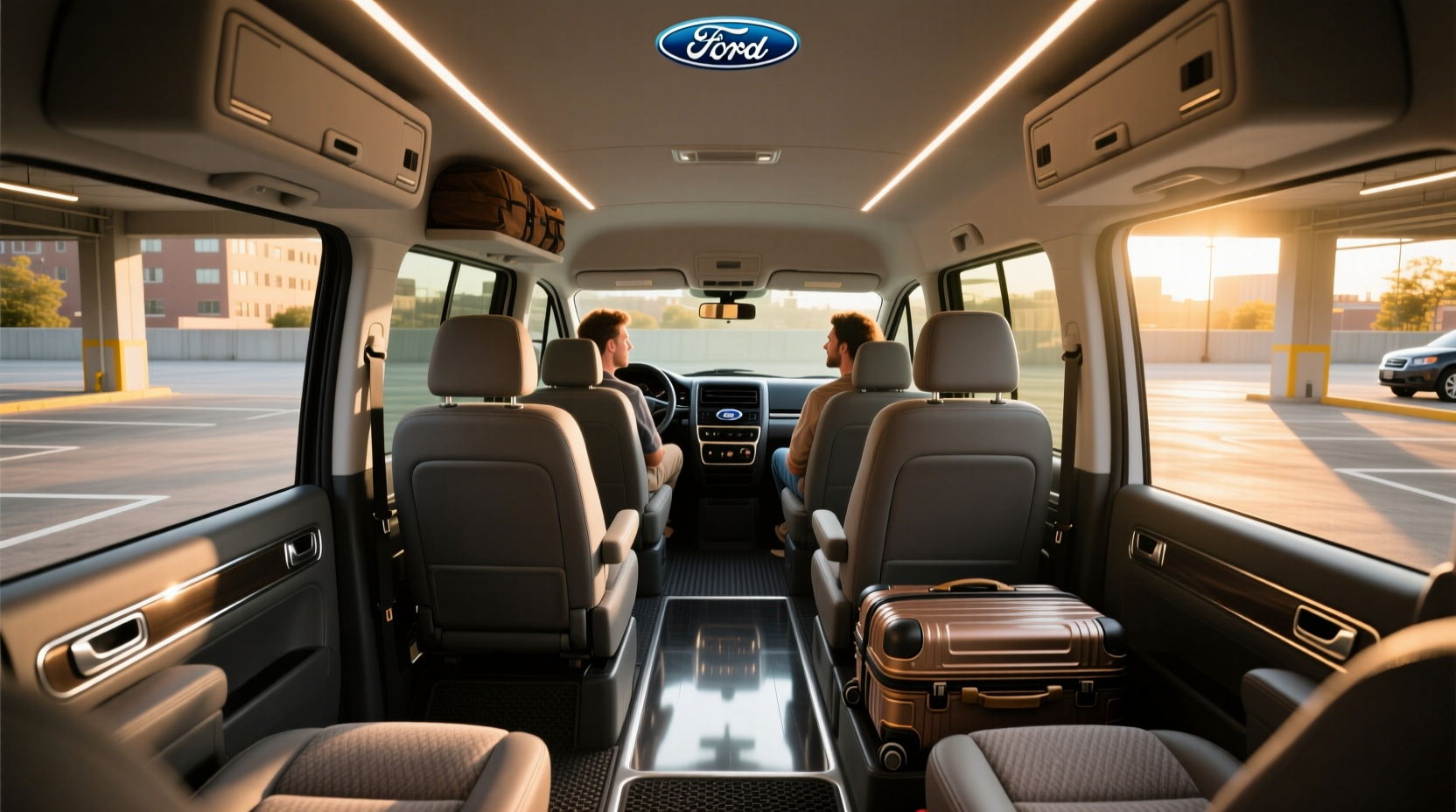
Understanding the Ford Transit interior dimensions is essential whether you're outfitting a work van, planning a camper conversion, or evaluating passenger space. The actual usable space inside varies significantly based on roof height (low, medium, high), wheelbase (short or long), and body length (regular or extended). For example, a high-roof, long-wheelbase Ford Transit can offer over 480 cubic feet of cargo volume with an interior height exceeding 78 inches — enough for most adults to stand comfortably. This guide breaks down all configurations, compares real-world measurements, and helps you choose the right model based on your specific spatial needs.
Why Interior Dimensions Matter for Van Buyers and Converters
🛒 When selecting a commercial or recreational van, exterior size doesn’t tell the full story. The usable interior space determines how efficiently you can load equipment, install cabinetry, or design sleeping and living areas in a DIY camper. Many buyers assume all Transits have similar interiors, but differences in roof profile and chassis configuration drastically affect headroom, standing ability, and storage potential.
For contractors, delivery services, or mobile technicians, maximizing vertical space means easier access to tools and better organization. For van lifers, interior height directly impacts comfort during prolonged use. Misjudging these specs can lead to costly modifications or unsuitable builds. That’s why knowing precise Ford Transit cargo van interior dimensions, seat layouts, and clearance zones is critical before purchase.
Ford Transit Trim and Configuration Overview
📍 The Ford Transit comes in multiple variants tailored for different uses: cargo vans, passenger vans, cutaway chassis, and chassis cabs. Each has distinct interior characteristics. Available trims include base models, XL, XLT, and higher-end options with upgraded materials and tech features.
Key variables affecting interior dimensions:
- Roof Height: Low Roof (LR), Medium Roof (MR), High Roof (HR)
- Wheelbase: Short Wheelbase (SWB) or Long Wheelbase (LWB)
- Body Length: Regular (130”) or Extended (148”)
- Variants: Cargo Van, Passenger Wagon (up to 15 seats), Cutaway
These combinations result in over a dozen unique configurations, each with slightly different internal measurements. Let's examine them in detail.
Cargo Van Interior Dimensions by Model Type
🚚 Ford Transit cargo vans are designed for utility, offering minimal interior trim and maximum load capacity. Below are approximate interior dimensions across common configurations. Note: Exact numbers may vary slightly by model year (e.g., 2021–2026).
| Configuration | Interior Length (ft/in) | Width (ft/in) | Height (ft/in) | Cargo Volume (cu ft) |
|---|---|---|---|---|
| SWB LR (130" regular) | 8' 6" | 6' 3" | 5' 3" (63") | 316 |
| SWB MR (130" regular) | 8' 6" | 6' 3" | 6' 0" (72") | 366 |
| SWB HR (130" regular) | 8' 6" | 6' 3" | 6' 6" (78") | 409 |
| LWB MR (148" extended) | 10' 6" | 6' 3" | 6' 0" (72") | 480 |
| LWB HR (148" extended) | 10' 6" | 6' 3" | 6' 6" (78") | 486 |
🔧 Key Notes:
- Width is measured between wheel arches; overall width including side walls is ~7' 2"
- Interior height is from floor to ceiling liner (not structural roof)
- Cargo volume assumes no obstructions; actual usable space may be less due to wheel wells or HVAC units
The high-roof option adds nearly two feet of vertical space compared to low roof, making it ideal for standing room and tall shelving. However, it increases overall vehicle height, which may impact garage clearance or bridge restrictions.
Passenger Van Seating and Interior Layout
👥 The Ford Transit Passenger Wagon is available with configurations ranging from 8 to 15 seats. Unlike cargo vans, these models feature finished interiors with carpeting, climate controls, and individual seating.
Seating arrangements typically include:
- Front row: Driver + passenger (bucket seats)
- Middle rows: Bench or captain’s chairs (configurable)
- Rear row: Rear-facing or forward-facing bench
While cargo volume is reduced due to seating, legroom and headroom remain generous, especially in high-roof versions. A 15-passenger Transit still maintains about 5' 6" of interior height in medium roof form, allowing average-height adults to move without stooping.
Important: Removing seats changes the vehicle classification and may require re-registration depending on local regulations. Always verify legal requirements before converting a passenger van to cargo use.
How Roof Height Impacts Usability
✨ Choosing between low, medium, and high roof isn't just about standing room—it affects insulation, ventilation, electrical routing, and even HVAC performance.
Low Roof (63"): Suitable for loading pallets or storing gear where vertical access isn't needed. Most compact option; improves fuel economy and parking garage compatibility.
Medium Roof (72"): Allows partial standing for shorter individuals. Popular among tradespeople who need overhead bins but prioritize maneuverability.
High Roof (78"): Full standing height for most adults. Preferred for camper builds, food trucks, and mobile clinics. Requires taller parking structures and may increase wind resistance.
📌 Real-World Tip: After installing flooring, insulation, and ceiling panels, expect to lose 3–6 inches of effective headroom. Always subtract at least 4" when planning a build to avoid clearance issues.
Long vs Short Wheelbase: Space and Maneuverability Trade-offs
⏱️ Wheelbase affects both interior length and driving dynamics. Here's how they compare:
- Short Wheelbase (SWB): ~130" wheelbase, total vehicle length ~19'. More agile, easier to park, better for urban environments.
- Long Wheelbase (LWB): ~148" wheelbase, total vehicle length ~22'. Offers significantly more cargo room—up to 2 extra feet behind rear axle.
For van conversions, LWB provides crucial additional space for beds, kitchens, or storage modules. However, it reduces turning radius and complicates tight-space navigation. SWB models are often sufficient for solo travelers or small tool loads.
⚡ Pro Insight: If you plan to add a rear garage or modular storage system (like Habitat Vans’ designs), LWB HR is the optimal choice. But if you frequently drive narrow streets or park in standard garages, SWB may be more practical despite less cargo area.
Interior Features That Affect Usable Space
⚙️ Beyond raw dimensions, several factory-installed components influence how you can use the interior:
- Loadspace Lighting: Standard in newer models, improves visibility in dark conditions 1
- 180°/270° Rear Doors: Facilitate wide-load access and integration with loading docks
- Overhead Consoles: Present in some trims; reduce ceiling clearance slightly
- Air Conditioning Ducts: Run along ceiling in high-roof models; must be accounted for in insulation plans
- Side-Mounted Controls: Power points, switches, and fuse boxes take up wall space
When measuring for shelving or bed frames, account for protrusions like door hinges, HVAC housings, and speaker enclosures. These elements can reduce usable width by several inches near the sides.
Regional Differences in Ford Transit Availability
🌍 While the core platform is global, specifications differ by market:
- North America: Offers full range of roof heights and wheelbases; diesel and gasoline engines; available as 15-passenger wagon
- Europe (Transit Custom): Smaller footprint; hybrid options available; different naming convention (e.g., Transit Custom vs full-size Transit)
- South Africa: Two-seat cargo vans with basic trim; focus on durability and load capacity 2
Always confirm local availability. Some configurations (like high-roof extended vans) may not be offered in certain countries due to import rules or demand patterns.
Common Misconceptions About Transit Interior Space
❗ Despite abundant online information, several myths persist:
- Myth 1: "All high-roof Transits allow full standing." Reality: With flooring and insulation, many users find only partial standing room remains.
- Myth 2: "Interior length equals wheelbase." False: Body extends beyond axles; measure from bulkhead to rear doors.
- Myth 3: "You can fit a queen bed in any long-wheelbase Transit." Not always true—bed width must accommodate wheel arches, reducing usable floor width to ~5' 6".
To avoid errors, always refer to official dimensional guides or physically inspect a model before committing to a build.
How to Measure Interior Dimensions Accurately
🔍 To get reliable data for planning:
- Use a laser measurer or tape measure inside an unmodified van
- Measure floor-to-ceiling at multiple points (corners, center, near HVAC)
- Record width between wheel arches and at narrowest point
- Note location of fixed obstructions: spare tire mount, fuel tank, battery box
- Check door opening width and height for equipment entry
If you don’t have access to a physical unit, consult dealer brochures or technical manuals. Ford provides detailed spec sheets upon request.
Trends in Interior Usage: From Work Vans to Camper Conversions
🌐 Recent years have seen increased interest in using the Ford Transit for non-commercial purposes. YouTube videos showcasing luxury camper builds (e.g., Royale Cabot Coach Builders, Habitat Vans) highlight the versatility of the high-roof LWB model 3. These conversions often maximize every inch through modular furniture, foldable systems, and multi-functional layouts.
However, such builds require careful attention to weight distribution, structural reinforcement, and ventilation. Overloading or improper anchoring can compromise safety and handling.
Preparing for a Van Conversion: What to Know First
📋 If you're considering turning a Transit into a camper, workshop, or mobile office:
- Evaluate your minimum required headroom and floor space
- Determine whether SWB or LWB meets your mobility and storage needs
- Decide early on roof height—this cannot be modified post-purchase
- Research local laws regarding vehicle modifications and habitation
- Factor in insulation thickness when calculating final clearances
Many successful converters start with a high-roof, long-wheelbase model for maximum flexibility. However, this also increases cost and complexity.
Verifying Current Model Year Specifications
📌 Ford updates the Transit lineup annually. For the most accurate data:
- Visit the official Ford website for your region (e.g., ford.com, ford.ca, ford.co.za)
- Download the latest spec sheet under 'Resources' or 'Commercial Vehicles'
- Contact a dealership for CAD drawings or dimension charts
- Join owner forums (e.g., r/fordtransit, The Build Van Life Forum) for real-user insights
Specifications for the 2025–2026 models show minor refinements in dashboard layout and cluster display, but core dimensions remain consistent with prior years 4.
Frequently Asked Questions
Below are answers to common follow-up questions about Ford Transit interior dimensions.
What is the interior height of a Ford Transit with high roof?
The interior height of a high-roof Ford Transit is approximately 78 inches (6 feet 6 inches) from floor to ceiling liner. After adding flooring and insulation, usable height typically ranges from 72 to 75 inches.
How many people can fit in a Ford Transit passenger van?
A Ford Transit passenger wagon can seat up to 15 people, configured in multiple rows. Smaller variants seat 8 to 12 passengers, depending on layout and local safety regulations.
Can a Ford Transit be used as a camper van?
Yes, the Ford Transit—especially the high-roof, long-wheelbase model—is one of the most popular platforms for camper conversions due to its spacious interior, reliability, and aftermarket support.
Does the wheelbase affect interior cargo length?
Yes, the long wheelbase (148") provides about 24 additional inches of interior length compared to the short wheelbase (130"), significantly increasing usable cargo space behind the rear axle.
Are there differences between Ford Transit Custom and full-size Transit interiors?
Yes, the Transit Custom is smaller than the full-size Transit, with reduced cargo volume and lower maximum roof height. It’s designed for European markets and lighter-duty applications.




 浙公网安备
33010002000092号
 浙B2-20120091-4