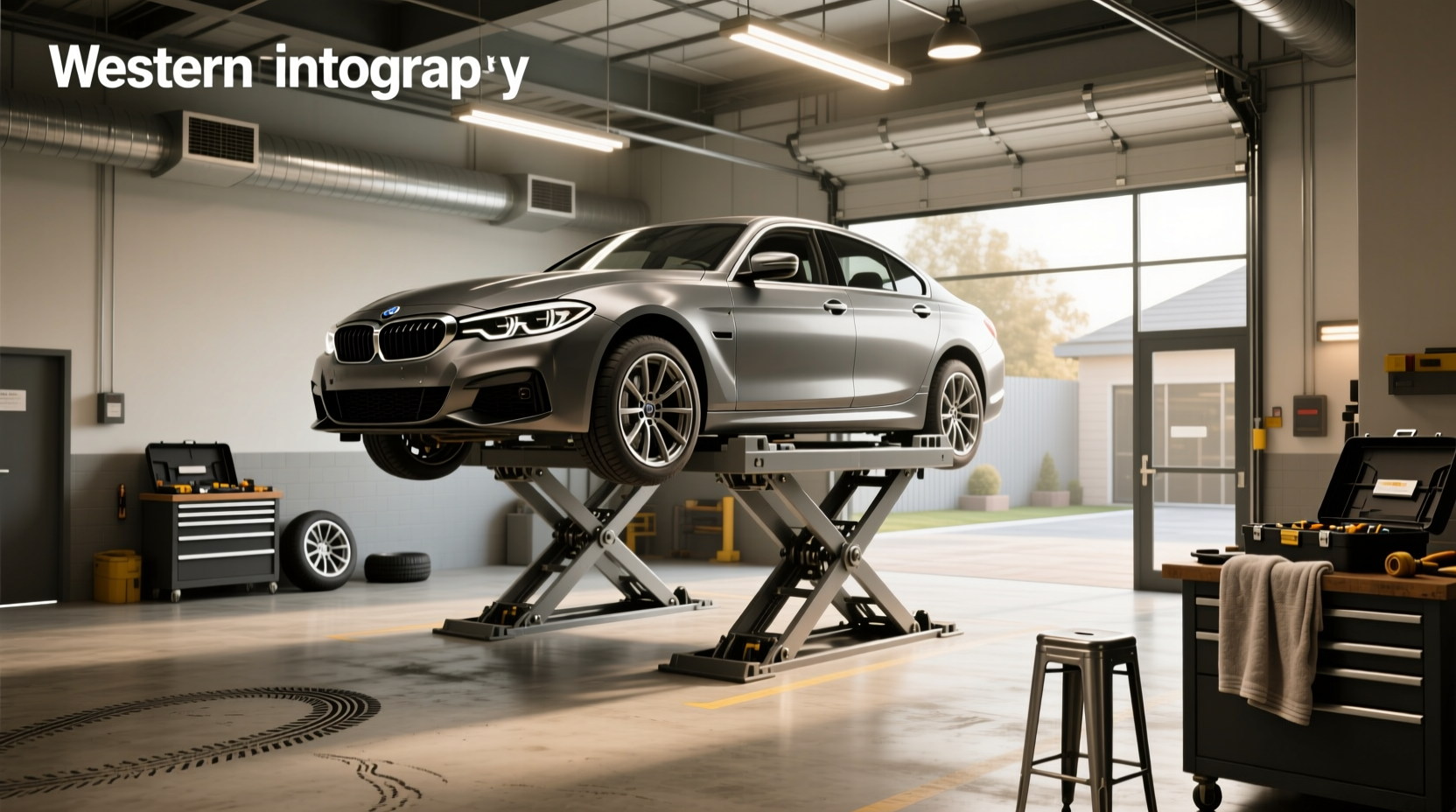
When searching for maximum undercar access without sacrificing floor space, a full rise scissor car lift offers a compelling solution for both DIY enthusiasts and professional workshops. Unlike mid- or low-rise models, full rise lifts elevate vehicles high enough to allow complete walk-under clearance—typically between 60 to 75 inches—enabling comprehensive service tasks such as exhaust repairs, suspension work, and full drivetrain maintenance. These lifts combine compact footprints with robust lifting capacities (often 6,000 lbs and above), making them ideal for tight urban garages or multi-purpose bays where space efficiency and functionality are critical 1. In this guide, we’ll break down everything you need to know about full rise scissor lifts: how they work, when to choose one over other types, key specifications to evaluate, installation requirements, safety protocols, and real-world use cases that help you make an informed decision.
How Does a Full Rise Scissor Lift Work?
A full rise scissor lift operates using a hydraulic power unit to extend interlocking metal arms in a crisscross 'X' pattern—commonly referred to as the scissor mechanism. As hydraulic pressure is applied, the arms push upward, raising the platform uniformly until the vehicle reaches its maximum working height. Once elevated, integrated mechanical locks engage automatically at multiple points to secure the load, even in the event of hydraulic failure ⚙️.
These lifts typically feature either a frame-engaging or drive-on design. Frame-engaging models use adjustable arms that connect directly to structural points on the vehicle’s chassis, providing precise lift points and minimizing stress on body panels. Drive-on versions resemble low platforms where the vehicle is driven onto pads positioned over the lift carriage—ideal for frequent use in detailing or quick inspections.
The term “full rise” specifically refers to the lift’s ability to raise a vehicle to a height sufficient for a technician to stand upright beneath it. This distinguishes it from mid-rise lifts (which usually max out around 40–50 inches) and low-rise jacks (under 30 inches). The full elevation enables 360-degree access to undercarriage components, which is essential for complex diagnostics and repairs ✅.
Benefits of Using a Full Rise Scissor Lift
- Space Efficiency: With a smaller footprint than four-post lifts, full rise scissor lifts fit well in garages with limited square footage 📍.
- High Accessibility: Achieves full standing clearance, allowing mechanics to perform deep mechanical work without crouching or crawling.
- Rapid Operation: Most models can raise a vehicle to full height in under 60 seconds ⚡.
- Durability: Constructed from high-tensile steel and equipped with redundant safety systems, these lifts support repeated daily use in commercial environments.
- Versatility: Suitable for oil changes, brake servicing, exhaust system replacement, transmission removal, and alignment checks.
Common Use Cases and Who Should Consider One
Full rise scissor lifts are widely used across several settings:
Professional Repair Shops
In busy service centers, time is money. A full rise scissor lift allows technicians to rotate vehicles quickly through inspection and repair bays. Their fast cycle times and reliability make them suitable for high-volume operations like lube shops, tire centers, and collision repair facilities that require consistent access to vehicle undersides 👥.
Home Garages and Enthusiasts
For serious DIYers working on performance builds or restoration projects, having full undercar access dramatically improves workflow. If your garage ceiling height permits (minimum recommended clear height: 10 feet), a full rise model can replace jack stands and ramps entirely, offering safer and more stable support during extended jobs 🏠.
Detailing and Undercarriage Cleaning
Auto detailers benefit from full rise lifts when performing thorough underbody steam cleaning, rust proofing, or ceramic coating applications. Elevated access ensures no area is missed, improving service quality and customer satisfaction 🧼.
Key Factors to Evaluate Before Buying
Purchasing a full rise scissor lift is a significant investment. To ensure compatibility and long-term value, consider the following criteria:
Lifting Capacity
Most full rise scissor lifts range from 6,000 to 14,000 lbs gross capacity. Match the lift’s rating to the heaviest vehicle you plan to service. For example, a standard sedan weighs 3,000–4,000 lbs, while full-size trucks and SUVs can exceed 7,000 lbs. Always include a safety margin—never operate near the maximum limit routinely 🔧.
Closed Height and Floor Clearance
The closed height (also called lowered height) determines how low the platform sits when collapsed. Models vary from 110 mm (~4.3 in) to over 6 inches. Lower profiles accommodate vehicles with minimal ground clearance, such as sports cars or lowered suspensions. Measure your vehicle’s lowest point before selecting a lift.
Maximum Lift Height
Typical full rise lifts achieve between 60” and 75” of vertical travel. Ensure your garage has adequate overhead clearance, including lights, ductwork, and door mechanisms. Add at least 12 inches of buffer above the highest point of the raised vehicle for safety.
Power Requirements
Most units require a dedicated 220V electrical circuit, though some entry-level models run on 110V. Confirm your workshop’s power supply matches the lift’s specifications. Hydraulic fluid capacity (usually 3–5 gallons) and pump motor horsepower also affect performance and longevity.
Mobility vs. Fixed Installation
Some full rise lifts come with optional mobility kits (wheels and locking casters), allowing repositioning within the bay 🚚. However, permanent anchoring to a concrete floor (minimum 4” thick, reinforced) is required for safe operation. Mobile units still need to be secured during use to prevent shifting.
Safety Features
Look for lifts with:
- Automatic mechanical lock engagement at multiple levels
- Emergency stop buttons
- Overload protection valves
- Redundant hydraulic circuits
- CE or ALI (Automotive Lift Institute) certification
ALI certification indicates compliance with ANSI/ALI ALOIM standards, ensuring third-party validation of design and safety protocols 2.
Installation Requirements and Site Preparation
Proper setup is crucial for safe and effective operation. Here's what you'll need:
| Requirement | Specification |
|---|---|
| Floor Thickness | Minimum 4 inches of reinforced concrete |
| Floor Flatness | No more than ⅛ inch variation per 10 feet |
| Ceiling Height | At least 10–12 feet depending on lift model |
| Electrical Supply | Dedicated 110V or 220V outlet within 10 ft |
| Clearance Around Lift | 3+ feet on all sides for safe movement |
Site preparation may involve leveling the floor, installing grounding for electrical safety, and marking anchor bolt locations. While some manufacturers offer DIY installation guides, hiring a certified technician is strongly advised to ensure proper alignment and load testing ⏱️.
Comparison: Full Rise vs. Mid-Rise vs. Low-Rise Scissor Lifts
Understanding the differences helps determine which type suits your needs best:
| Feature | Low-Rise | Mid-Rise | Full Rise |
|---|---|---|---|
| Lift Height | Up to 30" | 40"–50" | 60"–75" |
| Use Case | Tire rotation, oil changes | Brake service, minor repairs | Exhaust, suspension, major repairs |
| Floor Space | Very compact | Compact | Moderate |
| Cost | $1,500–$3,000 | $3,000–$6,000 | $6,000–$12,000+ |
| Installation | Often portable | Anchored or mobile | Permanently anchored |
While full rise lifts offer superior access, they demand more space, higher ceilings, and greater upfront cost. Assess whether your typical tasks justify the investment—or if a mid-rise model could suffice for most jobs.
Safety Best Practices When Operating a Full Rise Scissor Lift
Safety should always be the top priority. Follow these guidelines:
- Inspect Regularly: Check hydraulic hoses, welds, locking pins, and control systems weekly.
- Center the Load: Position the vehicle evenly on the lift pads to avoid imbalance.
- Use Correct Adapters: Match rubber pads or arms to your vehicle’s lift points to prevent damage.
- Never Work Under a Hydraulically Supported Vehicle: Always lower the vehicle onto the mechanical locks before beginning any undercarriage work ❗.
- Train All Users: Ensure everyone understands emergency procedures and shutdown protocols.
Common Misconceptions About Full Rise Scissor Lifts
Several myths persist about these lifts:
Misconception 1: They’re Only for Commercial Use
While common in shops, many homeowners with adequate garage dimensions find full rise lifts invaluable for complex projects. Advances in noise reduction and compact designs have made them more residential-friendly.
Misconception 2: They Damage Vehicle Frames
When used correctly with proper adapters, scissor lifts apply force only to manufacturer-recommended lift points. Incorrect placement—not the lift itself—causes damage.
Misconception 3: All Scissor Lifts Are the Same
Designs vary significantly by brand and price tier. Premium models use thicker steel, better seals, dual hydraulic cylinders, and precision machining that enhance durability and smoothness.
Maintenance Tips to Extend Lifespan
To keep your lift operating safely and efficiently:
- Lubricate pivot points every 3 months.
- Check hydraulic fluid level monthly; replace every 2 years.
- Clean debris from the scissor mechanism regularly.
- Test safety locks weekly by raising slightly and engaging locks manually.
- Keep the control panel dry and dust-free.
Alternatives to Full Rise Scissor Lifts
If space, budget, or ceiling height limits your options, consider these alternatives:
Two-Post Lifts
Offer excellent access and higher capacities but require more floor space and precise alignment. Ideal for storage and heavy-duty work.
Four-Post Parking Lifts
Better suited for storing a second vehicle above, but slower to operate and less convenient for frequent servicing.
Portable Jack Stands with Ramps
Limited in safety and convenience, but useful for occasional light maintenance.
Where to Buy and What to Watch For
Full rise scissor lifts are available through specialized equipment suppliers, industrial dealers, and online marketplaces. Be cautious of unusually low prices, especially from overseas vendors, as they may indicate substandard materials or lack of certification. Verify ALI/CE compliance, warranty terms (preferably 2+ years), and availability of replacement parts locally.
Frequently Asked Questions (FAQs)
- Can a full rise scissor lift handle SUVs and trucks?
- Yes, provided the lift’s capacity exceeds the vehicle’s weight. Most full rise models support 6,000–14,000 lbs, covering most passenger vehicles and light trucks.
- Do I need a permit to install a car lift in my garage?
- In some municipalities, structural modifications or commercial use may require permits. Check local building codes before installation.
- How long do scissor lifts last?
- With proper maintenance, a quality full rise scissor lift can last 15–20 years or more in regular use.
- Are full rise scissor lifts noisy?
- Modern units are relatively quiet, typically operating below 70 dB. Noise levels depend on pump quality and enclosure design.
- Can I install a scissor lift on a sloped floor?
- No. The lift must be installed on a level, structurally sound concrete slab to ensure safe and even lifting.




 浙公网安备
33010002000092号
 浙B2-20120091-4