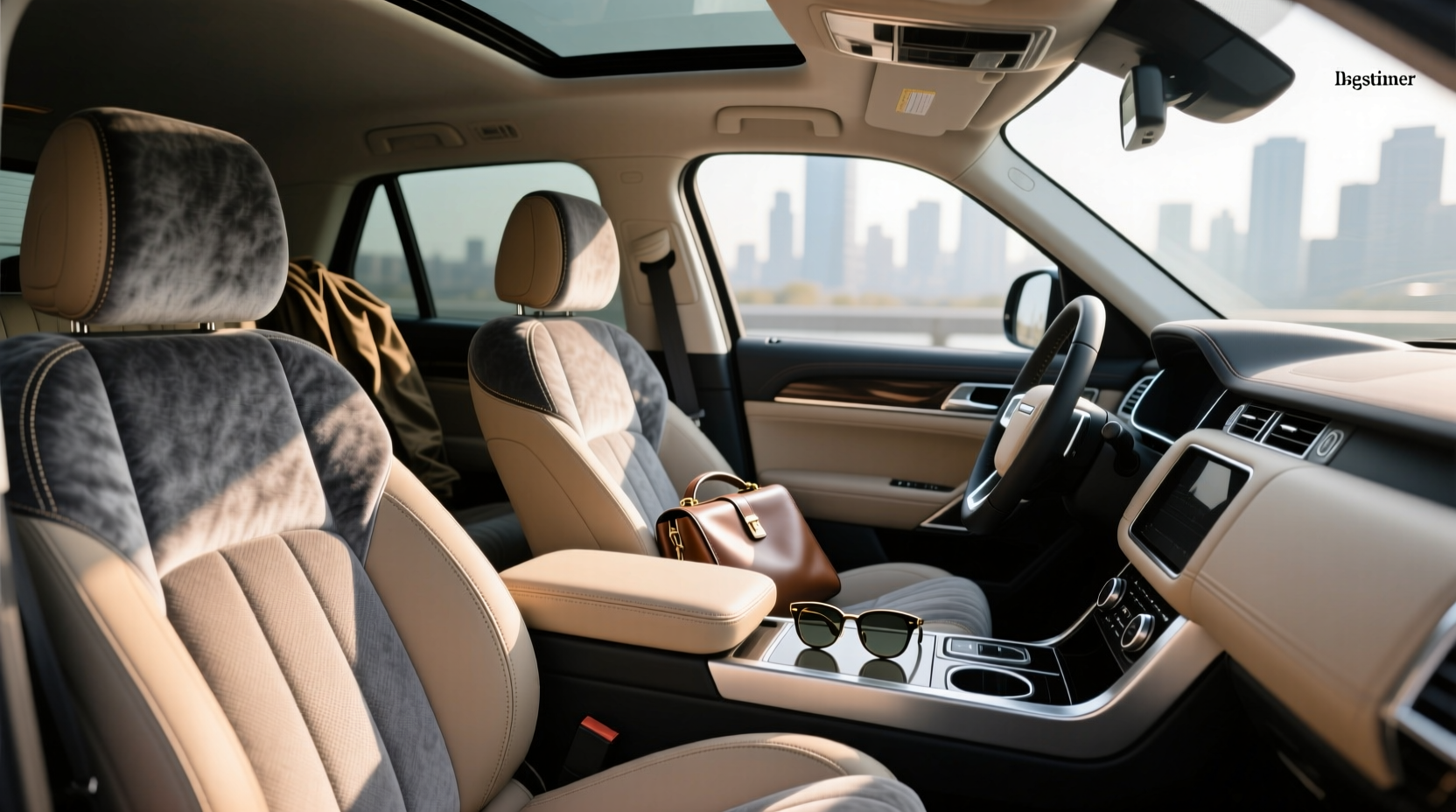
When searching for ways to protect your vehicle’s interior while enhancing comfort and style, full set car seat covers offer a practical and customizable solution. These covers typically include pieces for the driver’s seat, front passenger seat, and both rear seats—ensuring complete cabin coverage. Available in materials like tweed, leather, neoprene, and fabric blends, they guard against spills, UV damage, wear, and pet scratches. Choosing the right set depends on your vehicle model, daily usage, climate, and aesthetic preferences. This guide breaks down everything you need to know—from fit types and durability to installation tips and long-term value—so you can make an informed decision that aligns with your real-world needs.
What Does 'Full Set' Mean in Car Seat Covers?
A full set car seat cover refers to a complete package designed to cover all seating positions in a vehicle: driver, front passenger, and rear bench or split rear seats. Unlike single-seat protectors or partial covers, a full set ensures uniform protection across the entire cabin. This is especially valuable for families, ride-share drivers, or anyone using their vehicle heavily. The term "full set" may vary slightly by region or manufacturer, but generally implies coverage for at least four seats in a standard sedan or SUV.
Some premium kits go further by including headrests, armrests, and even seatback pockets. When shopping, verify exactly which components are included. For example, some sets labeled as 'full' might exclude integrated headrests or require separate add-ons for split-folding rear seats. Checking product specifications carefully helps avoid surprises during installation.
Why Consider Full Set Seat Covers?
There are several compelling reasons to invest in a full set of seat covers:
- Interior Protection: Factory upholstery fades, tears, and stains over time. A full cover acts as a sacrificial layer, preserving resale value by keeping original seats in pristine condition 1.
- All-Season Comfort: Materials like breathable mesh or thermal-lined fabrics help regulate temperature year-round.
- Pet & Child Safety: Durable weaves resist claws and spills; some feature non-slip backing to prevent shifting during sudden stops.
- Customization: From classic tweed to bold patterns, full sets allow personalization without permanent modifications.
- Cost Efficiency: Replacing damaged factory seats can cost thousands. A quality cover set ranges from $100–$400, offering significant savings.
For fleet operators or rental car owners, full sets also simplify maintenance. Damaged covers can be replaced individually, avoiding costly reupholstery.
Types of Full Set Car Seat Covers
Not all full sets are created equal. Understanding the main categories helps narrow choices based on fit, function, and budget.
1. Universal Fit vs. Custom Fit
Universal fit covers are one-size-fits-most designs intended to stretch over various seat shapes. They’re often cheaper and readily available but may bunch, gap, or slip—especially on contoured or bolstered seats. Installation usually involves elastic edges, straps, or hooks.
Custom fit (also called “semi-custom” or “vehicle-specific”) covers are engineered for particular makes and models. They align precisely with seat contours, airbag locations, seat belts, and electronic sensors. While more expensive, they offer superior aesthetics and safety compliance. Brands like CalTrend and Ruff Tuff specialize in this category 2.
| Feature | Universal Fit | Custom Fit |
|---|---|---|
| Precision | Moderate to low | High |
| Installation Time | 15–30 mins | 30–60 mins |
| Price Range | $50–$150 | $150–$500+ |
| Airbag Compatibility | Rarely certified | Often designed for safe deployment |
| Lifespan | 1–2 years (average) | 3–7 years |
2. Material Options
The choice of fabric significantly affects durability, comfort, and maintenance.
- Tweed: Known for its vintage appeal and rugged texture, tweed is often made from wool or polyester blends. It resists abrasion and adds insulation. Popular in classic restorations or off-road vehicles 3.
- Leather & Synthetic Leather: Offers luxury feel and easy wipe-down cleaning. Full-grain leather lasts longer but costs more; synthetic versions (like PU leather) are budget-friendly but may crack over time.
- Neoprene: Originally used in wetsuits, this waterproof material excels in wet climates or high-spill environments. It molds well to seats and provides cushioning.
- Fabric Blends: Cotton-polyester mixes balance softness and strength. Some include anti-slip coatings or moisture-wicking properties.
- Vinyl: Common in commercial fleets due to extreme durability and chemical resistance, though less breathable.
3. Style Variants
Designs range from subtle tones to statement patterns:
- Solid Colors: Black, gray, beige—ideal for professional or minimalist interiors.
- Patterned: Plaid, houndstooth, or Hawaiian prints cater to个性表达.
- Color-Matched Inserts: Two-tone styles use contrasting stitching or center panels (e.g., black with red stitching) for sporty flair.
How to Measure and Verify Compatibility
Selecting the correct size prevents poor fit and safety risks. Follow these steps:
- Identify Your Vehicle Model: Note year, make, model, trim level, and engine type. Some trims have different seat configurations (e.g., heated seats, memory settings).
- Check Seat Type: Determine if your seats are bucket-style, bench-front, or have integrated headrests. Convertibles or older models may require special templates.
- Review Airbag Locations: Never block side-impact or front airbags. Custom-fit sets list airbag compatibility; universal ones rarely do.
- Confirm Rear Seat Layout: Split-fold (60/40), folding bench, or third-row seating affects cover design.
- Use Manufacturer Sizing Charts: Reputable brands provide detailed diagrams showing measurements from seat base to top of headrest.
If unsure, contact customer support with photos of your seats. Many companies offer fit guarantees or return policies for misordered items.
Installation Tips for Full Set Covers
Proper installation ensures longevity and safety. Use these best practices:
- Remove Old Covers First: If replacing existing ones, detach completely before installing new set.
- Start with Driver’s Seat: Most people spend more time here, so precision matters most.
- Align Key Features: Match seams with seat creases, headrest openings, and belt guides.
- Secure All Fasteners: Hook-and-loop straps, zippers, and elastic bands should be tight but not overstretched.
- Double-Check Airbag Zones: Ensure no fabric obstructs deployment paths.
- Test Functionality: Adjust recline, lumbar controls, and heating elements after installation.
Allow extra time for custom sets—they often involve multiple pieces per seat. Watch video tutorials from manufacturers if provided.
Common Misconceptions About Full Set Seat Covers
Several myths persist that can lead to poor purchasing decisions:
- Misconception 1: All Covers Are Safe with Airbags. Only vehicle-specific designs undergo testing for safe airbag deployment. Generic covers can delay or prevent inflation.
- Misconception 2: Thicker = Better Protection. Excess bulk can interfere with seat mechanisms and reduce comfort. Balance thickness with flexibility.
- Misconception 3: Any Fabric Can Be Used Indoors Applies to Cars. Household textiles aren’t UV-resistant or flame-retardant. Automotive-grade materials meet FMVSS 302 flammability standards.
- Misconception 4: Covers Hide Damage and Increase Resale Value. While they protect good seats, poorly installed or stained covers may raise suspicion about hidden issues.
Regional and Climate Considerations
Your location influences ideal material choice:
- Hot Climates: Light-colored, breathable fabrics reflect heat. Avoid dark leather, which absorbs sunlight and becomes uncomfortably hot.
- Cold Regions: Fleece-lined or wool-blend covers add warmth without needing seat heaters constantly.
- Wet Areas: Neoprene or water-repellent treated fabrics prevent mold and mildew buildup.
- Dusty or Off-Road Environments: Durable weaves like twill or canvas resist grit penetration.
In countries with strict vehicle modification laws (e.g., UK, Germany), verify whether aftermarket seat covers affect annual safety inspections (MOT, TÜV). Some regions require proof of airbag compatibility.
Maintenance and Cleaning Guidelines
To extend lifespan, follow care instructions specific to the material:
- Spot Clean Regularly: Wipe spills immediately with damp cloth. Use mild detergent for stains.
- Machine Washable Sets: Only if label permits. Remove inserts first; wash cold on gentle cycle.
- Leather Care: Condition every 3–6 months to prevent cracking.
- Avoid Harsh Chemicals: Bleach or ammonia-based cleaners degrade fibers and dyes.
- Deep Cleaning Frequency: Every 3–6 months depending on usage.
Never dry seat covers near direct heat sources. Sunlight exposure during drying can cause shrinkage or fading.
Price Ranges and Value Assessment
Full set prices vary widely based on material, brand, and customization level:
- Budget Tier ($50–$150): Usually universal fit, basic fabric, limited color options.
- Mid-Range ($150–$300): Semi-custom fit, better materials (e.g., tweed, synthetic leather), improved durability.
- Premium ($300–$600+): Fully custom, high-end textiles, advanced features like embroidery or cooling gel layers.
Assess value by calculating cost per year of expected use. A $400 set lasting five years costs $80/year—less than reupholstering one seat. Also consider warranty length; 3+ years indicates confidence in build quality.
Where to Buy Full Set Car Seat Covers
Options include online marketplaces, specialty retailers, and direct manufacturers. Each has trade-offs:
- Online Marketplaces: Offer wide selection and user reviews but vary in seller reliability.
- Specialty Retailers: Provide expert advice and fit verification tools.
- Direct from Manufacturer: Often includes free returns, fit guarantee, and access to technical support.
Wholesale platforms like Alibaba.com serve businesses needing bulk orders, offering OEM production and private labeling 4. Individual consumers can browse these sites to compare global pricing and material trends, though direct purchase may involve shipping delays or import fees.
When Not to Use Full Set Seat Covers
While beneficial in many cases, there are situations where they may not be suitable:
- New Vehicles Under Warranty: Some dealers claim aftermarket accessories void interior warranties—though this is often untrue under Magnuson-Moss Warranty Act (U.S.). Always check terms.
- Vehicles with Active Safety Systems: If your car uses weight sensors in seats for airbag control, thick or heavy covers could interfere with detection.
- Short-Term Ownership: If selling within a year, the ROI may not justify the investment.
- Severe Existing Damage: Covers won’t fix torn foam or broken frames. Address structural issues first.
Final Checklist Before Buying
Before finalizing your purchase, confirm the following:
- ✅ Exact vehicle match (year, make, model, trim)
- ✅ Airbag-safe design (if applicable)
- ✅ Included components (driver, passenger, rear, armrests?)
- ✅ Material suitability for climate and usage
- ✅ Return policy and fit guarantee
- ✅ Care instructions and cleaning method
- ✅ Warranty duration and coverage scope
Frequently Asked Questions (FAQ)
Here are answers to common questions about full set car seat covers:
- Can I install full set seat covers myself?
- Yes, most sets come with instructions and require no tools. Custom fits take 30–60 minutes; universal ones are faster. Video guides from manufacturers can help.
- Do full set seat covers affect airbag deployment?
- Only if improperly designed or installed. Vehicle-specific sets are tested to allow safe deployment. Avoid universal covers that block airbag seams.
- Are tweed seat covers durable for daily driving?
- Yes, especially when made from automotive-grade polyester or wool blends. Tweed resists abrasion and holds up well in high-use scenarios like ride-sharing.
- How do I clean full set seat covers?
- Follow manufacturer guidelines. Most fabric sets can be spot-cleaned or machine-washed. Leather requires conditioning; neoprene should be wiped down with mild soap.
- Will full set covers fit over heated seats?
- Yes, if properly designed. Look for covers labeled as compatible with heated seats. Thin, conductive materials transfer heat efficiently without overheating.




 浙公网安备
33010002000092号
 浙B2-20120091-4