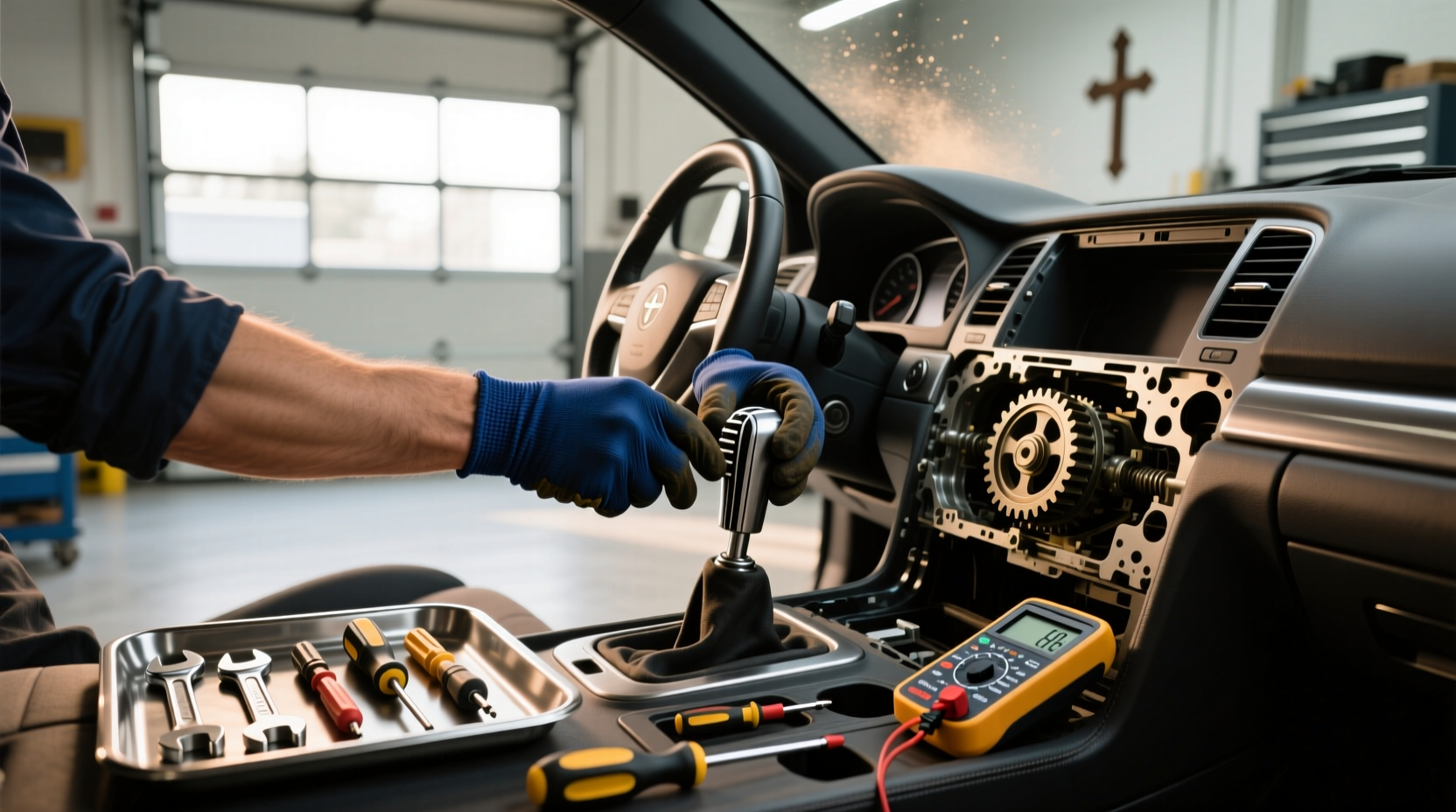
Replacing a gear shifter is a common maintenance or upgrade task for both automotive and bicycle owners. Whether you're dealing with a worn-out car transmission lever or upgrading your mountain bike’s shifting performance, understanding how to perform a gear shifter replacement correctly ensures smooth operation, safety, and long-term reliability. This comprehensive guide walks through everything from identifying symptoms of failure to selecting the right type of shifter, tools needed, installation steps, and avoiding common mistakes—helping you make informed decisions without unnecessary costs or complications.
What Is a Gear Shifter and Why Does It Need Replacement?
A gear shifter, also known as a gear selector or shift lever, allows the driver or rider to change gears in a vehicle or bicycle. In automobiles, it connects mechanically or electronically to the transmission system, enabling gear changes in manual or automatic systems. On bicycles, especially multi-speed models, shifters control derailleurs that move the chain across different sprockets.
Over time, wear, mechanical stress, exposure to elements (like moisture or dirt), or impact damage can degrade performance. Common signs indicating a need for gear shifter replacement include:
- Loose or wobbly movement in the shifter handle
- Difficulty engaging specific gears
- Gears slipping unexpectedly
- Unusual noises during shifting (grinding, clicking)
- Complete failure to shift into any gear
Ignoring these issues can lead to unsafe driving conditions or reduced efficiency on bikes, making timely replacement essential.
Types of Gear Shifters: Matching Your Vehicle or Bike
Not all shifters are interchangeable. The correct choice depends on your vehicle type, drivetrain configuration, and desired functionality. Below is a breakdown by application.
Automotive Gear Shifters
Car and truck shifters vary based on transmission type and mounting style:
- Floor-mounted shifters: Found in many manual transmission vehicles and some automatics, often using a ‘H-pattern’ layout.
- Column-mounted shifters: Typically seen in older American cars or trucks, located on the steering column.
- Electronic shifters: Modern automatics may use push-button or rotary dial selectors linked via electronic signals.
- Ratchet/pistol-grip shifters: Popular in performance or custom builds (e.g., Lokar, B&M brands), offering precise control and aesthetic appeal.
- Short shifters: Aftermarket units like the Rennline ExactShift or 4H-TECH H4-Shift reduce throw distance for quicker shifts.
When replacing an automotive shifter, ensure compatibility with your transmission model (e.g., GM 3-speed, Ford C4, Chrysler TorqueFlite) and linkage type.
Bicycle Gear Shifters
Cycling shifters come in several designs depending on handlebar type and riding discipline:
- Rapidfire/Trigger shifters: Common on mountain and hybrid bikes (e.g., Shimano SL-M315, SRAM GX Eagle). Operated by thumb and index finger.
- Revoshift/Dual Control Levers: Integrated brake and shift levers on road bikes; Shimano STI or SRAM DoubleTap systems.
- Bar-end shifters: Mounted at the ends of drop handlebars, popular in touring setups.
- Grip shifters: Rotate the grip to change gears (e.g., SRAM GripShift), less common today but still used.
- Electronic shifters: High-end options like Shimano Di2 offer wireless precision shifting.
For bike gear shifter replacement, match speed compatibility (7-speed, 12-speed), brand (Shimano vs. SRAM), and derailleur actuation ratio.
| Type | Common Use | Examples | Replacement Notes |
|---|---|---|---|
| Floor Shifter | Cars, Trucks | Lokar, B&M Magnum | Check linkage length and pivot mount |
| Column Shifter | Vintage Vehicles | Hurst Pro-Matic2 | Verify column diameter and cable routing |
| Trigger Shifter | MTB, Hybrid Bikes | Shimano Deore SL-M6100 | Ensure correct speed rating |
| Electronic Shifter | High-End Road Bikes | Shimano Ultegra Di2 | Battery and wiring compatibility required |
Cost of Gear Shifter Replacement: What to Expect
The total cost varies widely based on vehicle or bike type, component quality, and whether labor is involved.
Automotive Replacement Costs
- Aftermarket floor shifters: $40–$900+ (e.g., Bang Shift NITRO series around $600)
- Universal pistol grip shifters: $400–$850 (e.g., B&M Stealth Pro Ratchet)
- Short shifters: $280–$1,900 (Rennline ExactShift over $1,800)
- Labor charges: $100–$300 if done professionally
Higher prices often reflect materials (carbon fiber, billet aluminum), precision engineering, or brand reputation.
Bicycle Shifter Replacement Costs
- Entry-level MTB shifters: $17–$40 (e.g., Shimano RV400 Revo Shifter)
- Mid-range triggers: $25–$100 (e.g., Shimano SL-M4100 Deore)
- Premium electronic: $200+
- Labor (if applicable): $20–$50 at a bike shop
Prices depend on speed capability, ergonomics, weight, and durability. Always confirm compatibility before purchase.
Tools and Preparation for Gear Shifter Replacement
Proper preparation prevents delays and errors during installation.
For Cars
- Socket wrench set 🔧
- Trim removal tools 🛠️
- Replacement bolts/pins ✅
- Transmission fluid (if linkage access requires pan removal)
- Service manual for torque specs ⚙️
Before starting, disconnect the battery to prevent accidental electrical activation in modern vehicles. Remove interior trim panels carefully to avoid cracking.
For Bicycles
- Allen keys/hex wrenches 🔧
- Cable cutters (for new housing) 📋
- Chain checker tool (optional, for drivetrain health check) 📊
- Lubricant for cables and pivots 🧼
If replacing both shifters and cables, budget extra time for cable tension adjustment and indexing calibration.
Step-by-Step Gear Shifter Replacement Process
Replacing a Car Floor Shifter
- Disconnect the battery – Prevents short circuits or airbag deployment risks.
- Remove center console or trim – Expose the shifter base and linkage connections.
- Detach linkage rods – Use a socket to remove clevis pins or clips connecting the shifter to the transmission.
- Unbolt the shifter assembly – Typically secured with 3–4 bolts to the transmission tunnel.
- Install the new shifter – Align mounting holes and secure with appropriate hardware.
- Reconnect linkage – Ensure proper alignment and reattach clevis pins with cotter pins.
- Test range of motion – Manually move through gears to verify full engagement before starting the engine.
- Reassemble interior panels – Snap back trim pieces securely.
- Start and test drive – Confirm smooth shifting under load.
Replacing a Bicycle Trigger Shifter
- Shift to smallest cog – Reduces cable tension for easier removal.
- Release cable anchor bolt – Loosen the derailleur-side clamp to free the cable.
- Remove old shifter – Unscrew clamp bolt and slide off handlebar.
- Clean bar surface – Wipe off grime before installing new unit.
- Mount new shifter – Slide onto bar, position ergonomically, and tighten clamp.
- Thread new cable – Route through housing and attach to derailleur.
- Set initial tension – Pull taut and secure at anchor point.
- Adjust barrel adjuster – Fine-tune until shifts are crisp and accurate.
- Test ride – Check all gears under pedaling load.
Common Mistakes to Avoid During Replacement
- Mismatched components: Installing a 10-speed shifter on a 9-speed drivetrain causes poor shifting. Always verify compatibility.
- Incorrect linkage alignment: In cars, misaligned rods can cause incomplete gear engagement, risking damage.
- Over-tightening clamps: Can crack carbon fiber handlebars or strip threads.
- Skipping cable replacement: Old, frayed cables undermine new shifter performance.
- Ignoring safety procedures: Failing to chock wheels or disconnect power sources increases risk.
DIY vs Professional Installation: When to Seek Help
While basic replacements are manageable for enthusiasts, certain situations warrant professional help:
- Complex electronic shift-by-wire systems requiring software calibration
- Vehicles with integrated center consoles or airbags near the shifter area
- Bicycles with hydraulic brake-lever integration (e.g., Shimano STI)
- Lack of proper tools or workspace
If unsure, consult a mechanic or certified bike technician. Missteps can lead to costly repairs or safety hazards.
Performance Upgrades and Customization Options
Many users replace shifters not just for repair but for enhanced feel or aesthetics.
- Short shifters: Reduce throw by up to 30%, improving responsiveness in sports driving.
- Weighted knobs: Add inertia for smoother throws (popular in track-focused builds).
- Custom levers: Motorcycle-style thumb shifters or paddle shifters offer alternative ergonomics.
- Color accents: Red, blue, or black anodized finishes personalize the cockpit.
However, aggressive short-shift kits may increase wear on synchros if not adjusted properly.
Environmental and Usage Factors Affecting Longevity
Durability depends heavily on operating conditions:
- Moisture exposure: Saltwater or frequent washing accelerates corrosion in outdoor vehicles or bikes.
- Dirt and grit: Contaminants increase friction and wear in pivot points.
- Improper technique: 'Grinding gears' or forcing shifts strains internal components.
- Frequency of use: Daily commuters face more wear than weekend riders.
Regular cleaning and lubrication extend service life significantly.
Where to Buy Replacement Shifters
Purchasing options include:
- Specialty auto parts stores: Offer brand-specific or universal-fit units.
- Bicycle retailers: Local shops provide expert advice and fitting support.
- Online marketplaces: Provide wide selection but require careful verification of specs.
- Used parts suppliers: Salvage yards or online forums may offer OEM parts at lower cost.
When buying online, review product descriptions thoroughly and compare dimensions, mounting style, and compatibility notes. Avoid listings without clear specifications.
Frequently Asked Questions (FAQs)
- Can I replace a gear shifter myself?
- Yes, if you have basic mechanical skills and the right tools. Simple floor shifters or bike trigger units are beginner-friendly. Complex electronic systems may require professional assistance.
- How do I know which shifter fits my car or bike?
- Check your transmission model (for cars) or drivetrain speed and brand (for bikes). Refer to manufacturer documentation or use compatibility charts from reputable suppliers.
- Do I need to replace cables when changing shifters?
- It's highly recommended, especially if cables are frayed or stiff. New shifters perform best with fresh cables and housing.
- Why is my new shifter hard to move?
- Possible causes include incorrect linkage alignment, binding cables, or lack of lubrication. Double-check installation steps and apply lubricant where appropriate.
- Are aftermarket shifters reliable?
- Many aftermarket shifters from established brands (e.g., B&M, Shimano, SRAM) are durable and well-engineered. Research reviews and build quality before purchasing.




 浙公网安备
33010002000092号
 浙B2-20120091-4