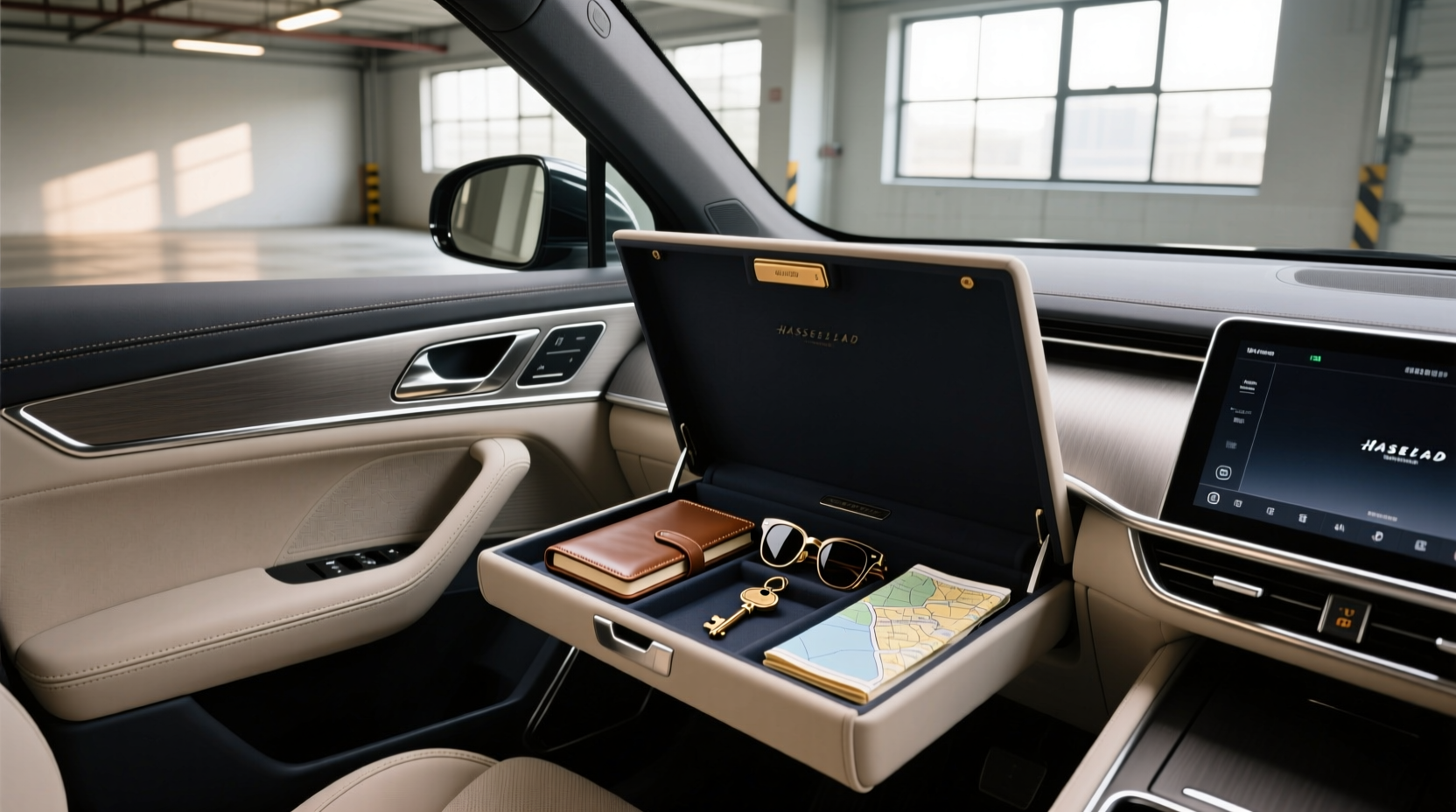
When searching for better ways to organize your vehicle, you might come across terms like 'glove box car' and 'car drawer system'. While the glove box is a standard compartment usually located in the dashboard, many drivers are now turning to custom slide-out drawers for improved accessibility and storage capacity behind the seats or in the cargo area ⚙️. This guide breaks down what these systems are, how they differ from traditional glove compartments, and whether adding a drawer system makes sense for your driving needs ✅.
Understanding the Basics: What Is a Glove Box in a Car?
The term "glove box car" typically refers to the enclosed compartment on the passenger side of the dashboard. Historically, it was used to store driving gloves—hence the name—but today it holds items like registration papers, manuals, sunglasses, or small tools 🧰. It's accessible only from the front cabin and generally has limited space.
Unlike aftermarket drawer solutions, the factory-installed glove box is not designed for heavy-duty organization or quick access to gear during outdoor adventures. Its primary function remains document and small-item storage, often with a lock for security 🔐. However, due to its fixed size and location, it doesn't meet the needs of drivers who carry equipment for camping, off-roading, or work-related tasks.
What Is a Car Drawer System? (And Why It’s Not the Same as a Glove Box)
A vehicle drawer system—often searched as 'car drawer' or 'inside car drawer'—is an aftermarket storage solution installed in the rear cargo area, under the load floor, or beside the driver/passenger seat 🚗. These sliding units allow easy access to tools, emergency kits, recovery gear, cooking supplies, or medical equipment without having to dig through bags or piled-up boxes.
While both glove boxes and drawer systems serve storage purposes, they differ significantly in design, capacity, and use case:
| Feature | Glove Box | Car Drawer System |
|---|---|---|
| Location | Dashboard (front passenger side) | Rear cargo area, under seats, or side-mounted |
| Capacity | Small (fits documents, gloves, snacks) | Large (can hold toolkits, coolers, camping gear) |
| Accessibility | Limited; opens manually | Full extension slides for full visibility |
| Installation | Factory-integrated | Aftermarket; may require drilling or mounting brackets |
| Use Case | Daily commuting, paperwork, minor storage | Overlanding, road trips, fieldwork, emergency response |
| Customization | None | High (modular trays, dividers, power outlets) |
Common Use Cases for Vehicle Drawer Systems
Many users exploring the idea of a "car drawer" are looking to solve real-world problems related to disorganization and inefficiency in their vehicles 👥. Here are some typical scenarios where drawer systems outperform glove boxes:
- Off-Road and Overlanding Trips: When traveling remotely, quick access to recovery straps, tire repair kits, or first aid supplies can be critical. Slide-out drawers keep everything visible and organized ✨.
- Work Vehicles: Contractors, technicians, and delivery drivers benefit from secure, labeled compartments for tools and spare parts, reducing clutter and loss ⚡.
- Families on Road Trips: Storing baby bottles, toys, wipes, and snacks in dedicated drawers prevents mess and saves time while driving 🌍.
- Pet Transport: Some owners install drawers beneath dog cages for leashes, food containers, and waste bags, especially in SUVs or wagons with cargo organizers 🐶.
Types of Car Drawer Systems Available
Not all drawer systems are created equal. Understanding the types available helps you choose one that fits your vehicle model and lifestyle needs:
1. Fixed vs. Sliding Drawers
Fixed bins are cheaper but limit access to rear contents. Sliding drawers, often equipped with ball-bearing runners, extend fully so you can reach items at the back without unloading the entire unit 🔧.
2. Single vs. Multi-Drawer Units
A single large drawer works well for bulky gear like sleeping bags. Multi-drawer setups offer tiered organization—one level for tools, another for food, and a top tray for frequently used items.
3. Universal vs. Vehicle-Specific Designs
Universal kits can fit various models but may require modification. OEM-fit systems are tailored to specific vehicles (e.g., Toyota 4Runner, Land Rover Discovery) and install more easily with no cutting required 🏭.
4. Material & Build Quality
Common materials include:
- Aluminum: Lightweight and corrosion-resistant, ideal for marine environments or snowy climates.
- Steel: Durable and strong, but heavier and prone to rust if not coated.
- Plastic/Polymer: Affordable and moisture-proof, suitable for light-duty use (e.g., Atmacha Curver-style units).
How to Install a Car Drawer System: Key Considerations
Installing a drawer system isn’t always plug-and-play. Before purchasing, consider the following factors:
Vehicle Compatibility
Measure your cargo space carefully. The width of a drawer can range from 60 cm to over 90 cm, depending on the make and model 1. Check wheel well placement, fuel tank position, and spare tire location to avoid interference.
Floor Strength and Mounting Points
Some SUVs have reinforced subfloors; others rely on thin sheet metal. If your vehicle lacks structural support, reinforce the base with plywood or aluminum plates before installing heavy drawers.
Weight Capacity
Ball-bearing slides typically support 50–100 lbs per drawer. Always check manufacturer specs and stay below the limit to prevent sagging or derailment over time ⚖️.
DIY vs. Professional Installation
Modular kits like Boxio or LR Live designs allow DIY assembly using basic tools ⏱️. More complex systems (e.g., Goose Gear or ARB) may require professional help for precise alignment and safety certification.
Can You Add a Drawer System to Any Car?
Technically, yes—but practicality varies by vehicle type:
- SUVs and Wagons: Best suited due to flat cargo floors and ample space (e.g., Subaru Outback, Honda Pilot).
- Trucks: Crew cab pickups (Ford F-150, RAM 1500) can accommodate bed-mounted or cab-under drawers.
- Compact Cars: Limited room makes full drawers impractical. Instead, consider collapsible bins or seat-back organizers.
- Vans: Ideal for custom builds (e.g., Mercedes Sprinter, Ford Transit), where modular drawer walls create efficient mobile workspaces.
If your car lacks sufficient clearance, look into under-seat gliders or fold-down tables that mimic drawer functionality without permanent installation.
Benefits of Upgrading Beyond the Glove Box
Expanding beyond the standard glove box car setup offers several advantages:
- Improved Safety: Secured drawers prevent loose objects from becoming projectiles during sudden stops.
- Better Ergonomics: No more bending into the trunk; pull out the drawer and access contents at waist level.
- Enhanced Organization: Custom inserts let you designate spaces for batteries, chargers, knives, or medical kits.
- Time Savings: Retrieve what you need in seconds instead of unpacking multiple bags.
- Resale Value: Well-designed storage adds utility appeal when selling a used vehicle.
Drawbacks and Common Mistakes to Avoid
Despite the benefits, there are potential downsides to installing a drawer system:
- Reduced Cargo Space: Drawers take up volume otherwise used for luggage or groceries. Balance storage needs with usability.
- Cost: Quality systems range from $300 to over $2,000. Budget options may compromise durability.
- Improper Weight Distribution: Heavy rear drawers can affect handling, especially in smaller SUVs. Distribute weight evenly and avoid overloading.
- Voiding Warranty: Drilling into factory panels may void trim or structural warranties. Consult your dealer first.
- Over-Customization: Adding too many features (e.g., built-in sinks, stoves) increases complexity and maintenance needs.
Alternatives to Full Drawer Systems
If a full drawer build isn’t feasible, consider these alternatives:
- Collapsible Storage Bins: Fold flat when empty, great for temporary use.
- Magnetic Organizers: Attach to metal surfaces inside doors or under seats.
- Hanging Cargo Nets: Keep boxes from shifting during transit.
- Seat-Back Pockets: Store tablets, books, or snacks within reach.
- Roof Boxes or Hitch-Mounted Crates: Free up interior space while keeping gear protected from weather.
How to Maintain Your Car Drawer System
To ensure longevity, perform regular maintenance:
- Clean Tracks Monthly: Wipe dust and debris from slide mechanisms using a dry cloth.
- Lubricate Bearings: Apply silicone-based lubricant every 6 months for smooth operation.
- Inspect Fasteners: Tighten screws and bolts annually, especially after off-road use.
- Check Load Limits: Reassess contents periodically to avoid overloading.
- Prevent Moisture Buildup: Use silica gel packs or ventilation mats if storing in humid areas.
Regional Differences and Trends
Interest in vehicle drawer systems varies globally:
- Australia and New Zealand: High adoption due to popularity of 4WD touring and remote travel (e.g., Drifta, ARB brands).
- North America: Growing among overlanders and outdoor enthusiasts, particularly in mountainous or rural regions.
- Europe: More common in commercial vans than personal cars, reflecting work-focused usage patterns.
- Middle East and Africa: Used in expedition vehicles for desert navigation and wildlife conservation efforts.
In countries with extensive unpaved roads or long-distance driving cultures, investment in durable storage solutions is seen as essential rather than optional.
Debunking Common Misconceptions About Car Drawers
Several myths persist about vehicle drawer systems:
- Misconception 1: "They’re only for off-roaders."
Reality: Urban professionals, parents, and pet owners also benefit from organized storage. - Misconception 2: "All drawers are waterproof."
Reality: Most are water-resistant but not fully sealed. Protect electronics with additional cases. - Misconception 3: "You need a big SUV to install one."
Reality: Compact systems exist for hatchbacks and sedans, though with reduced capacity. - Misconception 4: "They’re impossible to remove."
Reality: Many are bolt-in designs that can be unbolted and transferred to a new vehicle.
How to Choose the Right Drawer System for Your Needs
Follow this decision checklist before buying:
- Define Your Use Case: Are you camping, working, or just organizing family gear?
- Measure Available Space: Include height, width, depth, and obstructions.
- Set a Realistic Budget: Factor in installation costs if going pro.
- Research Vehicle Fit: Look for user forums or YouTube reviews showing installations on your exact model.
- Evaluate Materials: Prioritize corrosion resistance if in coastal or snowy areas.
- Check Return Policy: Buy from suppliers offering returns in case of fitment issues.
Final Thoughts: Is a Car Drawer Worth It?
For most drivers, the factory glove box car is insufficient for anything beyond basic document storage. If you regularly transport tools, outdoor gear, or child/pet supplies, investing in a well-designed drawer system can dramatically improve convenience, safety, and efficiency.
However, it’s important to assess your actual needs versus perceived ones. A full slide-out module may be overkill for city commuters who rarely leave paved roads. On the other hand, frequent travelers or field workers will likely find the upgrade indispensable.
Ultimately, whether you opt for a simple plastic drawer or a marine-grade stainless steel workstation, the goal is smarter storage that matches how you truly use your vehicle.
Frequently Asked Questions (FAQs)
- What is a drawer in a car called?
A drawer in a car is commonly referred to as a vehicle drawer system, slide-out cargo drawer, or in-car storage drawer. It should not be confused with the dashboard glove box. - Can I install a car drawer myself?
Yes, many modular systems are designed for DIY installation using basic tools. However, complex builds involving welding or electrical integration may require professional help. - Are car drawer systems safe during accidents?
When properly secured to the vehicle frame, drawer systems are safe. They must include locking mechanisms to prevent opening during sudden stops or rollovers. - Do drawer systems work in small cars?
Limited space makes full drawers challenging, but compact under-seat gliders or foldable bins offer similar functionality in sedans and hatchbacks. - How do I clean and maintain a car drawer?
Wipe down surfaces monthly, clean slide tracks with a dry brush, and lubricate bearings semi-annually. Avoid harsh chemicals that could damage finishes or seals.




 浙公网安备
33010002000092号
 浙B2-20120091-4