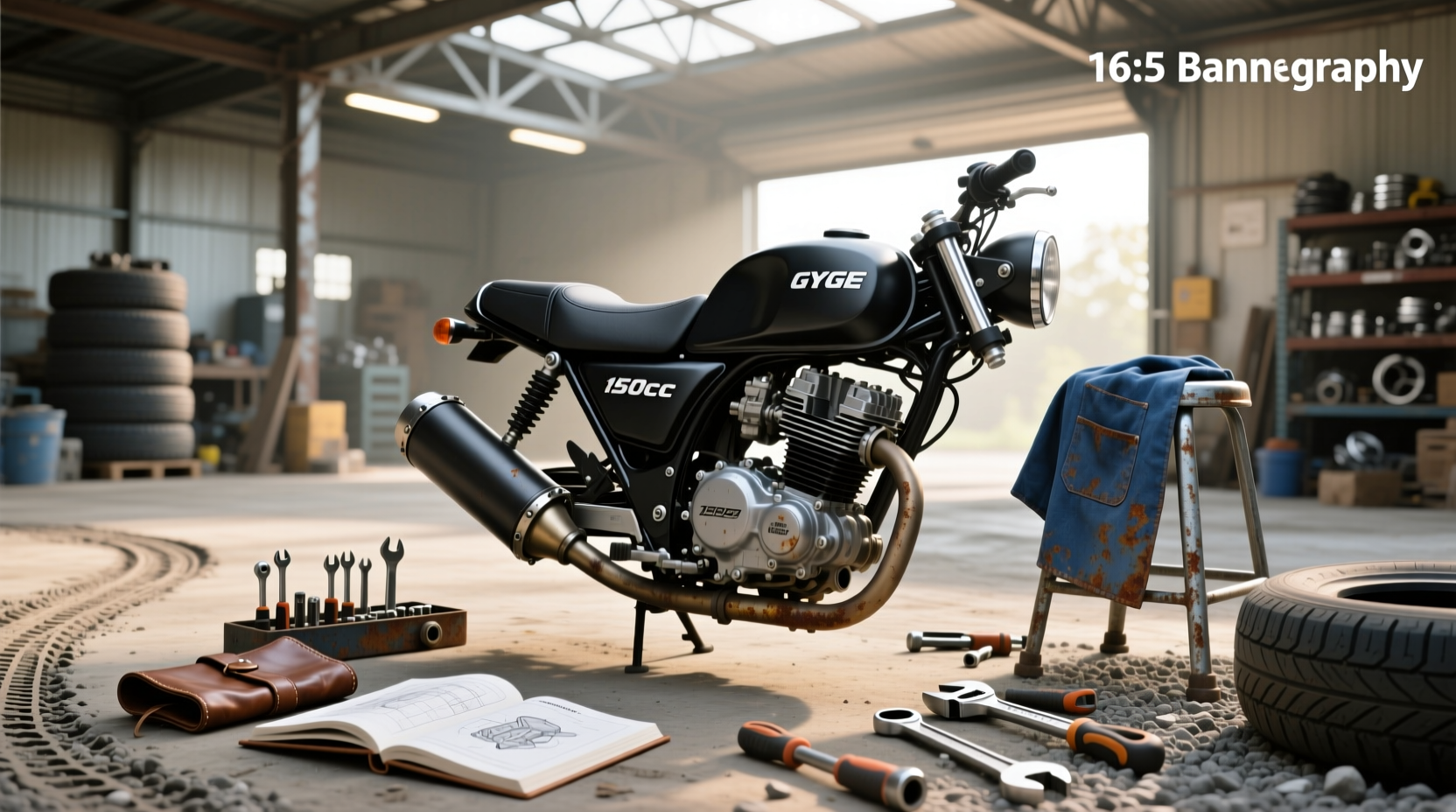
If you're searching for a GY6 150cc exhaust system, you're likely looking to improve performance, replace a damaged muffler, or reduce noise from your Chinese-made scooter or go-kart. The right exhaust can influence horsepower, fuel efficiency, and overall engine behavior—but choosing one isn't just about power gains. Fitment compatibility, material durability, backpressure balance, and local noise regulations all play critical roles in making the right decision. This guide breaks down everything you need to know before buying or upgrading your GY6 150cc exhaust, including common models, performance expectations, installation considerations, and key pitfalls to avoid.
Understanding the GY6 150cc Engine Platform
The GY6 engine platform is one of the most widely used 4-stroke engines in small-displacement scooters, mopeds, and utility vehicles worldwide. Originally developed by Honda for their Jazz and Today models, the design has been extensively cloned and adapted across China and other manufacturing hubs. The 150cc variant (often labeled as 152QMJ or 157QMJ) is especially popular due to its balance of torque, reliability, and highway legality in many regions.
🔧 Key Features of the GY6 150cc Engine:
- Air-cooled, single-cylinder, overhead cam (OHC)
- Automatic CVT transmission
- Typically produces 9–12 HP stock
- Used in brands like Tao Tao, SunL, Baja, Kymco, Vento, and generic imports
- Standard header flange and mounting points allow for aftermarket compatibility
Because of this standardization, the market for GY6 150cc exhaust upgrades is vast—but not all systems are created equal. Understanding how exhausts interact with engine dynamics is essential before making a purchase.
How an Exhaust System Affects GY6 150cc Performance
An exhaust system does more than route gases away from the engine—it plays a crucial role in scavenging efficiency, backpressure management, and tuning the engine’s power band. Replacing the stock muffler with a performance unit can alter these factors significantly.
Backpressure: Why It Matters
⚙️ Stock exhausts are designed with higher backpressure to meet emissions and noise standards. While this ensures smooth low-end operation, it restricts exhaust flow at higher RPMs, limiting top-end power.
Performance exhausts reduce backpressure through larger-diameter piping and free-flowing baffles. However, too little backpressure can hurt low-end torque and cause exhaust blowback, especially on unmodified engines. For mildly tuned GY6 engines, a moderate-performance exhaust often provides the best compromise.
Scavenging Effect and Power Band Shift
When exhaust pulses exit the cylinder, they create a vacuum wave that helps pull out residual gases and even draw in fresh air-fuel mixture during valve overlap. This is known as scavenging. Well-tuned headers and expansion chambers enhance this effect.
⚡ What to Expect:
- Improved mid-to-high RPM power
- Potential loss of low-end responsiveness if mismatched
- Increased engine temperature without proper tuning
- Need for carburetor jetting adjustments after installation
📌 Note: Simply bolting on a loud exhaust without adjusting fuel delivery or ignition timing rarely yields optimal results—and may trigger check-engine behavior on EFI-equipped models.
Types of GY6 150cc Exhaust Systems
Not all exhausts serve the same purpose. Below are the main categories available in the market, each suited to different use cases and modification levels.
1. Stock Replacement Mufflers
🛒 Best for: Riders needing a direct-fit replacement due to rust, damage, or corrosion.
- Fits OEM hangers and header pipe
- Maintains factory sound levels and emissions compliance
- Typically made from steel with chrome plating or black coating
- Price range: $30–$80
✅ Pros: Reliable fit, quiet operation, affordable
❌ Cons: No performance gain, prone to rust over time
2. Short Performance Exhausts
✨ Best for: Scooter owners seeking mild performance gains with minimal modifications.
- Compact design fits under most body panels
- Free-flowing internals boost midrange power
- Often includes heat shield
- Commonly sold by brands like Monster Scooter Parts, MMG, RedCap
- Price range: $50–$90
✅ Pros: Noticeable throttle response improvement, easy install
❌ Cons: May require rejetting; slightly louder than stock
3. Full System Performance Exhausts
⚡ Best for: Tuned engines aiming for maximum horsepower gains.
- Includes header pipe, mid-pipe, and high-flow muffler
- Optimized for scavenging and reduced turbulence
- Available in stainless steel or carbon fiber wraps
- Higher cost reflects better materials and engineering
- Price range: $90–$250+
✅ Pros: Best performance potential, durable construction
❌ Cons: Expensive, requires full system replacement, likely needs ECU remap or carb tuning
4. Universal and Go-Kart Style Pipes
🔧 Best for: Custom builds, go-karts, or non-standard chassis setups.
- Not model-specific; may require custom mounting
- Straight-through designs prioritize flow over noise control
- Common in racing or off-road applications
- Can be difficult to install without fabrication skills
✅ Pros: Highly customizable, aggressive sound
❌ Cons: Poor fitment on scooters, may violate noise laws
| Type | HP Gain Estimate | Difficulty | Noise Level | Price Range |
|---|---|---|---|---|
| Stock Replacement | 0 HP | Easy | Low | $30–$80 |
| Short Performance | +1–2 HP | Easy–Moderate | Medium | $50–$90 |
| Full System | +2–4 HP | Moderate–Hard | High | $90–$250+ |
| Universal/Kart Pipe | Varies | Hard | Very High | $40–$120 |
Material Differences: Steel vs. Stainless Steel vs. Coated Aluminum
The material used in your GY6 150cc exhaust impacts longevity, weight, and appearance.
- Carbon Steel (Painted/Coated): Most common in budget systems. Prone to rust over time, especially near welds and baffle ends.
- Stainless Steel: Resists corrosion, lasts longer, but costs more. Ideal for wet climates or daily riders.
- Aluminum-Clad or Ceramic-Coated: Offers heat resistance and aesthetic appeal. Not structural—just a surface layer over steel.
🏭 Pro Tip: Avoid exhausts with thin-wall tubing (<2mm). Thicker walls resist warping and maintain shape under heat cycles.
Fitment Compatibility: Will It Work on Your Scooter?
One of the biggest concerns when shopping for a GY6 150cc exhaust replacement is whether it will physically fit your model. Despite the standardized engine layout, body panel clearance varies between manufacturers.
📍 Common Fitment Issues:
- Upswept pipes interfere with rear fenders or side covers
- Long mufflers extend beyond frame rails on compact scooters
- Mounting bracket position differs between brands (e.g., Tao Tao vs. SunL)
✅ How to Verify Fitment:
- Check product specs for compatible models (e.g., “Fits Tao Tao PowerMax 150”)
- Compare dimensions (length, height, diameter) with your current exhaust
- Look for photos or reviews from users with the same scooter brand
- Contact seller with your VIN or model number if unsure
👥 Community Insight: Some riders report success using MMG or RedCap short exhausts across multiple brands due to their compact design and flexible hanger placement.
Performance Upgrades That Pair Well With a New Exhaust
Installing a new exhaust alone won’t unlock major performance gains unless paired with supporting modifications. Here’s what works well together:
Carburetor Jetting Adjustment
After reducing backpressure, more air flows through the engine. Without increasing fuel delivery, the mixture runs lean—leading to overheating and potential engine damage.
🔧 Recommended steps:
- Increase main jet size by 2–4 numbers (e.g., from 110 to 114)
- Adjust air screw for idle stability
- Monitor spark plug color: tan = ideal, white = too lean, black = too rich
Performance Air Filter
Pairing a free-flow exhaust with a high-flow air filter (like a foam pod) balances intake and exhaust efficiency. This combo supports better breathing across the RPM range.
CDI and Ignition Timing
Advanced users may benefit from a performance CDI that advances timing at higher RPMs, complementing the powerband shift caused by the exhaust.
Big Bore Kit (for serious builds)
If planning a displacement increase (e.g., 170cc or 180cc kit), invest in a full exhaust system early—it will be required anyway.
Legal and Noise Considerations
While louder exhausts attract attention, they may not be legal everywhere.
📌 U.S. Federal and State Regulations:
- Federal law prohibits removal of functioning stock mufflers
- Many states enforce noise limits (typically 80–96 dB at idle or drive-by)
- Some counties ban straight-piped or unbaffled systems
❗ Violating noise ordinances can result in fines or failed inspections. Check your local DMV or transportation department website for specific rules.
🌍 International Note: EU and UK regulations are stricter, requiring EC-type approval for any replacement exhaust. Non-compliant systems may void insurance coverage.
Installation Tips for DIYers
You don’t need a mechanic to replace a GY6 exhaust—but doing it right prevents leaks and vibration issues.
Tools Needed:
- Wrench set (usually 14mm and 17mm)
- New exhaust gasket (don’t reuse old ones)
- Penetrating oil (if bolts are rusted)
- Anti-seize compound (for threads)
Step-by-Step Process:
- Let engine cool completely
- Spray header-to-exhaust bolt with penetrating oil
- Remove retaining clamp and disconnect muffler
- Clean mating surfaces; inspect for cracks
- Install new gasket and position new exhaust
- Tighten securely but avoid over-torquing
- Start engine and check for leaks (listen for ticking sounds)
⏱️ Average time: 20–40 minutes for experienced users.
Top Brands and Where to Buy
Several reputable suppliers offer reliable GY6 150cc exhaust systems, though availability varies by region.
- Monster Scooter Parts: Known for short performance systems with good fitment data.
- MMG: Budget-friendly option with wide compatibility.
- RedCap: Offers both standard and high-performance variants.
- Rolling Wrench: Premium stainless steel options for durability-focused buyers.
- gy6racing.com: Sells OEM and performance parts directly tied to engine specs.
🌐 When purchasing online, look for sellers who provide detailed fitment charts, clear return policies, and responsive customer support. Avoid listings with only stock photos and no real-world testing notes.
Common Misconceptions About GY6 Exhaust Upgrades
Despite widespread discussion in forums, several myths persist about exhaust performance.
Myth 1: “Louder Means Faster”
❌ Reality: Excessive noise usually indicates poor baffle design or lack of tuning. Real performance comes from efficient gas flow, not volume.
Myth 2: “Any Exhaust Fits Any GY6”
❌ Reality: While the engine flange is standardized, chassis geometry differs. Always verify clearance before buying.
Myth 3: “No Need to Tune After Installation”
❌ Reality: Changing exhaust flow alters air-fuel dynamics. Skipping jetting adjustment risks engine damage.
Maintenance and Longevity Tips
To get the most life out of your new exhaust:
- Inspect mounts and clamps monthly for looseness
- Clean exterior with mild soap; avoid pressure washing near seams
- Apply high-temp paint if coating chips
- Store scooter covered to minimize moisture exposure
🧼 Internal baffles can clog with carbon buildup. If power drops or sound changes drastically, disassemble and clean or replace the core.
Final Recommendations
Choosing the right GY6 150cc exhaust depends on your goals:
- 🔧 Replacing a broken muffler? Stick with a direct-fit stock-style unit.
- 🚀 Seeking mild performance? Opt for a short performance exhaust and rejet the carb.
- 🏁 Building a high-performance machine? Invest in a full stainless system and tune the entire intake/exhaust package.
- 🔇 Want to keep things quiet? Look for units labeled “street legal” or “baffled.”
Always prioritize fitment, material quality, and post-installation tuning over flashy branding or exaggerated claims. A well-chosen exhaust enhances rideability—not just noise output.
Frequently Asked Questions (FAQs)
- ❓ Can a GY6 150cc exhaust increase speed?
- A performance exhaust can improve throttle response and add 3–5 mph in top speed when combined with proper tuning. Alone, gains are minimal.
- ❓ Do I need to rejet the carburetor after installing a new exhaust?
- Yes. Reduced backpressure increases airflow, requiring more fuel. Failure to rejet can lead to a lean condition and engine damage.
- ❓ Are stainless steel exhausts worth the extra cost?
- For riders in rainy climates or those keeping their scooter long-term, yes. Stainless resists rust and maintains resale value.
- ❓ Will a new exhaust pass inspection?
- It depends on local laws. Baffled, street-legal systems typically comply. Straight pipes or de-baffled mufflers often fail emissions or noise tests.
- ❓ How do I know if an exhaust fits my scooter model?
- Check manufacturer fitment charts, compare dimensions, and read user reviews from owners with the same brand/model.




 浙公网安备
33010002000092号
 浙B2-20120091-4