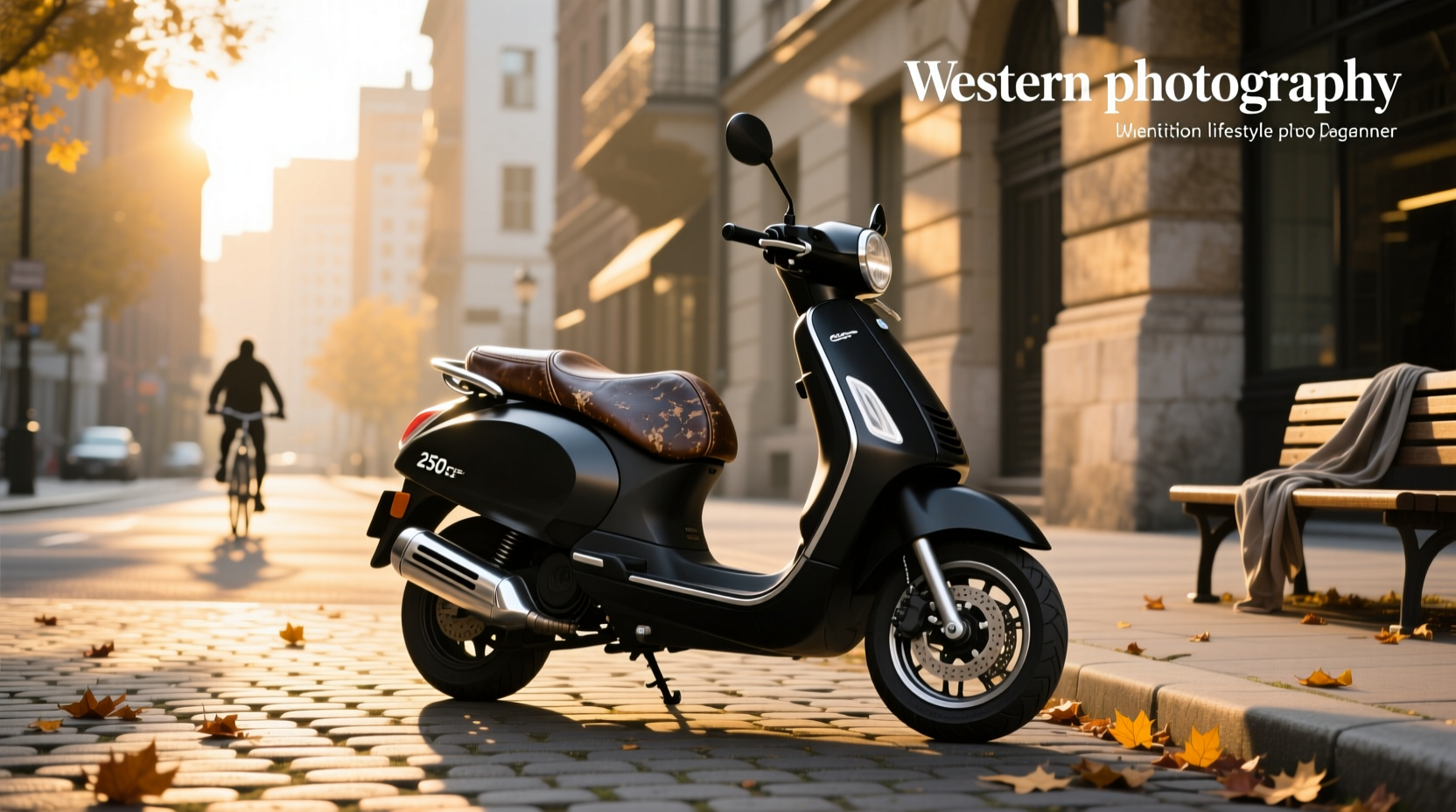
If you're searching for a reliable, scalable powerplant for custom builds like go-karts, ATVs, or high-performance scooters, the motor GY6 250cc represents a logical upgrade path from the widely used 150cc variant. While not as commonly mass-produced as its smaller sibling, the 250cc version leverages the proven GY6 architecture—offering increased torque, better hill-climbing ability, and enhanced durability when modified correctly ⚙️. This guide explores everything you need to know about the GY6 250cc engine: its design origins, technical specifications, real-world applications, performance tuning potential, compatibility considerations, and key differences compared to 150cc models.
Understanding the GY6 Engine Platform
The term "GY6" originally referred to a Honda-designed engine platform introduced in the early 2000s for use in small displacement scooters such as the Honda Lead 100 and Honda Dio. Over time, the design was widely cloned and adapted by manufacturers across Asia, particularly in China, leading to what is now known as the universal GY6 engine family 🌐. These engines are four-stroke, single-cylinder units with overhead camshafts (OHC), typically mounted horizontally beneath the floorboard of scooters.
Despite variations in displacement—from 50cc up to 300cc—the core architecture remains remarkably consistent: same mounting points (typically 54mm stud spacing), similar CVT transmission layout, shared carburetor types, and standardized electrical systems. This interchangeability makes the GY6 one of the most versatile small engines ever produced ✅.
Is There a True 'Motor GY6 250cc' Factory Model?
Unlike the GY6 150cc, which is a standard factory configuration found on thousands of scooters worldwide, the motor GY6 250cc does not exist as an original mass-market OEM product from major scooter brands like Honda or Yamaha. Instead, it refers almost exclusively to aftermarket or custom-built enlarged versions of the base GY6 engine block 🔧.
These larger-displacement engines are created through what’s known as a big bore kit installation. A typical build involves replacing the stock cylinder, piston, and head with components designed to increase displacement—often taking a 150cc or 175cc GY6 engine to 200cc, 230cc, or even 250cc+. So while there's no factory-made “GY6-250” model per se, the concept is very real within the performance tuning community.
How a GY6 250cc Conversion Works
To achieve a true 250cc output, builders usually start with a long-case GY6 engine (such as the BN157QMJ) and install:
- A larger diameter cylinder barrel (e.g., 68mm–72mm bore)
- A matching forged or cast piston
- An upgraded cylinder head with improved porting and valve size
- Reinforced connecting rod (optional but recommended)
- High-flow air filter and performance exhaust system
- Tuned carburetor or fuel injection setup
This process transforms the engine into a high-torque unit capable of delivering significantly more power than stock configurations ⚡.
Gy6 250cc vs 150cc: Key Differences and Performance Gains
Understanding how the motor gy6 250cc compares to the standard 150cc version helps determine whether such a modification is worth pursuing for your project. Below is a detailed comparison based on real-world performance metrics and mechanical changes.
| Feature | GY6 150cc (Stock) | GY6 250cc (Modified) |
|---|---|---|
| Displacement | 149–157cc | ~230–250cc |
| Bore x Stroke | 57.4mm × 57.8mm | 68–72mm × 63–66mm (varies) |
| Horsepower | 9–11 HP | 16–22 HP (depending on tune) |
| Torque | 8–9 Nm @ 6,000 RPM | 14–18 Nm @ 6,500–7,500 RPM |
| Fuel System | Carbureted (typically 12–14mm) | Upgraded carb (16–20mm) or EFI conversion |
| Top Speed (Scooter) | 55–65 mph (88–105 km/h) | 70–85 mph (113–137 km/h) |
| Use Case | Urban commuting, light loads | Racing karts, off-road buggies, highway scooters |
As shown above, upgrading to a gy6 250cc engine results in substantial gains in both horsepower and torque, making it suitable for heavier vehicles or those requiring sustained higher speeds.
Power Delivery and Riding Experience
The increased displacement allows the engine to produce usable power at lower RPMs, reducing strain during acceleration and hill climbing. However, this also places greater stress on internal components, especially if cooling and lubrication aren’t optimized. Many users report smoother throttle response and reduced engine vibration after balancing the crankshaft and installing performance clutches.
Common Applications of the Motor GY6 250cc
Because the GY6 250cc is not a factory-installed engine in most consumer scooters, its primary use lies in specialized or DIY projects. Here are the most common applications where this engine shines:
🚜 Custom Go-Karts and Mini Buggies
One of the most popular uses for a modified GY6 250cc engine is in recreational or racing go-karts. With proper gearing and chassis tuning, these engines can propel lightweight frames to speeds exceeding 70 mph. The horizontal orientation of the engine simplifies drivetrain integration with CVT transmissions and chain final drives.
🛵 High-Performance Scooter Builds
Enthusiasts seeking faster, longer-range scooters often retrofit large-frame models (like the Lance Drifter or Tao Tao ATM) with 250cc big bore kits. When paired with upgraded suspension, brakes, and bodywork, these become street-legal commuter machines capable of keeping pace with traffic on highways.
🛻 Off-Road Utility Vehicles and UTVs
In rural areas or industrial settings, small utility carts powered by modified GY6 engines offer cost-effective mobility. A 250cc version provides enough torque to carry moderate loads over rough terrain without frequent stalling—a significant advantage over smaller engines.
🔧 DIY Engine Swaps and Crate Motors
Some companies now sell pre-assembled “crate motors” based on the GY6 platform, including drop-in-ready units advertised as “150cc performance engines” that can be further upgraded. While true 250cc crate engines are rare, several vendors offer complete long-case GY6 blocks already bored out and fitted with performance parts, effectively serving as a foundation for a 250cc build 1.
Technical Specifications of a Typical GY6 250cc Build
Since no universal standard exists for the motor gy6 250cc, specifications vary depending on the builder and component selection. However, a well-executed build generally includes the following features:
- Engine Type: Air-cooled or liquid-cooled, 4-stroke SOHC single cylinder
- Displacement: 230–250cc (achieved via big bore kit)
- Bore x Stroke: ~69mm × 66mm (example)
- Compression Ratio: 10:1 to 12:1 (higher for performance tuning)
- Ignition System: CDI electronic ignition (DC or AC type)
- Starting Method: Electric start (standard), kickstart (optional)
- Lubrication: Wet sump with high-flow oil pump
- Transmission: Automatic CVT with centrifugal clutch
- Output Shaft: 11” or 13” wheel axle options available
- Stator Output: 11-pole stator producing 80W–120W charging capacity
- Mounting Pattern: Standard 54mm stud spacing (A-block compatible)
These specs make the engine highly adaptable for various chassis types, provided adequate space and cooling are ensured.
Challenges and Limitations of Using a GY6 250cc Engine
While powerful and flexible, the gy6 250cc motor isn't without drawbacks. Understanding these limitations helps avoid costly mistakes or unsafe modifications.
⚠️ Cooling and Overheating Risks
Most GY6 engines were originally designed for air-cooling at lower outputs. Increasing displacement without improving heat dissipation can lead to overheating, especially in stop-and-go traffic or under load. Solutions include adding oil coolers, upgrading to liquid-cooled heads, or installing forced-air fans.
🔩 Durability Concerns with Stock Internals
Using stock pistons, rods, or cranks beyond their intended limits increases the risk of mechanical failure. For sustained 250cc operation, forged internals, balanced rotating assemblies, and reinforced cases are strongly advised.
📏 Space and Mounting Constraints
Although the external dimensions remain largely unchanged, some big bore kits extend slightly outward. Always verify clearance with surrounding frame members, swingarms, and body panels before installation.
⛽ Fuel Efficiency Drop
Expect fuel economy to decrease from the stock ~70 mpg (3 L/100km) to around 45–55 mpg (5–6 L/100km) due to increased displacement and airflow demands.
How to Choose Components for a Reliable GY6 250cc Build
Building a durable and efficient motor gy6 250cc requires careful part selection. Below are key guidelines:
🔍 Cylinder and Piston Kit
Select a reputable brand offering CNC-machined aluminum cylinders with chrome-plated bores. Avoid thin-walled cast iron liners prone to warping. Look for kits labeled “250cc big bore,” but confirm actual displacement based on bore/stroke measurements.
🎛️ Carburetor and Intake
A 16mm to 20mm constant-velocity (CV) carburetor is ideal. Pair it with a velocity stack and high-flow air filter. Consider rejetting or using a fuel controller if switching to electronic fuel injection (EFI).
🔥 Exhaust System
Install a free-flowing performance header and muffler tuned for mid-to-high RPM power. Backpressure should be minimized without sacrificing low-end torque.
🔋 Electrical Upgrades
Ensure the stator can handle added electrical loads (lights, gauges, USB ports). An 80W+ output is recommended for full lighting systems.
🛡️ Safety and Compliance
If used on public roads, verify local regulations regarding engine size, noise levels, and emissions. Some jurisdictions classify vehicles with engines over 150cc differently, affecting registration and insurance requirements.
Where to Buy a GY6 250cc Engine or Conversion Kit
True turnkey gy6 250cc engines are scarce, but several suppliers offer complete big bore kits or pre-modified long-case engines suitable for immediate installation:
- Rolling Wrench: Offers high-quality long-case GY6 engines ready for performance upgrades 2.
- ScooterTuning.ca: Sells engine mounts and compatible long-case blocks ideal for big bore conversions.
- Mercado Libre Mexico: Lists numerous GY6 motor listings, including 125cc to 150cc units that can be upgraded 3.
When purchasing, always check seller ratings, warranty terms, and shipping policies. International orders may incur customs fees or import taxes.
FAQs About the Motor GY6 250cc
Can I install a GY6 250cc engine in a standard scooter?
Yes, but only if the scooter has a large-enough frame and sufficient cooling. Most 150cc scooters can accept the engine physically due to identical mounting patterns, but structural reinforcement and improved ventilation may be necessary.
How much horsepower does a GY6 250cc engine produce?
A properly tuned GY6 250cc engine typically produces between 16 and 22 horsepower, depending on the quality of components, compression ratio, and tuning.
Are all GY6 engines interchangeable?
Most GY6 engines share the same 54mm stud spacing and basic layout, making them largely interchangeable. However, differences in case length (short vs. long), starter type (AC/DC), and stator output must be checked before swapping.
Do I need a new CVT belt after upgrading to 250cc?
Yes. Higher torque output can degrade standard belts quickly. Use a reinforced Kevlar or carbon-fiber CVT belt rated for high-performance applications.
Is the GY6 250cc engine reliable?
When built with quality parts and properly maintained, a GY6 250cc engine can be very reliable. However, pushing stock internals beyond their limits reduces lifespan. Regular oil changes and inspections are critical.




 浙公网安备
33010002000092号
 浙B2-20120091-4