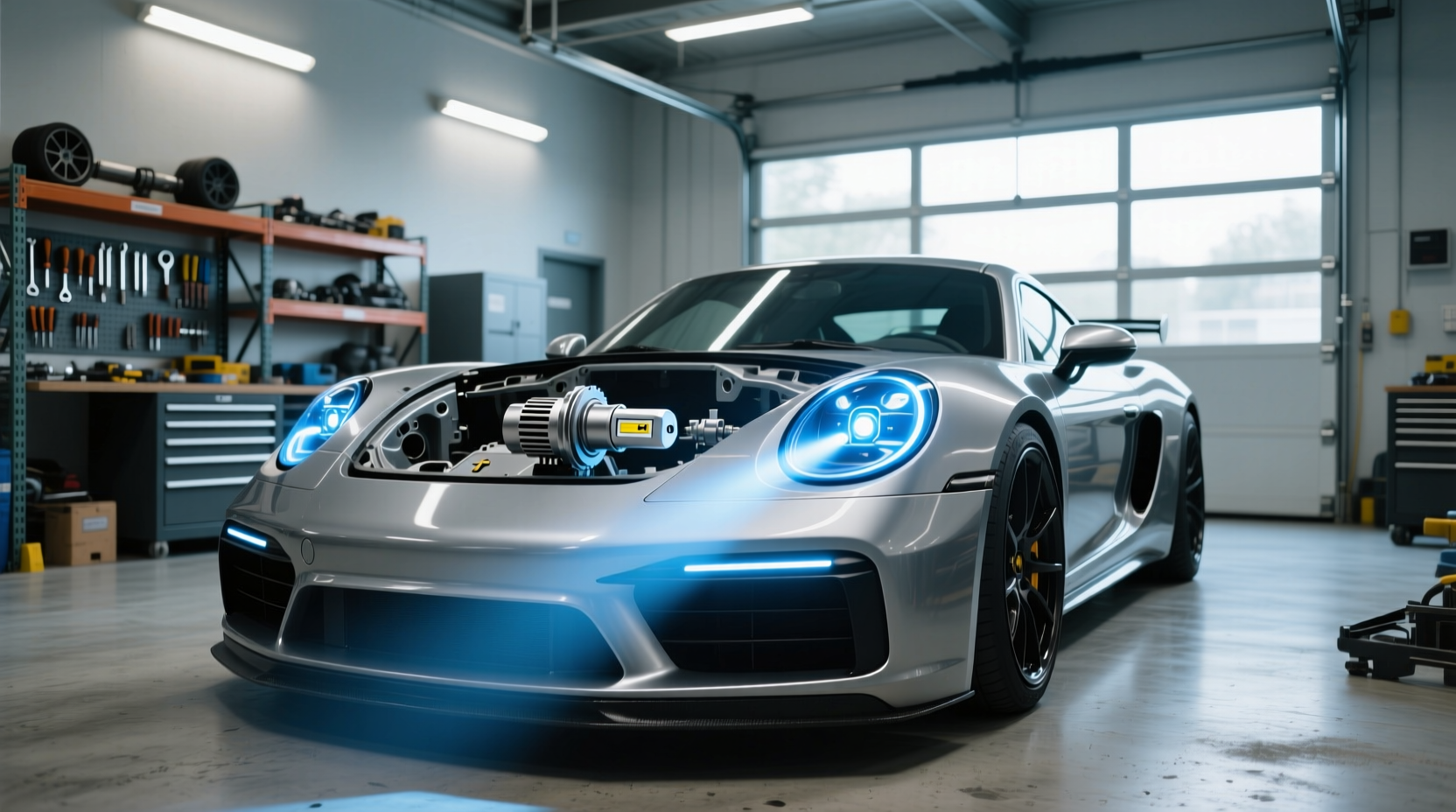
Upgrading your vehicle's lighting system with H1 LED bulbs for projector headlight setups is a popular modification among drivers seeking improved visibility and modern aesthetics. However, not all LED bulbs perform equally well in projector housings, and improper selection can lead to poor beam patterns, excessive glare, or even electrical compatibility issues. The key question many drivers face is: Are H1 LED bulbs truly suitable for projector headlights? The answer depends on several factors—including bulb size accuracy, heat management, beam alignment, and whether the LED design matches the optical requirements of the projector lens. This guide breaks down everything you need to know before making the switch from halogen to LED in an H1-based projector headlight system.
Understanding H1 Bulb Base and Projector Headlight Design
The H1 bulb is a single-filament halogen bulb commonly used for high-beam applications in older and some modern vehicles, especially European and Asian models like certain Hyundai, Kia, and商用车 (commercial vehicle) platforms. It features a P14.5s base and operates at 12V or 24V depending on the application. Historically designed for use in reflector or projector optics, the H1’s long, tubular shape emits light from a centralized filament positioned precisely within the housing to optimize focus.
Projector headlights, unlike traditional reflector types, use a convex lens and cutoff shield to create a sharp horizontal beam pattern that minimizes glare for oncoming traffic while maximizing road illumination. Because of this precision engineering, any replacement bulb—especially an LED—must replicate the original filament position (filament mapping) as closely as possible. Even minor deviations in LED chip placement can disrupt the beam pattern, causing hotspots, dark zones, or scattered light that reduces effectiveness and may be illegal in some regions.
When considering an H1 LED bulb for projector headlight use, it's essential to verify that the LED model is specifically engineered for projector compatibility. Many aftermarket LEDs prioritize brightness over optical accuracy, using large heat sinks or multi-chip arrays that shift the focal point away from the ideal location.
Why LED Bulbs Can Cause Problems in Projector Housings
Despite their energy efficiency and longevity, LED bulbs introduce unique challenges when retrofitted into halogen-designed projector systems. Here’s why:
- Filament Position Mismatch ⚙️: Halogen bulbs have a tightly controlled filament location. Most H1 LEDs use surface-mounted diodes (SMDs) arranged along a board or cylinder, which rarely align perfectly with the original filament plane. This misalignment distorts the beam cutoff, potentially blinding other drivers.
- Heat Sink Interference 🧰: To dissipate heat, many H1 LED bulbs include bulky aluminum heat sinks or fans. These can prevent full insertion into tight projector compartments or block airflow behind the headlight assembly.
- Electrical Compatibility ❗: Some H1 LED bulbs draw significantly less power than halogen counterparts (e.g., 20W vs. 55W), triggering 'bulb out' warnings due to CAN bus monitoring systems. While many modern LEDs include built-in resistors or decoders, not all function reliably across different makes and models.
- Directional Light Output ✨: Unlike omnidirectional halogen filaments, LEDs emit light directionally. If the LED array doesn’t mimic the 360° emission profile of the original bulb, shadows or uneven illumination may occur.
These issues are frequently discussed in automotive forums such as Reddit’s r/askcarguys, where users report problems like blown fuses after installing high-power H1 LEDs1, suggesting that exceeding circuit load limits—even indirectly through surge currents—is a real risk.
How to Choose the Right H1 LED Bulb for Projector Headlights
Selecting a compatible H1 LED bulb requires attention to technical specifications beyond just brightness (lumens) or color temperature (Kelvin). Consider these critical criteria:
1. True 1:1 Filament Simulation ✅
Look for bulbs advertised as “projector-ready” or “optical-grade,” which often feature tightly packed CSP (Chip-on-Substrate) LEDs arranged to simulate the length and position of a halogen filament. Brands like Diode Dynamics and Lasfit emphasize precise emitter placement for optimal beam control in projectors.
2. Compact Heat Management Design 🔧
Avoid oversized heat sinks unless you’ve confirmed clearance in your specific headlight housing. Fanless designs or those with low-profile passive cooling are generally safer for confined spaces. For example, some AUXITO H1 LED models claim mini-size construction to avoid interference2, though independent testing should confirm actual dimensions.
3. Beam Pattern Testing Results 🔍
Reputable manufacturers provide photometric data or real-world beam pattern images showing performance in both reflector and projector housings. A proper upgrade should maintain a clean horizontal cutoff without spikes above the line. Avoid bulbs marketed solely on lumen output (e.g., “60,000LM!”), as these figures are often exaggerated and irrelevant without context.
4. CAN Bus Error-Free Operation 🌐
If your vehicle uses electronic bulb monitoring, ensure the LED includes integrated error cancellation. Some models require external decoders, adding complexity and potential failure points. Check product details for terms like “CANbus ready” or “no flicker guarantee.”
5. Color Temperature for Visibility ⚡
While 6000K–6500K bulbs produce a crisp white-to-blue light often associated with luxury vehicles, they offer no advantage in wet conditions and can reduce contrast compared to warmer 5000K bulbs. For optimal nighttime visibility, especially in rain or fog, consider 5000K–5500K options that balance clarity and comfort.
| Feature | Recommended Spec | Risk of Ignoring |
|---|---|---|
| Filament Position Accuracy | Within ±2mm of OEM | Poor beam cutoff, glare |
| Heat Sink Size | Low-profile or fanless | Installation blockage, overheating |
| Power Draw | Match OEM wattage via resistor if needed | Error codes, fuse issues |
| Lumen Output | 3,000–5,000 lumens per bulb | Overdriving circuits, diminishing returns |
| Color Temp | 5000K–5500K | Reduced visibility in adverse weather |
Common Vehicle Applications and Fitment Notes
H1 bulbs are still found in various applications worldwide, including:
- Hyundai H1 / Starex / iLoad vans (2000s–2010s)
- Certain Mercedes-Benz commercial vehicles
- Some older BMW E39 and Audi A4 variants (high beam only)
- Aftermarket fog light kits
For example, upgrading a 2001–2013 Hyundai Elantra H1 high beam setup requires careful verification of headlight type. While some trims use projector-style units, others rely on reflector bowls where LED tolerances are more forgiving. Always inspect your current bulb position and housing design before purchasing.
In commercial fleets or work vans like the Hyundai iLoad, durability and vibration resistance are additional concerns. Look for IP65-rated seals and shock-absorbing mounts when selecting LEDs for heavy-duty use.
Installation Tips and Safety Checks
Proper installation is crucial to achieving optimal results with H1 LED bulbs in projector headlights. Follow these steps:
- Disconnect Battery 🚚: Prevent short circuits by disconnecting the negative terminal before starting.
- Verify Polarity: Although H1 is a single-contact bulb, ensure positive/negative leads on the LED driver (if external) are correctly connected.
- Align Emitters Correctly: Rotate the bulb so the LED chips sit vertically (12 o'clock and 6 o'clock positions) to match the projector’s horizontal shutter.
- Test Before Final Assembly: Reconnect power and test beam pattern on a wall at ~10 feet. Look for symmetry and a sharp cutoff line.
- Seal the Housing: Ensure rubber grommets are reinstalled to prevent moisture ingress, which can damage LED electronics.
After installation, take the vehicle for a night drive on unlit roads to assess real-world performance. Pay attention to:
- Whether the beam feels focused or scattered
- Any dashboard warning lights
- Excessive heat buildup near the headlight wiring
Legal and Safety Considerations
In many countries, modifying factory-installed headlights with non-approved LED bulbs can render them non-compliant with safety regulations. In the U.S., FMVSS 108 governs headlight performance, and retrofitting LEDs into halogen projectors typically does not meet certification standards unless the entire unit is replaced with a DOT-compliant LED assembly.
Similarly, in the EU, ECE regulations require headlights to carry approval marks (e.g., “E-mark”) and function within defined photometric limits. Unauthorized modifications may fail inspection or void insurance coverage in the event of an accident.
To stay compliant, consider replacing the entire headlight unit with a certified LED projector assembly rather than retrofitting bulbs. Alternatively, choose bulbs labeled as “off-road use only” if used strictly for non-public driving scenarios.
Alternatives to H1 LED Bulb Retrofits
If compatibility proves problematic, explore these alternatives:
- Complete LED Headlight Assemblies 🏭: Replace the whole housing with a sealed-beam LED unit designed for your vehicle. These maintain proper beam focus and often include modern styling.
- Hybrid HID Kits: Xenon HID systems offer superior light quality and spread in projectors but require ballasts and proper shielding.
- High-Performance Halogens ✨: Brands like Osram Night Breaker or Philips X-tremeVision deliver up to 130% more light than standard halogens without electronic risks.
Debunking Common Myths About H1 LED Upgrades
Several misconceptions persist about upgrading H1 bulbs to LED:
- Myth: Higher Lumens = Better Visibility
Reality: Beyond ~5,000 lumens per bulb, gains diminish due to glare and lack of controlled distribution. Optical quality matters more than raw output. - Myth: All Plug-and-Play LEDs Are Safe
Reality: “Plug-and-play” refers only to socket fit, not electrical or optical compatibility. Many still require additional components or tuning. - Myth: Blue-Tinted Light Is Brighter
Reality: 8000K+ blue bulbs appear flashy but reduce usable light output and contrast, particularly in fog or rain. - Myth: LEDs Don’t Generate Heat
Reality: While LEDs emit less radiant heat forward, their drivers and bases generate significant conductive heat that must be managed.
Final Recommendations
Yes, you can use H1 LED bulbs in projector headlights—but success depends on choosing the right product and verifying compatibility. Prioritize optical fidelity over marketing claims. Look for bulbs tested in real projector housings, with accurate filament simulation and compact thermal design. Understand that even well-made LEDs may trigger error messages or require minor adjustments.
For best results, consult fitment databases or community forums specific to your vehicle model. When in doubt, stick with high-performance halogen bulbs or invest in a complete OEM-style LED headlight swap for guaranteed performance and compliance.
Frequently Asked Questions
- Can I install H1 LED bulbs in projector headlights without causing glare?
- Yes, but only if the LED replicates the original filament position accurately and is properly aligned during installation. Poorly designed LEDs will scatter light and blind other drivers.
- Why do my H1 LED bulbs trigger a ‘bulb out’ warning?
- This occurs because LEDs draw less power than halogen bulbs. Use CAN bus-compatible models with built-in resistors or add external decoders to resolve the issue.
- What is the best color temperature for H1 LED bulbs in projectors?
- 5000K to 5500K provides the best balance of brightness, clarity, and eye comfort. Avoid temperatures above 6500K for practical nighttime driving.
- Do H1 LED bulbs last longer than halogen in projector housings?
- Generally yes—LEDs last 30,000+ hours versus 500–1,000 for halogens. However, lifespan depends on adequate ventilation and stable voltage supply.
- Are there legal risks to using H1 LED bulbs in projector headlights?
- Retrofitting LEDs into halogen projectors often violates FMVSS 108 (U.S.) or ECE regulations (EU). Certified complete assemblies are the only legal option in many jurisdictions.




 浙公网安备
33010002000092号
 浙B2-20120091-4