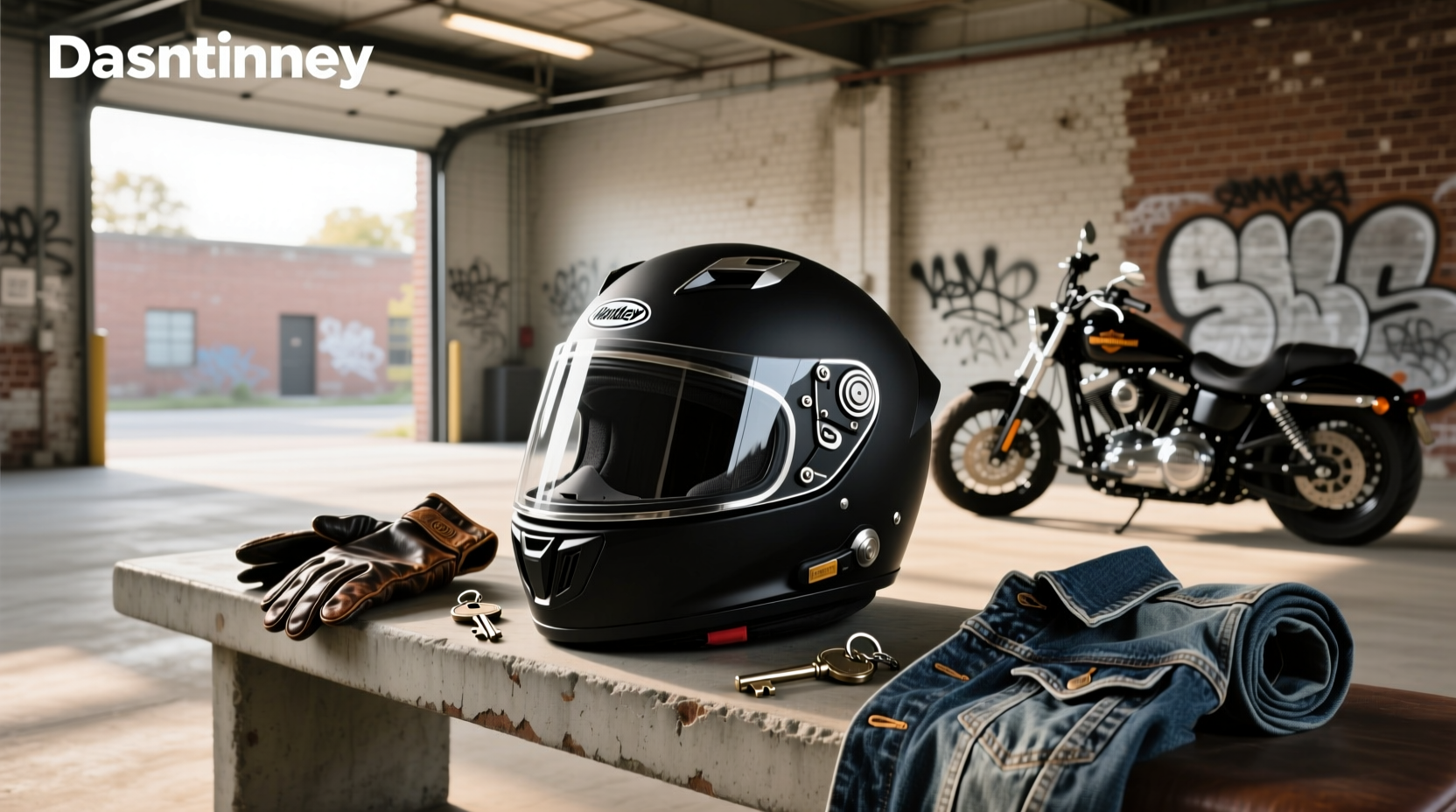
When searching for a versatile and stylish helmet that balances comfort, protection, and convenience for cruiser riding, many riders turn to the Harley helmet modular design. These flip-up helmets combine the full-face security of a traditional motorcycle helmet with the open-face flexibility ideal for stop-and-go city rides or warm weather cruising. In this guide, we’ll break down everything you need to know about Harley-Davidson modular helmets — from fit and ventilation to safety certifications, sun shield integration, and real-world usability — so you can make an informed decision based on your riding style, climate, and long-term comfort needs.
Understanding Modular Helmets: What Makes Them Different?
Modular helmets, also known as flip-up or convertible helmets, feature a hinged chin bar that allows the lower portion to swing upward, transforming the helmet from a full-face configuration into an open-face setup in seconds ⚙️. This design is especially popular among Harley-Davidson riders who value both wind-in-the-hair freedom and maximum protection during highway speeds or unpredictable weather.
Unlike fixed full-face helmets, modulars offer practical advantages such as easier communication at gas stations or diners, simpler drinking without removal, and reduced fatigue on long tours where frequent stops are common. However, they come with trade-offs, including slightly increased weight due to the hinge mechanism and potential aerodynamic noise at higher speeds.
For Harley owners, choosing a modular model often aligns with the brand’s emphasis on comfort, customization, and American touring culture ✨. Models like the Harley-Davidson Capstone Sun Shield II H31, H-D Grit Adventure J09, and Passage Adventure J10 exemplify this blend of form and function, integrating built-in sun visors, DOT and ECE certification, and Bluetooth-ready interiors.
Key Features of Harley-Davidson Modular Helmets
While Harley-Davidson doesn’t manufacture helmets in-house, it partners with reputable OEMs to produce branded models that meet strict safety and aesthetic standards 🏭. The following features are commonly found across their modular lineup:
- Built-in Sun Visor: Most Harley modular helmets include a retractable internal sun shield, eliminating the need for separate sunglasses and reducing glare during midday rides 🔆.
- DOT & ECE Certification: All current models meet U.S. Department of Transportation (DOT) FMVSS 218 standards; some also carry ECE 22.06 certification, which may be required for international travel 🌍.
- Ventilation Systems: Strategically placed intake and exhaust vents help regulate airflow, reducing fogging and overheating during summer cruising 🌬️.
- Bluetooth Compatibility: Many models are pre-wired or have mounting points for communication systems like Sena or Cardo, enabling music, GPS, and rider-to-rider intercom use ⚡.
- Comfort Liners: Removable and washable liners made from moisture-wicking fabrics enhance hygiene and long-term wearability 🧼.
- Styling Cues: Distinctive graphics, matte finishes, and heritage-inspired designs reflect Harley’s brand identity while appealing to cruiser enthusiasts 👥.
Popular Harley Modular Helmet Models Compared
To help clarify differences between available options, here's a comparison of widely available Harley-Davidson modular helmets based on price, features, and user feedback:
| Model Name | Price Range | Sun Visor | Bluetooth Ready | Weight (approx.) | Certifications |
|---|---|---|---|---|---|
| Capstone Sun Shield II H31 | $190–$275 | Yes | Yes | 3.6 lbs | DOT, ECE |
| Grit Adventure J09 | $230–$325 | Yes | Yes | 3.8 lbs | DOT, ECE |
| Passage Adventure J10 | $400–$575 | Yes | Yes (pre-installed kit option) | 4.0 lbs | DOT, ECE |
| H-D Throwback J08 | $350 | No | Liner compatible | 3.7 lbs | DOT |
| Evo X17 Sun Shield | $285 | Yes | Yes | 3.75 lbs | DOT, ECE |
The Passage Adventure J10 stands out as a premium touring-oriented model with enhanced wind protection and optional integrated communication hardware, making it well-suited for cross-country trips 🚗. Meanwhile, the Capstone II offers strong value for daily commuters seeking reliability without overspending.
Pros and Cons of Choosing a Harley Modular Helmet
Like any helmet type, modulars have distinct advantages and limitations. Understanding these helps avoid buyer’s remorse later.
Advantages ✅
- Convenience: Flip-up chin bar allows easy talking, drinking, or breathing fresh air without removing the entire helmet — ideal for urban riding or hot climates 🌞.
- Safety Flexibility: Full-face mode provides jaw and chin protection in crashes, which fixed open-face or 3/4 helmets lack.
- Integrated Sun Shields: Reduce squinting and eye strain during daylight hours without needing additional eyewear.
- Style & Brand Alignment: Harley-branded models match bike aesthetics and appeal to riders invested in the lifestyle.
Disadvantages ❗
- Added Weight: Hinge mechanisms add mass, potentially increasing neck strain over time compared to lighter half or full-face alternatives.
- Aerodynamic Noise: At speeds above 65 mph, gaps around the chin bar seal can generate wind roar, affecting comfort on long highway stretches.
- Potential Seal Wear: Over time, the rubber gasket sealing the chin bar may degrade, compromising weather resistance unless maintained properly.
- Cost: High-end modulars like the Passage Adventure approach $600 with accessories, exceeding the price of many standard full-face helmets.
Finding the Right Fit: Sizing and Comfort Tips
No helmet performs well if it doesn’t fit correctly. A poorly fitting modular helmet can lead to wobbling, pressure points, or even ejection during impact 🔍.
Harley-Davidson recommends trying helmets in person whenever possible. Use authorized dealers or shops carrying demo units to test fit across multiple sizes. Key indicators of proper fit include:
- Tight but tolerable pressure across the forehead and cheek pads
- No movement when shaking head side-to-side or up-and-down
- Eyeline alignment with the visor’s upper edge
- Chin strap snug without cutting into skin
Since modulars tend to run slightly heavier, pay attention to balance — the helmet should not tilt forward or backward when looking down or up ⚖️. Also consider wearing your usual riding glasses or Bluetooth headset during the trial to simulate real-world conditions.
If shopping online, consult manufacturer size charts using head circumference measurements taken just above the eyebrows and ears. Note that brands vary: a Medium in one model may equate to a Large in another.
Safety Standards: DOT vs. ECE – What You Need to Know
All Harley-Davidson modular helmets sold in the U.S. must comply with DOT safety regulations, which cover impact absorption, retention system strength, and penetration resistance. While compliant, DOT testing is self-certified — meaning manufacturers conduct their own tests rather than relying on third-party labs.
In contrast, ECE 22.06 (used in Europe and increasingly recognized globally) involves independent lab verification and includes additional criteria such as field of vision, chin bar strength, and durability under environmental stress 1. For riders prioritizing verified performance, ECE-certified models offer greater assurance.
Some states and countries require ECE approval for legal operation. Always verify local laws before importing or traveling internationally.
Maintenance and Longevity of Modular Helmets
Due to their mechanical components, modular helmets require more maintenance than fixed designs. To extend lifespan and ensure consistent performance:
- Regularly clean the chin bar hinge area to prevent debris buildup
- Check the locking mechanism monthly for smooth engagement
- Inspect the sun visor track for scratches or misalignment
- Replace liners and pads every 1–2 years depending on usage
- Store in a cool, dry place away from direct sunlight
Manufacturers generally recommend replacing any motorcycle helmet after five years, regardless of visible damage, due to material degradation from UV exposure and sweat absorption 🛠️.
Alternatives to Harley-Branded Modular Helmets
While Harley-Davidson offers a curated selection of modular helmets, other brands provide competitive alternatives with similar or enhanced features. Riders should evaluate options beyond branding alone.
Models from Shoei (Neotec series), Arai (Rapide R), Schuberth (C5), and Scorpion (Exo-Launcher) are frequently cited for superior aerodynamics, quieter interiors, and advanced ventilation 2. Some integrate MIPS (Multi-directional Impact Protection System) technology for added brain injury mitigation.
These alternatives may cost more but often deliver better long-term comfort and technical refinement. Consider them if you prioritize performance over brand loyalty.
Common Misconceptions About Modular Helmets
Despite growing popularity, several myths persist about modular helmet safety and functionality:
- Myth: Modular helmets are less safe than full-face helmets.
Reality: When closed and locked, modern modulars meeting ECE 22.06 undergo rigorous chin bar strength testing and perform comparably in impacts. - Myth: The flip mechanism makes them unreliable.
Reality: Reputable brands use dual-locking systems that resist accidental opening, even during high-speed vibration. - Myth: You can't wear them for sport riding.
Reality: While not ideal for aggressive track use, many modulars are suitable for spirited backroad riding if properly secured.
How to Verify Authenticity and Avoid Counterfeits
Given the popularity of Harley-Davidson gear, counterfeit helmets occasionally appear on secondary markets. Fake products may lack proper certification, use substandard materials, or fail to meet impact requirements.
To ensure authenticity:
- Purchase only from authorized Harley-Davidson dealers or official websites 📍
- Look for DOT/ECE certification labels inside the helmet shell
- Verify serial numbers against manufacturer databases when possible
- Avoid deals that seem too good to be true — deeply discounted prices often signal fakes
Counterfeit helmets pose serious safety risks and should never be used for actual riding.
Final Considerations Before Buying
Choosing a Harley helmet modular isn’t just about looks or brand affiliation — it’s a critical safety decision. Ask yourself:
- Do I ride mostly in cities or on highways? (Modulars excel in mixed environments)
- Am I willing to maintain the hinge and seals regularly?
- Does my state allow modular helmets for all riding conditions?
- Will I use Bluetooth or need voice clarity during stops?
If your answers lean toward convenience, comfort, and versatility, a modular helmet could be the right choice. But if you prioritize minimal weight, maximum quietness, or track-level protection, a dedicated full-face model might serve you better.
Frequently Asked Questions (FAQs)
- Can I ride a Harley Davidson with a modular helmet legally?
- Yes, as long as the helmet meets your state’s safety standards (typically DOT-approved). Always ensure the chin bar is fully locked during motion.
- Are Harley-Davidson modular helmets ECE certified?
- Many newer models, such as the Capstone II H31 and Passage Adventure J10, carry both DOT and ECE 22.06 certification. Check product specifications before purchasing.
- How do I clean the interior of a modular helmet?
- Remove the liner and cheek pads according to the manual and hand-wash with mild soap and water. Let air dry completely before reassembling.
- Why does my modular helmet whistle at high speeds?
- Wind noise often comes from gaps around the chin bar or visor. Ensure the latch is fully engaged and consider adding aftermarket foam seals if approved by the manufacturer.
- Should I choose a modular or full-face helmet for long-distance touring?
- Modulars offer convenience for frequent stops, but full-face helmets typically provide better noise reduction and aerodynamics. Choose based on your priority: comfort vs. quietness.




 浙公网安备
33010002000092号
 浙B2-20120091-4