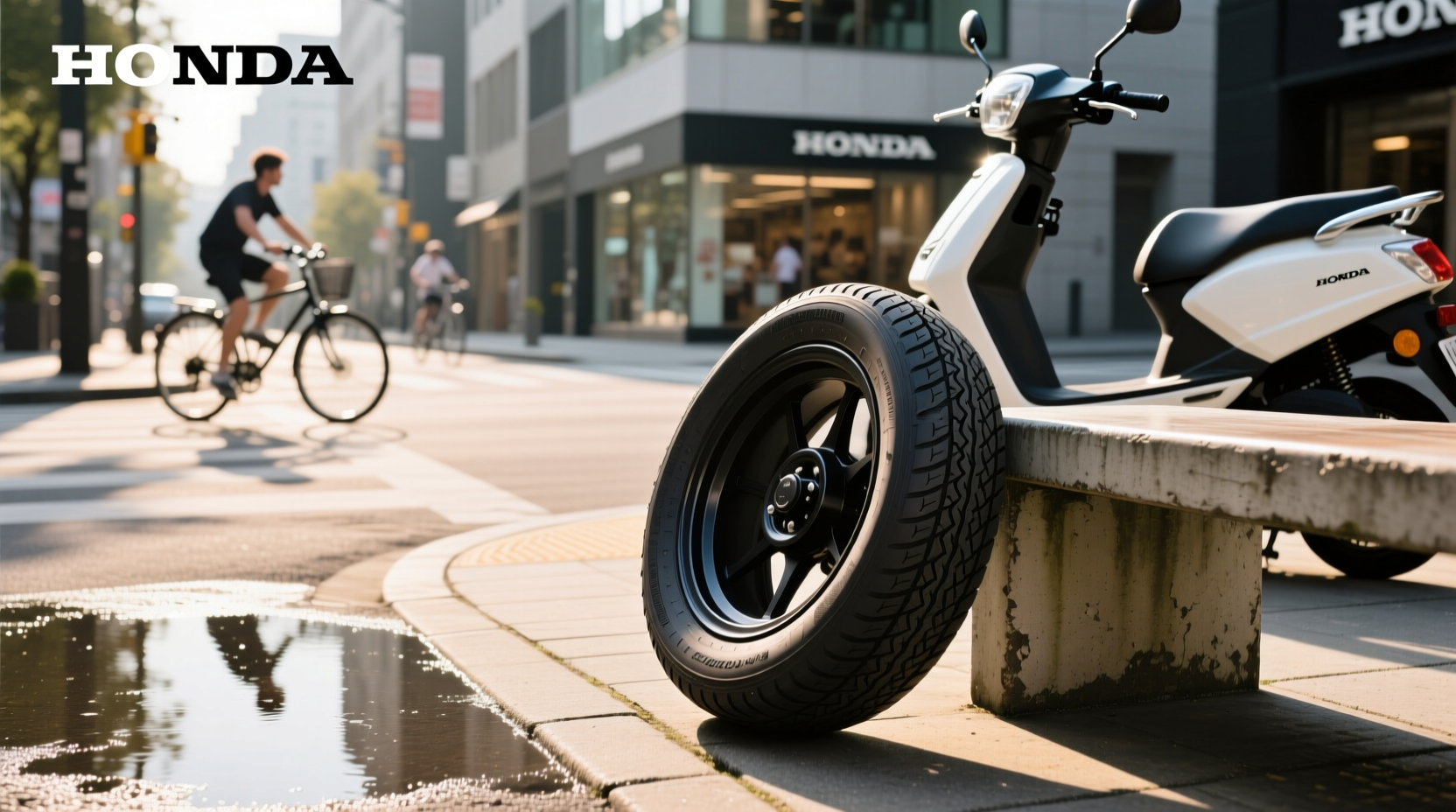
If you're searching for Honda Dio tires, the right choice depends on your model year, riding conditions, and performance needs. The most common tire sizes for Honda Dio scooters are 100/90-10 for the rear and 90/100-10 for the front, especially on AF18, AF27, AF28, and ZX50 variants produced from the mid-1990s to early 2000s. Selecting the correct tire involves more than just size—tread pattern, load rating, tube vs. tubeless construction, and brand reliability all impact safety, grip, and longevity. This guide breaks down everything you need to know about Honda Dio tire selection, compatibility, maintenance, and upgrades—so you can make an informed decision without guesswork or costly mistakes.
Understanding Honda Dio Tire Sizes and Specifications
One of the first challenges when replacing tires on a Honda Dio is identifying the correct size. While many models share similar dimensions, there are subtle differences between generations and regional variants that affect fitment.
The standard OEM tire sizes across most Honda Dio models are:
- Front: 90/100-10 53J (tube-type)
- Rear: 100/90-10 59J (tube-type)
These measurements follow the metric tire code system:
- 90/100-10: 90mm section width, 100% aspect ratio (height is 100% of width), 10-inch rim diameter
- 53J: Load index (53 = 187 kg max load) and speed rating (J = 100 km/h)
It’s critical to verify these specs on your current tires or in the owner’s manual before purchasing replacements. Some later models, such as the Live Dio or Dio ZX, may have slightly different specifications depending on market—Japanese domestic models sometimes differ from European or North American versions.
Using incorrect tire dimensions can lead to clearance issues with fenders, inaccurate speedometer readings, reduced handling, or even mechanical interference with suspension components.
Tube vs. Tubeless Tires: What Works on a Honda Dio?
Most Honda Dio scooters use tube-type tires, meaning they require an inner tube to hold air pressure. This is due to their spoked wheel design, which isn’t fully sealed like cast alloy wheels used in tubeless setups.
🔧 Key Point: Even if you find a tubeless-rated tire labeled “TL,” it cannot be safely run without a tube on a spoked wheel unless the rim has been professionally converted and sealed—a rare modification.
Therefore, always choose tube-type (TT) tires and pair them with high-quality rubber tubes designed for 10-inch scooter wheels. Poor-quality tubes are a leading cause of slow leaks and flats.
When replacing tires, inspect both the tube and rim strip (the protective liner inside the rim). A damaged or misaligned rim strip can pinch the tube during installation, causing immediate failure.
Tread Patterns and Their Real-World Performance
Tire tread affects wet-weather grip, noise levels, durability, and cornering stability. For urban commuting—the primary use case for the Honda Dio—here are the main tread types available:
| Tread Type | Best For | Pros | Cons |
|---|---|---|---|
| Straight Rib (Symmetrical) | Dry roads, fuel efficiency | Low rolling resistance, quiet ride | Poor wet traction |
| Directional V-Groove | Wet conditions, drainage | Excellent water evacuation, stable at speed | Noisier, directional mounting required |
| Block Pattern (Aggressive) | Light off-road, uneven pavement | Good grip on gravel, long wear life | Harsher ride, louder |
| All-Round Mixed | City commuting, mixed weather | Balanced performance, widely available | Not optimal in extremes |
For most riders, a directional V-groove or all-round mixed pattern offers the best compromise between safety and comfort, particularly in rainy climates.
Top Tire Brands Compatible with Honda Dio Models
Several reputable manufacturers produce tires that fit Honda Dio scooters. Availability varies by region, but globally accessible brands include:
- Heidenau: Known for durability and puncture resistance; K73 model is popular among scooter enthusiasts.
- Avon: Offers smooth ride quality and good wet grip; AV73 is a common choice.
- Pirelli: Dragonfly series provides sporty handling and modern compound technology.
- Michelin: City Grip range emphasizes safety in wet conditions and long tread life.
- Inna / IRC / Cheng Shin: Budget-friendly options often found on Alibaba.com and specialty scooter shops.
🏭 Manufacturing Note: Many entry-level tires sold under various brand names originate from the same Asian factories. Build quality can vary significantly even within the same brand line depending on production batch and distribution channel.
✅ Pro Tip: Check tire sidewalls for DOT codes and manufacturing dates. Avoid tires older than 3 years, as rubber degrades over time—even unused ones lose elasticity and crack resistance.
Common Fitment Issues and How to Avoid Them
Even with the correct size listed, some tires may not fit properly due to variations in actual measured width or bead design. Here are frequent problems users report:
- Clearance Interference: Wider rear tires (e.g., 110/90-10) may rub against the rear fender or shock absorber linkage, especially under load.
- Mounting Difficulty: Stiff sidewalls on premium tires can make installation challenging without proper tools and lubricant.
- Speedometer Error: Larger diameter tires increase rolling circumference, making the speedometer read slower than actual speed.
- Load Rating Mismatch: Lightweight tires rated below 59J may fail prematurely under two-up riding or cargo loads.
📍 Verification Step: Before buying, compare the tire’s actual measured section width (not just nominal) and overall diameter with OEM specs. Reputable sellers often provide this data in product descriptions.
Aftermarket Upgrades: Are Bigger Tires Possible?
Some riders consider upgrading to larger tires for improved aesthetics or grip. While possible, this requires careful evaluation.
For example, fitting a 110/90-10 rear tire instead of the stock 100/90-10 increases contact patch but may reduce ground clearance and affect handling balance. Front tire upgrades are riskier—increasing beyond 90/100-10 can interfere with steering stops or front fork travel.
⚡ Performance Trade-off: Larger tires add unsprung weight and rolling inertia, potentially reducing acceleration and braking response—especially important on small-displacement 50cc engines.
Before any upgrade, consult forums or technical groups focused on Honda Dio modifications. Real-world user feedback often reveals hidden issues not apparent from specs alone.
When to Replace Your Honda Dio Tires
Tire lifespan depends on storage, usage, and road conditions. However, here are key indicators it’s time for replacement:
- Tread Depth Below 1.6mm: Legal minimum in most countries; use a tread depth gauge to check.
- Cracking or Dry Rot: Visible sidewall cracks indicate aging, even if tread looks good.
- Bulges or Blisters: Sign of internal damage—replace immediately.
- Uneven Wear: Could point to alignment, inflation, or suspension issues.
- Age Over 5 Years: Rubber compounds degrade regardless of mileage.
🧼 Maintenance Tip: Rotate tires every 3,000–5,000 km if wear is uneven, though many scooters don’t support rotation due to directional tread or single-wheel drive.
Buying Honda Dio Tires Online: What to Watch For
Shopping online (e.g., eBay, MotoSport, Alibaba.com) expands access to global inventory, but introduces risks:
- Vintage Listings: Old stock may be decades old despite appearing new.
- Inaccurate Descriptions: Sellers might list generic sizes without confirming Dio compatibility.
- Shipping Costs: Small tires seem light, but international shipping can exceed item cost.
- Import Fees: Buyers may face customs charges, especially in EU or US markets.
🛒 Purchase Advice: Prioritize sellers who specify exact fitment (e.g., "for Honda Dio AF18 1994–2001") and provide clear photos of DOT date codes. Read reviews focusing on delivery time and packaging quality.
Installation Best Practices
While DIY tire changes are feasible, improper mounting damages tires and rims. Essential steps include:
- Use proper bead lube (never petroleum-based).
- Ensure rim is clean and free of burrs.
- Install new tube with valve stem straight.
- Inflate slowly to seating pressure (~15 psi) while checking for pinches.
- Balance wheel after mounting to prevent vibration.
⏱️ Labor Consideration: Professional installation typically costs $30–$60 USD per tire but ensures safety and avoids damage. If you lack experience, this is money well spent.
Regional Differences in Tire Availability
Tire availability varies by region due to regulatory standards and market demand:
- Japan: JIS-certified tires dominate; tighter quality control but limited export.
- Europe: E-marked tires required; focus on wet grip and eco-labeling.
- North America: DOT compliance mandatory; fewer dedicated scooter-specific options.
- Southeast Asia: High humidity affects rubber longevity; local brands dominate.
🌐 Global Sourcing Tip: Use search terms like "Honda Dio tire 90/100-10 E-mark" or "DOT approved 100/90-10 scooter tire" to filter by regional certification.
Frequently Asked Questions About Honda Dio Tires
Can I use a 110/90-10 tire on my Honda Dio rear wheel?
It may fit depending on model year and fender clearance, but check for rubbing under full compression and steering lock. Increased width alters handling and may void insurance in some regions if deemed non-OEM.
Are tubeless tires compatible with Honda Dio wheels?
No, original spoked wheels require tube-type tires. Attempting to run tubeless tires on spoked rims creates a serious safety hazard due to air leakage and potential blowouts.
What is the average lifespan of Honda Dio tires?
Under normal city use, expect 8,000–12,000 km. Factors like rider weight, inflation habits, and road surface greatly influence longevity. Inspect annually regardless of mileage.
Do tire brands matter for small scooters like the Dio?
Yes. Premium brands invest in tread compound research, casing durability, and consistent manufacturing. Budget tires may save money upfront but often wear faster and offer poorer wet grip.
How do I confirm the correct tire size for my specific Dio model?
Check the sidewall of your current tire, owner’s manual, or frame VIN plate. You can also cross-reference your model number (e.g., AF18, AF27) with parts diagrams on official Honda microfiche sites or trusted scooter forums.




 浙公网安备
33010002000092号
 浙B2-20120091-4