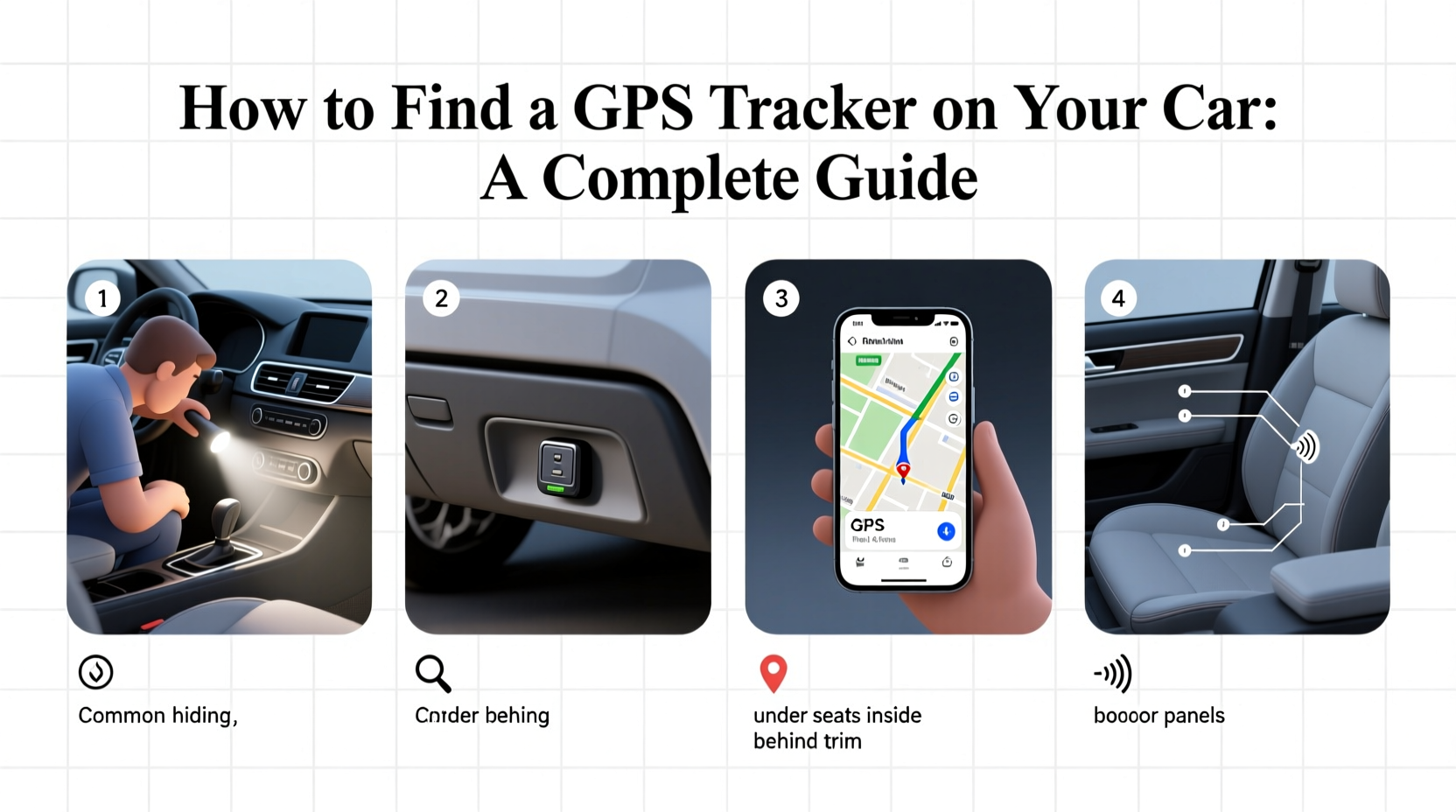
If you're wondering how can I find a tracker on my car, the most effective method is conducting a thorough physical and electronic inspection using a combination of visual checks and an RF (radio frequency) detector. GPS tracking devices are often small, magnetic, and attached to hidden metal surfaces like under the bumper, wheel wells, or near the exhaust system. Knowing where and how to look—and understanding why someone might install one—can help you regain control of your privacy in under an hour.
Why Would Someone Install a Tracker on Your Car?
Before diving into detection methods, it's important to understand the motivations behind vehicle tracking. While GPS trackers have legitimate uses—such as fleet management, parental monitoring, or stolen vehicle recovery—they can also be misused for surveillance without consent.
- Relationship concerns: A partner may secretly track your movements due to jealousy or suspicion.
- Corporate espionage: Competitors or disgruntled employees might monitor business vehicles.
- Stalking: In extreme cases, an individual could use a tracker for malicious purposes.
- Legal investigations: Law enforcement may legally install trackers with a warrant, though you typically won’t discover these easily.
Regardless of intent, unauthorized tracking violates personal privacy. Recognizing signs early helps protect your safety and autonomy.
Common Types of Car Trackers
Not all trackers work the same way. Understanding the types will guide your search strategy:
- Passive GPS Data Loggers: These store location data internally and require physical retrieval to download information. They don’t transmit in real time and are harder to detect electronically.
- Active GPS Trackers (Real-Time): Transmit location via cellular networks. Emit radio signals, making them detectable with an RF scanner.
- OBD-II Port Trackers: Plug directly into your car’s onboard diagnostics port, usually beneath the dashboard. Easy to install and remove, but visible if you know where to look.
- Magnetic External Trackers: Battery-powered units attached externally using strong magnets. Often placed under the chassis or inside wheel arches.
Each type has distinct placement patterns and detection challenges. For example, OBD-II devices are simple to spot during a cabin check, while magnetic trackers require crawling under the vehicle.
Step-by-Step Guide: How to Find a Tracker on Your Car
Conducting a systematic inspection increases your chances of identifying even well-hidden devices. Follow this six-step process:
1. Perform a Visual Inspection
Start with a walkaround of your vehicle. Look for anything unusual:
- Check wheel wells, under bumpers, suspension components, and fuel tank areas.
- Inspect the spare tire compartment and under floor mats.
- Examine the engine bay—especially near battery terminals or fuse boxes.
- Look inside the cabin: under seats, around the steering column, and near the OBD-II port.
Trackers are typically black or gray plastic enclosures, ranging from the size of a deck of cards to a large matchbox. Wires leading from hidden areas may indicate a hardwired device.
2. Use a Radio Frequency (RF) Detector
An RF detector scans for wireless signals emitted by active GPS trackers. Choose a wideband model that covers common frequencies (e.g., 850 MHz, 900 MHz, 1.8 GHz, 2.4 GHz).
To use it effectively:
- Turn off all personal electronics (phone, smartwatch).
- Walk slowly around your car, holding the detector close to surfaces.
- Listen for increased beeping or signal strength spikes.
- Pinpoint the source by narrowing the area until the signal peaks.
Note: Passive loggers won’t emit signals, so a clean RF scan doesn’t guarantee no tracker is present.
3. Scan Bluetooth and Wi-Fi Networks
Some modern trackers connect via Bluetooth or low-energy protocols. On your smartphone:
- Enable Bluetooth and scan for unknown devices near your car.
- Use apps like Nearby Devices or BLE Scanner to detect invisible signals.
- Check Wi-Fi settings for unrecognized networks originating nearby.
While less common, this method catches compact consumer-grade trackers like certain Tile or AirTag-style devices repurposed for vehicle monitoring.
4. Inspect the OBD-II Port
Located under the dashboard near the steering wheel, the OBD-II port is a prime spot for plug-in trackers. Shine a flashlight and look for any device inserted into the socket. If something is plugged in, unplug it and check its labeling.
Many fleet companies use branded units (like Geotab or Verizon Connect), so unfamiliar hardware should raise concern. However, avoid removing devices if you lease your car or are part of a company program unless authorized.
5. Check for Unusual Battery Drain or Electrical Issues
A hardwired tracker draws power from your car’s electrical system. Signs include:
- Dead battery when the car hasn’t been used.
- Fault codes related to CAN bus or voltage irregularities.
- Fuses blowing without explanation.
If you suspect tampering, consult a mechanic familiar with automotive electronics. They can inspect wiring harnesses for spliced connections.
6. Use a Professional Sweep Service
If you’ve found nothing but still feel uneasy, consider hiring a technical surveillance countermeasures (TSCM) expert. Also known as 'bug sweepers,' these professionals use advanced spectrum analyzers, thermal imaging, and diagnostic tools to locate both transmitting and non-transmitting devices.
Costs range from $300–$1,000 depending on location and complexity. Ideal for high-risk individuals or suspected stalking situations.
Most Common Hiding Spots for Car Trackers
Criminals and spies alike rely on predictable concealment points. Focus your search on these high-probability zones:
| Hiding Spot | Likelihood | Detection Method |
|---|---|---|
| Undercarriage (near axle or frame) | High | Visual + RF scan |
| Wheel wells (front/rear) | High | Visual + flashlight |
| OBD-II port (under dash) | Very High | Visual inspection |
| Inside bumper (plastic cover removed) | Moderate | Visual + probe tool |
| Behind license plate | Moderate | Visual |
| Engine compartment | Low | Visual + heat resistance consideration |
| Inside interior trim panels | Low | Requires disassembly |
External magnetic trackers favor locations shielded from view but exposed to open sky for GPS signal reception. Interior devices often piggyback on existing power sources.
Can You Detect a Tracker With Your Phone?
While smartphones lack the sensitivity of professional gear, they can assist in preliminary detection:
- Bluetooth scanners: Detect nearby BLE (Bluetooth Low Energy) emitters.
- NFC detection: Some trackers include NFC tags for configuration.
- Signal interference apps: Apps like WiFi Analyzer show unexpected network activity.
However, phone-based methods miss most cellular-based GPS trackers. Don’t rely solely on your mobile device for assurance.
What to Do If You Find a Tracker
Discovering a suspicious device requires careful handling:
- Do not touch or remove it immediately. It may contain forensic evidence.
- Document its location and appearance with photos and notes.
- Contact law enforcement. Unauthorized tracking is illegal in many jurisdictions.
- Consult a legal professional if you fear harassment or stalking.
- Have your vehicle inspected by a trusted mechanic or security expert.
In some U.S. states, installing a tracker on a vehicle you don’t own or operate is a criminal offense under wiretapping or privacy laws (e.g., California Penal Code § 637.7). Similar protections exist in the UK, Canada, and Australia, though specifics vary.
Preventing Future Unauthorized Tracking
Once clear, take steps to reduce future risk:
- Park in secure, well-lit areas or garages when possible.
- Install a dashcam with parking mode to monitor activity around your car.
- Regularly inspect your vehicle, especially after unsupervised access.
- Use an OBD-II port lock to prevent plug-in devices.
- Consider a Faraday bag or pouch for storing portable trackers when not in use.
No prevention method is 100% foolproof, but routine checks create deterrence.
Debunking Common Myths About Car Trackers
Misinformation spreads quickly. Let’s clarify some misconceptions:
- Myth: All GPS trackers are large and obvious.
Reality: Modern units can be smaller than a credit card. - Myth: Only criminals use hidden trackers.
Reality: Concerned parents or employers use them legally with consent. - Myth: Aluminum foil blocks all tracking signals.
Reality: Partial shielding occurs, but it’s unreliable and temporary. - Myth: Your car’s built-in navigation system is always tracking you.
Reality: Factory systems only transmit data if enabled (e.g., for emergency services or connected apps).
Regional Differences in Tracker Laws
Legality varies significantly by country:
- United States: Federal law allows tracking of vehicles you own or have consent to monitor. Installing a device on someone else’s car without permission may violate federal or state statutes.
- Canada: The Criminal Code prohibits voyeurism and unauthorized surveillance.
- UK: Governed by the Regulation of Investigatory Powers Act (RIPA); strict rules apply.
- Australia: Varies by state; generally requires consent for tracking another person.
Always verify local laws before taking action. When in doubt, involve authorities.
FAQs: Frequently Asked Questions About Finding Trackers on Cars
How long does it take to check my car for a tracker?
A basic inspection takes 15–30 minutes. A full sweep with tools may take up to an hour.
Can a car tracker drain my battery?
Yes, especially hardwired models. Even small draws can discharge the battery over weeks of inactivity.
Are there apps that can detect GPS trackers?
Limited options exist. Some Android apps detect RF leakage or Bluetooth signals, but none reliably find all tracker types.
Will disconnecting the battery disable a tracker?
Only if it’s powered by the car. Battery-operated external trackers continue functioning independently.
Can dealerships install trackers without telling me?
Sometimes. Some financing agreements allow remote tracking for repossession purposes. Review your contract carefully.
Understanding how to find a GPS tracker on your car empowers you to protect your privacy and respond appropriately. Whether you’re conducting a routine check or acting on suspicion, combining physical inspection with electronic detection offers the best results. Stay vigilant, know your rights, and seek professional help when needed.




 浙公网安备
33010002000092号
 浙B2-20120091-4