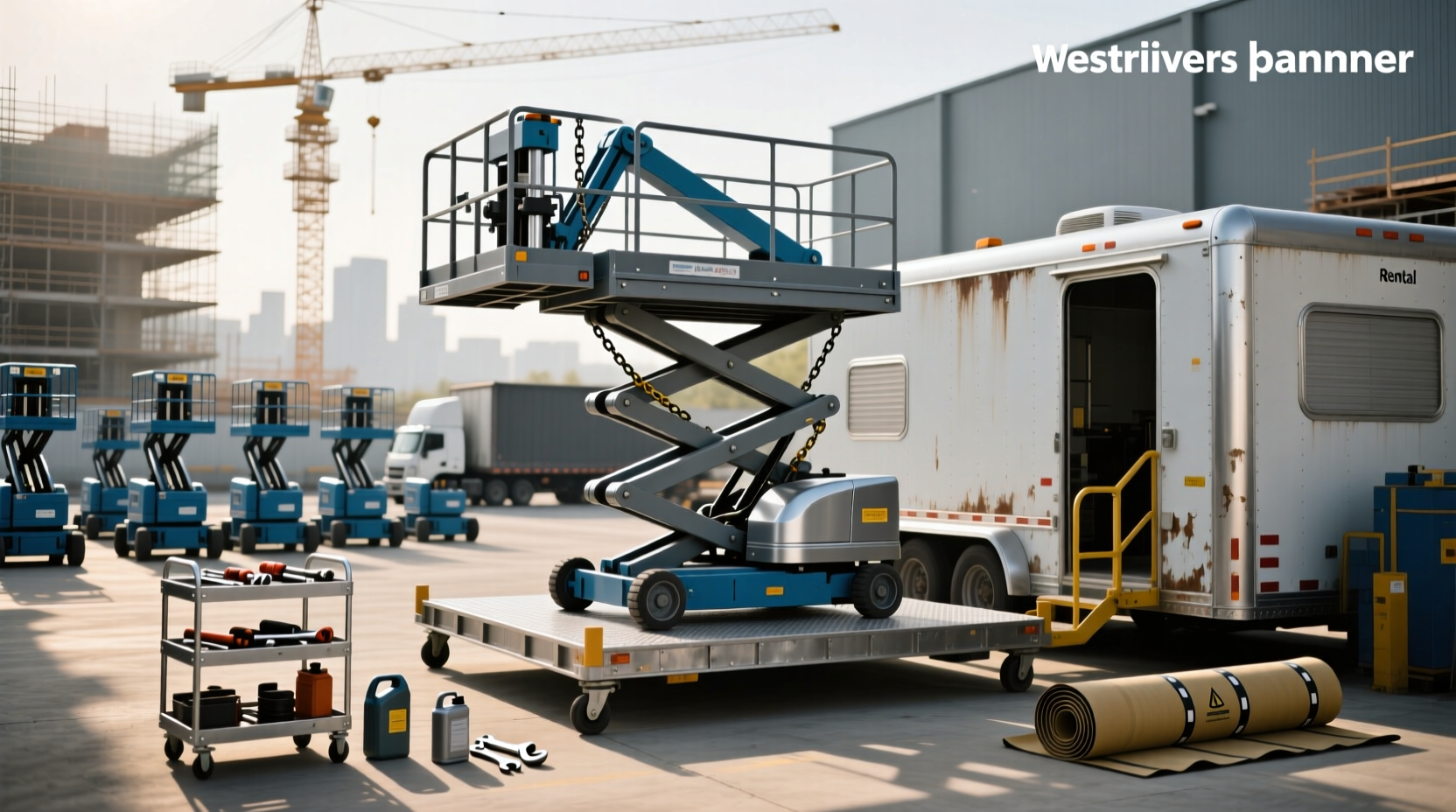
If you're searching for hydraulic lift rental options, you're likely preparing for a project that involves lifting heavy loads—whether it’s vehicle maintenance, warehouse operations, or construction work. Renting a hydraulic lift is often more cost-effective than buying, especially for short-term tasks. This guide breaks down everything you need to know about renting hydraulic lifts, including the different types available, typical price ranges, safety considerations, and how to choose the right model based on load capacity, lift height, and application needs.
Why Rent a Hydraulic Lift Instead of Buying?
Renting a hydraulic lift makes sense in many scenarios where ownership isn’t practical. For occasional DIY automotive repairs, small business equipment upgrades, or temporary industrial projects, purchasing can be unnecessarily expensive. A standard scissor lift or shop crane may cost thousands of dollars to buy outright, but renting one for a few days could save hundreds while still providing full functionality.
For example, if you’re replacing an engine or working under a car, a rented two-post lift or hydraulic jack stand system gives professional-level access without long-term storage issues. Similarly, warehouses moving pallets or machinery might only need a hydraulic lift table for a week during reorganization. In these cases, rental offers flexibility, lower upfront costs, and access to well-maintained, inspected equipment.
Common Types of Hydraulic Lifts Available for Rent
Understanding the type of hydraulic lift you need is crucial before contacting rental providers. Each serves distinct purposes and varies in size, lifting mechanism, and weight capacity.
1. Scissor Lifts (Mobile & Stationary)
🔧 Best for: Lifting materials vertically in workshops, garages, or loading docks
Scissor lifts use a crisscrossing linkage mechanism powered by a hydraulic cylinder to raise platforms smoothly. They are commonly used in manufacturing plants and repair shops to position heavy parts at ergonomic heights. Mobile scissor lifts come with wheels for easy movement, while stationary models bolt to the floor for permanent setups.
Rental units typically support between 500 lbs and 2,000 lbs, with lift heights ranging from 30 inches to over 60 inches. These are ideal when precision height control and stability matter more than mobility across large spaces.
2. Two-Post and Four-Post Vehicle Lifts
🚗 Best for: Automotive repair, tire changes, undercarriage inspections
These are among the most requested hydraulic lifts in rental networks catering to mechanics and auto enthusiasts. Two-post lifts suspend vehicles by their frame or subframe, freeing up floor space and allowing full access underneath. Four-post lifts, meanwhile, allow cars to drive onto them and are better suited for storage or alignment work.
Rentals usually include installation guidance, though some require professional setup. Capacities range from 6,000 lbs to over 10,000 lbs, suitable for passenger cars, SUVs, and light trucks.
3. Hydraulic Lift Tables and Carts
🛒 Best for: Material handling, packaging lines, assembly stations
Compact and versatile, hydraulic lift tables help adjust the height of workpieces during fabrication or inspection. Many models feature foldable legs or casters for portability. These are frequently rented for event setups, retail inventory management, or production line adjustments.
They generally offer lift ranges between 8” and 48”, with load limits up to 1,000 lbs. Some advanced versions include tilt functions or integrated rollers for seamless transfer.
4. Shop Cranes and Engine Hoists
⚙️ Best for: Removing engines, transmissions, or heavy components
Also known as hydraulic jib cranes or engine lifts, these portable A-frame devices use a chain hoist connected to a hydraulic pump. Most support 1 to 2 tons and are manually operated via hand pump. They’re popular among DIYers tackling major engine rebuilds.
When renting, ensure the base width fits your workspace and check whether accessories like swivel joints or extension arms are included.
5. Patient Lifts and Medical Hydraulic Systems
👥 Best for: Home care, nursing facilities, assisted living environments
Though less common in general equipment rental catalogs, patient lifts are hydraulically powered devices designed to transfer individuals with limited mobility. These operate similarly to industrial lifts but prioritize smooth motion and user safety.
Some local medical supply companies offer short-term rentals for post-surgery recovery or elder care transitions. Always verify weight limits and sling compatibility before use.
What Factors Influence Hydraulic Lift Rental Prices?
The cost of renting a hydraulic lift depends on several variables. Being aware of these helps avoid surprise fees and ensures you get value for money.
Lift Type and Capacity
Higher-capacity lifts naturally command higher rates. As a general benchmark:
- Manual hydraulic jack stands or carts: $30–$70 per day
- Electric scissor lift tables: $80–$150 per day
- Two-post vehicle lifts: $120–$250 per day
- Full-size industrial lift trucks: $200–$400+ per day
Weekly and monthly discounts are common—some suppliers offer up to 30% off weekly rates compared to daily billing.
Rental Duration
⏱️ Most rental agreements follow tiered pricing:
- Daily: Highest per-unit cost, best for urgent one-day jobs
- Weekly: Mid-range rate, ideal for multi-day projects
- Monthly: Lowest daily equivalent, recommended for ongoing tasks
Always clarify whether the quoted price includes weekends or prorates after business hours.
Delivery and Pickup Fees
🚚 Transporting heavy equipment adds significant logistics costs. While some local vendors offer free delivery within 10–15 miles, others charge flat fees ($50–$150) or mileage-based rates. Ask if setup and training are included—especially important for complex systems like two-post lifts.
Insurance and Damage Waivers
✅ Many rental companies offer optional protection plans that cover accidental damage or fluid leaks. While not mandatory, they can prevent costly liability charges if something goes wrong during operation. Review the terms carefully—some exclusions apply for misuse or improper anchoring.
Required Deposits
💳 Expect a security deposit, typically equal to 1–2 days’ rental fee. This is refundable upon return, provided the unit is clean, undamaged, and all parts accounted for. Keep proof of condition (photos/video) before and after use.
Safety Considerations When Using a Rented Hydraulic Lift
Safety should never be compromised, especially with high-pressure hydraulic systems capable of serious injury if misused. Follow these guidelines regardless of experience level.
Inspect Before Use
🔍 Check for visible damage: cracked hoses, bent arms, leaking fluid, or worn casters. Test controls slowly to confirm smooth operation. If anything seems off, report it immediately to the rental provider—do not attempt repairs yourself.
Never Exceed Load Limits
📌 Overloading causes instability, component failure, or sudden collapse. Always refer to the manufacturer’s label on the lift. Remember: dynamic loads (e.g., shifting cargo) increase stress beyond static weights.
Ensure Proper Setup
🏭 On uneven floors, lifts can tip or bind. Use on level, solid surfaces only. For permanent-style lifts (like four-post), anchor bolts may be required. Confirm surface load capacity—concrete thickness matters, especially for vehicle lifts.
Use Correct Attachments
📎 Whether using slings, forks, or adapters, make sure they’re compatible with both the load and the lift. Mismatched fittings can slip or shear under pressure.
Maintain Clear Work Zones
🌐 Keep bystanders away during lifting operations. Establish exclusion zones and use warning signs when operating in public or shared areas.
Where to Find Reliable Hydraulic Lift Rentals Near You
📍 Availability varies significantly by region. Urban centers tend to have more rental outlets than rural areas. Here’s how to locate trusted providers:
- Local Equipment Rental Stores: Companies like United Rentals, Sunbelt Rentals, or Herc Rentals often carry industrial-grade hydraulic lifts. Visit their websites and filter by “material handling” or “auto service equipment.”
- Automotive Supply Shops: Some NAPA AutoCare centers or independent tool rental counters offer engine hoists and jack stands.
- Medical Equipment Suppliers: For patient lifts, search for DME (Durable Medical Equipment) providers in your area—they may deliver directly to homes.
- Online Marketplaces: Platforms such as KitSplit or Peerby connect individuals and businesses offering tools for short-term hire. Verify reviews and insurance coverage before booking.
Pro tip: Call ahead to confirm stock availability and reserve early—popular items like two-post lifts can be booked weeks in advance during peak seasons.
DIY vs. Professional Use: Which Rental Makes Sense?
🧰 Understanding your skill level and project scope determines what kind of lift you should rent.
For DIY Enthusiasts
If you're changing brakes, installing suspension, or pulling an engine, a compact hydraulic jack or engine hoist suffices. Look for models labeled “foldable” or “garage-friendly.” Avoid renting large scissor lifts unless you’ve been trained—their size and power demand respect.
For Small Businesses and Contractors
🏗️ Contractors benefit from mid-range scissor lifts or mobile lift tables. These improve workflow efficiency and reduce worker strain. Ensure team members receive basic training on emergency stop functions and descent procedures.
For Industrial Facilities
🏭 Large-scale operations may require fleet rentals or scheduled maintenance swaps. In such cases, negotiate service contracts that include routine inspections, fluid top-offs, and technician support.
Common Misconceptions About Hydraulic Lift Rentals
❌ Despite growing popularity, several myths persist:
- Myth: All hydraulic lifts are dangerous.
Fact: Modern units meet OSHA and ANSI standards. Risk comes from misuse, not design. - Myth: Renting is always cheaper than buying.
Fact: If you’ll use a lift regularly (e.g., monthly), ownership pays off in 1–2 years. - Myth: Hydraulic lifts require constant maintenance.
Fact: Well-sealed systems need minimal upkeep. Rental units are typically serviced before dispatch. - Myth: You can modify attachments yourself.
Fact: Altering components voids warranties and creates safety hazards.
How to Prepare for Your Hydraulic Lift Rental
📋 Follow this checklist to ensure a smooth rental process:
- Determine exact lift requirements: weight, height, workspace dimensions.
- Measure doorways, hallways, and ceiling clearance to confirm fit.
- Verify power source (if electric/hydraulic combo) or manual pump readiness.
- Clear the work area of debris and tripping hazards.
- Assign trained personnel to operate the lift.
- Review rental agreement terms, especially late return penalties.
- Take photos of the unit upon pickup for damage documentation.
Alternatives to Hydraulic Lift Rentals
⚡ While hydraulic systems dominate due to reliability and force output, alternatives exist depending on application:
- Pneumatic Lifts: Use compressed air instead of fluid. Lighter and cleaner but less powerful. Suitable for cleanrooms or food processing.
- Mechanical Screw-Driven Lifts: No hydraulics involved. Slower but precise. Often found in lab settings.
- Electric Linear Actuators: Quiet and programmable. Ideal for automation but limited in max load.
However, for raw lifting power and durability, hydraulic remains the top choice for heavy-duty applications.
Final Thoughts: Is Renting the Right Choice for You?
Renting a hydraulic lift is a smart move for temporary needs, budget-conscious users, or those testing equipment before purchase. It provides access to high-performance machinery without long-term commitment. However, success depends on selecting the correct type, understanding limitations, and prioritizing safety.
Before finalizing any rental, ask the provider detailed questions about maintenance history, included accessories, and emergency support. Compare at least three quotes to gauge market rates and avoid overpaying.
With proper planning, renting a hydraulic lift can transform a difficult job into a manageable task—saving time, effort, and potential injury.
Frequently Asked Questions (FAQs)
Can I rent a hydraulic lift for home garage use?
Yes, many rental companies offer compact scissor lifts, engine hoists, and jack stands suitable for residential garages. Ensure your garage floor can support the load and that there's enough vertical clearance.
How much does it cost to rent a hydraulic lift?
Daily rates range from $30 for small carts to $400+ for industrial truck lifts. Weekly and monthly rentals reduce the per-day cost significantly. Additional fees may apply for delivery, insurance, or extended use.
Do I need training to operate a rented hydraulic lift?
While not always legally required for basic models, training is strongly recommended. Most rental centers provide quick start guides, and some offer brief orientation sessions. For complex lifts like two-post systems, professional supervision is advised.
What happens if the lift gets damaged during my rental period?
You may be held responsible for repair costs unless you purchased a damage waiver. Report any issues immediately to the rental company. Document the condition before and after use with photos or video.
Are there weight limits I should know about when renting a hydraulic lift?
Yes, every lift has a rated capacity clearly marked on its frame. Never exceed this limit. Also consider dynamic forces—if the load shifts during lifting, effective stress increases. Always stay below the maximum rating for safety.




 浙公网安备
33010002000092号
 浙B2-20120091-4