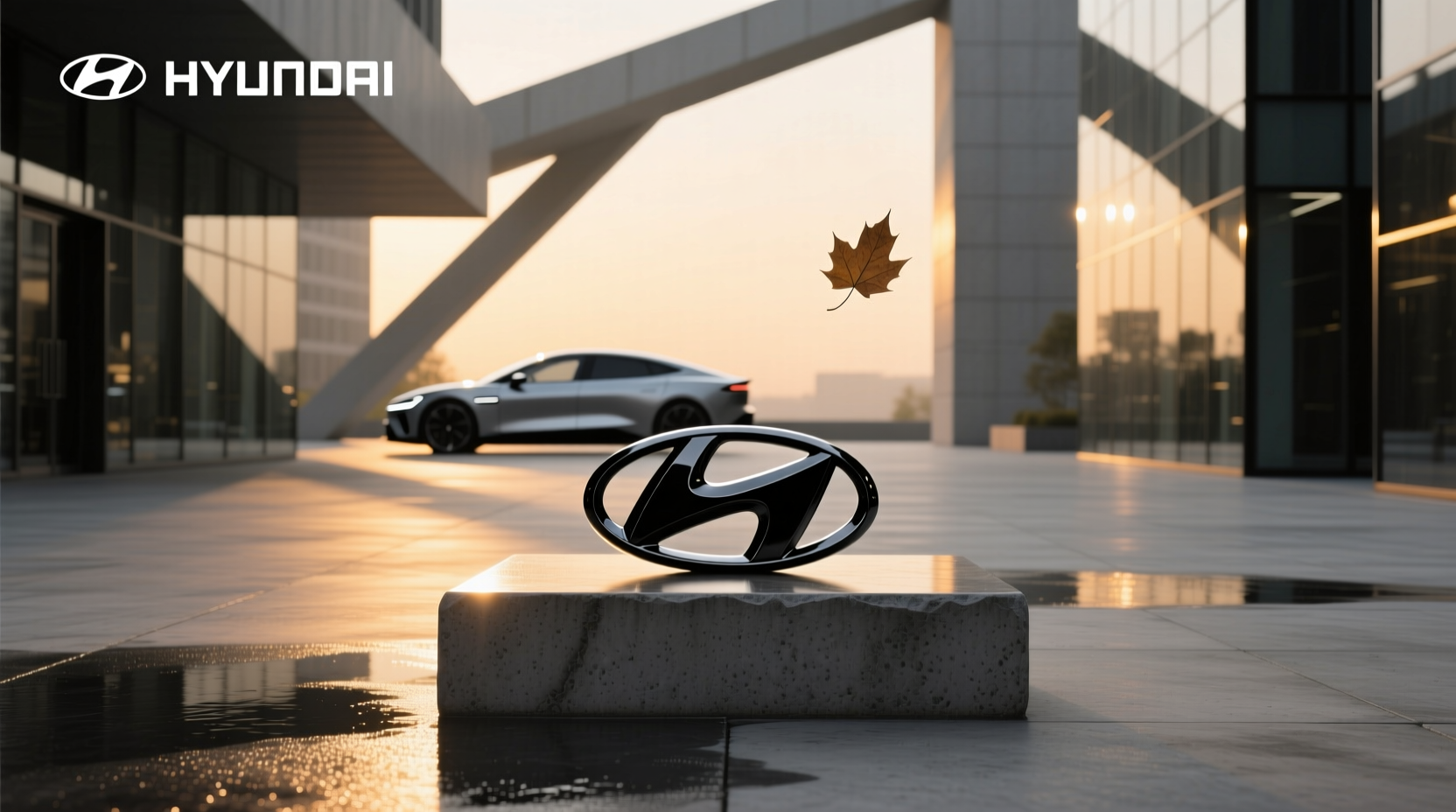
If you're searching for a sleeker, more aggressive look for your Hyundai, installing a black Hyundai emblem is one of the most effective yet subtle customizations you can make. Whether you're upgrading to a matte black front grille badge, replacing a damaged rear 'H' logo, or opting for a full blackout kit for models like the 2024 Santa Fe or Elantra N, understanding the differences between genuine OEM parts like 86300-3A000 and aftermarket alternatives is crucial for proper fit and finish ✅.
This guide covers everything you need to know about Hyundai emblem black upgrades—why owners choose them, which models support easy DIY installation, compatibility across years and trims, and how to avoid common pitfalls such as adhesive failure or paint damage during removal 🔧. We’ll also compare factory matte black emblems found on performance trims like the i30N or Kona N to third-party kits available through authorized accessory channels 🌐.
Why Choose a Black Hyundai Emblem?
Modern vehicle styling increasingly favors darkened trim packages, often referred to as 'blackout' or 'stealth' finishes. The shift reflects broader design trends seen across compact sedans, SUVs, and performance-oriented variants. A black Hyundai emblem contributes to this aesthetic by reducing visual clutter on the grille or trunk lid and creating a more cohesive, monochromatic front-end appearance ✨.
There are several motivations behind choosing a black emblem:
- Aesthetic Enhancement: Many owners feel the silver chrome Hyundai 'H' appears outdated or too flashy. A matte or gloss black finish aligns better with contemporary design language.
- Performance Identity: Models like the Elantra N, Veloster N, and Kona N come from the factory with black badging to distinguish them from standard trims. Adding black emblems can give non-N models a sportier presence.
- Durability Perception: While not inherently more durable, black emblems—especially those made with UV-resistant coatings—are less likely to show fading or oxidation over time compared to chrome-plated versions.
- Personalization: Custom badges allow owners to tailor their vehicle’s appearance without major modifications.
OEM vs Aftermarket: What's the Difference?
When looking up part numbers like 86300-4A910 or 86310-2M000, it's important to understand whether you’re dealing with an original equipment manufacturer (OEM) component or an aftermarket replica ⚙️.
| Feature | OEM Hyundai Emblem | Aftermarket Black Emblem |
|---|---|---|
| Material Quality | Premium-grade ABS plastic with factory color match | Varies; may use lower-density plastics |
| Adhesive Type | High-bond double-sided tape pre-applied | Sometimes included, often weaker adhesion |
| Fitment Precision | Exact match per VIN and model year | Generic sizing; possible alignment issues |
| Finish Options | Matte black, gloss black, chrome (model-dependent) | Broad range including carbon fiber-look |
| Warranty Coverage | Covered under Hyundai Genuine Accessories warranty | Limited or no warranty |
OEM emblems are produced by suppliers contracted directly by Hyundai Motor Company and carry official part numbers such as 86320-F2300 for certain Elantra models. These are typically sold through dealerships or certified online parts stores that integrate with Hyundai’s global inventory system 🏭.
Aftermarket options, while often cheaper, vary widely in quality. Some reputable brands offer precision-cut emblems designed specifically for Hyundai platforms using laser-scanned templates. Others may simply stamp generic 'H' logos onto plastic blanks with inconsistent depth or edge definition ❗.
Compatible Hyundai Models and Years
Not all Hyundai vehicles accept the same emblem design. Changes occur between generations and even mid-cycle refreshes. Below is a breakdown of recent models where black emblem upgrades are commonly applied:
Hyundai Elantra (2021–2023)
The sixth-generation Elantra features a distinctive parametric grille design. The front emblem (part # 86311-AA001) sits above the upper grille and has a flat profile suitable for direct replacement. Many owners upgrade to a matte black version to complement the car’s angular styling. Rear emblems are smaller and less prominent but available in matching finishes.
Hyundai Santa Fe (2024–2025)
The latest Santa Fe includes optional blackout packages that replace traditional chrome with dark gray or black badging. The rear 'H' emblem becomes flush-mounted and darker in hue. For earlier models, retrofitting a newer-style black emblem requires verifying spacing and screw hole placement if mechanically fastened.
Hyundai Tucson (2023+)
With its pixel-inspired lighting and bold front fascia, the current Tucson lends itself well to stealth modifications. OEM blackout emblems are offered through Hyundai’s accessory catalog, though availability varies by region. Third-party kits often include both front and rear replacements along with fog light surround decals.
Performance Trims: N Line & N Models
Vehicles like the i30N Hatchback or Elantra N come factory-equipped with black emblems as part of their track-focused identity. These use a textured matte finish resistant to glare and fingerprints. Replicating this look on non-N models enhances visual cohesion, especially when paired with black alloy wheels or window trim.
Installation Process: Step-by-Step Guide
Replacing a Hyundai emblem is generally a DIY-friendly task requiring minimal tools ⏱️. However, improper technique can lead to cracked bumpers, scratched paint, or premature detachment.
Tools Needed
- Plastic pry tool or guitar pick 🛠️
- Isopropyl alcohol wipes 🧼
- Microfiber cloth
- Heat gun or hair dryer (for older adhesives)
- Gloves (to prevent fingerprint transfer)
Removal Steps
- Warm the Emblem: Use a hair dryer on low heat to soften the adhesive bond. Focus heat around the edges for 60–90 seconds.
- Insert Pry Tool: Gently slide a plastic tool under one corner. Avoid metal tools that could gouge surrounding paint.
- Lift Slowly: Work your way around the perimeter, applying steady pressure. If resistance increases, reapply heat.
- Clean Residue: Once removed, wipe the surface with isopropyl alcohol to eliminate leftover adhesive. Let dry completely before installing the new emblem.
Installation Tips
- Ensure the mounting area is dust-free and fully dry.
- Align the new emblem carefully before pressing down—most cannot be repositioned after initial contact.
- Apply firm, even pressure for at least 30 seconds to activate the adhesive bond.
- Avoid washing the vehicle or exposing it to rain for 24 hours post-installation.
Common Misconceptions About Hyundai Emblems
Several myths persist regarding Hyundai branding and emblem functionality:
Misconception #1: All 'H' Logos Are Interchangeable
❌ False. Emblem size, curvature, and thickness differ across models and years. For example, an accent emblem will not fit an Azera due to contour differences in the bumper.
Misconception #2: Black Emblems Fade Faster
❌ Not necessarily. High-quality OEM black emblems use UV-stabilized materials. Cheaper painted replicas may degrade faster when exposed to sunlight.
Misconception #3: Removing Emblems Damages Electronics
✅ Mostly false. Most Hyundai emblems are purely cosmetic and unconnected to sensors or wiring. Exceptions include front emblems that double as camera housings (e.g., some Palisade trims), which require special handling.
Finding the Right Part Number
To ensure compatibility, always reference the correct OEM part number based on your vehicle identification number (VIN). Common black emblem part numbers include:
- 86300-3A000: Front emblem for select Sonata and Santa Fe models
- 86300-4A910: Rear emblem variant with updated font style
- 86310-2M000: Universal fit for multiple hatchbacks and compacts
- 86320-F2300: Specific to 2021–2023 Elantra front grille application
You can verify these numbers via Hyundai’s official parts portal or through authorized dealers who access real-time inventory databases 📍. Never rely solely on product titles from generic marketplaces that may list incorrect applications.
Regional Availability and Shipping Considerations
Availability of genuine black emblems varies by country. In North America, Hyundai Shop offers blackout kits for specific models. In Europe, regional distributors like Myparts.car stock matte black emblems tailored for i20N and i30N buyers 🚚.
Shipping times depend on warehouse location and customs processing. OEM parts shipped internationally may incur duties or delays. Always confirm return policies before ordering, especially for non-standard finishes that might not match expectations upon arrival.
Cost Comparison: What to Expect
Pricing depends on authenticity, finish type, and sourcing channel:
| Type | Average Price (USD) | Source Example |
|---|---|---|
| Genuine OEM Front Emblem | $40–$60 | Hyundai dealership parts department |
| Aftermarket Set (Front + Rear) | $25–$45 | Specialty auto accessory retailers |
| Carbon Fiber Look Upgrade | $50–$80 | Niche customization shops |
| Dealer-Installed Kit (labor included) | $90–$130 | Factory-approved service centers |
While OEM parts cost more upfront, they reduce risk of misfit or discoloration over time. Aftermarket sets offer budget flexibility but require careful vetting of seller reputation and material specifications.
Maintenance and Longevity
Once installed, black emblems require minimal upkeep. However, to maximize lifespan:
- Wash regularly with pH-neutral soap to prevent grime buildup.
- Avoid high-pressure sprayers aimed directly at the emblem edges.
- Inspect annually for lifting or moisture ingress beneath the surface.
- Consider waxing around (not directly on) the emblem to protect adjacent paint.
Matte finishes may attract dust more readily than glossy ones. Use a damp microfiber cloth for cleaning rather than abrasive cleaners that could scratch the surface.
Legal and Warranty Implications
Installing a black Hyundai emblem does not void your factory warranty unless damage occurs during installation. According to Magnuson-Moss Warranty Act guidelines in the U.S., manufacturers cannot deny warranty claims solely because non-OEM parts were used, provided they didn’t cause the failure 1.
However, modifications affecting safety systems (e.g., removing a camera-integrated emblem) could impact related coverage. Always disclose significant changes if seeking warranty service.
Alternatives to Physical Emblem Replacement
If you’re unsure about permanent changes, consider reversible options:
- Vinyl Overlay Wraps: Pre-cut film covers that adhere over existing emblems in dark smoke or black finish. Easily removable without residue.
- Magnetic Covers: Rare for Hyundai due to curved surfaces, but available for flat-trim vehicles.
- Painted Accent Strips: Some owners paint only the outer ring of the emblem while retaining the central 'H' for contrast.
Where to Buy Authentic Black Hyundai Emblems
The safest sources include:
- Official Hyundai dealerships (parts counter or online ordering)
- Hyundai’s branded accessory websites (e.g., Hyundai Shop in the U.S.)
- Certified online parts distributors integrated with OEM supply chains
- Reputable specialty tuners offering N-Line compatible accessories
Avoid marketplaces that don’t clearly specify whether parts are OEM, reproduction, or modified originals. Look for sellers who provide VIN-based fitment checks and responsive customer support.
Final Checklist Before Purchase
Before buying any black Hyundai emblem, ask yourself:
- ✅ Does my model/year have a unique emblem shape or mounting method?
- ✅ Am I replacing just the front, just the rear, or both?
- ✅ Do I prefer matte, gloss, or textured black finish?
- ✅ Is the adhesive pre-applied or will I need to purchase it separately?
- ✅ Can I verify the part number against my VIN?
- ✅ Am I comfortable performing the removal/installation myself?
Answering these questions helps narrow choices and prevents costly mistakes.
Frequently Asked Questions
- Can I replace my Hyundai emblem myself?
- Yes, most Hyundai emblems are attached with strong adhesive and can be removed with heat and a plastic tool. Reinstallation requires careful alignment and pressure. No special skills are needed, but patience is essential to avoid damaging the bumper or paint.
- Are black Hyundai emblems OEM available?
- Yes, Hyundai offers factory black emblems on performance trims like the Elantra N and i30N. They are also available as genuine accessories for many standard models through dealerships and official parts portals.
- What is the difference between a Hyundai and Honda emblem?
- The Hyundai emblem is a stylized 'H' enclosed in a silver or black oval, representing handshake symbolism. The Honda emblem is a red 'H' inside a winged circle, reflecting flight and innovation. Shape, color, and brand meaning differ significantly.
- Do blackout emblems affect resale value?
- Minimal impact if done cleanly. OEM-style black emblems on sporty trims may even appeal to younger buyers. However, poorly installed or mismatched badges could raise concerns about overall vehicle care.
- How do I clean a matte black Hyundai emblem?
- Use a soft microfiber cloth with water or mild soap. Avoid polishing compounds or abrasive cloths. Matte finishes can lose their texture if scrubbed too aggressively.




 浙公网安备
33010002000092号
 浙B2-20120091-4