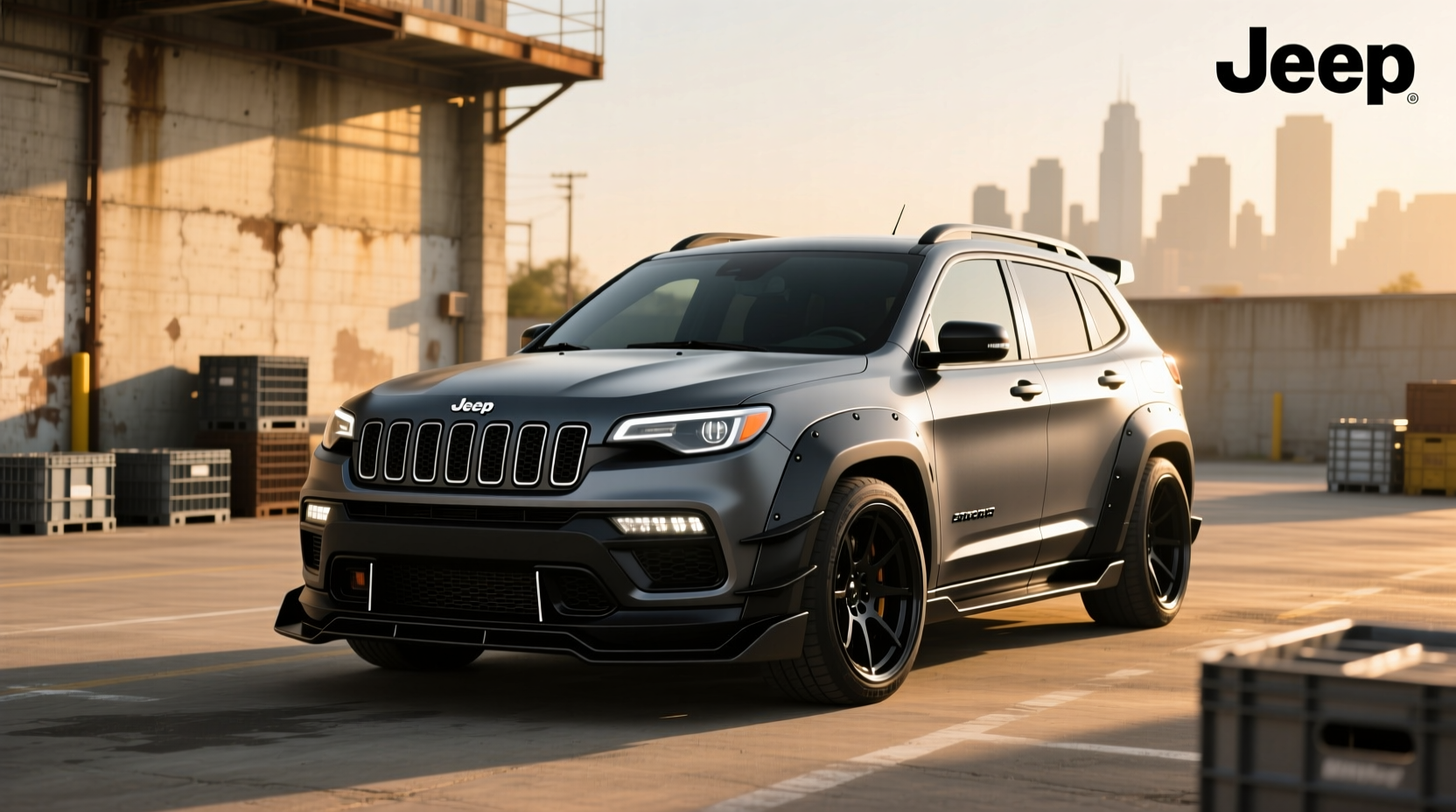
If you're searching for a Jeep Cherokee body kit, your goal is likely to enhance the vehicle's appearance with a more aggressive, customized look—whether mimicking the high-performance SRT style or achieving a widebody stance. However, selecting the right kit isn't just about aesthetics; it involves understanding model-year compatibility, material durability, installation complexity, and legal compliance. This guide breaks down everything you need to know before purchasing, from identifying which Grand Cherokee generations (WK, WK2, WL) your kit fits, to comparing fiberglass vs. ABS plastic, and avoiding costly mistakes in fitment and function.
Understanding Jeep Cherokee Model Generations and Fitment
One of the most critical factors when shopping for a Jeep Grand Cherokee body kit is ensuring compatibility with your specific model year and trim. The term “Cherokee” can be misleading—many users searching for 'Jeep Cherokee body kit' are actually referring to the larger, more popular Grand Cherokee, especially models from 2011–2023 (WK2 and WL generations). True Jeep Cherokee models (KL platform, 2014–present) have significantly different body dimensions and styling, meaning body kits are not interchangeable between the two lineups ✅.
The Grand Cherokee has evolved across several platforms:
- WK (2005–2010): Often sought after for retro SRT-look conversions using aftermarket front bumpers, side skirts, and flares.
- WK2 (2011–2021): The most popular generation for body modifications. Kits exist for Limited, Trailhawk, Overland, SRT, and Trackhawk trims. Some full kits aim to convert base models into SRT replicas 🌐.
- WL (2022–present): The newest generation features a sleeker design. As of 2024, fewer body kits are available, but demand is growing for aerodynamic and off-road-inspired upgrades.
❗ Always verify that the product description explicitly lists your model year and trim. A '2014–2021 Jeep Grand Cherokee body kit' may not account for mid-cycle facelifts (e.g., 2018+ front fascia changes), leading to misalignment during installation.
Types of Body Kits and Their Components
A full body kit typically includes multiple components designed to alter the vehicle’s profile and stance. Common parts include:
| Component | Purpose | Common Materials |
|---|---|---|
| Front Bumper / Splitter | Enhances aerodynamics and visual aggression | Fiberglass, ABS, Polyurethane |
| Rear Diffuser | Improves airflow and adds sporty finish | ABS, Fiberglass |
| Side Skirts | Reduces visual height and adds continuity | ABS, Urethane |
| Fender Flares / Widebody Extensions | Accommodates wider tires, enhances ruggedness | Fiberglass, Durable Plastic, Steel |
| Hood Scoops or Vents | Cosmetic or functional heat dissipation | Aluminum, ABS |
🔧 Some kits are marketed as 'SRT Look' or 'Demon Style'—these are aesthetic upgrades meant to replicate factory performance trims. They do not improve horsepower or handling but can significantly change curb appeal.
🛒 When browsing listings, note whether the kit is 'full' (all major panels) or partial (e.g., only fender flares). Partial kits are cheaper and easier to install but offer less transformation.
Material Comparison: Fiberglass vs. ABS vs. Urethane
The material used in a body kit affects durability, weight, paint adhesion, and repairability. Understanding these differences helps avoid premature cracking or warping.
Fiberglass 🏭
Fiberglass is a common choice for custom body kits due to its moldability and low cost. It holds paint well and can be sanded or repaired like OEM panels. However, it’s brittle and prone to cracking under impact—especially on rough roads or during off-roading. Ideal for show vehicles or daily drivers in mild climates.
ABS Plastic ⚙️
Acrylonitrile Butadiene Styrene (ABS) is a rigid thermoplastic often used in factory bumpers. Aftermarket ABS kits are more impact-resistant than fiberglass and handle temperature fluctuations better. They’re also lighter and easier to paint. Many premium brands use ABS for front bumpers and side skirts due to their balance of strength and finish quality.
Polyurethane/Urethane ✨
Flexible urethane is typically used for lips, splitters, and ground effects where minor flexing is expected. While highly durable and crack-resistant, urethane can degrade over time if exposed to UV light without proper coating. Not commonly used for full kits but found in add-on aerodynamic pieces.
✅ Tip: Avoid kits made from unspecified or generic 'durable plastic'—this often indicates lower-grade polypropylene that may warp or discolor within months.
Installation: DIY vs. Professional Help
Installing a body kit ranges from moderate to advanced difficulty depending on the number of components and required modifications. Most kits use bolt-on hardware, but some require trimming, drilling, or even suspension adjustments for widebody flares.
⏱️ Average installation times:
- Fender flares only: 2–4 hours (DIY-friendly)
- Full front bumper + splitter: 6–10 hours (may require headlight/grille removal)
- Complete body kit (front, sides, rear): 20+ hours (best done by professionals)
🔧 Required tools typically include socket sets, trim removal tools, drill, rivet gun, and alignment shims. Paint matching is a major consideration—pre-painted kits are rare and expensive. Most kits come in primer gray or black and must be professionally painted to match your vehicle.
❗ Misaligned gaps or uneven panel fitment are common complaints in user reviews. Even high-end kits from known manufacturers may need minor adjustments ('shimming') to sit flush with factory panels.
Performance and Functional Benefits: Myth vs. Reality
While many buyers focus on aesthetics, some expect functional improvements from a Jeep Grand Cherokee wide body kit. Let’s clarify what’s realistic:
- Aerodynamics: Minor gains possible with smooth splitters and diffusers, but negligible at highway speeds. Not a substitute for underbody panels.
- Off-Road Clearance: Standard body kits often reduce ground clearance due to added lips. For trail use, consider lift-compatible or recessed designs.
- Tire Clearance: Wide fender flares allow for larger tires (up to 35”), beneficial for off-road builds. Measure wheel backspacing before installing.
- Weight Impact: Most kits add 20–50 lbs total. Minimal effect on fuel economy or performance.
⚡ Real benefit: Structural reinforcement. Some reinforced fiberglass or composite kits add rigidity to thin factory plastic bumpers, reducing vibration and damage risk.
Cost Range and Value Considerations
Prices for Jeep Grand Cherokee body kits vary widely based on brand, material, and completeness:
- Budget ($300–$800): Entry-level fiberglass kits, often from smaller suppliers. May lack precise fitment or include minimal hardware.
- Mid-Range ($800–$1,800): ABS or hybrid kits with better finish, such as those from Vicrez or DrivenByStyle. Often include full packages with mounting hardware.
- Premium ($2,000–$6,500+): High-end widebody systems like Renegade Design’s TITAN or RNG-T’s Tyrannos V3. These involve extensive redesign, CNC-molded parts, and sometimes require suspension or fender rolling.
🚚 Shipping costs and import fees (for international orders) should be factored in. Some kits ship flat-packed and require assembly, adding labor time.
✅ Warning: Extremely low-priced kits (<$300) often cut corners on thickness, UV protection, or mold accuracy. Check seller reputation and return policies before buying.
Legal and Insurance Implications
Modified bodywork can affect vehicle legality and insurance coverage. In many U.S. states and European countries, protruding fender flares beyond a certain width (e.g., 3–4 inches past the tire) may violate regulations. Similarly, lowering the front bumper below a specified height can fail safety inspections.
📋 Before installing:
- Check local DMV or transport authority rules on aftermarket bodywork.
- Verify if the kit requires FMVSS compliance (e.g., reflector placement).
- Notify your insurer—some companies classify aggressive body kits as 'racing modifications,' potentially increasing premiums or voiding coverage in accidents.
📌 Example: California’s CHP regulates aftermarket parts under the "Show Car Rules," limiting how far flares extend beyond tires. Non-compliant kits may result in citations.
Top Brands and Where to Buy
No single brand dominates the Jeep body kit market, but several have established reputations for consistent quality:
- Vicrez: Known for 'Demon Style' and SRT-look kits. Offers detailed installation videos and U.S.-based support.
- Renegade Design: Premium German tuner offering full widebody systems for WK2, including carbon fiber options.
- SCL Performance: Specializes in aggressive European-style kits with integrated vents and splitters.
- DrivenByStyle / Extreme Dimensions: Offers Duraflex-based kits with UV-resistant coatings.
📍 Purchasing channels include dedicated automotive aftermarket sites, forums, and specialty shops. Avoid third-party marketplaces that don’t provide direct manufacturer contact or warranty details.
Common Mistakes to Avoid
Based on user feedback and technical forums, here are frequent pitfalls:
- Ignoring Trim Differences: A kit for a Trailhawk may not fit a Limited due to tow hooks or sensor placements.
- Skipping Paint Prep: Bonding issues occur if kits aren’t properly cleaned and primed before painting.
- Overlooking Sensor Interference: Front bumpers with integrated radar for adaptive cruise control must be compatible or modified.
- Assuming Universal Fit: No 'one-size-fits-all' kit exists—even within the same generation.
🔍 Pro tip: Search YouTube for 'WK2 body kit install' to see real-world fitting challenges before ordering.
Maintenance and Longevity Tips
After installation, maintaining your body kit ensures long-term appearance and function:
- Wash regularly to prevent dirt buildup, especially in crevices.
- Apply UV-protectant wax every 3–6 months to prevent fading or brittleness.
- Inspect mounting points annually for loose bolts or cracked brackets.
- Repair cracks promptly with fiberglass resin or plastic welding to prevent water intrusion.
🧼 For matte-finish kits, avoid standard car waxes—they can create shine spots. Use sealants designed for non-gloss surfaces.
Future Trends: Factory-Style Integration and OEM Partnerships
As customization grows, some tuners are partnering with OEM-approved shops to offer certified body kits. These include VIN-specific fitment data and extended warranties. Additionally, 3D scanning and digital templating are improving precision, reducing the need for manual adjustments.
🌐 Expect more modular kits in the coming years—allowing owners to upgrade incrementally (e.g., start with flares, add a front lip later).
Frequently Asked Questions (FAQs)
- Can I install a Jeep Grand Cherokee body kit myself?
- Yes, if you have mechanical experience and the right tools. Simple kits like fender flares are DIY-friendly. Full kits with bumpers and diffusers often require professional help for alignment and painting.
- Will a body kit void my Jeep’s warranty?
- Not automatically. Under the Magnuson-Moss Warranty Act, dealers must prove the modification caused the failure to deny warranty service. However, damage directly related to the kit (e.g., cracked bumper affecting sensors) may not be covered.
- Are widebody kits street legal?
- It depends on your location. In many areas, fender flares can extend up to 3 inches beyond the tire tread. Check local laws before installing aggressive widebody kits.
- Do body kits improve off-road capability?
- Generally no. Most kits reduce ground clearance and add vulnerable protrusions. For off-roading, consider skid plates and rock sliders instead.
- How do I paint a body kit to match my Jeep?
- Always have the kit painted by a professional auto body shop. Provide them with your vehicle’s color code (found on the driver’s door jamb) and ensure they blend the edges properly for a seamless finish.




 浙公网安备
33010002000092号
 浙B2-20120091-4