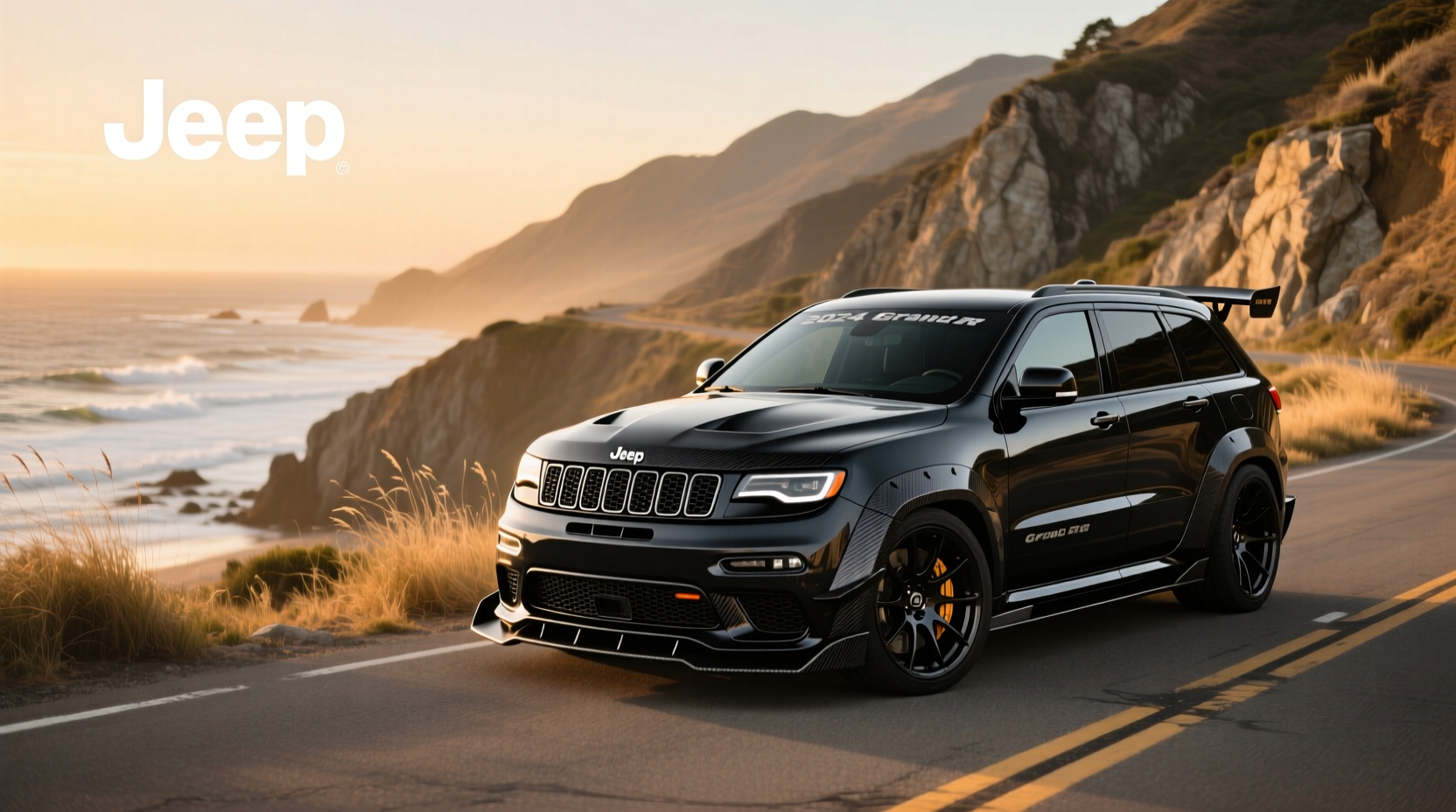
If you're searching for a Jeep Grand Cherokee SRT body kit, the most important factor is ensuring proper fitment across model years and trim levels. Many kits advertised as universal for WK2 models (2011–2021) may not align perfectly with factory dimensions, especially between standard trims and performance variants like the SRT or Trackhawk. This guide breaks down everything you need to know—material types, installation complexity, brand comparisons, and potential pitfalls—so you can make an informed decision without costly mistakes.
Understanding the Jeep Grand Cherokee SRT Body Kit
A body kit enhances the visual aggression and aerodynamic profile of your Jeep Grand Cherokee SRT. Typically, these kits include front bumpers, side skirts, rear diffusers, fender flares, and hood enhancements designed to mimic or exceed the factory SRT styling. However, not all kits are created equal. Some are marketed as 'SRT look' packages for non-SRT models, while others are full widebody conversions requiring significant modifications.
🔍 The term 'Jeep Grand Cherokee SRT body kit' often overlaps with related searches such as '2022 Jeep Grand Cherokee body kit,' 'Jeep Grand Cherokee wide body kit,' or 'SRT8 body kit for sale.' But compatibility varies drastically depending on whether your vehicle is a WK (2005–2010), WK2 (2011–2021), or WL (2022–present) generation. Installing a kit meant for one platform on another will result in misalignment, gaps, or structural interference.
Model Year & Platform Compatibility: What You Need to Know
The Jeep Grand Cherokee has undergone several major redesigns, and body kits are rarely cross-compatible:
- WK (2005–2010): Older models have distinct front-end geometry. Kits labeled for '2006–2019' should be approached with caution—they often only fit early or late sub-ranges, not all years.
- WK2 (2011–2021): This is the most common platform for modern SRT body kits. It includes trims like Limited, Trailhawk, SRT, and Trackhawk. While some manufacturers claim universal fitment across all WK2 variants, differences in wheel arch size, bumper mounting points, and sensor locations (like radar or cameras) can affect installation.
- WL (2022–present): The latest generation features a completely redesigned chassis and lighting layout. Most existing SRT-style kits do not fit without custom fabrication.
✅ Always verify the exact model year and trim before purchasing. A kit that fits a 2014 Grand Cherokee SRT may not work on a 2021 model due to facelift changes in the front fascia and grille design.
Types of Body Kits and Their Features
There are three main categories of body kits available for the Jeep Grand Cherokee SRT:
1. Full Cosmetic Overlays ('SRT Look' Kits)
🛒 These are designed for owners who want the aggressive appearance of an SRT without buying the full performance model. They typically include:
- Front bumper with larger air intakes
- Side rocker panels
- Rear valance or diffuser
- Fender flares (sometimes bolt-on, sometimes integrated)
These kits are usually made from ABS plastic or fiberglass and attach using double-sided tape and screws. Installation time ranges from 6 to 12 hours depending on experience.
2. Widebody Conversion Kits
🔧 True widebody systems, such as those from Renegade Design or Vicrez, extend the fenders by several inches to accommodate wider wheels and tires. These require cutting or replacing factory fenders and often involve welding or bonding composite panels.
Such kits dramatically alter the vehicle’s footprint and may require suspension adjustments or custom alignment settings. Due to their complexity, professional installation is strongly recommended.
3. OEM-Style Replacement Parts
🏭 Some buyers seek individual components—like an SRT front bumper or hood—to replace damaged parts or upgrade from a lower trim. These are often sourced from salvage yards or aftermarket suppliers and must match the VIN-specific configuration (e.g., sensor integration, fog light placement).
| Kit Type | Material | Installation Difficulty | Average Cost | Best For |
|---|---|---|---|---|
| SRT Look (Full Kit) | Duraflex, ABS, Fiberglass | Moderate | $1,000–$2,000 | Appearance upgrade on non-SRT models |
| Widebody Conversion | Fiberglass, Carbon Fiber | High (Professional Help Needed) | $3,000–$7,000+ | Track-focused builds, show vehicles |
| OEM Replacement Bumpers | Plastic, Composite | Low to Moderate | $500–$1,500 | Repair or factory-style refresh |
Material Differences: Duraflex vs. Fiberglass vs. ABS
The material used in a body kit affects durability, weight, paint adhesion, and cost:
Duraflex
✨ A proprietary thermoplastic blend known for flexibility and impact resistance. Often used in high-end kits because it resists cracking in cold weather and handles minor impacts better than fiberglass. Requires professional prep before painting.
Fiberglass
🧱 Lightweight and moldable, but more brittle. Can crack under stress or improper handling. Cheaper to produce, which lowers kit prices. Must be sealed properly before priming to prevent moisture absorption.
ABS Plastic
⚡ Similar to OEM bumpers, making it easier to paint and repair. Offers good UV resistance and thermal stability. Commonly used in bolt-on lip kits and side skirts. Less suitable for large fender extensions due to limited structural strength.
When comparing products, check product descriptions carefully. Some listings say 'fiberglass' but actually use low-grade resin layups prone to warping. Reputable vendors specify wall thickness and reinforcement methods.
Installation Considerations and Common Challenges
Installing a body kit isn't just about bolting on new parts. Real-world challenges include:
- Sensor Interference: Modern Jeeps have front parking sensors, adaptive cruise control radar, and camera housings embedded in the bumper. Aftermarket kits may block or displace these, triggering error codes or disabling safety features.
- Paint Matching: Factory paint codes vary even within the same model year. Pre-painted kits risk mismatch, while unpainted ones require professional prep and paint ($800–$2,000+).
- Gaps and Alignment: Poorly manufactured kits exhibit uneven panel gaps. Test-fit before final attachment and allow room for shimming.
- Warranty Implications: Modifications may void portions of your factory warranty if they cause related damage (e.g., airflow disruption affecting engine cooling).
⏱️ Average installation time: 8–20 hours for a full kit, depending on modifications needed. If you’re not experienced with auto bodywork, budget for professional labor at $100–$150/hour.
Top Brands and Where to Buy
Several manufacturers specialize in Jeep Grand Cherokee body kits. Here's an overview based on community feedback and long-term reliability:
Vicrez
👥 Known for detailed designs and consistent fitment on WK2 platforms. Offers both 'Demon Style' widebody kits and more subtle SRT-look packages. Products are typically made from fiberglass or Duraflex. Sold through authorized dealers like ExtremeTerrain.com.
Renegade Design
🌐 Produces premium widebody systems with aggressive flares and integrated aerodynamics. Higher price point ($6,000+) but praised for build quality. Based in Europe, so shipping to North America may take 3–6 weeks.
Extreme Dimensions / DrivenByStyle
🛒 Offers budget-friendly Duraflex kits aimed at entry-level modders. Fitment reports are mixed—some users report needing trimming or filler work. Best suited for DIYers comfortable with corrections.
📍 Avoid unbranded kits sold with vague descriptions like 'fits most Grand Cherokees.' These often lack engineering precision and customer support.
Cost Breakdown: What to Expect
Pricing varies widely based on scope and quality:
- Bumper-only upgrades: $500–$1,200
- Full 4-piece cosmetic kit: $1,000–$2,500
- Complete widebody conversion: $3,000–$7,000+
- Professional installation: $1,000–$3,000
- Paint and finishing: $800–$2,500
🚚 Shipping costs can add $100–$500, especially for oversized fiberglass pieces. Check return policies—some sellers charge restocking fees up to 20%.
Common Misconceptions About SRT Body Kits
❗ Despite popularity, several myths persist:
- Myth: All SRT kits improve performance. Reality: These are aesthetic upgrades. Unless paired with suspension, brake, and powertrain mods, they don’t enhance speed or handling.
- Myth: Any 'SRT-style' kit fits my Jeep. Reality: Even small differences in headlight shape or tow hook placement affect compatibility.
- Myth: Fiberglass is always cheaper. Reality: High-quality fiberglass with proper reinforcement can cost more than ABS due to labor-intensive production.
- Myth: Installation is plug-and-play. Reality: Most kits require drilling, trimming, or removal of factory clips and brackets.
How to Verify Fitment Before Buying
To avoid ordering the wrong part:
- Confirm your exact model year and trim (e.g., 2018 Grand Cherokee SRT, not just '2018 Jeep').
- Check if the kit specifies WK, WK2, or WL platform.
- Look for photos of the kit installed on the same year and trim as yours.
- Contact the seller with your VIN to confirm sensor and lighting compatibility.
- Search forums (like JeepForum.com or Reddit’s r/GrandCherokee) for real user reviews.
📌 Example: A kit listed as 'Compatible with 2011–2013 Jeep Grand Cherokee' might only fit pre-facelift models and exclude 2014+ versions with updated grilles.
Legal and Safety Considerations
In some regions, modified bodywork must meet regulations:
- United States: No federal restrictions on body kits, but states like California have strict emissions and visibility rules (e.g., headlights must remain above certain height).
- European Union: Requires E-marking and technical approval for structural changes. Widebody kits may need certification.
- Insurance: Declare modifications to your insurer. Failure to do so could lead to denied claims after an accident.
Always ensure lights, reflectors, and sensors remain functional post-installation.
Maintenance Tips After Installation
Once installed, maintain your body kit with these practices:
- Wash regularly with pH-neutral soap; avoid pressure washers near seams.
- Inspect mounting hardware every 6 months for loosening.
- Touch up paint chips promptly to prevent moisture ingress and rust on underlying metal.
- Re-torque bolts after the first 500 miles as materials settle.
🧼 Use wax sparingly on matte finishes—opt for sealants designed for composites instead.
Conclusion: Making the Right Choice
Selecting a Jeep Grand Cherokee SRT body kit requires balancing aesthetics, budget, compatibility, and long-term usability. Prioritize fitment accuracy over price, choose reputable brands with clear specifications, and plan for professional help if tackling complex installations. Whether you're upgrading a daily driver or building a showpiece, understanding the nuances of materials, design, and regional requirements ensures a satisfying outcome without unexpected setbacks.
Frequently Asked Questions
- Can I install a Jeep Grand Cherokee SRT body kit myself?
- Yes, if you have mechanical experience and tools. Simple bolt-on kits can be manageable for advanced DIYers, but widebody or fiberglass kits often require professional prep, fitting, and painting.
- Will an SRT body kit fit a non-SRT Grand Cherokee?
- Most SRT-style kits are designed to fit non-SRT models, but verify compatibility with your specific year and trim. Differences in sensor placement and bumper structure may require modifications.
- Do body kits affect fuel efficiency?
- Aggressive kits can increase drag, potentially reducing highway efficiency slightly. However, the impact is usually minimal unless combined with lifted suspensions or off-road tires.
- Are fiberglass body kits durable in winter?
- Fiberglass can become brittle in extreme cold and may crack from road debris or improper handling. Proper installation and avoiding curb contact help maintain integrity.
- Can I pass inspection with an aftermarket body kit?
- In most U.S. states, yes—as long as lights, reflectors, and safety systems function correctly. In Europe, structural modifications may require formal approval.




 浙公网安备
33010002000092号
 浙B2-20120091-4