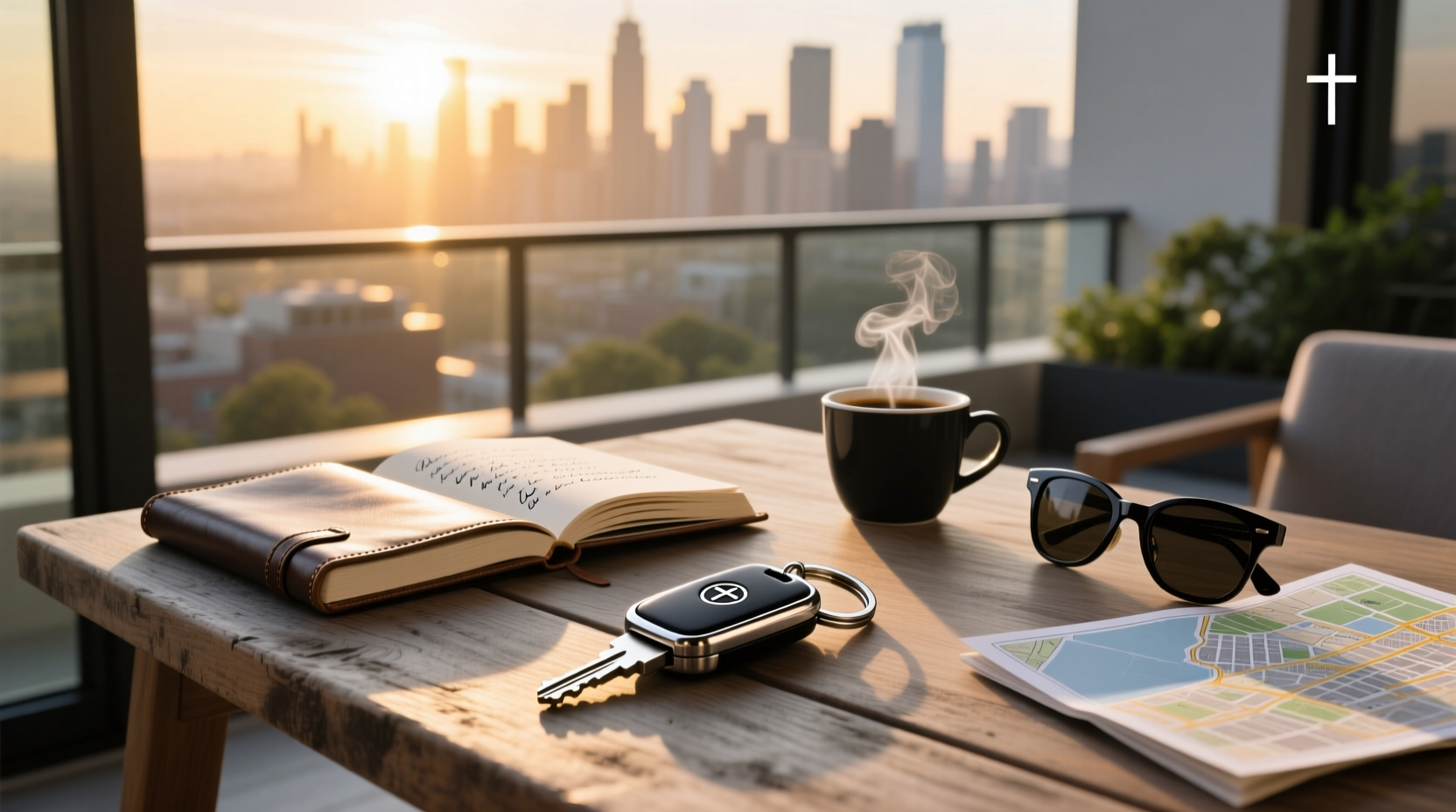
If you're searching for a replacement key fob keychain or wondering whether you can customize one for convenience, security, or style, the answer is yes — but with important caveats. Many drivers overlook the difference between a functional key fob and the decorative keychain it's attached to, leading to confusion when replacing lost remotes or upgrading vehicle access systems. This guide breaks down everything you need to know about automotive key fobs, compatible keychains, programming requirements, security risks like relay attacks, and where to source reliable replacements without overpaying at dealerships.
Understanding Key Fobs vs. Keychains: What’s the Difference?
🛒 Key fobs are electronic devices used to lock, unlock, and sometimes start modern vehicles wirelessly. They contain radio frequency (RF) transmitters that communicate with your car’s receiver system. In contrast, a keychain is the physical ring or attachment that holds your keys together — often decorative or branded. While these two components serve different functions, they’re frequently grouped in online searches due to their shared use in daily driving routines.
Many consumers mistakenly believe that purchasing a new keychain will restore lost remote functionality. However, unless the item includes an embedded circuit board and battery-powered transmitter, it won’t operate your vehicle. When shopping for a replacement, always confirm whether the product is a blank mechanical key, a programmed transponder key, or a full smart key fob with remote entry capabilities.
Types of Automotive Key Fobs Explained
Not all key fobs work the same way. Understanding the type your vehicle uses is essential before buying a replacement:
- Basic Remote Entry Fobs: These allow locking/unlocking doors from a distance but don’t support push-button start. Common on older models or base trims.
- Smart Key Fobs (Passive Entry): Enable keyless entry and ignition. The car detects the fob’s presence within range, allowing door unlocking and engine startup without pressing any buttons.
- Transponder Keys: Physical metal keys with embedded chips that prevent engine startup unless recognized by the car’s immobilizer system. Often integrated into flip-style fobs.
- Universal/Aftermarket Fobs: Programmable units designed to mimic OEM signals. Vary widely in reliability depending on brand and compatibility.
⚙️ Some high-end vehicles now use digital key technology via smartphones, reducing reliance on traditional fobs altogether. But for most drivers, physical remotes remain standard.
OEM vs. Aftermarket Key Fobs: Which Should You Choose?
When replacing a lost or damaged key fob, you typically have two paths: original equipment manufacturer (OEM) parts or aftermarket alternatives.
| Feature | OEM Key Fobs | Aftermarket Key Fobs |
|---|---|---|
| Source | Manufactured by companies like Strattec or Huf Group 1 | Sold by third-party suppliers such as Keyless Entry Remote Inc or Car Keys Express |
| Pricing | $100–$400+ through dealership | $20–$100 online |
| Compatibility | Guaranteed fit and function | Varies; may require manual programming |
| Programming Required | Often required, even if pre-coded | Nearly always requires user or professional programming |
| Durability | Built to withstand environmental stress | Mixed quality; some lack weather resistance |
✅ OEM fobs offer guaranteed compatibility and long-term reliability since they’re made by the same suppliers that built your car’s original system. However, prices at dealerships are often inflated.
🔧 Aftermarket fobs can save up to 80% compared to dealer costs 2. But success depends heavily on correct model matching and proper programming. Some budget units fail prematurely due to poor soldering or inferior batteries.
How to Buy and Program a Replacement Key Fob
🚚 Purchasing a replacement doesn’t necessarily mean visiting a dealership. Here’s how to do it yourself:
- Identify Your Vehicle’s Key Type: Check your owner’s manual or look up your VIN on auto parts websites to find the exact fob model number.
- Select a Reputable Supplier: Look for sellers specializing in automotive keys, not general e-commerce marketplaces. Companies like Tom’s Key Company or American Key Supply focus solely on this niche.
- Check Programming Requirements: Some fobs come pre-programmed; others require syncing using specific sequences (e.g., turning the ignition on/off multiple times).
- Program the Fob: For simple remotes, follow DIY instructions provided by the seller. More complex systems (especially those with immobilizers) may require a locksmith or scan tool.
⏱️ Simple keyless entry remotes can be programmed in under 15 minutes using factory procedures. Smart keys with passive entry often require specialized diagnostic tools only available at dealerships or professional shops.
Common Misconceptions About Key Fobs and Keychains
❗ Several myths persist about key fob functionality and protection:
- Myth: Aluminum foil fully blocks signal theft. While wrapping your fob in foil can reduce signal strength, it’s not foolproof. A Faraday pouch specifically designed for RFID blocking is more effective 3.
- Myth: All blank keys can be cut and programmed easily. Modern transponder keys must match both mechanical cut and chip code. Generic blanks may not align with your vehicle’s encryption protocol.
- Myth: Any keychain attachment affects performance. Most decorative keychains don’t interfere with RF signals unless they contain large metal pieces near the fob antenna.
Security Risks: Can Someone Steal Your Car Using Your Key Fob?
⚡ Yes — through a technique called a relay attack. Thieves use devices to amplify the signal from your fob inside your home to a accomplice near your car, tricking it into thinking the key is present.
To protect against this:
- Store your key fob in a signal-blocking Faraday box or sleeve.
- Avoid placing it near exterior walls or windows overnight.
- Consider disabling passive entry features in your car settings if rarely used.
- Use secondary locks (e.g., steering wheel locks) in high-risk areas.
🔍 Testing your fob’s signal leakage: Stand outside your front door with someone inside holding the fob. If the car unlocks, your signal may be vulnerable.
Customization Options: Personalizing Key Fobs and Keychains
✨ While OEM fobs aren’t customizable beyond color variants, many users opt for personalized keychains for identification or branding purposes.
Available customization options include:
- Laser-engraved initials or logos on metal tags
- Colored silicone sleeves (red, pink, gray, black, etc.)
- Wooden or composite material keychains from specialty manufacturers
- Branded corporate key fobs for fleet vehicles
📍 Note: Custom engravings or bulky attachments should not obstruct the fob buttons or internal antenna. Always test operation after adding accessories.
Shopping Tips: How to Find Reliable Key Fobs Under $50
🛒 Many users search for “key fob keychain under $20” or “replacement red key fob,” but low price doesn’t guarantee performance. Consider these tips:
- Filter results by vehicle make, model, and year — never assume compatibility based on appearance.
- Look for sellers offering free shipping over $20 and return policies (ideally 90 days).
- Read reviews focusing on durability and programming ease.
- Avoid listings labeled “for parts” unless you’re repairing an existing unit.
- Confirm battery type (usually CR2032) and availability for future replacements.
📌 Be cautious of counterfeit fobs mimicking OEM designs. Genuine units usually have crisp branding, consistent plastic molding, and precise button feedback.
Regional Differences and Availability
🌐 In the U.S., federal regulations allow consumers the right to obtain duplicate keys without going through dealerships. This has fostered a robust aftermarket industry. However, in some regions, automakers restrict access to programming software, making independent replacement harder.
If you live outside the U.S., verify local laws regarding key duplication and whether third-party programming tools are legally permitted.
When to Avoid DIY Replacement
🔧 While many basic fobs can be self-programmed, avoid DIY methods if:
- Your vehicle uses encrypted rolling codes (common post-2010)
- You’re replacing multiple keys simultaneously
- The fob integrates with advanced driver profiles or biometric systems
- You lack technical confidence or troubleshooting tools
In these cases, consult a certified locksmith or authorized service center to prevent bricking the immobilizer system.
Environmental and Longevity Factors
🧼 Key fobs endure significant wear — exposure to moisture, temperature extremes, and physical drops. Over time, seals degrade, batteries drain faster, and buttons stick.
To extend lifespan:
- Replace the battery every 2–3 years, even if still working.
- Clean around buttons with isopropyl alcohol to remove grime.
- Keep spare fobs in a dry, room-temperature location.
- Use protective cases to prevent cracking.
Future Trends: Are Physical Key Fobs Becoming Obsolete?
📱 Digital keys stored on smartphones (Apple Wallet, Android Auto) are gaining traction, especially among EV manufacturers. These eliminate physical fobs entirely, using Bluetooth or NFC to authenticate access.
However, widespread adoption faces hurdles:
- Dependence on phone battery life
- Limited interoperability across brands
- Security concerns around hacking or lost phones
- No universal backup method yet
For now, physical key fobs remain the most reliable option for the majority of drivers.
Frequently Asked Questions (FAQs)
- Can I buy a key fob and program it myself?
- Yes, for many vehicles — especially models before 2015 or those with simple remote entry. Newer cars with smart keys often require professional tools. Always check programming instructions before purchase.
- Are aftermarket key fobs any good?
- They vary. High-quality aftermarket fobs from reputable suppliers perform well and cost significantly less than OEM. Low-end versions may fail prematurely or lack waterproofing.
- Why put aluminum foil around your key fob?
- Some believe it blocks wireless signals to prevent relay theft. While it offers minimal shielding, dedicated Faraday pouches are far more effective.
- Can AutoZone make a key fob?
- AutoZone and similar stores can cut mechanical keys and may program certain transponder keys, but they generally don’t stock or program full remote key fobs. Specialized key vendors are better suited.
- What’s the difference between a key fob and a keychain?
- A key fob is the electronic device that controls your car remotely; a keychain is the ring or holder that keeps your keys together. One is functional, the other organizational.




 浙公网安备
33010002000092号
 浙B2-20120091-4