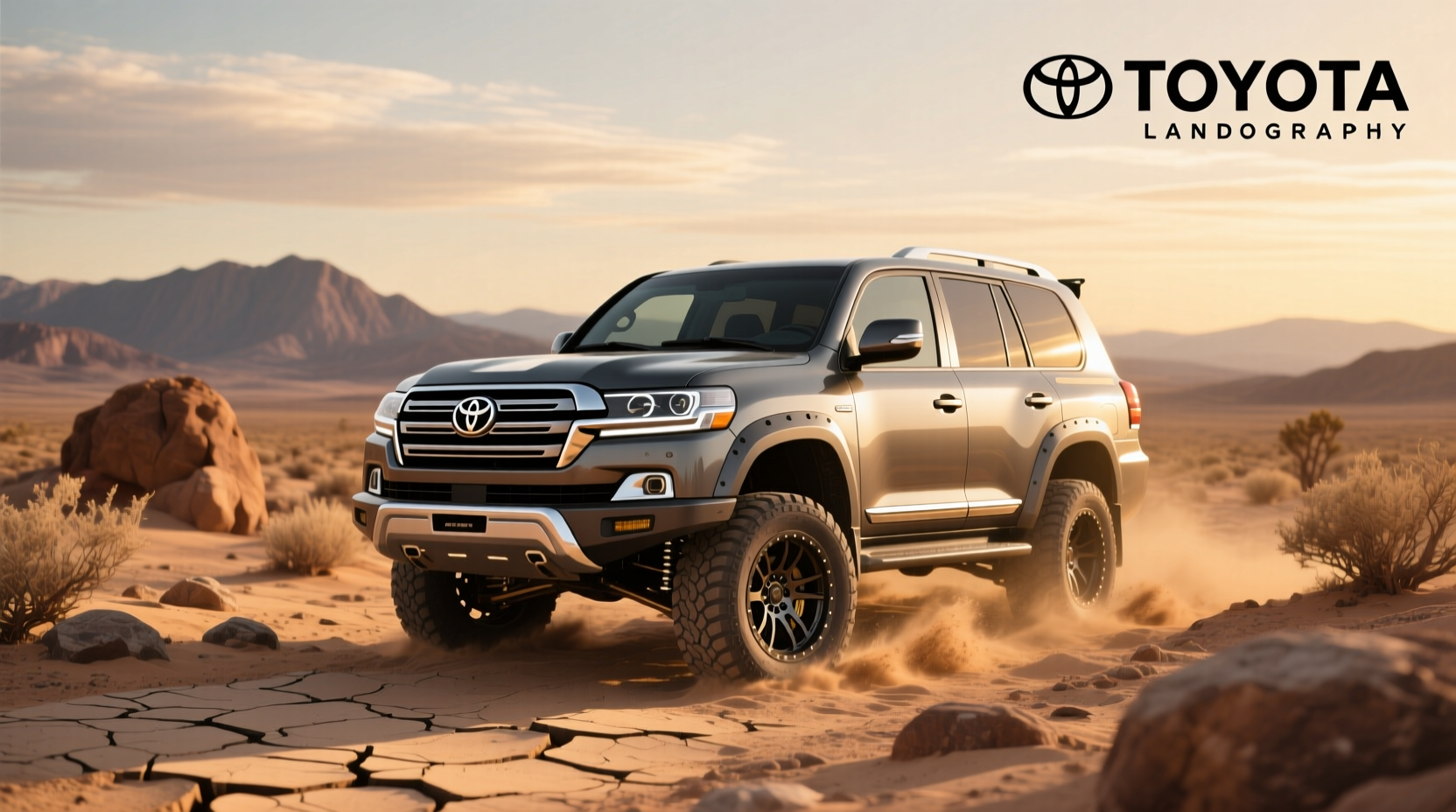
Upgrading your 2024–2025 Toyota Land Cruiser 250 with a lift kit can significantly enhance ground clearance, approach angles, and off-road capability—especially when paired with larger tires like 33-inch all-terrains ⚙️. A well-chosen lift kit for the Land Cruiser 250 balances improved performance with ride comfort and long-term reliability. Whether you're planning overlanding trips or simply want more aggressive stance and underbody protection, understanding the differences between leveling kits, preload spacers, and full suspension lifts is essential. This guide breaks down everything you need to know before buying or installing a lift kit on the new Land Cruiser 250 platform.
Why Consider a Lift Kit for the Land Cruiser 250?
The new J250-series Toyota Land Cruiser returns with a body-on-frame design, full-time 4WD, and serious off-road engineering—but from the factory, it sits conservatively to prioritize on-road manners and aerodynamics. Many owners find that even minor modifications, such as adding a lift kit, unlock greater trail performance.
Key benefits of installing a lift kit include:
- Increased Ground Clearance: Raising the vehicle helps avoid rock strikes and improves breakover angles.
- Better Tire Clearance: Allows fitment of larger tires (e.g., 295/70R18 or 33x11.50R18), which boosts traction and flotation on soft terrain.
- Improved Approach and Departure Angles: Especially beneficial for steep inclines and rocky descents.
- Enhanced Appearance: Some users prefer a more aggressive, lifted stance for visual appeal.
- Compatibility with Accessories: Works well with front bumpers, winches, skid plates, and roof racks in overland builds.
However, lifting the Land Cruiser 250 isn’t without trade-offs. Changes in suspension geometry, center of gravity, and drivetrain alignment must be carefully managed to maintain safety and durability.
Types of Lift Kits for the Land Cruiser 250
Not all lift kits are created equal. The type you choose depends on your goals, budget, and intended use. Here are the most common options available for the 2024–2025 Land Cruiser 250:
1. Leveling Kits (🔧 0.5”–1.5” Front Lift)
A leveling kit raises the front of the vehicle slightly to match the stock rear height, eliminating the factory nose-down rake. This small lift allows for modest tire upgrades (up to ~32 inches) and improves appearance without major mechanical changes.
- Pros: Low cost, easy installation, minimal impact on handling or warranty.
- Cons: Limited clearance gain; doesn’t address rear squat under load.
- Example: ReadyLIFT offers a 1.5" leveling kit for the Land Cruiser 250 that maintains OEM suspension travel while improving front-end stance.
2. Preload Spacer Lifts (🔧 1.5”–2.5” Total Lift)
These kits modify the existing coil spring preload using adjustable collars or spacers on the struts. They’re popular because they retain factory shocks and springs while offering noticeable lift—ideal for fitting 33-inch tires without major rework.
- Pros: Cost-effective, bolt-on design, preserves OEM ride quality if tuned properly.
- Cons: May reduce suspension compression travel; potential for premature CV joint wear if angle changes are too great.
- Example: Westcott Designs’ 2.5" front / 0.75" rear preload collar kit is widely used and documented in YouTube installations 1.
3. Full Suspension Lift Kits (🔧 2”–3”+ Complete System)
These replace or upgrade key components including shocks, springs, control arms, and linkages. Brands like Ironman 4x4, Dobinsons, and Main Line Overland offer complete systems designed specifically for the J250 platform.
- Pros: Maximum articulation, optimized damping, better load-carrying ability for overlanding.
- Cons: Higher cost ($1,200–$3,000+), complex installation, may require professional alignment and tuning.
- Example: TORQ Engineering’s lift kits focus on matching OEM+ performance standards with upgraded valving and progressive spring rates.
4. Body Lifts (Rare for Modern SUVs)
Body lifts raise only the body relative to the frame using spacers between them. These are uncommon on modern unibody or tightly integrated platforms like the Land Cruiser 250 due to concerns about driveline angles, brake lines, and steering linkage interference.
- Not Recommended: Most experts advise against body lifts on this model due to complexity and risk of component damage.
How Much Lift Do You Really Need?
Many owners ask: “Is a 2-inch lift noticeable?” Yes—it provides visible stance improvement and enables 33-inch tires in most cases, assuming proper backspacing and wheel offset. However, more lift isn’t always better.
Consider these guidelines:
- 0–1”: Ideal for leveling – cosmetic enhancement and slight tire clearance.
- 1.5–2”: Balanced upgrade – fits 33" tires, improves off-road geometry without drastic handling changes.
- 2.5–3": Aggressive off-roader setup – best for dedicated trail rigs with reinforced drivetrains and aftermarket wheels.
- Over 3": Requires extensive modifications – likely needs extended brake lines, differential drops, and steering corrections.
For most users, a 2" to 2.5" total lift offers the sweet spot between function and drivability.
Will a Lift Kit Void Your Warranty? ❓
This is one of the most frequently asked questions: “Does a 2 inch lift void the warranty on a Toyota?”
The short answer: Not automatically, but it can complicate claims.
Under the Magnuson-Moss Warranty Act in the U.S., manufacturers cannot void your entire warranty just because you’ve installed aftermarket parts—unless those parts directly caused the failure. However, if a mechanic finds that a lifted suspension contributed to a problem (e.g., CV joint failure due to excessive angle), Toyota may deny coverage for that specific component.
To protect yourself:
- Keep receipts and installation records.
- Use kits labeled as “bolt-on” and non-invasive where possible.
- Ask dealerships to document pre-lift condition during service visits.
- Be prepared to remove the lift if disputing a warranty claim.
Dealerships vary in enforcement—some are lenient, others may refuse service altogether. Research local dealer policies before proceeding.
Tire Fitment After Lifting the Land Cruiser 250
One primary reason for lifting is to run larger tires. With a proper 2"–2.5" lift, most owners successfully install 33x11.50R18 (or metric equivalent 295/70R18) tires.
Recommended tire sizes by lift height:
| Lift Height | Max Recommended Tire Size | Wheel Offset Consideration |
|---|---|---|
| Stock (0") | 32" max (with minor trimming) | Stick to +35 to +50mm offset |
| 1.5"–2" | 33" x 11.50" (295/70R18) | Wider wheels OK; aim for +18 to +35mm |
| 2.5"+ | 34"–35" possible (minor fender trimming) | Aftermarket flares recommended |
Popular choices include:
- Toyo Open Country AT3
- Nitto Ridge Grappler / Recon Grappler
- BFGoodrich KO2
- Falken Wildpeak AT3W
Note: Always perform a turn-and-bump test after installation to check for rubbing at full lock and full compression.
Installation Complexity and Tools Required
Installing a lift kit ranges from moderate DIY work to requiring professional help, depending on the type.
Leveling & Preload Kits: Moderate Skill Level
- Time: 4–6 hours
- Tools: Floor jack, jack stands, torque wrench, spring compressors (for strut disassembly), socket set
- Tips: Label all bolts; follow torque specs precisely; reset TPMS sensors afterward
Full Suspension Lifts: Advanced or Professional
- Time: 8–15 hours
- Tools: Impact wrench, ball joint separator, alignment tools, possibly welder for certain brackets
- Tips: Have a professional alignment done post-install; consider upgrading sway bar links and brake lines if extended travel is expected
Video tutorials from brands like TORQ Engineering and Westcott Designs provide step-by-step walkthroughs 2.
Performance Trade-Offs and Real-World Impacts
While lifting enhances off-road performance, it affects daily driving characteristics:
- Ride Quality: Can improve or worsen depending on shock valving. High-quality kits often tune for better damping over bumps.
- Center of Gravity: Increases rollover risk slightly, especially on side slopes or high-speed cornering.
- Fuel Economy: Larger tires and increased drag typically reduce MPG by 1–3 mpg.
- Steering Feedback: May feel vaguer due to altered caster angles; adjustable upper control arms can correct this.
- Driveline Vibration: Possible if driveshaft angles exceed design limits—monitor for shuddering under acceleration.
Regular inspection of bushings, ball joints, and CV boots is critical after lifting.
Top Brands Offering Land Cruiser 250 Lift Kits
Several reputable manufacturers now produce kits tailored to the J250 platform:
- Westcott Designs: Known for precision-machined preload collars and clean integration.
- ReadyLIFT: Offers affordable leveling and SST (Spacer/Spring/Tower) kits with nationwide support.
- Main Line Overland: Focuses on overlanding-ready packages with durable components.
- Ironman 4x4 USA: Australian brand with heavy-duty coilovers and long-travel designs.
- Dobinsons: Offers adjustable-height coilovers ideal for variable load conditions.
- TORQ Engineering: Emphasizes OE-style refinement with enhanced off-road performance.
When comparing brands, evaluate:
- Material quality (e.g., forged vs. cast components)
- Warranty length and terms
- Availability of replacement parts
- User reviews across forums and YouTube
Cost Range and Budget Planning
Pricing varies significantly based on lift type and brand:
| Kits Type | Average Price Range | Labor Estimate (if outsourced) |
|---|---|---|
| Leveling Kit | $200–$400 | $300–$500 |
| Preload Collar Kit | $450–$600 | $500–$800 |
| Full Suspension Lift | $1,200–$3,000+ | $1,000–$2,000 |
| Alignment & Tuning | N/A | $150–$300 |
Total project cost (parts + labor): $700–$5,000+, depending on scope.
Common Misconceptions About Lifting the Land Cruiser 250
- Misconception: “Any lift will allow 35-inch tires.”
Reality: Even a 3" lift usually requires fender modification and aftermarket flares for 35s. - Misconception: “Lift kits ruin reliability.”
Reality: Well-designed kits from reputable brands don’t inherently reduce longevity—if installed correctly and maintained. - Misconception: “All lift kits require cutting or welding.”
Reality: Most modern kits are bolt-on; fabrication is only needed for extreme builds. - Misconception: “You’ll lose towing capacity.”
Reality: Minor lifts don’t affect tow rating, but payload distribution changes may alter dynamics.
Final Recommendations: Who Should Lift Their Land Cruiser 250?
Lifting makes sense for:
- Off-road enthusiasts needing extra clearance for trails
- Overlanders adding weight via rooftop tents and gear
- Owners wanting improved aesthetics and tire fitment
Avoid lifting if:
- You primarily drive on highways and value fuel economy
- You rely heavily on factory warranty coverage
- You lack access to proper tools or technical knowledge
- Your garage has low clearance or tight parking space
If you proceed, choose a kit that matches your usage, research compatibility thoroughly, and consider professional installation for complex systems.
Frequently Asked Questions
- Can I install a lift kit myself?
- Yes, if you have mechanical experience and the right tools. Leveling and preload kits are manageable for intermediate DIYers. Full suspension lifts often require professional help due to complexity and torque specifications.
- How much does it cost to lift a Land Cruiser?
- Total cost ranges from $700 (basic leveling) to over $5,000 (full suspension system with labor). Most mid-range setups (2"–2.5") cost $2,000–$3,500 fully installed.
- Is a 2 inch lift noticeable on the Land Cruiser 250?
- Yes. A 2-inch lift visibly levels the stance and allows fitment of 33-inch tires, improving both appearance and off-road capability.
- Will a lift void my Toyota warranty?
- No, not automatically. Under U.S. law, Toyota can only deny claims related to components affected by the modification. However, some dealers may be reluctant to service modified vehicles.
- What size tires fit with a 2.5" lift?
- With a 2.5" lift, 33x11.50R18 (or 295/70R18) tires typically fit without rubbing. For 34"–35" tires, expect minor trimming or fender flares.




 浙公网安备
33010002000092号
 浙B2-20120091-4