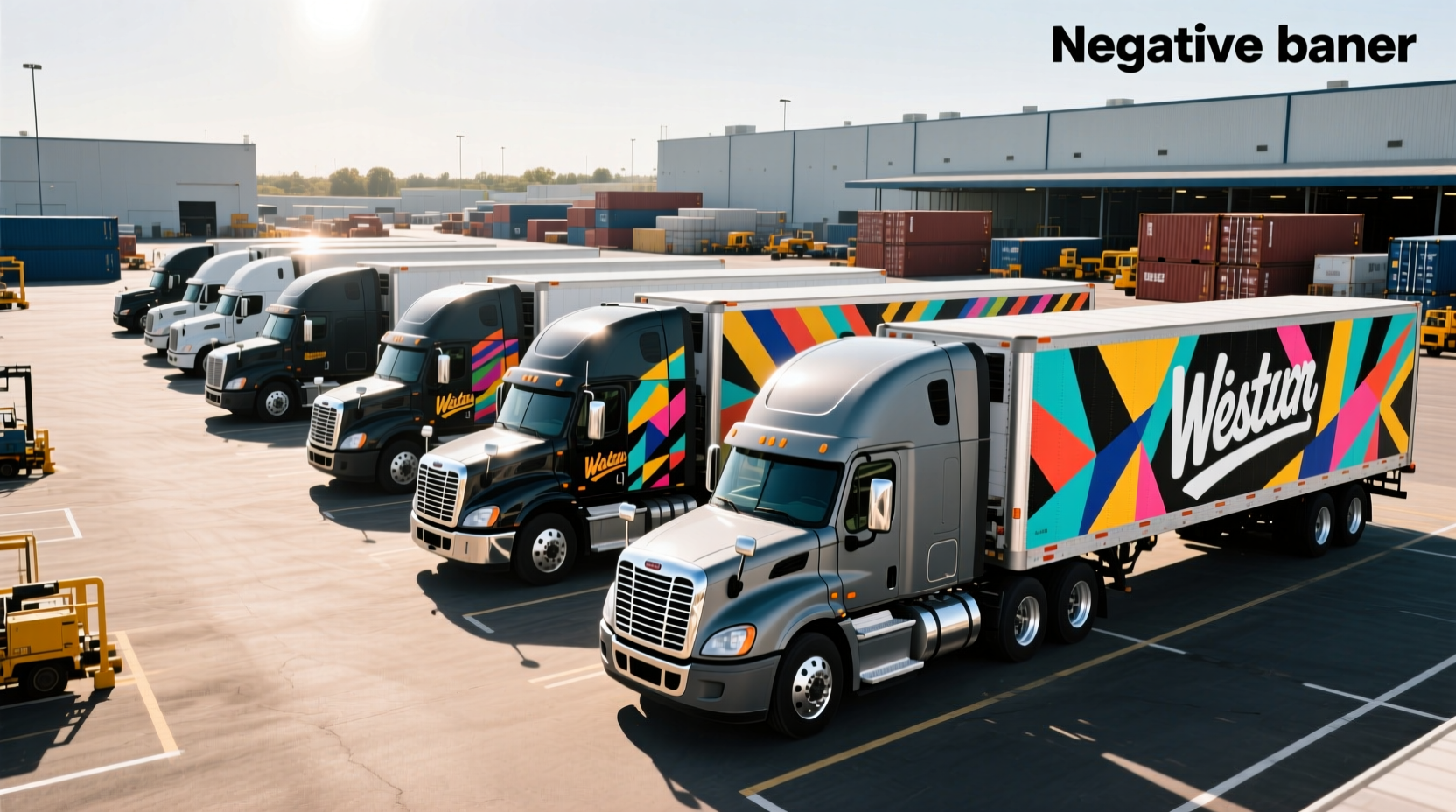
When searching for large decals for trucks, the key is balancing visibility, durability, and compliance. Whether you're customizing a personal pickup or branding a commercial fleet, oversized vinyl graphics offer high-impact presence on doors, tailgates, hoods, or windows. But not all large-format decals perform equally. Factors like adhesive strength, UV resistance, material thickness, and local regulations can make or break long-term results ✅.
Why Truck Owners Use Large Decals
Large decals serve both functional and expressive roles. For businesses, they act as mobile advertising—turning work vehicles into rolling billboards 🚚. A study from the Outdoor Advertising Association of America found that branded fleets generate up to 30,000 daily impressions per vehicle in urban areas 1. For individuals, big decals express identity—from patriotic themes and off-road slogans to humorous messages like “Yes, it’s my truck, no I won’t help you move.”
Visibility is a major driver. A 24” x 12” decal on a truck door is far more legible at highway speeds than smaller stickers. This makes large decals ideal for contact info, company names, or safety warnings such as “Wide Right Turn” or “Flammable Cargo.”
Types of Large Decals for Trucks
Not all large decals are created equal. Understanding the categories helps avoid mismatched expectations.
Custom Branded Decals ✨
These are tailored for business use—featuring logos, phone numbers, websites, or service descriptions. They’re typically printed on high-grade cast vinyl with laminated overlaminate layers to resist fading and abrasion. Durability ranges from 5–7 years outdoors depending on climate.
- Best for: Fleets, contractors, food trucks, delivery services
- Sizing: Common dimensions include 18x6", 24x12", or full-door wraps
- Placement: Side panels, rear doors, cab backs
Decorative & Themed Graphics 🔧
Popular among personal truck owners, these include flame patterns, American flags, tribal designs, skulls, or nature scenes. Often sold as kits with multiple pieces to cover fenders or hoods.
- Materials: Usually calendared vinyl (less expensive, 2–3 year lifespan)
- Design Tip: Match graphic scale to vehicle size—a tiny flame decal on a dually looks out of place
Safety and Regulatory Decals ⚠️
Mandated by agencies like the U.S. Department of Transportation (DOT), these warn about hazardous loads or mechanical behavior. Examples include:
- Diamond-shaped HMIS labels for chemical transport
- “This Vehicle Makes Wide Right Turns” reflector decals
- Federal MC number displays for interstate carriers
These must meet specific size, color, and placement standards under FMVSS No. 108 or PHMSA regulations 2.
Magnetic and Reusable Panels 🧲
A non-permanent alternative, magnetic decals allow temporary branding or seasonal messaging. Ideal for leased vehicles or shared fleets where permanent modification isn’t allowed.
- Pros: Removable, repositionable, no residue
- Cons: Less durable in wind/weather; not suitable above 60 mph
- Max Size: Typically limited to 24x18" due to weight and airflow lift
Material Quality: What Separates Long-Lasting Decals?
The longevity of large decals depends heavily on substrate and lamination.
| Material Type | Lifespan | UV Resistance | Cost Range (per sq ft) |
|---|---|---|---|
| Cast Vinyl | 5–7 years | High | $4–$7 |
| Calendared Vinyl | 2–3 years | Medium | $2–$4 |
| Perforated Window Film | 3–5 years | Medium-High | $5–$8 |
| Magnetic Sheet | 1–2 years | Low | $3–$5 |
Cast vinyl conforms better to curves and resists shrinking—critical for large surface coverage. Always check if the decal includes an overlaminate film, which protects against chemicals, salt, and UV degradation.
Size Considerations: How Big Is Too Big?
While there's no universal limit on decal size, practical and legal constraints apply.
- Vehicle Proportion: Oversized graphics on small trucks look unbalanced. Measure your surface area before ordering.
- Visibility Laws: Some states restrict window coverage. In California, for example, no sticker or tint may be placed on the front windshield or front side windows unless medically prescribed 3.
- Rear View Obstruction: Large rear window decals may violate safety codes if they block more than 30% of the glass area.
For commercial vehicles, federal guidelines suggest keeping critical controls (mirrors, lights, plates) unobstructed. When in doubt, consult your state DMV or fleet compliance officer.
Installation Challenges with Large Decals
Bigger decals increase the risk of bubbles, wrinkles, and misalignment. Proper prep is essential.
Tools Needed 🛠️
- Cleaning solution (isopropyl alcohol + water)
- Squeegee with soft edge
- Razor blade or precision knife
- Heat gun or hair dryer
- Measuring tape and level
Step-by-Step Application ⏱️
- Clean thoroughly: Remove wax, dirt, and grease from the surface.
- Dry-fit: Position the decal without peeling backing to test alignment.
- Peel and stick: Start at one edge, slowly removing liner while squeegeeing outward.
- Use heat: Apply warm air to help vinyl conform around curves or rivets.
- Trim excess: Cut around handles, seams, or contours using a sharp blade.
For decals over 2 square feet, consider two-person installation to prevent premature adhesion.
Removal and Surface Protection
Removing large decals improperly can damage paint. Residue buildup is common with older applications.
- Heat First: Use a heat gun to soften adhesive—never pull cold vinyl.
- Lift Slowly: Peel at a 45-degree angle to minimize paint lifting.
- Clean Residue: Use adhesive remover (e.g., Goo Gone) or rubbing alcohol. Avoid abrasive pads.
Prolonged exposure (over 5 years) increases bond strength, making removal harder. If paint appears dull afterward, a light polish may restore finish.
Regional Differences in Decal Rules
Regulations vary significantly across North America and Europe.
- United States: DOT requires certain placards for hazardous materials but doesn’t regulate general branding. State laws govern window obstructions.
- Canada: Transport Canada mandates bilingual safety markings for cross-border haulers.
- European Union: ECE Regulation 104 limits retroreflective marking sizes and colors for commercial trucks.
Always verify local signage requirements before applying large regulatory decals.
Common Misconceptions About Large Truck Decals ❓
Several myths persist that lead to poor choices.
- Myth: All vinyl lasts the same. Truth: Cast vinyl outlasts calendared by 2–3x.
- Myth: Bigger always means better visibility. Truth: Poor placement (e.g., low on bumper) reduces readability.
- Myth: Decals protect paint. Truth: While they shield against minor scratches, edges can trap moisture leading to corrosion if damaged.
Where to Buy Reliable Large Decals
Options range from online print shops to specialty auto suppliers. Key selection criteria:
- Sample Requests: Ask for material swatches before bulk orders.
- Proof Approval: Ensure digital mockups match your design intent.
- Warranty: Look for minimum 3-year fade and peel guarantees.
- Support: Choose vendors offering application guides or phone support.
Avoid ultra-cheap providers on marketplaces with no physical address or customer service access.
Cost vs. Value: Are Premium Decals Worth It?
For commercial use, investing in high-quality large decals pays off through longer lifespan and professional appearance. A $120 cast vinyl door graphic lasting six years costs about $20/year. A $40 calendared version replaced every two years totals $120 over the same period—and looks faded after 18 months.
For personal trucks, budget options may suffice if you plan frequent changes.
Trends in Large Truck Decals (2024)
Recent shifts include:
- Matte Finishes: Growing popularity for stealthy, modern aesthetics.
- Eco-Friendly Materials: Water-based inks and recyclable backings gaining traction.
- Smart Integration: QR codes embedded in decals linking to portfolios or booking pages.
- Dynamic Designs: Interchangeable panel systems allowing quick message updates.
Maintaining Your Large Decals
Proper care extends life:
- Wash Regularly: Dirt buildup accelerates UV breakdown.
- Avoid Pressure Washers: Keep nozzle >12 inches away and don’t aim directly at edges.
- Inspect Edges: Re-seal lifting corners early with clear sealant.
FAQs About Large Decals for Trucks
- Can large truck decals damage paint?
- Generally no—if applied and removed correctly. However, prolonged exposure (>5 years) or poor removal techniques can pull paint, especially on older or repainted surfaces.
- Are there restrictions on truck decal content?
- Yes. Obscene, threatening, or misleading graphics may violate local ordinances. Commercial vehicles must display accurate identifiers (e.g., USDOT number).
- Do large decals affect fuel efficiency?
- No significant impact. Aerodynamic drag from flat decals is negligible compared to roof racks or open beds.
- Can I wash my truck after applying a large decal?
- Wait at least 48 hours to allow full adhesive bonding. Hand washing is safe afterward; avoid automated brushes for first week.
- What’s the largest decal size available?
- Most printers offer up to 60" wide rolls. Larger designs require tiling multiple panels with minimal seams.




 浙公网安备
33010002000092号
 浙B2-20120091-4