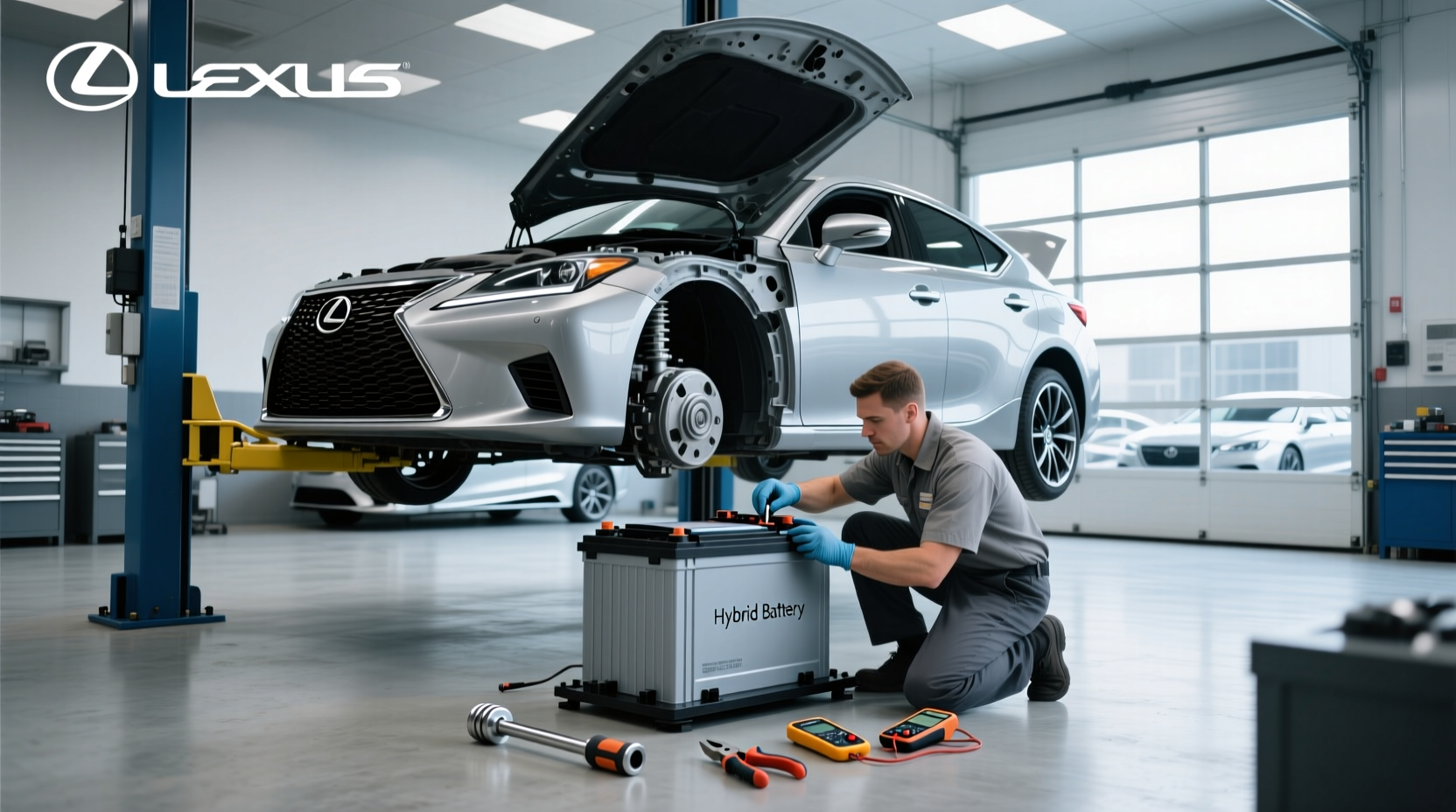
If you're facing a failing hybrid system in your Lexus CT200h, one of the first questions that comes to mind is: Is it time for a hybrid battery replacement? The answer often lies between 8 to 10 years or 100,000 to 150,000 miles—the typical lifespan of the NiMH hybrid battery pack used in the 2011–2017 Lexus CT200h. Replacing this critical component can range from $800 for a refurbished unit to over $3,500 for an OEM-installed solution1. This comprehensive guide breaks down every aspect of lexus ct200h hybrid battery replacement, including costs, warning signs, DIY considerations, and long-term value decisions.
Understanding the Two Batteries in Your Lexus CT200h
Before diving into hybrid battery replacement, it's crucial to distinguish between the two batteries in your vehicle:
- 12V Auxiliary Battery (Trunk-Mounted): A standard lead-acid or AGM battery that powers lights, infotainment, and starts the computer systems. Located in the trunk under a panel, this is not the hybrid drive battery.
- Hybrid Traction Battery (Under Rear Seat): A high-voltage Nickel-Metal Hydride (NiMH) pack made of 28 individual cells, responsible for powering the electric motor and working in tandem with the gasoline engine ⚡.
When people refer to 'hybrid battery replacement,' they are almost always referring to the larger traction battery beneath the rear seat—not the smaller 12V unit. Confusing these two can lead to misdiagnosis and unnecessary repairs.
Typical Lifespan of the Lexus CT200h Hybrid Battery
Most factory-original hybrid batteries last between 8 and 10 years or 100,000–150,000 miles, depending on driving habits, climate conditions, and maintenance history2. However, some owners report failures as early as 70,000 miles in extreme heat, while others exceed 200,000 miles without issues.
Factors affecting longevity include:
- Temperature Extremes: Prolonged exposure to hot climates accelerates cell degradation.
- Driving Patterns: Frequent short trips prevent full charge/discharge cycles, reducing efficiency.
- Battery Cooling System: Dust buildup in the cooling fan or ducts can cause overheating.
Regularly cleaning the hybrid battery fan (accessible by removing the rear seat) may extend life by improving thermal regulation 🧼.
Common Warning Signs of Hybrid Battery Failure
Recognizing early symptoms can help avoid roadside breakdowns and costly diagnostics. Watch for these red flags:
- Check Engine Light or Hybrid System Warning: Often displays codes like P0A80 (hybrid battery module degraded).
- Reduced Fuel Economy: If MPG drops significantly without changes in routine, the battery may not be assisting efficiently.
- Engine Running More Than Usual: The gas engine compensates when the hybrid system underperforms.
- Loss of Power During Acceleration: Especially noticeable during highway merging or uphill driving.
- Unusual Noises from Under Rear Seat: Clicking or buzzing could indicate relay or cell imbalance issues.
Some drivers attempt a battery reconditioning cycle—driving in neutral with AC on—to reset minor imbalances, though this only provides temporary relief if internal cells are failing3.
Replacement Cost Breakdown: What You’ll Actually Pay
The total cost of replacing a Lexus CT200h hybrid battery varies widely based on source, condition, labor, and warranty terms. Here’s a realistic breakdown:
| Type | Average Price Range | Warranty | Labor Included? | Notes |
|---|---|---|---|---|
| New OEM Battery | $3,000 – $5,000 | 8 yr / 100k mi (if at dealer) | Sometimes | Genuine Lexus part; highest reliability |
| Rebuilt/OEM-Core | $1,600 – $2,200 | 1–3 years | Rarely | Refurbished using tested cells; good balance |
| Aftermarket New | $1,800 – $2,500 | 1–2 years | No | Non-OEM but designed to spec |
| Refurbished/Used | $800 – $1,400 | 6–18 months | No | Riskier but budget-friendly option |
| DIY Cell Replacement | $400 – $700 (parts) | N/A | Self-install | Advanced skill required; voids safety certifications |
Labor typically adds $300–$600, depending on shop rates and accessibility. Mobile installation services (offered by companies like Greentec Auto or The Hybrid Geek) can reduce downtime but may cost more4.
OEM vs. Aftermarket vs. Rebuilt: Which Option Is Right for You?
Choosing the right type depends on your budget, ownership timeline, and risk tolerance.
OEM (Original Equipment Manufacturer) Batteries ✅
These are brand-new units sourced directly from Lexus or authorized suppliers. They offer the longest warranties—especially if installed at a dealership—and seamless integration with the vehicle’s管理系统.
Pros:
- Highest reliability and compatibility
- Eligible for factory-backed warranties
- No guesswork about cell quality
Cons:
- Most expensive option
- May require VIN coding by dealer
Rebuilt/Refurbished Batteries 🔧
These involve disassembling the original pack, testing each of the 28 cells, replacing weak ones, and resealing the unit. Many third-party vendors specialize in this service.
Pros:
- Significant cost savings (up to 60% off OEM)
- Environmentally friendly (reuses casing and components)
- Often comes with multi-year warranty
Cons:
- Quality depends on technician expertise
- Potential mismatch in cell aging over time
- May not register properly without software reset
Aftermarket New Packs 🏭
Manufactured by independent companies to match OEM specifications. Not produced by Toyota/Lexus but built for compatibility.
Pros:
- New components throughout
- Better pricing than OEM
- Some offer extended warranties
Cons:
- Inconsistent build quality across brands
- Limited support network
- May lack precise calibration
Can You Drive a Lexus CT200h with a Dead Hybrid Battery?
Technically, yes—but not well. If the hybrid battery fails completely, the car may still start using the 12V battery and run the gasoline engine, but performance will be severely limited.
You might experience:
- Extremely low power output
- Inability to accelerate past 20 mph
- Constant warnings and limp mode
- Overheating due to unbalanced load
Continuing to drive in this state risks damaging the transaxle, ECU, or catalytic converter. It’s recommended to have the vehicle towed if the hybrid system shuts down unexpectedly.
Where Is the Hybrid Battery Located?
The main hybrid battery pack is located under the rear seat cushion, accessible after removing interior trim panels and disconnecting the 12V battery. This placement helps maintain weight distribution and protects the pack from road debris.
To access it safely:
- Turn off the ignition and remove the key.
- Disconnect the 12V battery in the trunk 🔋.
- Remove the rear seat bottom by releasing clips.
- Take out plastic covers above the battery compartment.
- Lift the orange high-voltage disconnect lever (located on the battery cover).
- Proceed with removal bolts and electrical harnesses only after confirming no voltage.
⚠️ High-voltage systems carry lethal current. Only trained professionals should handle open connections.
DIY Replacement: Is It Feasible?
While technically possible, DIY hybrid battery replacement requires specialized tools, knowledge of high-voltage safety protocols, and comfort working with electronic control modules.
Tools needed:
- Insulated gloves and eye protection
- Digital multimeter
- Socket set (10mm, 12mm, 14mm)
- Torque wrench
- Hybrid scan tool (for resetting readiness codes)
The process takes 3–6 hours for experienced individuals. One YouTube tutorial demonstrates the full removal sequence, including how to safely disconnect the orange cable and extract the ~60 lb pack5.
Considerations before attempting DIY:
- Are you comfortable disabling a high-voltage system?
- Do you have space and lifting capability?
- Can you source a compatible replacement with proper BMS (Battery Management System)?
- Will your local inspection station accept non-dealer work?
For most owners, professional installation is safer and preserves resale value.
Should You Replace the Battery or Buy a New Car?
This is a common dilemma, especially when the CT200h has over 120,000 miles. Consider these factors:
| Factor | Replace Battery | Buy New Car |
|---|---|---|
| Upfront Cost | $1,000–$3,500 | $30,000+ |
| Monthly Payment | None (if paying cash) | $400–$700 |
| Remaining Vehicle Life | Good if other systems are sound | N/A |
| Maintenance History | Critical—if brakes, suspension, etc., are worn, costs add up | New vehicle avoids immediate repairs |
| Fuel Efficiency | Restored to ~48 mpg combined | Depends on new model |
If the rest of the car is in excellent condition, replacing the battery often makes financial sense. Many CT200h owners continue driving reliably past 200,000 miles after a successful battery swap.
Where to Buy a Replacement Hybrid Battery
Several reputable suppliers offer replacement packs online and through mobile installers:
- Exclusively Hybrid: Sells refurbished and new packs for 2011–2017 models, with delivery and technical support 🌐.
- Greentec Auto: Offers remanufactured units with multi-year warranties and mobile installation in select regions 🚚.
- The Hybrid Geek: Provides OEM-grade replacements with on-site installation services ✈️.
- eBay: Lists both used and rebuilt units; inspect seller ratings and return policies carefully 🔍.
- Alibaba.com: Connects buyers with international manufacturers offering competitive pricing for bulk or direct purchases 🌍.
When purchasing, verify:
- Compatibility with your model year (2011–2017 vs. 2010–2016 design differences)
- Inclusion of BMS (Battery Management System)
- Warranty transferability
- Whether software programming is required post-install
Maintenance Tips to Extend Future Battery Life
Once you’ve replaced the battery, maximize its lifespan with these practices:
- Keep the Battery Cool: Park in shade or use sunshades in hot climates.
- Drive Regularly: Avoid letting the car sit for weeks without operation.
- Clean the Cooling Fan Annually: Remove dust from the intake near the rear seat base 🧼.
- Avoid Deep Discharges: Don’t drain the battery by idling with accessories.
- Use a Scan Tool Periodically: Monitor cell balance and state of health.
Resale Value Impact After Battery Replacement
A documented hybrid battery replacement—especially with a warranty—can preserve or even enhance resale value compared to a car with a failing system. Buyers are more confident knowing the largest potential repair has already been addressed.
However, disclose the replacement clearly and provide receipts. A vague listing may raise suspicion about workmanship or parts origin.
Frequently Asked Questions (FAQs)
- How much does it cost to replace a hybrid battery in a Lexus CT200h?
- Replacement costs typically range from $800 for a refurbished unit to $3,500+ for a new OEM battery with professional installation.
- How long does a Lexus CT200h hybrid battery last?
- Most last 8–10 years or 100,000–150,000 miles, though driving habits and climate affect longevity.
- Can you drive a Lexus CT200h with a dead hybrid battery?
- You can move it slowly, but performance is severely limited and continued driving risks further damage.
- Where is the hybrid battery located in the CT200h?
- It's located under the rear seat cushion, requiring interior panel removal for access.
- Is it worth replacing the hybrid battery instead of buying a new car?
- Yes, if the rest of the vehicle is in good condition—it’s often far cheaper than a new car payment.




 浙公网安备
33010002000092号
 浙B2-20120091-4