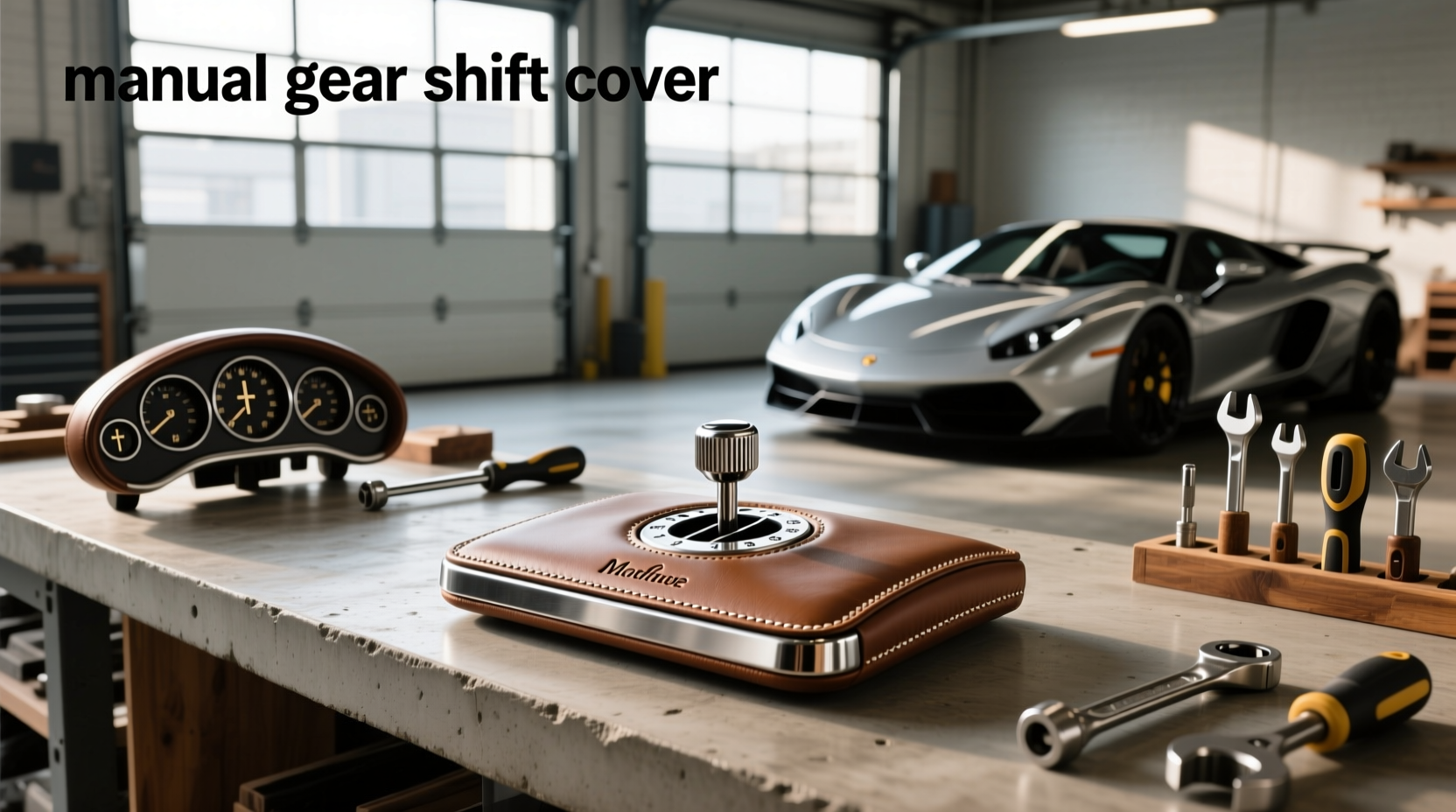
When searching for ways to personalize or improve the interior of a manual transmission vehicle, one common upgrade is the manual gear shift cover. Also known as a shift knob cover, gear shift sleeve, or shifter boot cover, this accessory fits over the existing gear stick to enhance grip, comfort, aesthetics, or protection. Whether you're looking to replace a worn-out shifter, add a custom touch to your car's cabin, or protect against dirt and UV damage, understanding the types, materials, compatibility, and installation methods is essential. This guide breaks down everything drivers need to know before choosing a manual gear shift cover that fits their needs and vehicle specifications.
Understanding the Manual Gear Shift Cover: Function and Purpose
A manual gear shift cover serves both functional and decorative purposes. Unlike automatic vehicles, which often have simpler selectors, manual transmissions require frequent hand contact with the gear lever. Over time, this can lead to wear on the original knob or boot, especially if made from plastic or low-grade materials. A cover acts as a protective layer while also offering customization options.
🔧 Primary Functions:
- Protection: Shields the original shift knob from cracking, fading, or becoming slippery due to oils and sweat.
- Improved Grip: Materials like silicone, leather, or knitted fabric offer better tactile feedback during shifting.
- Customization: Allows personal expression through colors, patterns, textures, or even embroidered designs.
- Comfort: Softer materials reduce hand fatigue during long drives or aggressive shifting.
- Dirt & Moisture Resistance: Some covers are designed to resist spills, dust, or stains—ideal for off-road or daily commuter use.
While some users may confuse it with a shift boot (the fabric or rubber collar around the base of the shifter), a manual gear shift cover specifically refers to an item that fits over the upper portion—the knob or shaft—used to change gears.
Types of Manual Gear Shift Covers
Not all gear shift covers are created equal. They vary by design, attachment method, material, and compatibility. Understanding these categories helps avoid purchasing the wrong type.
1. Slip-On Knob Covers
These are the most common and easiest to install. Made from stretchable materials like neoprene, silicone, or knit fabric, they simply slide over the existing knob and secure via elastic tension or inner grips.
✅ Pros: No tools required, affordable, wide availability
❌ Cons: May loosen over time, limited fit precision, not suitable for oddly shaped knobs
2. Custom-Fit Leather or Synthetic Sleeves
Often marketed as "universal" but tailored to certain knob dimensions, these covers use stitching or adhesive backing to maintain shape and position. Popular in performance or luxury vehicles, they mimic OEM finishes.
✅ Pros: Durable, refined appearance, better longevity
❌ Cons: Requires accurate measurement, higher cost, may need professional fitting
3. 3D-Printed or Molded Caps
Rigid covers made from resin, plastic, or carbon fiber composites. These replace or cap the entire knob and are often used in racing or modified cars.
✅ Pros: High durability, precise fit, integrated ergonomic design
❌ Cons: Permanent modification possible, expensive, limited reversibility
4. Crocheted or Knitted Hoodie-Style Covers
A niche but growing trend, especially among DIY enthusiasts. These soft, fabric-based covers resemble miniature hoodies and are often handmade. While primarily decorative, some include non-slip lining.
✅ Pros: Unique aesthetic, customizable, lightweight
❌ Cons: Not durable under heavy use, hard to clean, poor weather resistance
5. Full Shifter Assembly Replacements
Though not strictly a "cover," some users search for complete upgrades such as short-shift kits with integrated knobs (e.g., B&M, Hurst). These systems modify shift throw and include new knobs or boots.
📌 Note: If you're considering performance tuning, ensure compatibility with your transmission type (e.g., 5-speed, 6-speed, sequential).
Material Comparison: What Works Best?
The choice of material impacts comfort, longevity, and maintenance. Below is a comparison of commonly used materials in manual gear shift covers.
| Material | Durability | Grip Level | Care Requirements | Ideal Use Case |
|---|---|---|---|---|
| Leather/Synthetic Leather | High | Moderate to High | Wipe clean; condition periodically | Luxury interiors, daily drivers |
| Silicone/Rubber | Very High | High (textured) | Easy wash, resistant to oils | Sporty or track-focused builds |
| Knitted Fabric/Crochet | Low | Low to Moderate | Hand wash only | Personalized decor, show cars |
| Carbon Fiber Composite | Very High | Moderate (smooth finish) | Wipe with microfiber | Performance or JDM-style mods |
| Aluminum/Metal Alloys | High | Low unless knurled | Resistant to wear | Racing or industrial-themed interiors |
For everyday usability, leather or silicone offers the best balance. Enthusiasts seeking a unique look might prefer crocheted styles, though they should be aware of reduced practicality.
Compatibility and Fitment: Avoiding Common Mistakes
One of the biggest challenges when buying a manual gear shift cover is ensuring proper fit. Many products are labeled "universal," but true universal fitment is rare due to variations in:
- Knob diameter and height
- Shaft taper or threading
- Shift pattern layout (H-pattern, sequential, etc.)
- Vehicle make, model, and year
For example, a Honda Civic Type R has a shorter, more aggressively positioned shifter than a Toyota Corolla, affecting both ergonomics and clearance. Similarly, European models like Volkswagen or BMW often use metric threading, while American muscle cars may differ.
How to Measure Your Shifter
To find the correct size:
- Measure Diameter: Use calipers or a flexible tape at the widest part of the knob.
- Check Height: From base to top, especially important for slip-on covers.
- Note Shape: Is it spherical, mushroom-shaped, or ergonomic?
- Inspect Base Attachment: Does it screw on? Is there a retaining pin?
If replacing the entire knob, verify thread pitch (e.g., M10x1.25 is common in many imports). Incorrect threading can damage the shift mechanism.
Aftermarket vs OEM Compatibility
Original Equipment Manufacturer (OEM) shifters are designed for specific tolerances. Aftermarket covers must account for these without interfering with linkage movement. Always check product descriptions for confirmed vehicle fitments or consult forums like Reddit’s r/cars or r/trackdays for user experiences.1
Installation Tips and Safety Considerations
Most manual gear shift covers require no tools, but improper installation can lead to slippage or distraction while driving.
Step-by-Step Installation (Slip-On Type)
- Remove any debris or residue from the original knob.
- Stretch the cover slightly and align it with the knob’s center.
- Gently press down until fully seated, ensuring no wrinkles or gaps.
- Test shifting through all gears to confirm stability.
Safety Warnings
- Never obstruct the gear indicator or shift pattern label.
- A loose cover could detach during aggressive shifting—test thoroughly before highway use.
- Avoid overly bulky designs that reduce wrist clearance near the center console.
- If modifying the shifter assembly (e.g., short throw kit), ensure compliance with local vehicle safety regulations.
Customization Options and Personalization Trends
Many buyers seek custom manual gear shift covers to reflect personality or match interior themes. Options include:
- Color-matched stitching to dashboard trim
- Embroidered initials or logos
- Themed designs (e.g., racing flags, national symbols)
- Photo-printed surfaces using heat transfer
Some sellers offer full design tools allowing users to preview combinations online. However, custom orders typically take longer to ship and may not be returnable.
DIY Possibilities: Can You Make Your Own?
Yes—many crafters create handmade gear shift covers using knitting, sewing, or resin casting. YouTube hosts numerous tutorials showing how to mold silicone forms or crochet snug-fitting sleeves.2 While rewarding, DIY versions require skill and time investment. For those unfamiliar with materials, pre-made options remain safer and more reliable.
Where to Buy: Trusted Sources and Red Flags
Purchasing a manual gear shift cover involves evaluating seller reputation, return policies, and customer reviews. Online marketplaces host many options, but beware of:
- Vague product titles like "fits most cars" without measurements
- Stock images instead of real photos
- Few or overly positive reviews (possible fake feedback)
- No clear contact information or warranty details
Reputable vendors provide dimension charts, material specs, and real user photos. Independent automotive accessory shops or specialty tuners often offer better support than mass-market retailers.
Common Misconceptions About Manual Gear Shift Covers
Several myths persist about these accessories:
- Myth: All universal covers fit any car.
Reality: "Universal" usually means a range of similar sizes—not guaranteed compatibility. - Myth: Covers improve shifting speed.
Reality: Only mechanical modifications (like short-shift kits) reduce throw distance. - Myth: Leather always lasts longer.
Reality: Poor-quality bonded leather can crack faster than silicone. - Myth: Any cover can be used on automatics.
Reality: Automatic shifters have different shapes and electronic components—use only designated covers.
Maintenance and Longevity Tips
To extend the life of your manual gear shift cover:
- Clean regularly with appropriate solutions (e.g., leather conditioner, mild soap for fabric).
- Avoid exposure to direct sunlight for extended periods to prevent fading.
- Inspect monthly for signs of wear, especially at stress points.
- Replace immediately if slipping occurs during gear changes.
When NOT to Use a Gear Shift Cover
Despite benefits, there are scenarios where installing a cover isn't advisable:
- New factory-equipped sports models: High-end vehicles often come with optimized shifters; adding a cover may degrade feel.
- Vehicles with integrated electronics: Some shifters contain sensors or buttons (e.g., paddle shifters on manual hybrids); covering them may interfere.
- Rental or shared vehicles: Modifications may violate terms of service.
- Track-only race cars: Minimalist interiors prioritize function—extra layers increase failure risk.
Final Recommendations
Choosing the right manual gear shift cover comes down to balancing practicality, aesthetics, and fit. Prioritize materials that suit your driving habits—durable silicone or leather for daily use, decorative knits for weekend shows. Always measure your current shifter and verify compatibility before ordering. If customization is desired, opt for vendors offering previews and sample images. And remember: while a cover enhances comfort and style, it doesn’t alter mechanical performance. For actual driving improvements, consider suspension, clutch, or linkage upgrades instead.
Frequently Asked Questions (FAQ)
- Can I install a manual gear shift cover myself?
- Yes, most slip-on or stretchable covers can be installed without tools in under five minutes. Just ensure the cover fits snugly and doesn’t interfere with gear selection.
- Are manual gear shift covers safe to use?
- They are safe if properly fitted. A loose or oversized cover could slip during shifting, creating a distraction. Always test the fit before regular driving.
- Do gear shift covers work on automatic transmissions?
- No, automatic shifters have different shapes and often include electronic controls. Use only accessories specifically designed for automatic gear selectors.
- How do I clean a gear shift cover?
- Cleaning depends on material: wipe silicone or leather with a damp cloth; hand-wash knitted covers gently. Avoid harsh chemicals that may degrade adhesives or dyes.
- Will a gear shift cover affect my car’s resale value?
- Typically not, especially if removable. However, poorly installed or garish designs might turn off some buyers. Stick to subtle, high-quality finishes for broader appeal.




 浙公网安备
33010002000092号
 浙B2-20120091-4