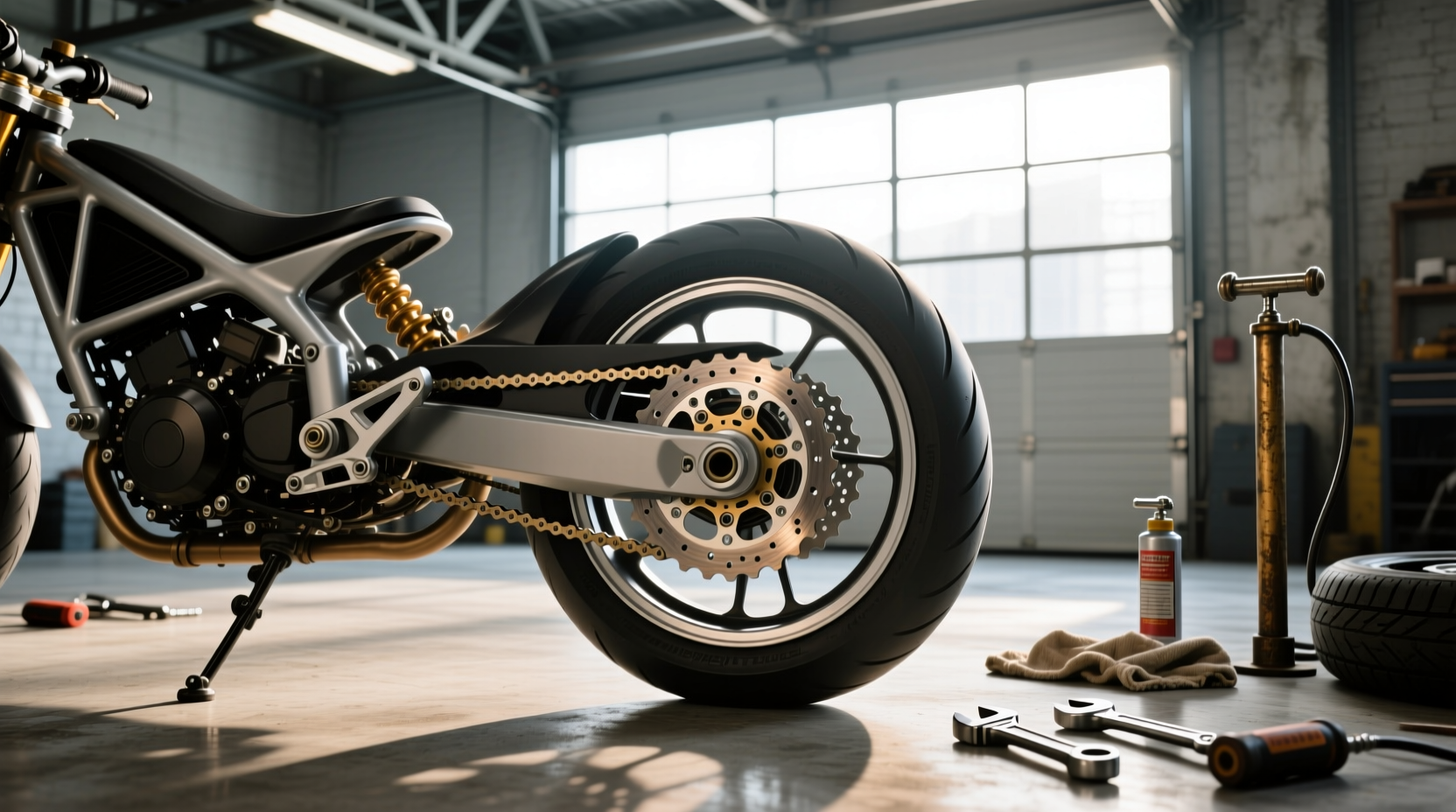
When upgrading or replacing a mini bike rear wheel with sprocket and disc brake, the key is ensuring proper fitment, durability, and performance balance. Many riders struggle with mismatched components, poor braking efficiency, or sprocket misalignment—issues that stem from overlooking hub spacing, axle size, chain pitch, and brake rotor compatibility. This guide breaks down every critical factor—from material types and sprocket tooth count to disc brake mounting standards and tire clearance—so you can confidently select or build a rear wheel assembly that performs reliably under real-world conditions.
Understanding the Mini Bike Rear Wheel Assembly
A complete mini bike rear wheel with sprocket and disc brake isn't just a single part—it's an integrated system comprising the rim, hub, spokes (or solid mag design), sprocket, brake rotor, and often bearings and axle hardware. Each component must work together seamlessly to ensure drivetrain efficiency, braking control, and structural integrity. Unlike full-sized motorcycles, mini bikes typically use smaller wheels (6" to 12") and simplified mounting systems, which means interchangeability between brands and models can be limited.
🔧 The most common configurations include:
- Solid aluminum mag wheels with bolt-on sprockets and disc mounts
- Spoked steel wheels with welded or riveted sprockets
- Split-hub designs for easier chain installation without disassembling the wheel
Choosing the correct type depends on your riding style—off-road, street cruising, or track use—as well as the engine’s power output and existing frame geometry.
Key Compatibility Factors You Must Check
Selecting a compatible rear wheel requires verifying several technical dimensions. Ignoring any of these can lead to costly mistakes or unsafe operation.
1. Axle Diameter and Hub Spacing 📏
The axle diameter (typically 10mm, 5/8", or 3/4") must match your frame’s dropout width and through-axle size. Most mini bikes use either a fixed axle (bolted on both sides) or a quick-release style. Measure your current axle or consult your bike’s manual before purchasing.
📍Tip: A mismatch here can cause wobbling, uneven bearing wear, or even catastrophic failure during acceleration.
2. Sprocket Chain Pitch and Tooth Count ⚙️
The sprocket must align with your drive chain type. Common pitches are:
- #35 chain – used in small displacement engines (e.g., 49cc–80cc)
- #41 chain – slightly stronger, common in upgraded kits
- #420 or #520 – found on higher-performance builds
Also consider the tooth count. A 60-tooth sprocket is standard for many pre-built kits, but changing this affects final drive ratio: more teeth increase torque but reduce top speed; fewer teeth do the opposite.
3. Disc Brake Rotor Size and Mount Pattern ✅
Disc brakes improve stopping power over drum systems, especially at higher speeds. However, not all rotors fit all calipers. Key specs include:
- Rotor diameter: commonly 4.7", 6", or 8"
- Bolt pattern: usually 3-bolt or 4-bolt (measured by PCD—pitch circle diameter)
- Rotor thickness: standard is around 3–4mm
If your caliper uses a floating mount or radial setup, verify alignment tolerance. Some universal hubs allow adapter rings for different rotor sizes.
4. Wheel Diameter and Tire Fitment 🛞
Common mini bike wheel diameters include 6", 8", 10", and 12". Ensure your frame has enough clearance for the chosen tire width and profile. For example:
- 4.10/3.50-6 studded off-road tires need ample fender space
- 3.50-8 smooth tread suits pavement use
Upgrading wheel size changes gearing, center of gravity, and handling. Larger wheels roll over obstacles better but may require suspension adjustments.
Material Choices: Aluminum vs. Steel vs. Composite
The construction material impacts weight, strength, and corrosion resistance.
| Material | Pros | Cons | Best For |
|---|---|---|---|
| Aluminum Alloy | Lightweight, rust-resistant, modern look | More expensive, less impact-resistant | Street minibikes, show builds |
| Steel | Durable, affordable, repairable | Heavier, prone to rust if uncoated | Off-road, beginner riders |
| Plastic/Composite Mag | Very light, low cost | Poor heat dissipation, cracks under stress | Low-speed kids' models |
🛠️ Note: High-performance builds favor machined aluminum wheels with sealed bearings and reinforced spoke patterns, even if they cost more upfront.
Installation Tips and Common Pitfalls
Even the best rear wheel assembly with sprocket and disc brake can fail due to improper installation. Follow these steps carefully:
Step 1: Prepare the Frame and Drivetrain 🔧
Remove old wheel and inspect chain tension, sprocket wear, and brake line routing. Replace worn chains or bent sprockets to avoid premature wear on new parts.
Step 2: Align the Axle and Bearings
Insert the axle through the hub and slide into dropouts. Use spacers if needed to center the wheel. Tighten nuts evenly to prevent binding. Spin the wheel freely—any drag indicates misalignment or over-tightened bearings.
Step 3: Connect the Drive Chain
If using a split-sprocket or slip-on chain design, route the chain correctly over engine clutch and rear sprocket. Adjust tension so there’s about ½ inch of vertical play at mid-span.
Step 4: Mount the Disc Brake Rotor
Secure the rotor with stainless steel bolts and thread locker. Torque to manufacturer spec (usually 6–8 Nm). Avoid overtightening, which warps the rotor.
Step 5: Test Braking and Rotation
Spin the wheel and engage the brake lever. The wheel should stop smoothly without pulsing or scraping. If noise occurs, check caliper alignment and rotor flatness.
❗Warning: Never ride without testing brakes in a controlled environment first.
Performance Upgrades Worth Considering
If you're building or modifying a mini bike for enhanced performance, consider these upgrades alongside your new rear wheel:
- Sealed Bearing Hubs: Reduce friction and resist dirt/water ingress compared to open bushings.
- Adjustable Chain Tensioners: Make fine-tuning easier and extend chain life.
- Vented Rotors or Slotted Discs: Improve heat dissipation during repeated braking.
- Studded or Knobby Tires: Increase grip on loose terrain, though they increase rolling resistance on pavement.
⚡ Pro Tip: Pairing a high-quality mini bike rear wheel with sprocket and disc brake with a tuned exhaust and carburetor can yield noticeable performance gains—especially in hill climbing or acceleration tests.
Where to Buy and What to Watch For
Many online marketplaces offer complete wheel kits, but quality varies widely. When shopping, pay attention to:
- Product descriptions that specify exact measurements (not just "fits most")
- Customer reviews mentioning real-world durability and fitment accuracy
- Return policies in case of compatibility issues
🌐 While some vendors list products as universal fit, always confirm specifications match your model. Kits labeled “for 49cc pocket bikes” may not work on 2-stroke pit bikes with different hub widths.
DIY Assembly: Building Your Own Rear Wheel
For advanced users, building a custom rear wheel offers maximum flexibility. You’ll need:
- A compatible hub with sprocket mount and disc interface
- Rim matched to tire size and load rating
- Spokes and nipples (if laced)
- Brake rotor and mounting hardware
This approach allows mixing high-end rims with durable sprockets and oversized rotors. However, it requires tools like a truing stand and spoke wrench, plus time to properly tension and align the wheel.
⏱️ Time Estimate: 2–4 hours for experienced builders; longer for beginners.
Frequently Asked Questions (FAQs)
- Can I install a disc brake rear wheel on a mini bike that originally had a drum brake?
- Yes, but only if your frame has a caliper mounting bracket. If not, you'll need to fabricate one or upgrade to a swingarm with built-in mounts. Also ensure the master cylinder and brake line can handle the pressure demand of a disc system.
- What sprocket size gives the best acceleration?
- Larger sprockets (e.g., 60–72 teeth) improve low-end torque and acceleration, ideal for hilly areas or heavy riders. However, they reduce top speed and increase strain on the engine and chain. Balance based on your typical riding conditions.
- Are all mini bike rear wheels interchangeable?
- No. Differences in axle size, hub width, sprocket pitch, and brake setup make many wheels non-interchangeable. Always verify dimensions before buying. Even slight mismatches can compromise safety.
- How do I know if my disc brake rotor is warped?
- Symptoms include pulsating brake lever feel, squealing noises, or inconsistent stopping power. To test, lift the rear wheel and spin it while watching the gap between rotor and caliper pads. Any visible wobble suggests warping.
- Do I need to replace bearings when installing a new rear wheel?
- Not necessarily, but if your old bearings were noisy or rough-spinning, now is a good time to replace them. Pre-installed bearings in new hubs are usually reliable, but check their condition upon arrival.




 浙公网安备
33010002000092号
 浙B2-20120091-4