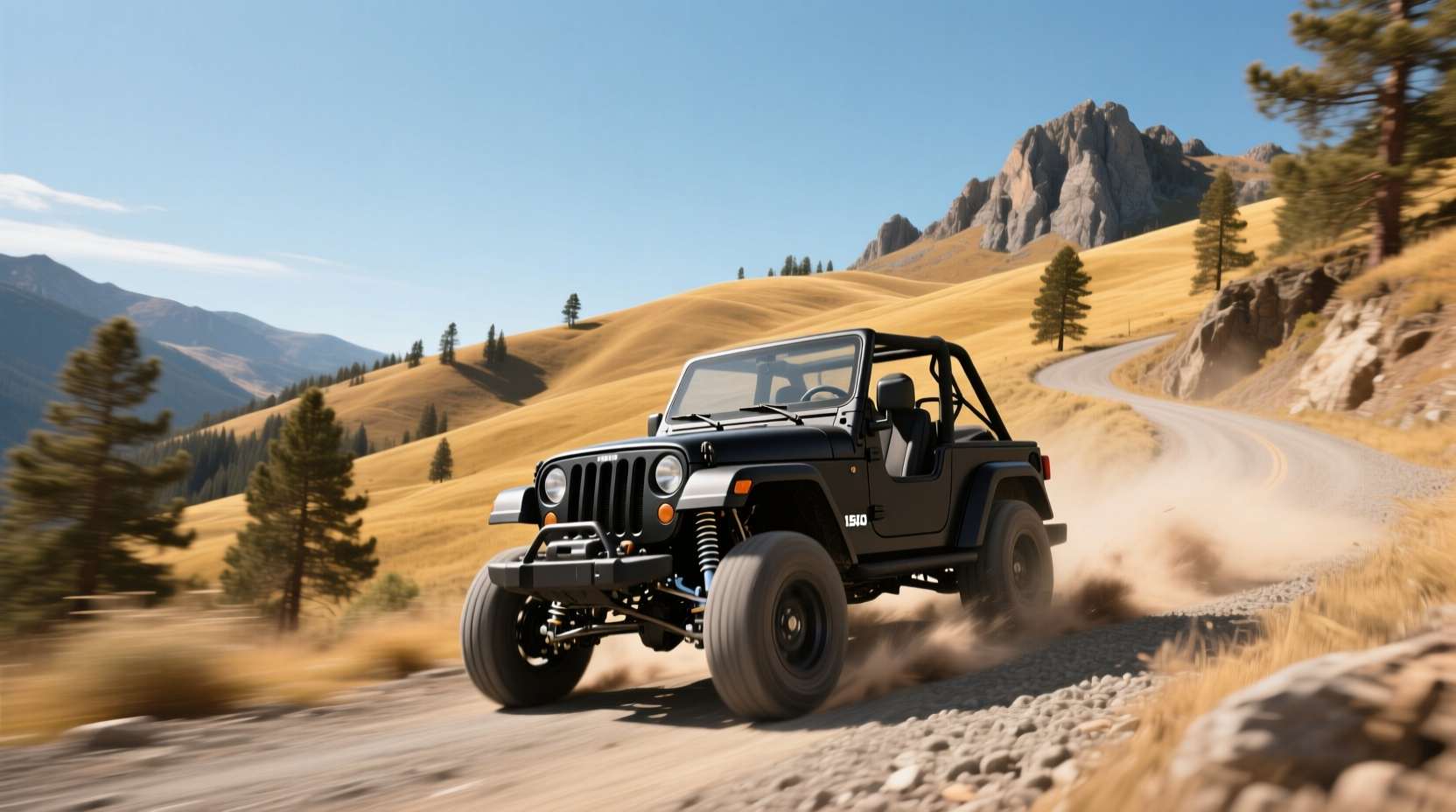
⚡ The top speed of a 150cc mini jeep typically ranges between 35 to 45 mph (56 to 72 km/h), depending on engine tuning, weight, terrain, and transmission type. This makes it ideal for recreational off-road use but not suitable for public roads. If you're searching for 'mini jeep 150cc top speed,' you're likely evaluating performance for trail riding, youth driving, or backyard fun — and this guide breaks down every factor that impacts real-world speed and usability.
Understanding the 150cc Mini Jeep: What It Is and Who It's For
A 150cc mini jeep is a compact, off-road utility vehicle designed primarily for recreational use. These vehicles resemble classic Jeep models in styling but are built on a go-kart or small ATV chassis. They’re commonly marketed as 'off-road only' machines, meaning they are not street legal in most U.S. states and many European countries 1.
🔧 Most 150cc mini jeeps are powered by a single-cylinder, air-cooled, 4-stroke gasoline engine — often based on the widely used GY6 platform found in scooters and ATVs. These engines are known for reliability, ease of maintenance, and availability of aftermarket parts. However, their performance varies significantly based on design, drivetrain, and intended use.
👥 These vehicles are popular among teens and adults looking for affordable off-road entertainment. Families use them on private property, farms, or large backyards. Some models include dual seats, reverse gear, and even cargo racks, enhancing their utility beyond just recreation.
What Determines the Top Speed of a 150cc Mini Jeep?
The advertised top speed isn't always what you'll experience in real conditions. Several technical and environmental factors influence how fast a 150cc mini jeep can go:
1. Engine Type and Tuning ⚙️
The 150cc engine is usually a derivative of the GY6 architecture, which powers many scooters and small utility vehicles. While displacement is fixed at ~150 cubic centimeters, performance depends on:
- Compression ratio: Higher compression increases power output.
- Carburetion: Properly tuned carburetors optimize fuel-air mix for better acceleration and top speed.
- Exhaust system: Performance exhausts reduce backpressure, allowing the engine to breathe better and gain a few extra mph.
- Ignition timing: Advanced digital CDI units can improve throttle response and high-end power.
Some manufacturers offer 'high-performance' versions with upgraded internals like big-bore kits (e.g., 171cc or 188cc), ported heads, or performance cams. These modifications can push speeds closer to 50 mph under ideal conditions.
2. Transmission and Final Drive Ratio 🛠️
Most 150cc mini jeeps use a CVT (Continuously Variable Transmission) paired with a chain final drive. The gear ratio between the engine’s output sprocket and the rear axle sprocket plays a major role in determining top speed.
A higher (taller) gear ratio favors top speed but reduces low-end torque — making hill climbing harder. A lower (shorter) ratio improves acceleration and pulling power but caps maximum velocity. Some owners modify the sprocket size to customize performance for their terrain.
| Sprocket Combo | Effect on Speed | Best Use Case |
|---|---|---|
| 14T front / 36T rear | Balanced speed & torque | General trail riding |
| 15T front / 34T rear | ↑ Top speed (~+3–5 mph) | Flat terrain, open fields |
| 13T front / 38T rear | ↓ Top speed, ↑ climbing ability | Hilly or rough trails |
3. Vehicle Weight and Load Capacity 📊
Lighter mini jeeps accelerate faster and reach higher speeds. Dry weights range from 250 to 350 lbs (113–159 kg). Adding a passenger or cargo increases rotational load, reducing both acceleration and top speed.
For example, a solo rider might achieve 42 mph on flat ground, while two riders could drop that to 36–38 mph due to increased strain on the engine and drivetrain.
4. Terrain and Surface Conditions 🌍
These vehicles perform best on hard-packed dirt, gravel, or grassy fields. Soft sand, mud, or steep inclines dramatically reduce speed. Tire type also matters — knobby off-road tires provide grip but increase rolling resistance compared to smoother all-terrain treads.
On paved surfaces, some users report slightly higher speeds due to reduced friction, but these vehicles lack proper braking, suspension, and lighting for safe road use.
5. Manufacturer Claims vs Real-World Performance 🔍
Be cautious of inflated speed claims. Some sellers advertise 'up to 50+ mph' based on dyno tests or downhill runs. Independent reviews and owner reports suggest more realistic figures fall within the 35–45 mph window.
Always check user-submitted videos or long-term ownership reviews before trusting manufacturer specifications. Platforms like YouTube host numerous real-world speed tests using GPS apps for accuracy.
Common Models and Their Speed Ratings
While no universal standard exists, several common 150cc mini jeep models appear across online marketplaces like Alibaba, eBay, and specialty off-road retailers. Below is a comparison of popular variants:
| Model | Engine Type | Claimed Top Speed | User-Reported Speed | Notes |
|---|---|---|---|---|
| Vitacci GR5 | GY6-based, 4-stroke | 45 mph | 40–43 mph | CARB/EPA compliant; full suspension |
| RPS Classic Jeep 150 | Automatic, reverse gear | 42 mph | 38–40 mph | Dual seat; adjustable driver position |
| X-Pro Ranger 150 | Zongshen 150cc | 50 mph | 42–45 mph (optimal) | Performance-tuned exhaust system |
| Coolster 150cc Buggy | 4-stroke auto trans | 40 mph | 35–38 mph | Budget model; basic suspension |
🛒 When shopping, prioritize verified customer feedback over marketing materials. Look for third-party testing data or GPS-tracked runs rather than relying solely on listed specs.
Legal and Safety Considerations 🚫
Despite their fun appearance, 150cc mini jeeps come with important limitations:
Not Street Legal in Most Regions
In the United States, federal law does not classify these vehicles as street-legal unless they meet FMVSS (Federal Motor Vehicle Safety Standards). Most mini jeeps lack turn signals, mirrors, seat belts, VINs, and crash protection required for registration 2.
📍 Local regulations vary. Some rural counties allow operation on private roads or designated OHV (Off-Highway Vehicle) trails. Always verify with your state’s Department of Motor Vehicles or equivalent authority before operating near public roads.
Safety Gear Is Essential
Even at moderate speeds, crashes can cause serious injury. Recommended safety equipment includes:
- DOT-approved helmet
- Over-the-ankle boots
- Gloves
- Eye protection or goggles
- Long sleeves and pants
Never allow children under 14 to operate without direct supervision. While marketed as 'youth' vehicles, their power exceeds typical go-karts.
Can You Increase the Speed of a 150cc Mini Jeep?
Yes — but with trade-offs. Many owners upgrade their mini jeeps for more speed or better trail performance. Common modifications include:
1. Big Bore Kit (171cc–188cc) ✨
Replacing the stock cylinder and piston with a larger displacement kit increases torque and top speed by 5–10%. Requires rejetting the carburetor and possibly upgrading the exhaust.
2. Performance CVT Components ⚙️
Upgrading the CVT clutch weights, rollers, and belt optimizes shift points for higher speed. Lighter rollers engage the secondary clutch earlier, improving acceleration.
3. Sprocket Changes 🛠️
Swapping the rear sprocket for a smaller one (fewer teeth) increases final drive ratio, boosting top speed at the cost of low-end pull.
4. Electronic Tuning 🔧
Installing a programmable CDI or rev limiter bypass can extend RPM limits, allowing the engine to reach higher speeds before cutting out.
❗ Caution: Modifications may void warranties, increase mechanical stress, and reduce engine lifespan. Always ensure cooling systems are adequate when increasing output.
Maintenance Tips to Maintain Peak Performance
To keep your 150cc mini jeep running at its best, follow these routine checks:
1. Air Filter Cleaning 🧼
A clogged air filter restricts airflow, reducing power and fuel efficiency. Clean foam filters with mild soap and water every 10–15 hours of use.
2. Chain Tension and Lubrication 🧰
Check chain tension weekly. A loose chain can jump off; an overly tight one strains the engine. Lubricate every 3–5 hours of operation.
3. Spark Plug Inspection 🔍
Replace spark plugs annually or every 100 operating hours. A fouled plug causes misfires and sluggish performance.
4. Carburetor Adjustment ⚙️
If the engine runs too rich (smoky) or too lean (overheating), adjust the air-fuel mixture screw carefully. Refer to the manual for baseline settings.
5. Coolant and Oil Levels ⚠️
Even air-cooled engines need periodic oil changes (every 25–50 hours). Use 10W-40 or manufacturer-recommended 4-stroke oil.
Frequently Asked Questions (FAQs)
- ❓ How fast does a 150cc mini jeep go on average?
- A typical 150cc mini jeep reaches 35 to 45 mph under normal conditions. Factors like rider weight, terrain, and maintenance affect actual speed.
- ❓ Can a 150cc mini jeep be made street legal?
- In most jurisdictions, no. These vehicles lack required safety features like lights, mirrors, and DOT certification. Converting one is complex and rarely approved.
- ❓ Is a 150cc mini jeep suitable for adults?
- Yes. Most models support riders up to 250 lbs and feature adult-sized seating. Check seat height and legroom before purchase.
- ❓ What kind of engine is in a 150cc mini jeep?
- Most use a single-cylinder, 4-stroke, air-cooled engine based on the GY6 platform. It's reliable, simple to repair, and widely supported with aftermarket parts.
- ❓ How do I verify the real top speed of my mini jeep?
- Use a GPS speed app (like Speedometer or GPS Test) during a flat, straight run. Avoid hills or wind interference for accurate readings.




 浙公网安备
33010002000092号
 浙B2-20120091-4