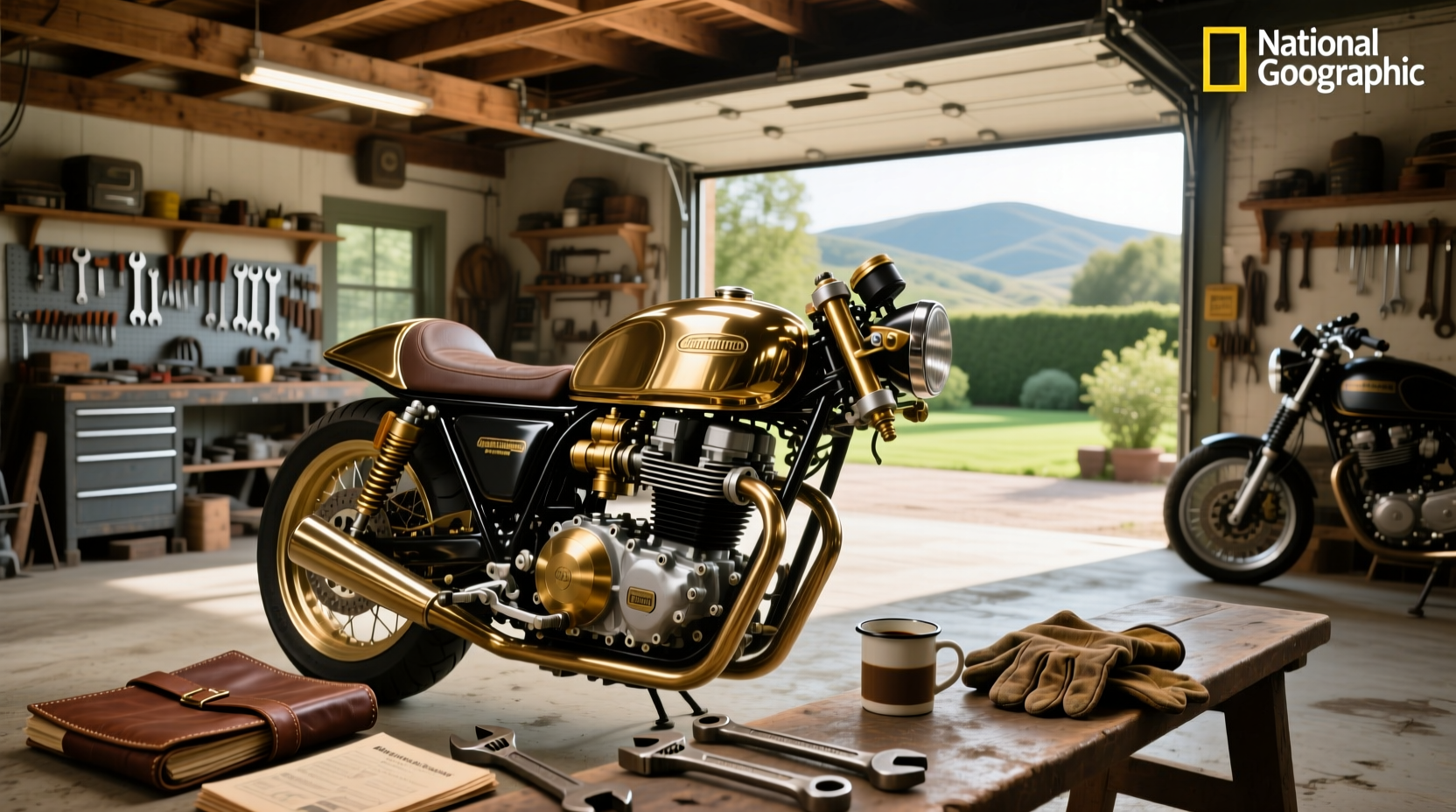
If your motorcycle is hard to start, idles unevenly, or loses power during acceleration, the issue may lie with the motorcycle carburetor. A properly functioning carburetor ensures the right air-fuel mixture for combustion, directly impacting engine performance, fuel efficiency, and reliability. For small-engine motorcycles—especially models using Lifan, Loncin, or generic Chinese 4-stroke engines like 110cc, 125cc, or 140cc pit bikes—understanding how to identify, maintain, and replace a carburetor is essential for both casual riders and DIY mechanics. This guide breaks down everything you need to know about motorcycle carburetors, from symptoms of failure to selecting the correct replacement size, adjusting fuel screws, and avoiding common installation mistakes.
What Is a Motorcycle Carburetor and How Does It Work?
A carburetor is a mechanical device that mixes air and fuel in the correct ratio before delivering it to the engine’s combustion chamber. Unlike modern fuel-injected systems, carbureted engines rely on vacuum pressure and calibrated jets to meter fuel based on throttle position and engine load. The main components include:
- Venturi: Narrow section where airflow speeds up, creating low pressure that draws fuel from the float bowl.
- Float bowl: Stores fuel at a consistent level using a float valve.
- Jets (main, pilot, needle): Control fuel flow at different throttle openings.
- Throttle slide/valve: Opens and closes to regulate airflow.
- Choke mechanism: Enriches the mixture during cold starts.
In off-road and small-displacement motorcycles—such as dirt bikes, pit bikes, or utility quad runners—carburetors remain popular due to their simplicity, low cost, and ease of repair compared to electronic fuel injection (EFI) systems 1.
Common Signs Your Motorcycle Carburetor Needs Service or Replacement
Recognizing early signs of carburetor trouble can prevent engine damage and reduce downtime. Key symptoms include:
- Difficulty starting – Especially when cold; often caused by clogged jets or stuck float.
- Stalling at idle – May indicate a lean fuel mixture or blocked pilot jet.
- Hesitation or bogging under acceleration – Suggests incorrect main jetting or dirty needle valve.
- Fouled spark plugs – Black, sooty plugs point to a rich mixture; white or blistered ones suggest a lean condition.
- Fuel leaks – Often due to worn gaskets, cracked housing, or faulty float valve.
- Excessive fuel consumption – Can stem from an improperly adjusted fuel screw or damaged diaphragm (on diaphragm-style carbs).
Before replacing the entire unit, consider cleaning or rebuilding the carburetor. Over time, ethanol-blended fuels leave varnish deposits that clog tiny passages. A carburetor rebuild kit typically includes new gaskets, O-rings, float needles, and seals—often sufficient to restore function without full replacement.
How to Diagnose Carburetor Problems Step by Step
🔧 Step 1: Inspect visually
Check for external fuel leaks, cracked hoses, loose clamps, or disconnected vacuum lines. Ensure the air filter is clean and seated properly—restricted airflow mimics carb issues.
🔧 Step 2: Remove and disassemble the carburetor
Drain the float bowl and remove the bowl, float, jets, and throttle slide. Use carburetor cleaner spray and compressed air to clear all passages. Never use wire to clean jets—this alters their calibration.
🔧 Step 3: Check float level
The float must sit at the manufacturer-specified height (e.g., 15–18mm for many 22mm Mikuni-style carbs). An incorrectly set float causes flooding (too high) or lean running (too low).
🔧 Step 4: Test fuel flow
Reconnect the fuel line and briefly turn on the petcock. Fuel should fill the bowl and stop when the float rises. If it overflows, the needle valve or seat is faulty.
🔧 Step 5: Adjust idle mixture screw
Most 4-stroke carburetors have an adjustable pilot (air or fuel) screw. Turn it gently until lightly seated, then open 1.5–2 turns as a baseline. Fine-tune while the engine runs warm for smoothest idle.
Selecting the Right Replacement Carburetor: Size, Type, and Compatibility
Choosing the correct replacement involves several factors beyond just brand or price. Here’s what matters most:
📏 Carburetor Size (Venturi Diameter)
The size—measured in millimeters (e.g., 22mm, 24mm, 26mm)—must match your engine’s displacement and intended use. Too large reduces low-end torque; too small limits top-end power.
| Engine Size (cc) | Recommended Carb Size | Typical Application |
|---|---|---|
| 50–80cc | 19–22mm | Kids' mini bikes, scooters |
| 110–125cc | 22–24mm | Pit bikes, trail riders |
| 140–150cc | 24–26mm | Performance pit bikes, dual-sport |
| 200cc+ | 26–32mm | Racing, modified engines |
⚙️ Carburetor Types: Slide vs. Flatslide vs. Constant Velocity (CV)
- Slide carburetors (e.g., Mikuni TM series): Direct cable control, sharp throttle response—common on performance bikes.
- Flatslide carbs: Similar to slide types but with flat throttle valves; offer better airflow and tuning precision.
- Constant velocity (CV) carbs: Use vacuum-operated slides; smoother operation, better fuel economy—used on many stock Lifan and OEM engines.
For most replacement scenarios involving Lifan 110cc to 150cc engines, a 22mm or 24mm CV-type carb with mechanical choke is standard.
🔌 Mounting Style and Throttle Cable Compatibility
Ensure the new carb matches your intake manifold (flange diameter and bolt pattern) and throttle system (cable pull direction: front, side, or rear entry). Mismatched flanges cause air leaks that disrupt tuning.
🏭 Brand and Aftermarket Options
While OEM replacements exist, many users opt for aftermarket brands like NIBBI Racing, VM-type Mikuni clones, or Keihin-style units. These often provide improved materials (aluminum bodies, brass jets) and better adjustability. However, quality varies—stick to reputable suppliers with clear specifications.
Lifan Engine Carburetor Replacements: What You Need to Know
Lifan engines are widely used in pit bikes, generators, and go-karts. Their carburetors are often interchangeable across models if bore size and mounting specs align. Common variants include:
- LF152F (97.7cc, 3HP): Uses a small CV carb (~19–22mm); often found on lawn equipment and mini bikes.
- LF168F-2 (196cc, 6.5HP): Powers larger utility engines; requires ~24mm carb with solenoid shut-off.
- LF190FD / LF188F (13–15HP): Used in generators and industrial machines; larger 26–28mm carbs with electric or manual choke.
- 110cc–140cc dirt bike kits: Typically use 22mm PE-series carbs (e.g., PE22FL), compatible with Apollo, SSR, TaoTao, and Honda clones.
When searching for a Lifan carburetor replacement, always verify the model number on the engine plate and cross-reference with the carb’s fitment list. Generic listings may claim universal compatibility but fail to account for subtle differences in linkage geometry or fuel inlet orientation.
Can You Upgrade from Carburetor to Fuel Injection?
While technically possible, converting a carbureted motorcycle to EFI is complex and rarely cost-effective for small engines. It requires:
- Fuel pump and regulator
- ECU and wiring harness
- Oxygen sensor and throttle position sensor
- Intake manifold modification
For most riders, optimizing the existing carburetor through proper jetting, airflow upgrades (high-flow air filter), and exhaust tuning yields better results. EFI offers advantages in emissions and cold-start reliability but adds weight and complexity 2.
How to Properly Install and Tune a New Carburetor
Installing a new carburetor isn’t just about bolting it on. Follow these steps for optimal performance:
- Inspect all gaskets: Replace intake and carb base gaskets to prevent vacuum leaks.
- Set float height: Refer to service manual specs; incorrect float levels cause flooding or starvation.
- Install correct jets: Stock jets work for mild setups. For modifications (big bore kit, performance exhaust), re-jet accordingly.
- Connect linkages correctly: Ensure throttle cable has free play (1–2mm at grip) and choke operates smoothly.
- Start and warm up engine: Let it idle until fully warmed.
- Adjust idle speed and mixture: Use tachometer to set idle RPM, then fine-tune mixture screw for highest stable idle.
- Test ride and evaluate: Watch for hesitation, popping, or overheating.
Use a plug chop test (shut off engine at wide-open throttle and inspect spark plug color) to assess overall mixture—tan brown is ideal.
Carburetor Maintenance Tips to Extend Lifespan
🧼 Drain fuel after storage: Ethanol attracts moisture; leaving fuel in the carb leads to gum formation.
✨ Use fuel stabilizer: Add to gas every 30 days if not riding frequently.
🔧 Inspect annually: Even if running well, disassemble and clean jets and float bowl yearly.
🛒 Keep a rebuild kit on hand: Low-cost insurance against sudden failure.
🚫 Avoid non-oxygenated fuel only if possible: Some older carb materials degrade faster with ethanol blends above E10.
Common Misconceptions About Motorcycle Carburetors
- "Bigger carb = more power": Only true if the engine breathes better (via cam, head work, exhaust). Otherwise, it hurts low-end response.
- "All 22mm carbs are the same": Internal venting, jet configurations, and throttle response vary significantly between brands.
- "If it runs, it’s tuned right": Engines can run poorly for months without immediate failure. Proper tuning prevents long-term damage.
- "Carburetors are obsolete": While EFI dominates new bikes, millions of carbureted motorcycles remain in use worldwide.
Where to Buy Reliable Motorcycle Carburetors
When purchasing online, focus on sellers who provide:
- Exact model compatibility lists
- Clear photos of the actual product
- Material specifications (e.g., aluminum body, brass jets)
- Return policies and warranty information
Avoid ultra-cheap units with no technical details—these often have poor casting quality or incorrect jetting. Look for established suppliers specializing in small engine parts rather than general marketplaces with inconsistent quality control.
Final Checklist Before Buying or Installing a Carburetor
- ✅ Confirm engine model and displacement
- ✅ Match carburetor bore size to application
- ✅ Verify mounting type (flange diameter, bolt pattern)
- ✅ Check throttle and choke cable compatibility
- ✅ Determine if solenoid (anti-afterfire) is required
- ✅ Decide between OEM replacement or performance upgrade
- ✅ Source a rebuild kit or extra jets if modifying
Frequently Asked Questions (FAQs)
- ❓ How do I know what size carburetor my motorcycle needs?
- The carburetor size should match your engine’s displacement and usage. For example, a 125cc pit bike typically uses a 22mm or 24mm carb. Check manufacturer specs or consult a service manual for exact recommendations.
- ❓ Can I clean a carburetor instead of replacing it?
- Yes, in many cases. If the issue is clogged jets or varnish buildup, a thorough cleaning with carb solvent and compressed air can restore function. Replace it only if there’s physical damage or persistent tuning issues.
- ❓ What’s the difference between a CV and a slide carburetor?
- A constant velocity (CV) carb uses vacuum to open the throttle slide, offering smoother operation. A slide carb is cable-operated directly, giving quicker response—preferred in racing applications.
- ❓ Why does my motorcycle backfire after installing a new carburetor?
- Backfiring is often due to an air leak (bad gasket), incorrect jetting (too lean), or improper choke use. Double-check all connections and ensure the pilot and main jets are appropriate for your setup.
- ❓ Are aftermarket carburetors reliable for Lifan engines?
- Many aftermarket carburetors are reliable if sourced from reputable brands and correctly sized. However, quality varies—read reviews, check materials, and confirm compatibility before purchase.




 浙公网安备
33010002000092号
 浙B2-20120091-4