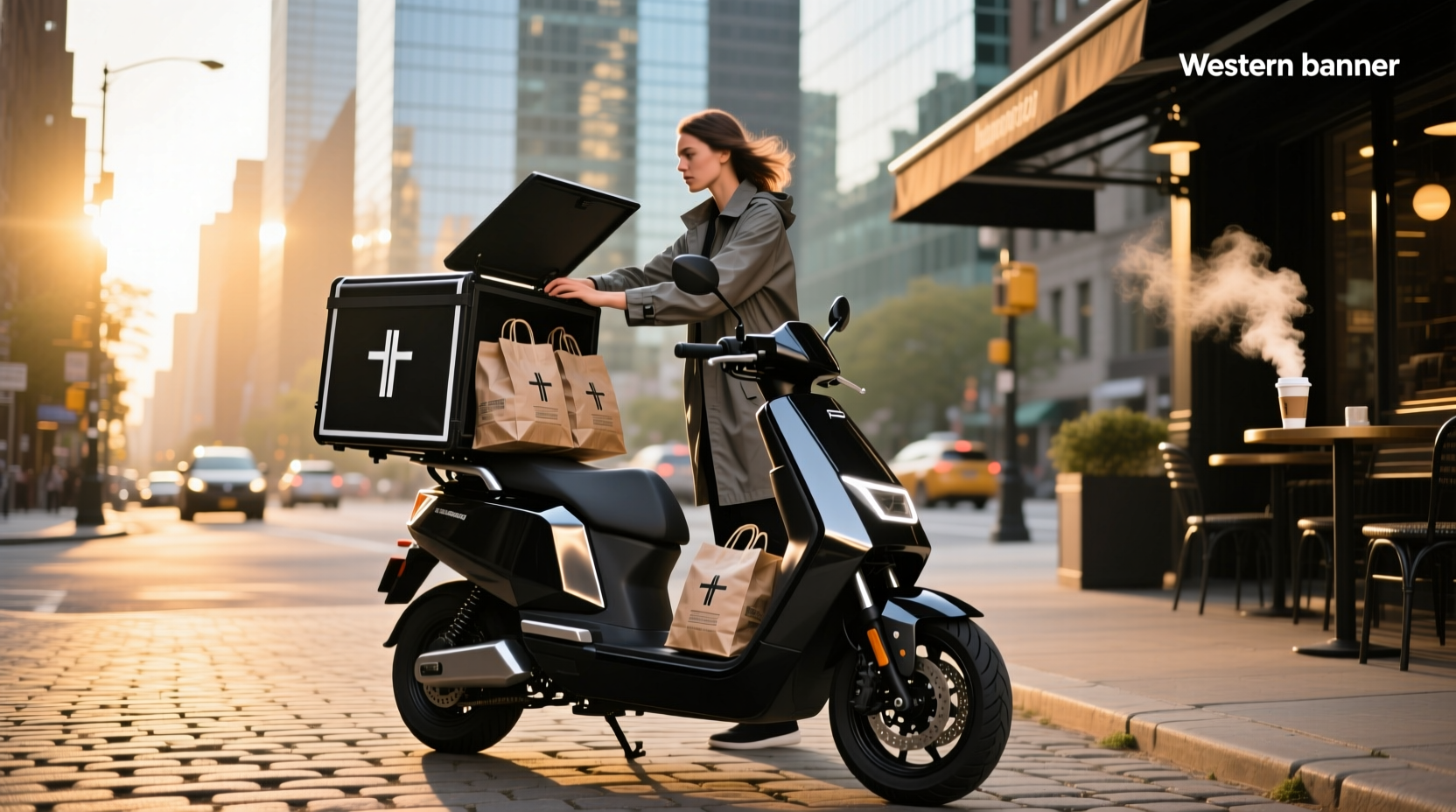
If you're searching for a motorcycle delivery box that combines durability, visibility, and thermal efficiency, you’re likely managing last-mile food or package logistics. The right box isn’t just about storage—it’s a mobile advertising platform, temperature-controlled container, and theft-resistant solution all in one. Models like the motorcycle food delivery box with LED display are increasingly popular across urban delivery fleets, especially for pizza, meal kits, and courier services operating on two-wheelers.
This guide breaks down everything you need to know before purchasing: types of boxes, key features (like IP65 waterproofing, battery integration, and insulation), price ranges from $100 to over $1,500, and real-world use cases. We’ll also compare standard cargo tail boxes vs. smart LED-equipped models, helping you decide what fits your operational needs—without overspending or under-equipping.
Why Riders and Delivery Services Need Specialized Motorcycle Boxes
Riders using scooters or motorcycles for deliveries face unique challenges compared to car-based couriers. Limited cargo space, exposure to weather, and lack of security make standard backpacks or aftermarket luggage unreliable for consistent service. A dedicated motorcycle delivery box addresses these issues by offering:
- ✅ Secure, lockable storage
- ✅ Insulated compartments to keep food hot or cold
- ✅ Mounting systems designed for vibration resistance
- ✅ Optional LED screens for branding and ads
- ✅ Weatherproof construction (often rated IP65)
These features aren’t just conveniences—they directly impact customer satisfaction, order accuracy, and driver efficiency. For example, a poorly insulated bag can result in lukewarm pizza, while an unsecured load risks loss during transit.
Types of Motorcycle Delivery Boxes: From Basic to Smart
Not all delivery boxes are created equal. Understanding the categories helps avoid mismatched purchases. Here are the main types available today:
1. Standard Insulated Delivery Boxes (Basic Thermal Protection)
🛒 These are the most affordable options, typically made from EPP (expanded polypropylene) foam or ABS plastic with aluminum lining. They range from $90–$200 and offer basic heat retention for short-distance deliveries.
📌 Common specs:
- Capacity: 30–80L
- Insulation: Reflective foil + foam layer
- Power: None (passive insulation)
- Mounting: Universal rack adapters
These work well for small operations or individual riders doing local takeout runs. However, they lack active heating/cooling and branding capabilities.
2. Heated/Cooled Delivery Boxes (Temperature-Controlled Units)
⚡ Some advanced models include built-in heating elements or thermoelectric cooling powered by the motorcycle’s electrical system. These maintain internal temperatures between 60°C (140°F) and 4°C (39°F), crucial for compliance in commercial food delivery.
🔧 Key considerations:
- Requires connection to vehicle battery (usually 12V)
- Draws 3–5A under load; verify your bike’s alternator capacity
- May require professional wiring for safe integration
While more expensive ($300–$700), they reduce spoilage and improve consistency—especially valuable in extreme climates.
3. LED-Enabled Advertising Delivery Boxes (Smart Branding Tools)
✨ This category has grown rapidly due to its dual function: secure transport + mobile advertising. A motorcycle food delivery box with advertising LED screen turns every ride into a billboard.
📌 Features often include:
- Full-color LED panels (P2.5 to P3.0 pixel pitch)
- Programmable messages or rotating ads
- Battery-powered or direct-to-bike power
- Waterproof design (IP65 standard)
On platforms like Alibaba.com, prices range from $500–$1,500 depending on screen size and brightness. Larger three-sided units allow 360° visibility at traffic stops, increasing brand exposure significantly.
Pricing Trends and Where to Buy
📍 The cost of a motorcycle delivery box varies widely based on materials, tech integration, and order volume. Below is a breakdown by price tier:
| Price Range | Features Included | Best For |
|---|---|---|
| $90–$200 | Basic insulation, ABS/plastic shell, no electronics | Individual riders, low-volume delivery |
| $200–$500 | Enhanced insulation, locking mechanism, optional LED strip | Small teams, gig economy drivers |
| $500–$1,000 | Integrated LED display, waterproof housing, battery connectivity | Commercial fleets, branded services |
| $1,000+ | Custom graphics, high-brightness screens, OEM designs | Large chains, franchised operators |
🛒 Most buyers source these from B2B marketplaces like Alibaba.com or specialized manufacturers such as Prodel Bag, LeemanLED, and Tycorun. Direct manufacturer orders often require minimum quantities (e.g., 50–300 units), making them better suited for businesses than individuals.
For single-unit purchases, Temu or AliExpress may offer lower MOQs but with longer shipping times and less warranty support. Always confirm whether the product includes mounting hardware and power cables before ordering.
Key Features to Evaluate Before Purchase
When comparing different motorcycle delivery box models, focus on these six critical factors:
1. Material Durability and Weather Resistance
🌧️ Look for boxes constructed from ABS plastic, fiberglass-reinforced polymer (FRP), or aluminum alloys. These resist impacts, UV degradation, and corrosion. An IP65 rating ensures dust-tightness and protection against water jets—essential for rainy climates.
Avoid thin-walled plastic containers that crack under stress or degrade after months of sun exposure.
2. Mounting System Compatibility
🔧 Not all racks fit all bikes. Confirm whether the box uses a universal bracket, top case mount, or custom frame-specific adapter. Some models integrate with Givi, Shad, or Kappa rack systems, while others require DIY installation.
Tip: Measure your rear rack dimensions before buying. A mismatch leads to instability or unsafe overhang.
3. Power Integration and Wiring Needs
🔋 If choosing an LED or heated model, check how it connects to power. Options include:
- Direct hardwire to ignition circuit (most reliable)
- Cigarette-style socket (convenient but less durable)
- Internal rechargeable battery (limited runtime)
Ensure your motorcycle has sufficient spare amperage. Adding a 5A load to a small scooter’s 180W charging system could strain the stator over time.
4. Visibility and Advertising Effectiveness
📢 For LED-equipped boxes, screen brightness (measured in nits) matters. Outdoor visibility requires at least 3,000 nits; higher-end models reach 5,000+. Pixel pitch (distance between LEDs) affects clarity—lower numbers mean sharper images.
Consider message scheduling: Can you update content remotely via Bluetooth or Wi-Fi? Some systems allow dynamic ad rotation, useful for multi-client delivery services.
5. Theft Deterrence and Locking Mechanisms
🔒 Many boxes come with anti-theft locks or tamper-proof screws. Integrated cable locks let you secure the entire unit to the bike frame. In high-theft areas, look for models with alarm triggers or GPS tracking compatibility.
6. Serviceability and Warranty Support
🛠️ Electronics fail. Ask whether replacement parts (like LED modules or control boards) are available separately. A 1-year warranty is standard; extended coverage may be offered by premium brands.
Regional Differences and Legal Considerations
🌍 Regulations vary by country regarding vehicle modifications and electronic displays. In the EU, CE certification is mandatory for electrical components. In the U.S., FMVSS does not regulate auxiliary cargo boxes, but local ordinances may restrict flashing lights or oversized loads.
Before importing or installing an LED delivery box, verify:
- Compliance with local road safety laws
- Electromagnetic interference (EMI) standards
- Weight limits affecting handling
Some cities ban moving digital advertisements on vehicles, so confirm municipal rules if using programmable screens.
Common Misconceptions About Motorcycle Delivery Boxes
❌ Despite growing popularity, several myths persist:
Myth 1: “Any Cooler Bag Works Just as Well”
Reality: Backpack coolers lack structural rigidity and secure mounting. They shift during braking and offer minimal insulation. Dedicated boxes maintain shape, distribute weight evenly, and resist tipping.
Myth 2: “LED Screens Drain the Battery Too Fast”
Reality: Modern LED systems are energy-efficient. A typical P2.5 display draws 20–30W (about 2.5A at 12V). Connected to the ignition, it only operates when riding—posing little risk to battery life.
Myth 3: “More Litres Always Means Better”
Reality: Oversized boxes create drag, affect balance, and may exceed legal width limits. Match capacity to your average order volume. A 50L box often suffices for 3–4 meal orders.
How to Install and Maintain Your Delivery Box
⏱️ Proper setup ensures longevity and safety. Follow these steps:
- Inspect Mounting Points: Check for rust, cracks, or weak welds on your carrier rack.
- Secure the Base: Use rubber-lined clamps or bolts with thread locker to prevent loosening.
- Route Wires Safely: Avoid sharp edges and moving parts. Seal entry points with grommets.
- Test Operation: Run the system before full deployment to catch faults early.
Maintenance tips:
- Clean exterior with mild soap; avoid pressure washing near seams
- Check seals monthly for wear
- Recharge backup batteries weekly if used
- Update firmware (if applicable) to fix bugs or add features
Alternatives and Hybrid Solutions
🔄 If a full LED box is too costly, consider upgrades:
- Add reflective tape or magnetic signs to a basic box
- Install a standalone LED strip around a non-digital unit
- Use QR code decals linking to promotions
You can also retrofit older boxes with insulation liners or heating pads, extending their usefulness without full replacement.
Final Recommendations: Who Should Buy What?
👥 Choosing the right motorcycle delivery box depends on your role:
- Individual Gig Workers: Opt for a $100–$200 insulated box with basic lock. No need for LED unless building personal brand.
- Small Delivery Teams: Invest in uniform mid-range boxes ($300–$500) with logo branding and moderate insulation.
- Commercial Operators: Choose integrated LED models with fleet management features and bulk-order discounts.
Always prioritize reliability over flashy features. A broken LED screen won’t ruin a delivery—but a melted pizza will.
Frequently Asked Questions (FAQs)
- Can I power a motorcycle delivery box with LED display from my bike’s battery?
- Yes, most LED-equipped boxes are designed to connect directly to the motorcycle’s 12V system. Ensure your bike has enough reserve amperage—typically 3–5A—and use fused wiring for safety.
- Are waterproof motorcycle delivery boxes fully sealed?
- Boxes rated IP65 are protected against dust and low-pressure water jets, making them suitable for rain and splashes. However, submersion or high-pressure washing should be avoided.
- How do I clean and maintain a food delivery box with LED screen?
- Wipe the exterior with a damp cloth and mild detergent. Avoid spraying water near screen edges or vents. Inspect seals monthly and keep drainage holes clear.
- Do LED delivery boxes work in cold weather?
- Most LED panels operate reliably down to -20°C (-4°F). However, internal batteries (if present) lose efficiency in cold conditions. Hardwiring to the bike mitigates this issue.
- Can I customize the message on my delivery box’s LED screen?
- Yes, nearly all models allow message changes via USB, SD card, or smartphone app. Some support scheduled content updates or remote management through cloud platforms.




 浙公网安备
33010002000092号
 浙B2-20120091-4