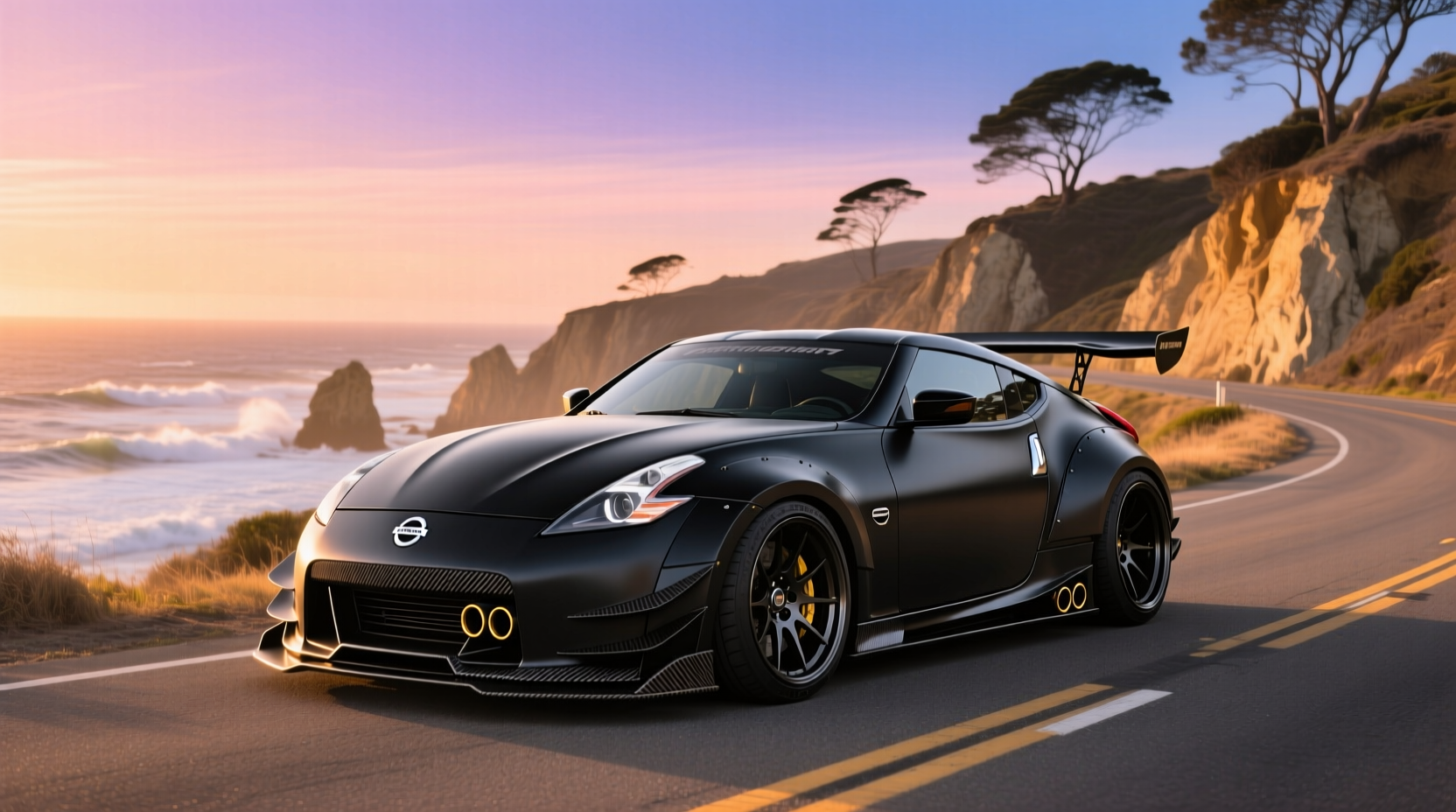
Upgrading your Nissan 370Z with a body kit is one of the most effective ways to enhance its aggressive stance and personalize its appearance. Whether you're drawn to the clean lines of an Amuse-style widebody or the track-inspired look of an AMS aerodynamic package, choosing the right kit involves more than just aesthetics. This guide breaks down everything you need to know about selecting, installing, and maintaining a body kit on your 2009–2021 Nissan 370Z—including material differences, compatibility across trims, cost expectations, and real-world fitment issues reported by owners in forums like r/370z1.
Why Add a Body Kit to a Nissan 370Z?
The Nissan 370Z (model years 2009–2021) has always been praised for its balanced chassis and driver-focused design. However, many enthusiasts feel the factory styling lacks visual aggression compared to its performance potential. A body kit addresses this by modifying the front bumper, side skirts, rear valance, and often adding fender flares or spoilers.
🔧 Functional Benefits:
- Aerodynamics: Some kits, especially those from manufacturers like AMS or Carbonetics, are designed to reduce lift at high speeds.
- Cooling Improvements: Larger intakes in aftermarket front bumpers can improve brake and engine bay airflow.
- Tire Clearance: Widebody kits allow fitment of wider wheels and tires, improving grip and cornering stability.
✨ Styling Impact: Beyond function, a body kit dramatically changes presence. The Amuse Vestito style, for example, gives the Z a low-slung, JDM-inspired silhouette that stands out at car meets and cruises.
Popular Nissan 370Z Body Kit Styles
Not all body kits are created equal. Design philosophy, construction material, and intended use vary significantly between brands and styles.
Amuse R1 Titan Vestito Style
📍 One of the most sought-after looks for the 370Z, the Amuse-inspired kits replicate the Japanese tuning aesthetic characterized by smooth curves, integrated diffusers, and subtle lip spoilers. These are typically offered as full kits including front bumper, side skirts, rear bumper, and optional rear wing.
✅ Pros:
- Timeless, OEM+ appearance
- Available in fiberglass and carbon fiber
- Widely supported by multiple vendors (e.g., Concept Z Performance, NextLevel Performance)
❗ Cons:
- Fiberglass versions may require extra prep before painting
- Fitment inconsistencies reported with certain suppliers
AMS Full Aero Kit
⚡ Known for their motorsport heritage, AMS Performance offers a functional aero package focused on cooling and downforce. Their 370Z kit features large ducts, splitter elements, and vented hoods.
🔧 Key Features:
- Designed for track-driven Z cars
- Often includes heat extractors
- Higher price point due to composite materials
🛒 Priced between $625 and over $8,000 depending on configuration and material upgrades2.
Rocket Bunny / Pandem Kits
📌 While not listed directly in search results, Rocket Bunny is frequently searched alongside 'Nissan 370Z with body kit'. These widebody kits offer extreme fender flares and bolt-on arches for a race-car silhouette.
⚙️ Important Note: True Rocket Bunny kits are rare and expensive. Many sellers offer “Rocket Bunny style” kits made from fiberglass or polyurethane. These provide the look but may lack structural rigidity.
Materials Used in 370Z Body Kits
The material affects durability, weight, finish quality, and long-term maintenance.
| Material | Pros | Cons | Average Price Range |
|---|---|---|---|
| Fiberglass | Low cost, paintable surface | Brittle, prone to cracking on impact | $1,500–$3,000 |
| Urethane (Polyurethane) | Flexible, impact-resistant | Can warp in heat, harder to paint | $2,000–$4,000 |
| Carbon Fiber (Dry or Wet) | Lightweight, premium look, durable | Expensive, repair complexity | $4,000–$9,000+ |
| ABS Plastic | OEM-like flexibility, consistent fit | Limited availability for full kits | $3,000–$6,000 |
🧼 Maintenance Tip: Fiberglass parts require UV protection; prolonged sun exposure can cause yellowing and brittleness. Consider ceramic coating or garage storage if using unpainted or clear-coated components.
Compatibility Across Model Years and Trims
The Nissan 370Z was produced from 2009 to 2021 with minimal exterior changes after the 2010 refresh. Most body kits are labeled as fitting '2009–2021', but there are nuances:
- Pre-2010 vs. Post-2010 Bumpers: Early models have slightly different mounting points. Confirm kit compatibility with your model year.
- Nismo Models: Factory Nismo bumpers differ in shape. Aftermarket kits may not align perfectly without modification.
- Coupe vs. Roadster: Kits are generally specific to body type. Never install a coupe kit on a convertible without verifying fitment.
🔍 Always check product descriptions for exact fitment notes. For example, some Amuse-style kits from Alibaba suppliers specify compatibility only up to 2016, likely due to tooling limitations3.
Pricing: What to Expect When Buying a 370Z Body Kit
Prices vary widely based on brand, material, and completeness.
📊 Breakdown by Type:
- Entry-Level Fiberglass Kits: $1,500–$2,500 (e.g., Duraflex, Mercado Libre options)
- Mid-Tier OEM+ Style (Amuse Replica): $2,600–$4,000 (e.g., Carbonetics, ATROX Customs)
- Premium Composite or Carbon Kits: $5,000–$8,500+ (e.g., AMS, genuine Rocket Bunny)
🚚 Additional Costs:
- Shipping: International orders may incur customs fees.
- Paint & Prep: Professional paint matching adds $1,000–$2,000.
- Installation: Labor ranges from $800–$2,000 depending on complexity.
📌 Pro Tip: Buy a complete kit rather than individual pieces unless replacing damaged parts. Mismatched batches can lead to color or contour inconsistencies.
Where to Buy a Nissan 370Z Body Kit
Several channels exist, each with trade-offs.
Specialty Tuning Shops (US-Based)
Vendors like Fly1 Motorsports, Concept Z Performance, and NextLevel Performance offer ready-to-install kits with customer support. However, user feedback on Reddit suggests mixed experiences—some report poor fitment from Fly1, while others praise Shine Auto Project for precision4.
Mexico & Latin American Markets
ATROX Customs (Mexico) and Mercado Libre list Amuse-style kits priced around MX$27,990 (~$1,600 USD). These may offer lower prices but come with longer shipping times and limited return policies.
Alibaba & Overseas Suppliers
🌐 Platforms like Alibaba host numerous manufacturers offering 'Amuse style' kits for $1,200–$2,000. While cost-effective, buyers should be cautious:
- Verify whether the supplier provides detailed measurements
- Ask for batch photos—not stock images
- Confirm if hardware and instructions are included
- Check reviews mentioning post-purchase communication
❗ Risk Factor: Poor fitment may require extensive trimming or result in panel gaps, increasing labor costs.
Installation: DIY vs. Professional
⏱️ Time Required: 20–40 hours for a full kit, depending on experience and prep work.
DIY Considerations
If attempting self-installation:
- Use OEM clips and fasteners where possible
- Dry-fit all panels before drilling or bonding
- Apply seam sealer behind inner edges to prevent moisture ingress
- Allow extra time for paint touch-ups at joints
🧰 Essential Tools:
- Trim removal tools
- Drill with countersink bit
- Body adhesive (e.g., 3M Scotch-Weld)
- Gap gauge for alignment
Professional Installation
👥 Recommended for carbon fiber or complex widebody systems. Choose shops with prior 370Z experience. Ask to see completed projects and verify they handle paint matching in-house or partner with a trusted painter.
Common Issues and How to Avoid Them
Despite careful planning, problems arise. Here’s how to mitigate them.
Poor Panel Gaps
Uneven gaps between new bumpers and factory sheet metal are common with fiberglass kits. To minimize:
- Select vendors known for tight quality control (e.g., Shine, Carbonetics)
- Require test-fitting before final attachment
- Use adjustable brackets if available
Paint Matching Problems
Factory paint fades over time. Even an exact color code match may appear off on older vehicles.
✅ Solution: Have the installer blend the new panels into adjacent factory sections. Alternatively, consider repainting the entire front or rear end.
Cracking Over Time
Fiberglass kits installed in regions with extreme temperature swings (e.g., Arizona, Canada) may develop stress cracks.
🔧 Prevention:
- Ensure proper support with brackets—not just adhesive
- Avoid rigid mounting in areas subject to flex (like side skirts)
- Inspect annually for hairline fractures
Legal and Insurance Implications
In some jurisdictions, modified bumpers may affect crash safety ratings or fail vehicle inspections.
- USA: No federal law prohibits body kits, but states like California regulate modifications under CVC §28071 (aftermarket parts must not impair safety).
- EU: Modifications may require technical approval (ABE in Germany) to pass MOT-style tests.
- Insurance: Declare modifications to avoid claim denials. Some insurers increase premiums for aesthetic changes.
📌 Always keep manufacturer documentation and installation receipts in case of inspection or claims.
Alternatives to Full Body Kits
If a full kit feels too involved, consider staged upgrades:
- Front Lip Only: Enhances look with minimal cost (~$300–$600)
- Side Skirts + Rear Diffuser: Subtle improvement without major disassembly
- Wrap Instead of Paint: Use vinyl wrap to mimic carbon fiber or change color temporarily
✨ Example: A matte black wrap with gloss black trim can give a custom look without permanent changes.
Resale Value Impact
While subjective, heavily modified 370Zs often appeal to niche buyers. A well-executed Amuse kit can increase curb appeal, but poorly installed or garish kits may deter mainstream used car shoppers.
📈 Tip: If planning to sell within 2–3 years, prioritize OEM+ styles over extreme widebodies. Keep original bumpers stored safely.
Final Checklist Before Buying
Before purchasing any Nissan 370Z body kit, ask:
- Is it confirmed for my model year and trim (e.g., Nismo, Sport)?
- What material is used—and does it suit my climate and usage?
- Does the kit include all necessary hardware and instructions?
- Has the seller provided real customer photos or installation videos?
- What is the return policy if fitment is off?
- Am I prepared for paint and labor costs?
📌 Document answers to these questions to avoid costly mistakes.
Frequently Asked Questions
- Can I install a Nissan 370Z body kit myself?
- Yes, if you have mechanical experience and proper tools. Dry-fit all parts first and expect 20+ hours for completion. Complex kits (carbon fiber, widebody) are best left to professionals.
- Do body kits affect fuel efficiency?
- Minimal impact under normal driving. Aerodynamic kits may improve highway efficiency slightly, but added frontal area from wide fenders could offset gains.
- Are Amuse-style body kits OEM-approved?
- No. Amuse is a Japanese tuning house, not Nissan. These are aftermarket accessories with no factory endorsement or warranty coverage.
- How do I maintain a fiberglass body kit?
- Wash regularly, apply wax every 3 months, and inspect for cracks. Avoid high-pressure washers near seams to prevent water intrusion.
- Will insurance cover damage to aftermarket body kits?
- Only if explicitly added to your policy. Standard coverage typically excludes non-factory parts. Contact your insurer before installation.




 浙公网安备
33010002000092号
 浙B2-20120091-4