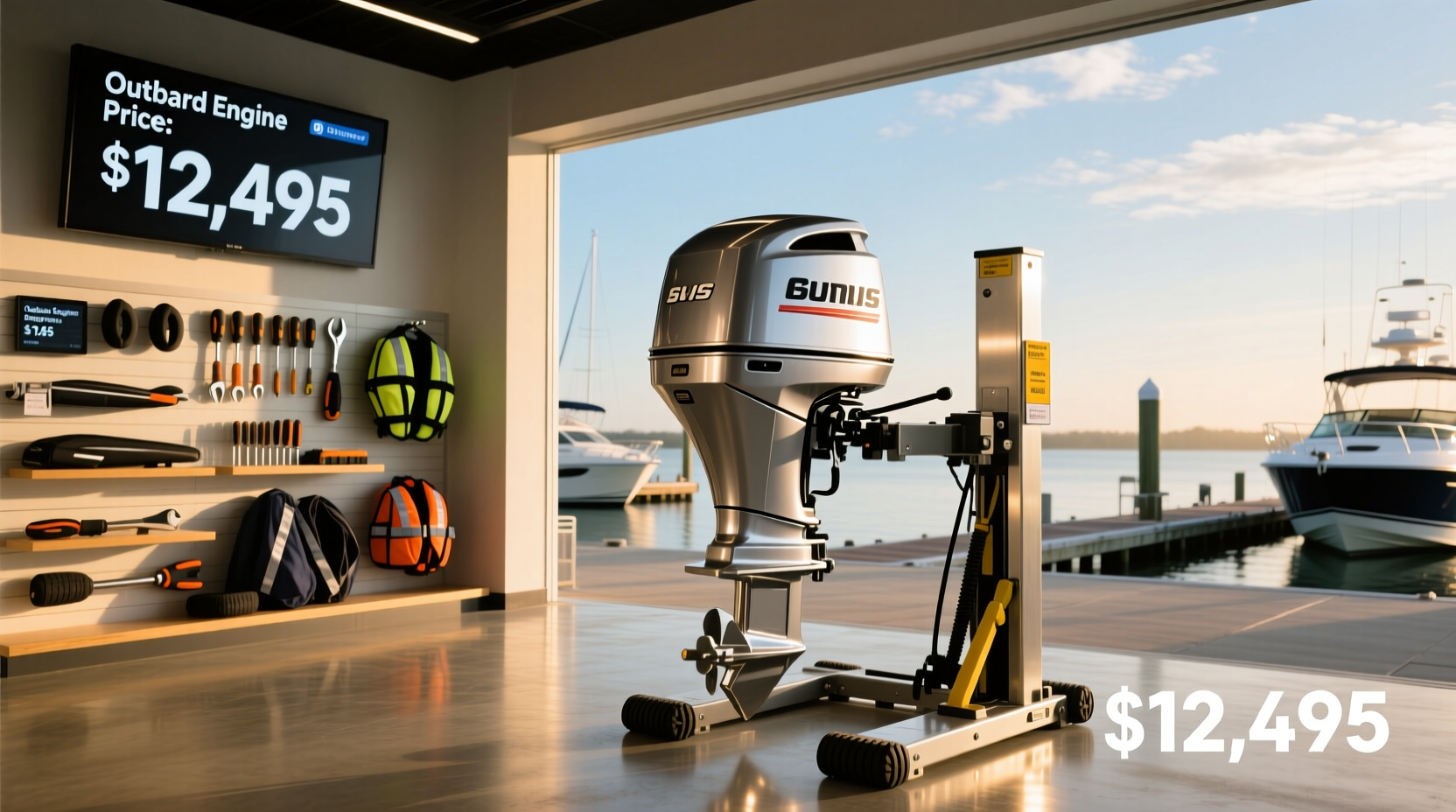
Understanding outboard engine price starts with knowing the key factors that influence cost: horsepower, engine type (2-stroke vs. 4-stroke), fuel efficiency, brand reputation, and whether the unit is electric or diesel-powered. For example, a basic 9.9hp 4-stroke outboard can start around $1,500, while high-performance models like Mercury Verado 300hp may exceed $25,000. Used engines typically range from 40% to 70% of new prices depending on condition and age. This guide breaks down every element affecting outboard motor costs so you can make an informed decision based on your boat size, usage needs, and budget constraints.
What Determines Outboard Engine Price?
When evaluating the cost of an outboard motor, several interrelated variables come into play. These include technical specifications, construction materials, technological features, and market availability. Understanding these helps avoid overpaying or under-specifying for your vessel’s requirements.
Horsepower and Performance Tier
The most significant factor in pricing is horsepower (hp). Motors are generally categorized into three performance tiers:
- Low-power (2.5–25 hp): Ideal for small dinghies, inflatable boats, and lightweight fishing crafts. Prices typically range from $800 to $3,000.1
- Mid-range (30–150 hp): Suitable for recreational boats up to 24 feet. These units cost between $6,000 and $15,000, with 4-stroke models commanding a premium due to fuel economy and emissions compliance.
- High-output (175–600 hp): Designed for offshore fishing, cruising, or performance boating. Top-tier brands like Yamaha, Mercury, and OXE Diesel offer advanced digital controls and torque management, pushing prices from $18,000 to over $30,000.
Selecting the correct horsepower ensures optimal speed, fuel efficiency, and load handling—undersized engines strain under heavy loads, while oversized ones increase unnecessary expenses.
Engine Type: 2-Stroke vs. 4-Stroke vs. Electric
Different engine types carry distinct cost implications and operational trade-offs:
| Engine Type | Avg. Price Range | Fuel Efficiency | Maintenance Needs | Best Use Case |
|---|---|---|---|---|
| 2-Stroke | $1,200–$8,000 | Lower | Moderate (oil mixing) | Racing, older models |
| 4-Stroke | $1,500–$25,000+ | Higher | Low (automated oil system) | Recreational, family boating |
| Electric (e.g., Momentum M10) | $3,000–$12,000 | Zero fuel use | Very low | Quiet lakes, eco-tourism |
| Diesel (e.g., OXE Marine) | $15,000–$30,000+ | Very high | Moderate to high | Commercial, long-range |
While traditional 2-strokes were once cheaper and lighter, modern direct-injection versions have closed the gap in cleanliness but remain less common than 4-strokes. The latter dominate today’s market due to stricter emission standards and better longevity.2
Electric outboards, though higher upfront, reduce operating costs significantly where charging infrastructure exists. However, they’re limited by battery life and power output—ideal for calm waters rather than open seas.
Brand Influence on Cost
Major manufacturers such as Yamaha, Mercury, Honda, and Suzuki set industry benchmarks for reliability and innovation. While their products often command higher prices, this reflects investment in R&D, corrosion-resistant materials, and warranty support.
- Mercury: Known for Verado supercharged engines; strong resale value.
- Yamaha: Offers F-series with excellent durability; popular among saltwater users.
- Honda: Emphasizes fuel efficiency and quiet operation; slightly heavier builds.
- OXE Marine: Specializes in diesel outboards offering superior torque and lower fuel burn—valuable for commercial operators despite steeper initial cost.
Lesser-known brands may offer savings of 15–30%, but verify service network coverage before purchase, especially if boating remotely.
New vs. Used Outboard Engines: Is It Worth Saving?
Purchasing used can cut costs substantially, but requires careful inspection.
Pros and Cons of Used Outboards
| Aspect | New Engine | Used Engine |
|---|---|---|
| Avg. Price | Full retail ($1,500–$30,000+) | 40–70% of new |
| Warranty | 3–5 years standard | Limited or none |
| Reliability | Guaranteed | Varies by maintenance history |
| Parts Availability | Full supply chain | Potential obsolescence after 15+ years |
| Technology | Latest digital gauges, EFI, Bluetooth | May lack modern features |
When buying used, always request service records, check for corrosion (especially in lower units), test compression, and inspect propeller shaft alignment. A pre-purchase marine survey ($150–$400) can prevent costly repairs later.
When to Choose New Over Used
- You need manufacturer warranty for peace of mind.
- Your boat is new or under financing requiring OEM equipment.
- You plan frequent offshore trips where failure risks are unacceptable.
- You want integrated systems like joystick docking or GPS-based power tuning.
Regional Price Differences and Market Trends
Outboard engine prices vary across regions due to taxes, import duties, climate demands, and local competition.
North America vs. Europe vs. Australia
In the U.S., MSRP is often transparent, with dealers offering seasonal discounts (spring and fall). Canadian buyers face additional GST/PST and shipping surcharges increasing final cost by 10–15%. In Europe, VAT (typically 19–25%) adds significantly to sticker price, and environmental regulations favor cleaner 4-stroke or electric models. Australia sees markups due to import logistics and saltwater corrosion resistance requirements.
For instance, a Yamaha F250 in Florida might list at $22,000, whereas the same model in Germany could reach €28,000 (~$30,000) after taxes and conversion.
Seasonal Pricing and Dealer Incentives
Timing your purchase can save hundreds. Dealers often clear inventory before model year changes (late summer to early fall), offering rebates or bundled accessories. Winter months see fewer promotions but also less selection. Spring brings demand spikes, reducing negotiation leverage.
Strategies to maximize savings:
- CallCheck end-of-year sales (September–November).
- Negotiate package deals including mounting, rigging, and propellers.
- Ask about floor models or customer-trade-ins in good condition.
Total Cost of Ownership: Beyond the Sticker Price
The initial outboard engine price is only part of the financial picture. Consider ongoing expenses:
Fuel Consumption
A 150hp 4-stroke burns roughly 10–15 gallons per hour at wide-open throttle. At $3.50/gallon, that’s $35–$52/hour. Diesel engines like OXE 300D use ~20% less fuel under similar loads, saving thousands annually for commercial users.
Maintenance Schedule and Costs
Annual servicing is critical for longevity. Typical tasks include:
- Oil and filter change: $100–$200
- Lower unit gear lube: $75–$150
- Spark plugs: $50–$120
- Propeller inspection/repair: $100–$300
- Winterization: $150–$300
Over five years, maintenance can add $1,000–$2,500 depending on usage intensity.
Insurance and Registration Fees
More powerful engines increase insurance premiums. A 300hp outboard may raise annual policy costs by $200–$500 compared to a 90hp unit. Some states require registration fees based on horsepower, further influencing total ownership expense.
Common Misconceptions About Outboard Pricing
Several myths mislead buyers when assessing value:
Myth 1: Higher Horsepower Always Means Better Performance
Not true. Matching engine power to boat weight and hull design matters more. Overpowering can stress transoms and reduce stability.
Myth 2: All 4-Stroke Engines Are Fuel-Efficient
Efficiency varies widely. Older 4-strokes may consume more than newer 2-strokes with direct injection. Check specific fuel consumption (SFC) ratings in manufacturer specs.
Myth 3: Electric Outboards Are Cheaper to Run
While electricity is cheaper than gas, battery replacement every 5–8 years costs $2,000–$5,000. Factor this into long-term calculations.
How to Compare Models and Avoid Overspending
Follow a structured approach to ensure you get fair value:
Step 1: Define Your Boating Needs
- Boat length and dry weight
- Typical passenger count and gear load
- Primary water conditions (lake, river, coastal, offshore)
- Frequency of use (weekend vs. daily)
Step 2: Research MSRP and Dealer Quotes
Visit official brand sites (e.g., mercurymarine.com, yamahaoutboards.com) for base pricing. Then contact at least three authorized dealers for written quotes including delivery, setup, and taxes.
Step 3: Evaluate Feature-to-Cost Ratio
Does push-button starting justify a $2,000 upgrade? Is digital throttle & shift worth the added complexity? Prioritize reliability and ease of service over luxury features unless essential.
Step 4: Check Resale Value Trends
Brands like Mercury and Yamaha hold value better. After five years, some retain 60–70% of original price versus 40–50% for lesser-known labels. This impacts net ownership cost if planning to sell later.
Where to Buy: Online vs. Local Dealerships
Each channel has pros and cons:
Local Marine Dealers
✅ Personalized advice✅ On-site installation and commissioning
✅ Warranty service access
❌ Limited inventory
❌ Less price transparency
Online Retailers (e.g., West Marine)
✅ Wider selection✅ Competitive pricing
✅ Customer reviews
❌ Shipping challenges (heavy items)
❌ No hands-on testing
❌ Installation must be arranged separately
If ordering online, confirm return policies and whether the unit ships fully assembled or requires professional rigging.
Future-Proofing Your Investment
With evolving emissions laws (e.g., EPA Tier 3, EU Stage V), consider how long your engine will remain compliant. Electric and hybrid systems are gaining traction, particularly in protected waterways banning combustion engines. While not yet mainstream, early adopters may benefit from tax incentives or access restrictions favoring zero-emission craft.
Hybrid and Smart Technology Integration
Newer models feature CANbus networking, allowing engine data integration with multifunction displays. Some support remote diagnostics via apps—useful for identifying issues before failure. Though these add to upfront cost, they enhance safety and convenience.
Frequently Asked Questions
- What is a reasonable price for a reliable 150hp outboard engine?
- A new 150hp 4-stroke outboard from a major brand typically ranges from $12,000 to $16,000. Used units in good condition can be found between $6,000 and $10,000.
- Are rebuilt outboard motors worth the risk?
- Rebuilt units from certified shops can offer solid value, especially for older models no longer in production. Ensure the rebuild includes updated seals, bearings, and gaskets, and ask for a warranty of at least one year.
- How much does it cost to maintain an outboard engine annually?
- Expect $500–$1,200 per year depending on size and usage. This includes oil changes, gear lube, spark plugs, winterization, and minor adjustments.
- Do electric outboard motors save money over time?
- Yes, in terms of fuel and reduced maintenance. However, high battery replacement costs after 5–8 years mean break-even usually occurs after 6–10 years of regular use.
- Can I install an outboard motor myself to save money?
- Smaller engines (<25hp) can often be mounted and rigged by experienced DIYers. Larger units require precise alignment, electrical integration, and fuel system setup—best left to professionals to avoid damage or voided warranties.




 浙公网安备
33010002000092号
 浙B2-20120091-4